🥖 Introduction: The Country That Needs No Introduction
France is the world’s most visited country—and for good reason. It’s a place where you can eat a fresh croissant in a Parisian café in the morning, wander through a medieval village in the afternoon, and watch the sun set over a vineyard in Burgundy by evening. It’s a country of incredible diversity packed into a single, manageable geography: the beaches of Normandy, the lavender fields of Provence, the Alps for skiing, the Atlantic coast for oysters, and the Riviera for glamour .
But France is also a country that can overwhelm. There’s so much to see, so many regions, so many famous dishes, and so many tourists doing exactly what you’re doing. The key to a great French trip isn’t trying to do everything—it’s choosing the right regions, knowing when to go, and understanding that the best experiences often happen away from the checklist.
This guide will walk you through the essentials: the history and geography that shaped the nation, the tourism numbers that define its popularity, the regional highlights you shouldn’t miss, the food that makes it legendary, and the practical details that will make your trip smoother.
Bienvenue en France. Let’s dive in.
📜 History & Geography: A Nation of Regions
Geography: The Hexagon and Its Contrasts
France is often called “l’Hexagone” because of its roughly six-sided shape. It’s the largest country in the European Union by area, covering about 543,965 square kilometers . Metropolitan France is bordered by the English Channel to the north, the Atlantic Ocean to the west, the Mediterranean Sea to the south, and mountain ranges to the east and southwest: the Alps, the Pyrenees, and the Jura .
This geography creates remarkable variety. The north is flat and cool, with dramatic chalk cliffs along the Normandy coast. The west is rugged and maritime, with Brittany jutting into the Atlantic like a Celtic outpost. The south is Mediterranean—warm, dry, and scented with herbs and olive groves. The east is mountainous and alpine, while the center is a patchwork of volcanic plateaus, river valleys, and farmland.
Four major rivers define the country’s interior: the Loire (France’s longest, at 1,010 km), the Seine, the Garonne, and the Rhone . These waterways have shaped trade, agriculture, and settlement for millennia.
History: From Gaul to Global Power
France’s history is one of the longest and most consequential in Europe. The area was inhabited by Gauls before the Roman conquest (58–50 BC), and the Roman legacy is visible everywhere—from the amphitheater in Arles to the foundations of Paris itself .
The Middle Ages saw the rise of the Frankish kingdom under Charlemagne, followed by centuries of feudal fragmentation and the gradual consolidation of royal power. The French Revolution (1789) and the Napoleonic era reshaped not just France but the entire Western world, spreading ideas of liberty, equality, and nationalism across Europe .
The 20th century brought two devastating world wars, the loss and recovery of empire, and the construction of the modern Fifth Republic under Charles de Gaulle. Today, France is a nuclear power, a permanent member of the UN Security Council, and a core driver of European integration .
The Regional Identity
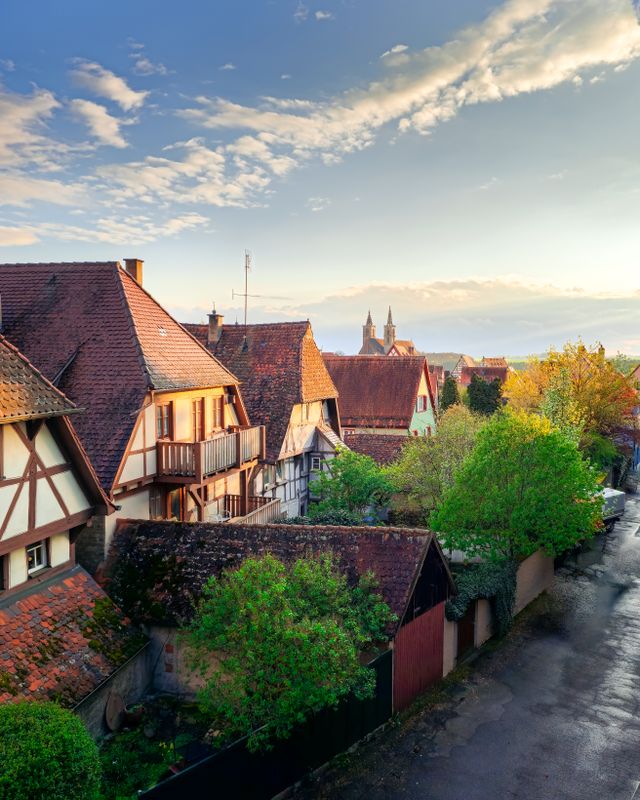
What makes France fascinating—and sometimes frustrating—is that it’s not one culture but many. Brittany feels Celtic. Alsace feels Germanic. Basque Country feels Spanish. Corsica feels like its own island nation. This regional diversity is reflected in everything from architecture to language (though French is universal, regional dialects and languages like Breton, Occitan, and Corsican still survive) .
📊 Number of Visitors Per Year: The World’s Most Visited Country
France’s tourism numbers are staggering—and they keep growing.
2025 Record Year:
- France welcomed 102 million international tourists in 2025, up from 100 million in 2024 .
- International tourism revenue hit a record €77.5 billion, a 9% increase from the previous year .
- Domestic tourism consumption reached €222 billion .
- The average spend per international tourist rose 7%, reaching €760 per stay .
Where Do Visitors Come From?
- European visitors dominate, accounting for 76% of overnight stays. Germany was particularly dynamic, with a 9% increase .
- North American visitors grew strongly, with the U.S. up more than 10% .
- Asian markets are still recovering from the pandemic but showing a notable return, with Japan rebounding faster than China .
What This Means for You:
France is crowded, especially in Paris and the major tourist sites. But the country is large enough to absorb visitors if you’re willing to explore beyond the obvious. Travel in shoulder season (April–June or September–October), book key attractions in advance, and consider regions like the Loire Valley, Burgundy, or the Dordogne for a quieter experience.
🏛️ Main Attractions: The Essential France
Paris: The City That Needs No Introduction
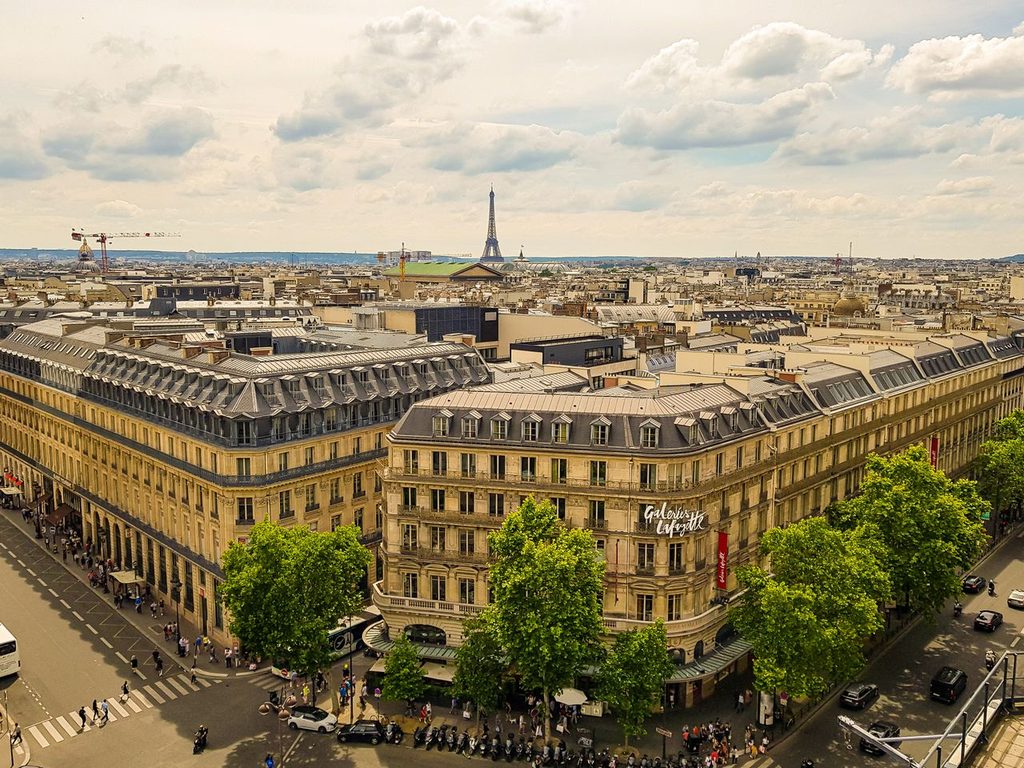
Paris is the heart of French tourism, and it delivers on every cliché—and then some.
Must-See:
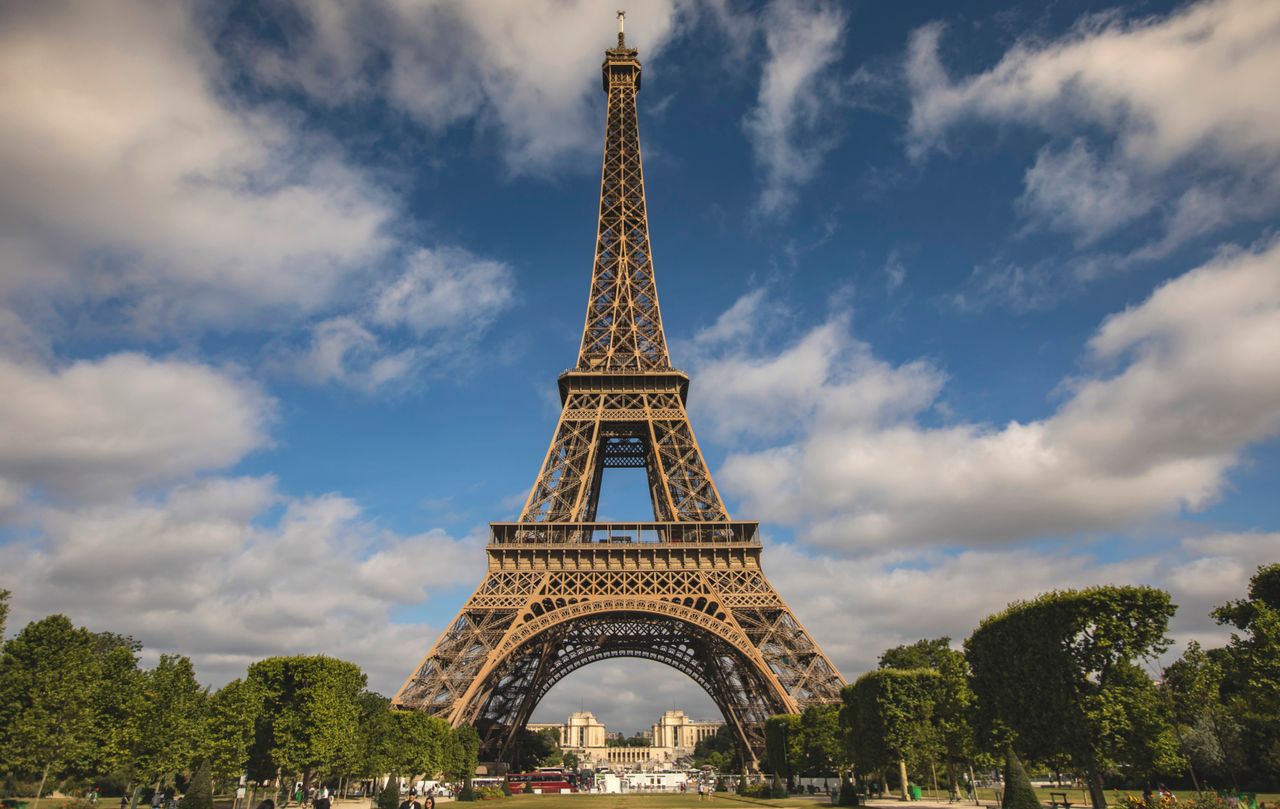
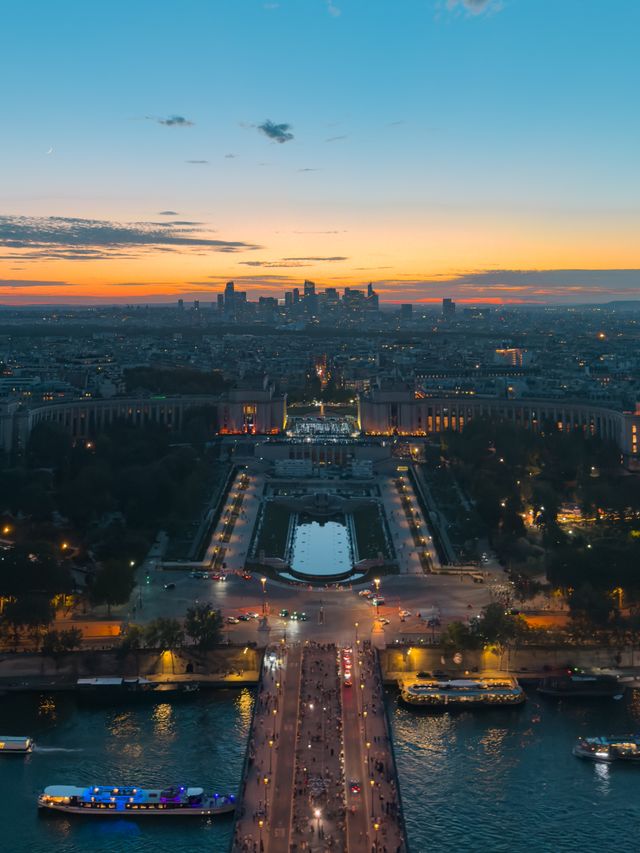
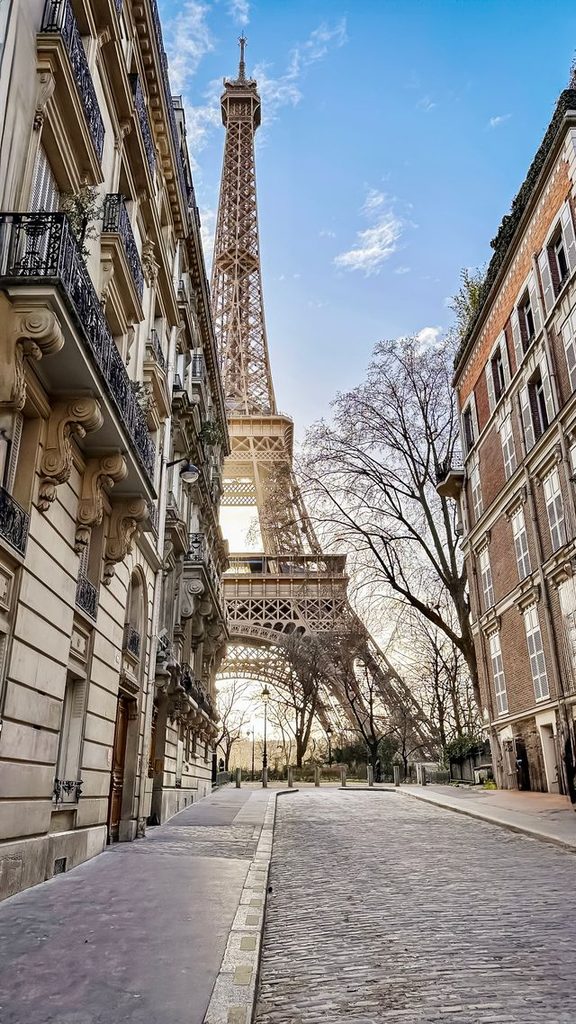
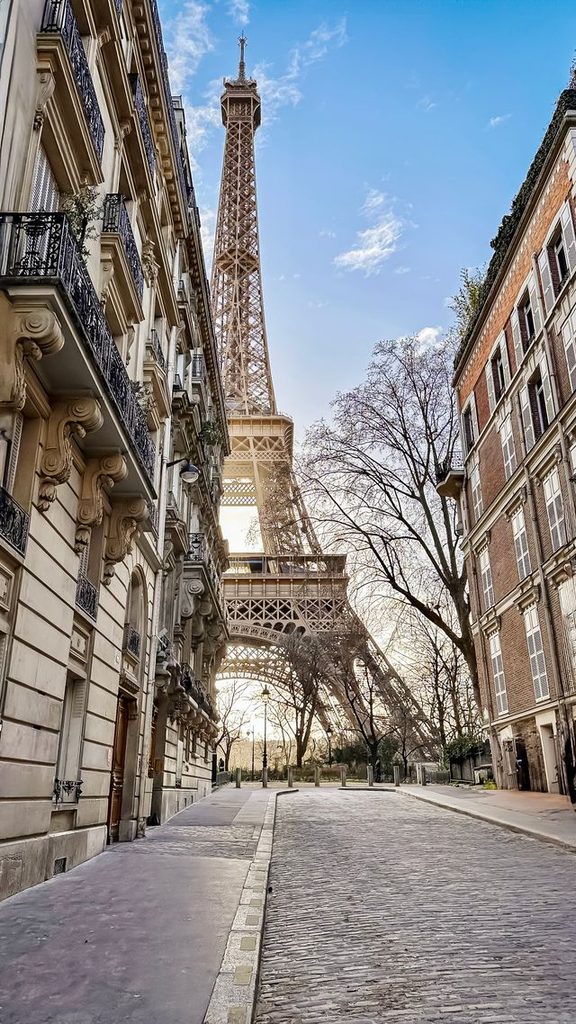
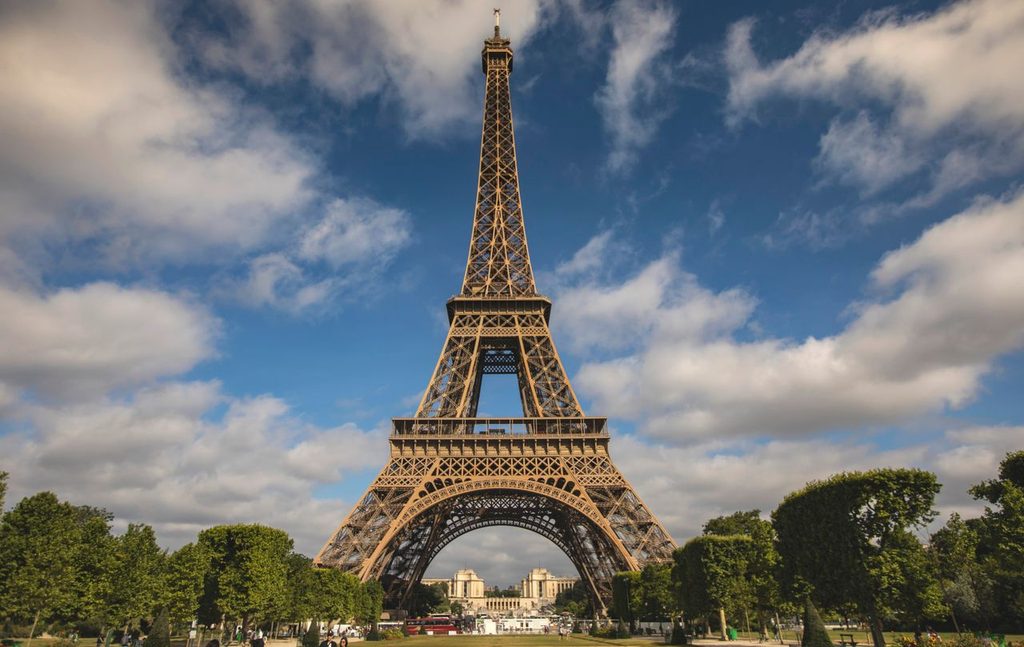
- The Eiffel Tower: Still breathtaking, especially at night when it sparkles. Book tickets online to skip the lines.
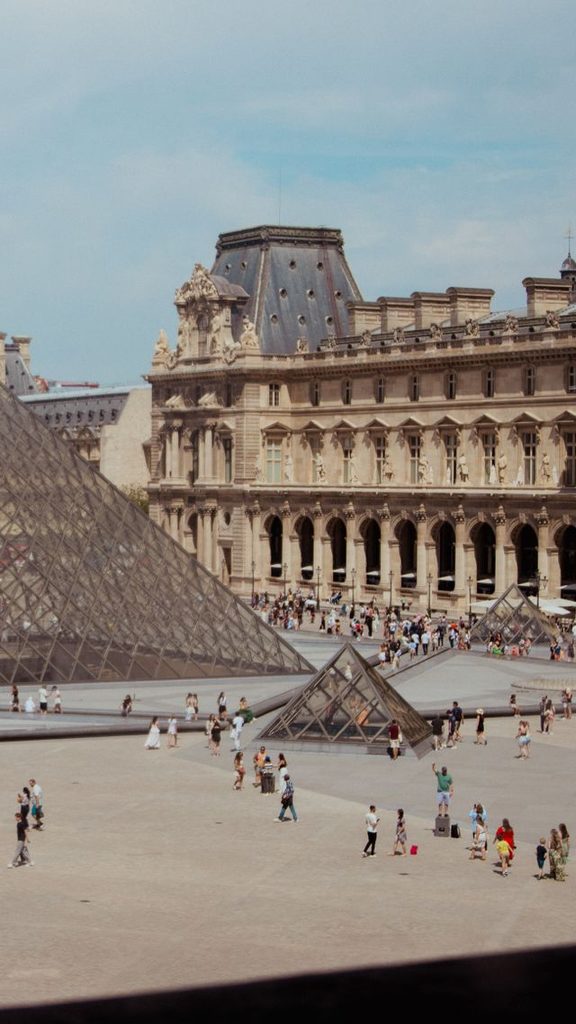
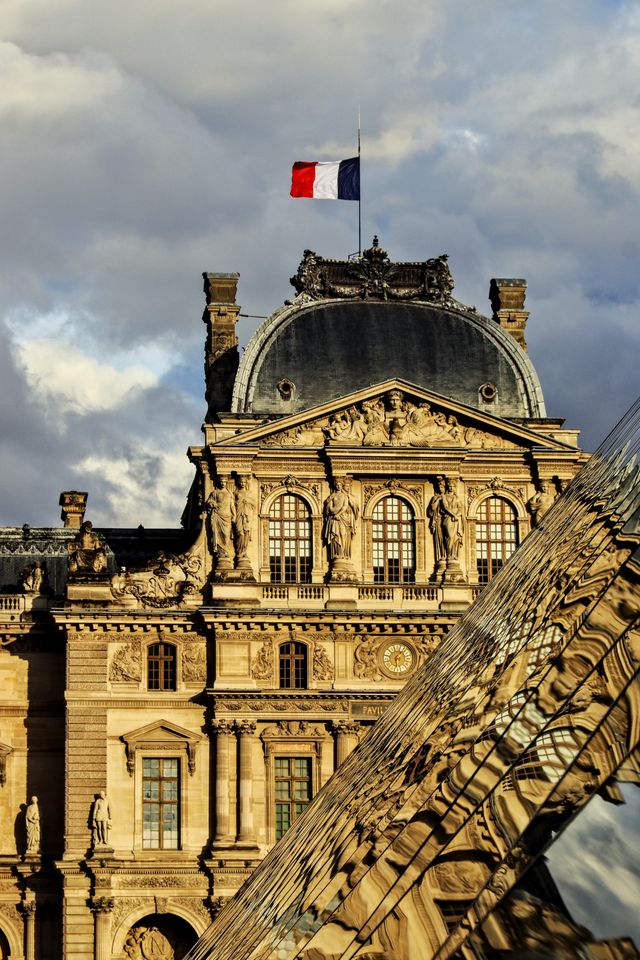
- The Louvre: The world’s largest art museum. Don’t try to see everything—pick a wing or two and savor it.
- Notre-Dame: Reopened in 2024 after the devastating 2019 fire. The restoration is stunning.
- Montmartre & Sacré-Cœur: The bohemian hilltop neighborhood with the best views of the city.
- The Marais: Historic streets, trendy boutiques, and the best falafel in Europe.
Pro Tip: Get out of central Paris. Explore Belleville, Canal Saint-Martin, or the Buttes-Chaumont park for a more local experience.
Versailles: The Palace to End All Palaces
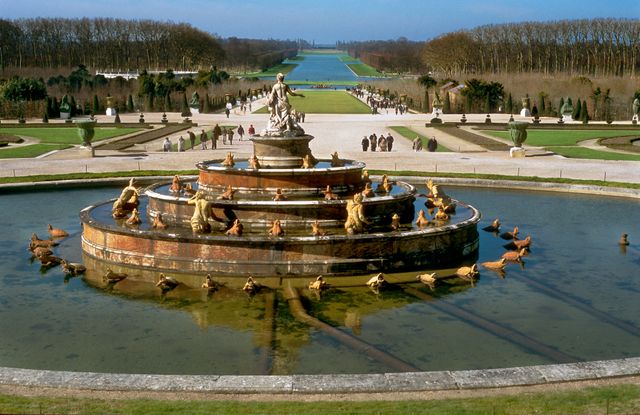
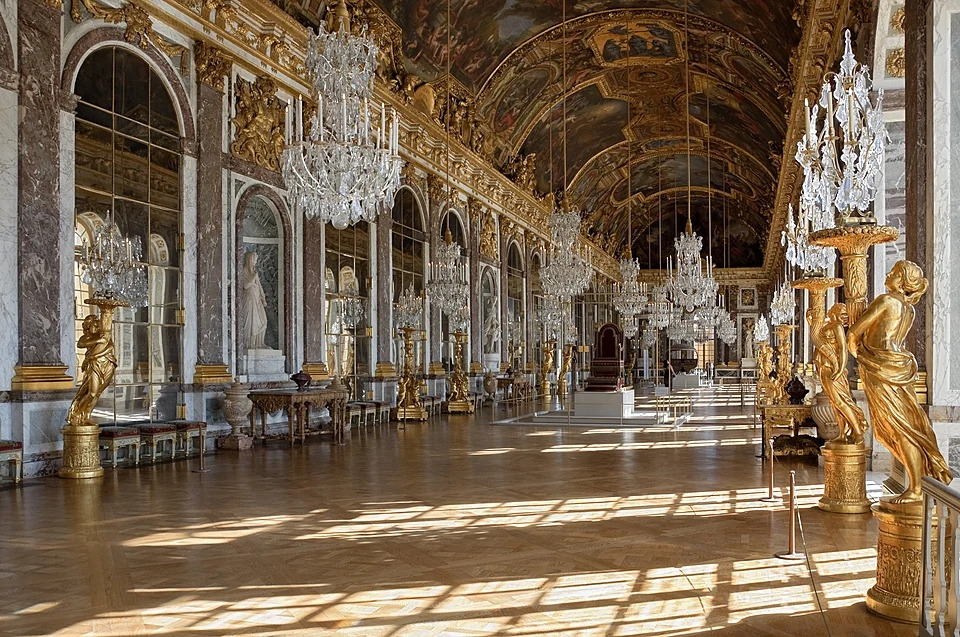
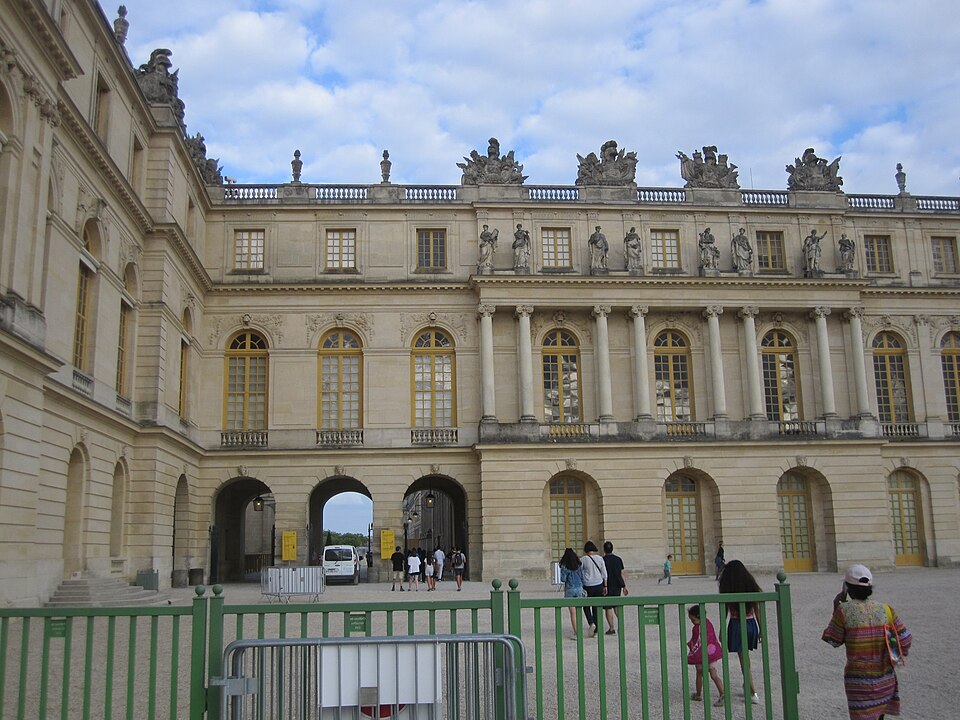
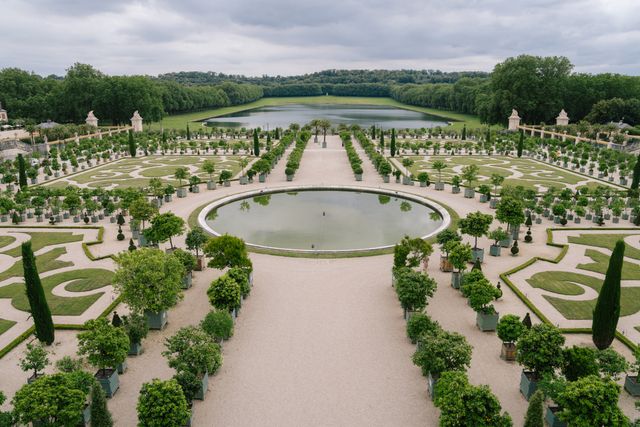
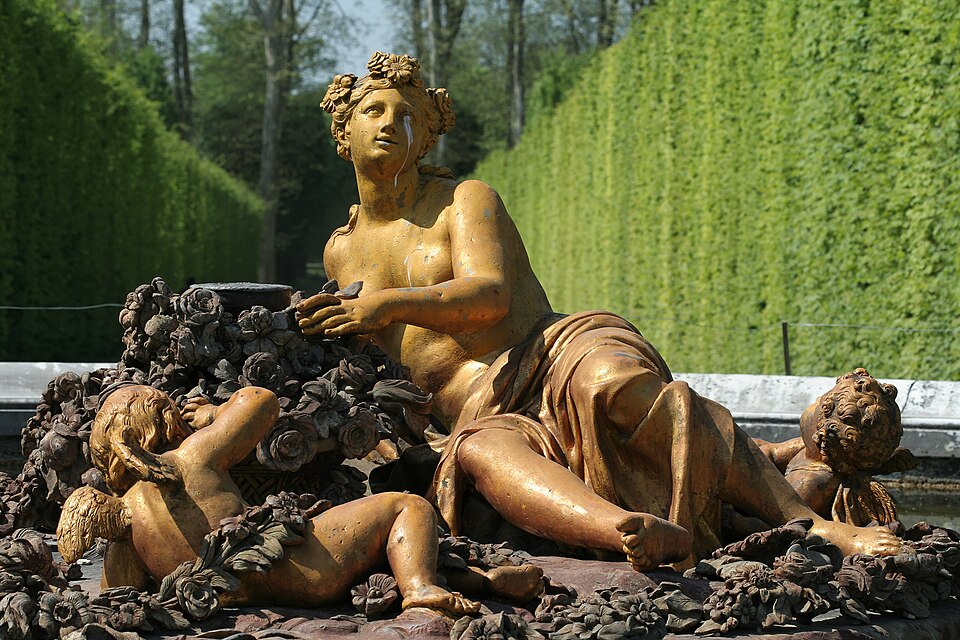
Just outside Paris, the Château de Versailles is the ultimate symbol of French royal excess. The Hall of Mirrors, the gardens, and Marie Antoinette’s Hamlet are all worth the trip . Book tickets in advance and go early—the crowds are immense.
Provence: Lavender, Markets, and Roman Ruins
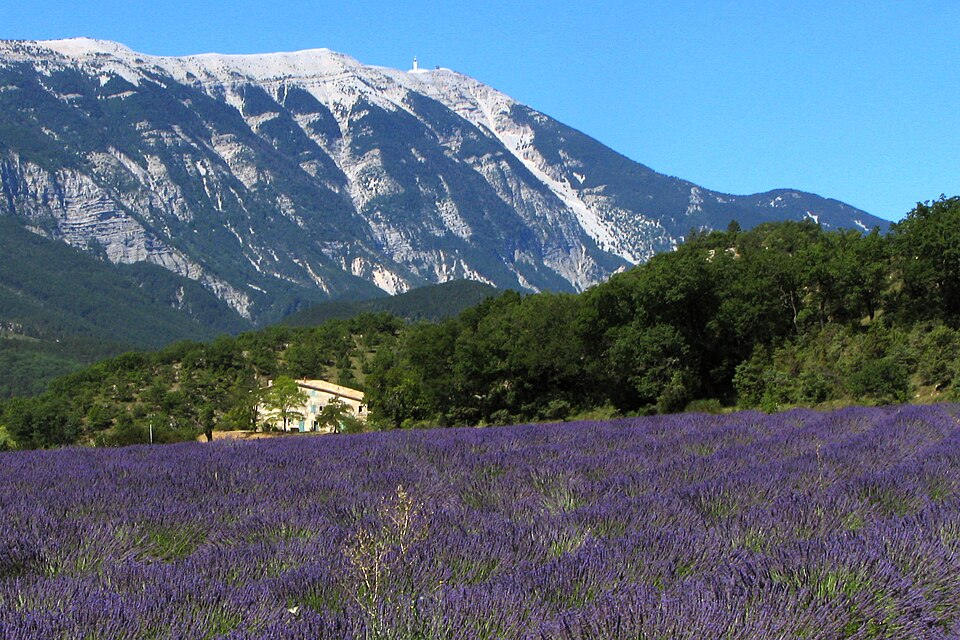
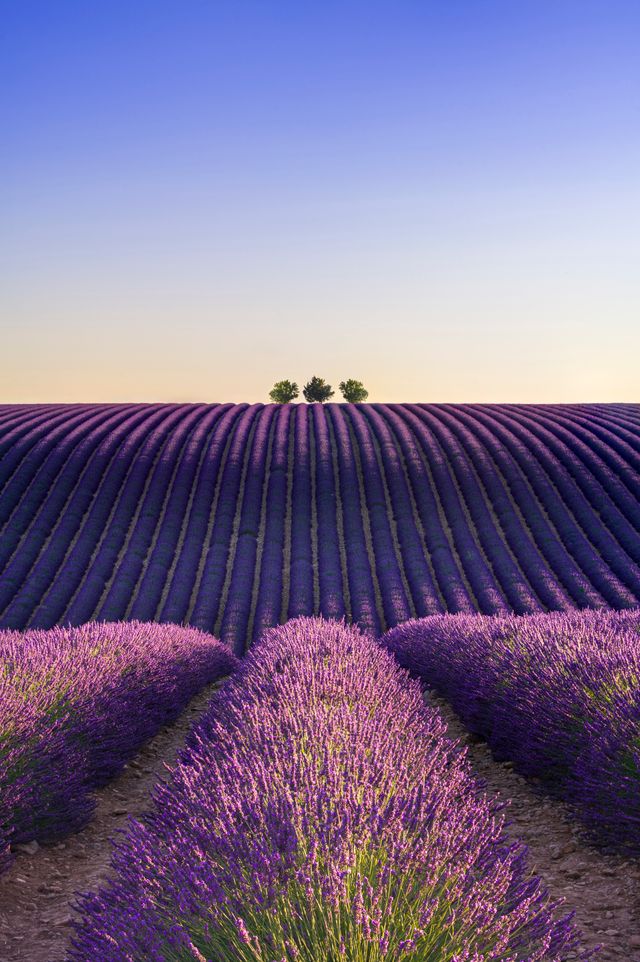
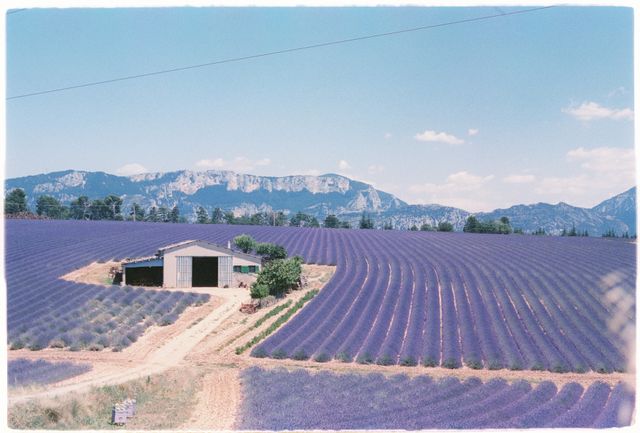
Provence is the France of your dreams: sun-drenched villages, fields of lavender (June–July), bustling markets, and food that tastes like the Mediterranean sun.
Highlights:
- Avignon: The Papal Palace and the famous bridge.
- Arles: Roman amphitheater and Van Gogh’s inspiration.
- Aix-en-Provence: Elegant fountains, markets, and Cézanne’s studio.
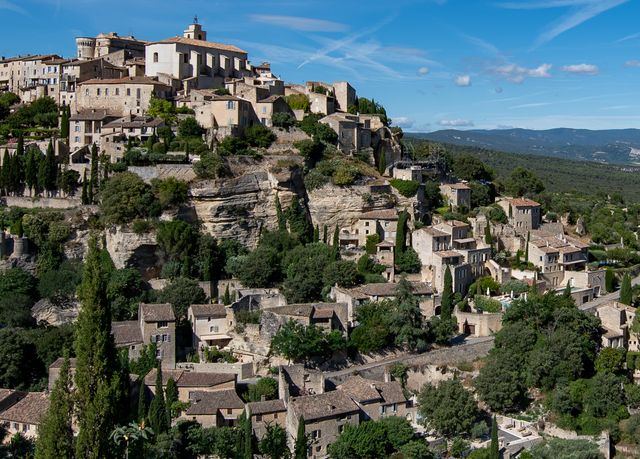
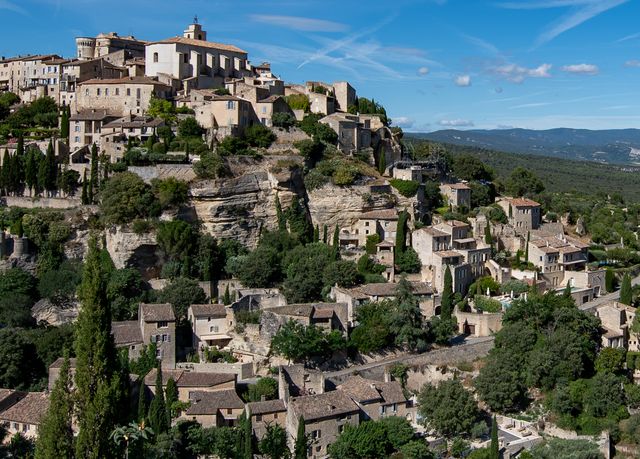
- The Luberon: Hilltop villages like Gordes and Roussillon.
The French Riviera (Côte d’Azur)
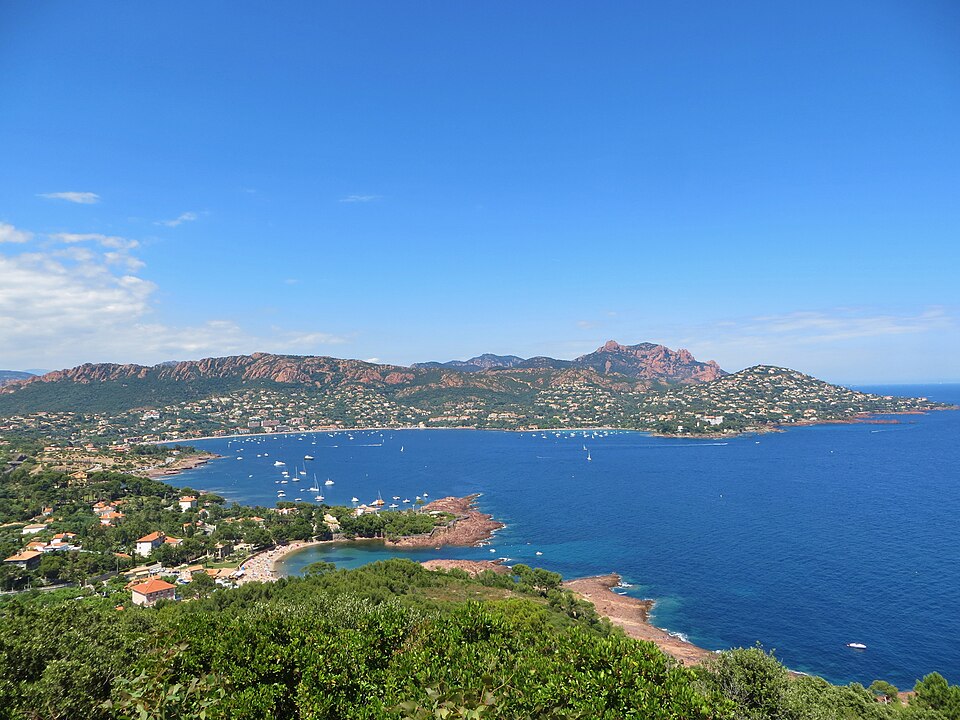
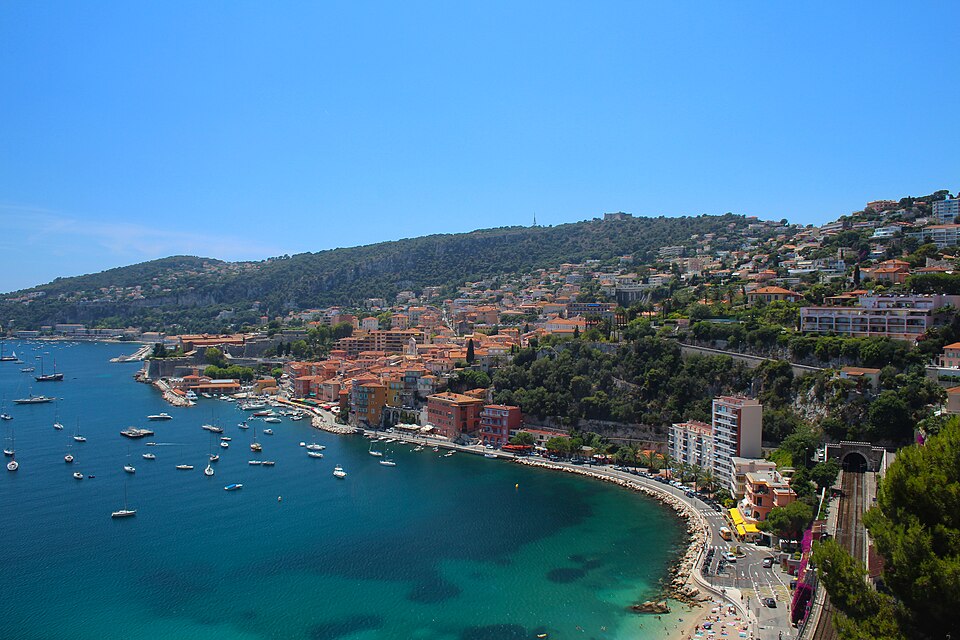
Glamour, beaches, and azure water. Nice is the gateway, with its Promenade des Anglais and old town. Cannes is for film festivals and luxury. Monaco is a separate principality but easily visited. Saint-Tropez is infamous for its summer crowds and yacht culture.
Brittany & Normandy: The Wild North
For a completely different France, head northwest.
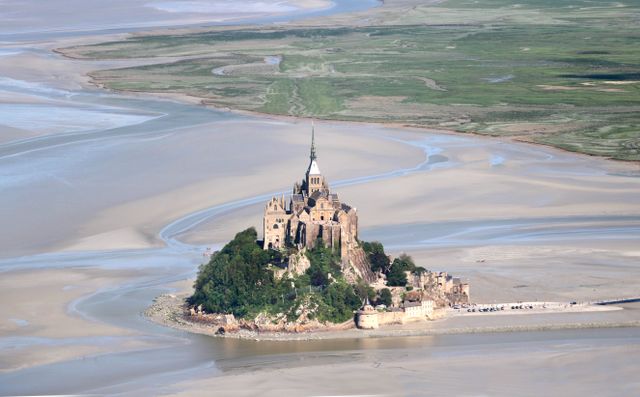
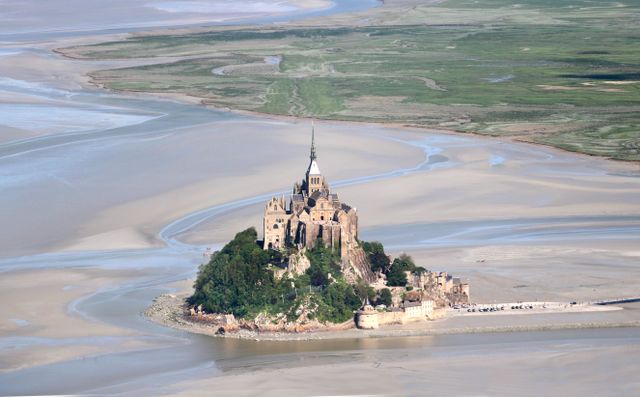
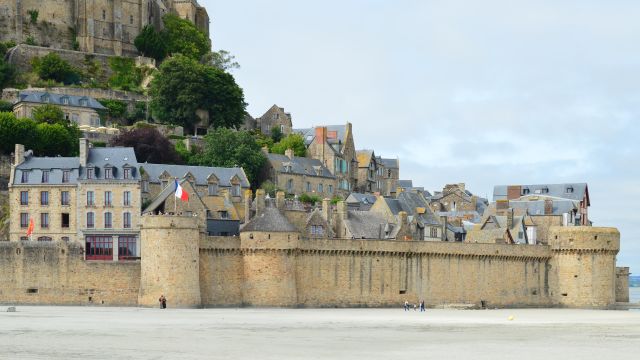
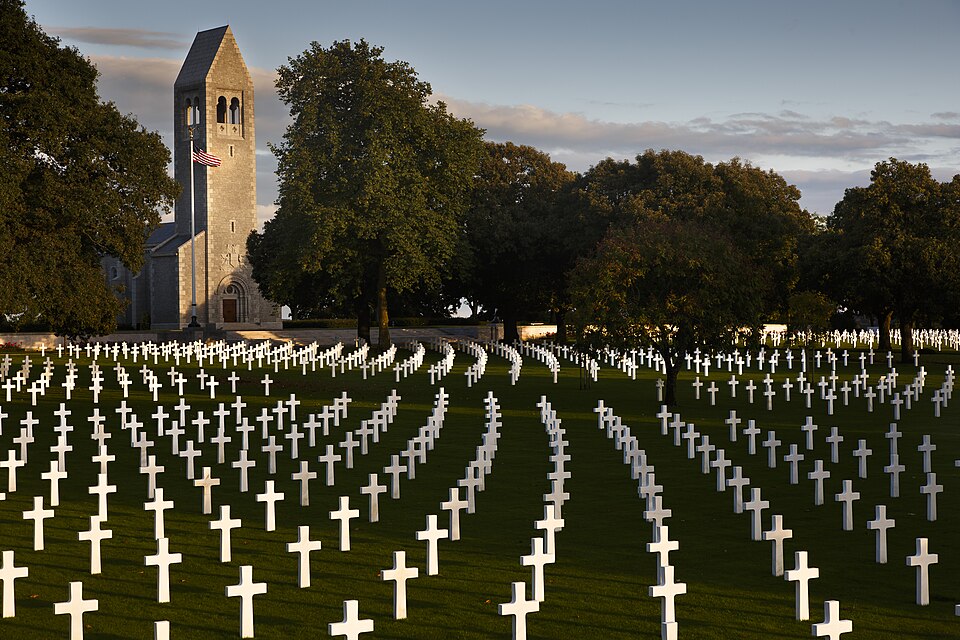
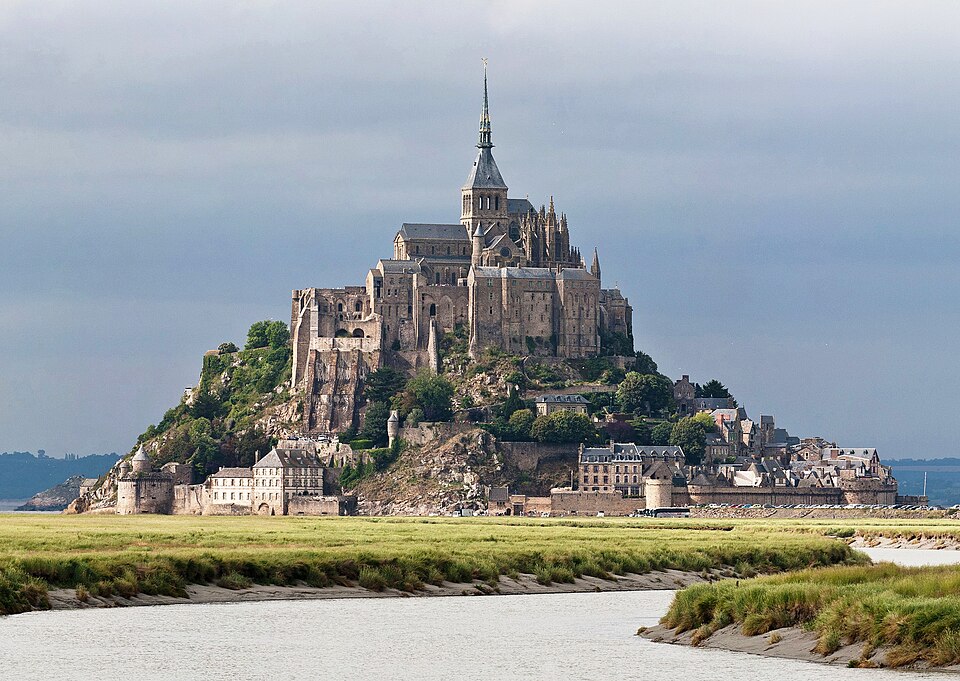
Normandy: The D-Day beaches, Mont Saint-Michel (a tidal island abbey that’s one of France’s most iconic sights), and the charming port town of Honfleur .
Brittany: Rugged coastline, Celtic heritage, and food that revolves around the sea—oysters from Cancale, buckwheat galettes, and salted butter caramel .
The Loire Valley: Châteaux Country
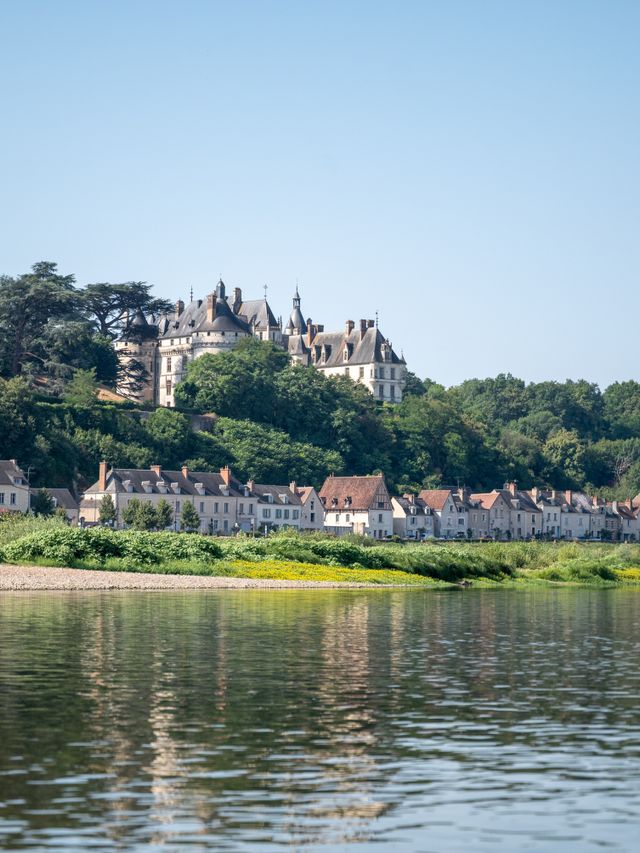
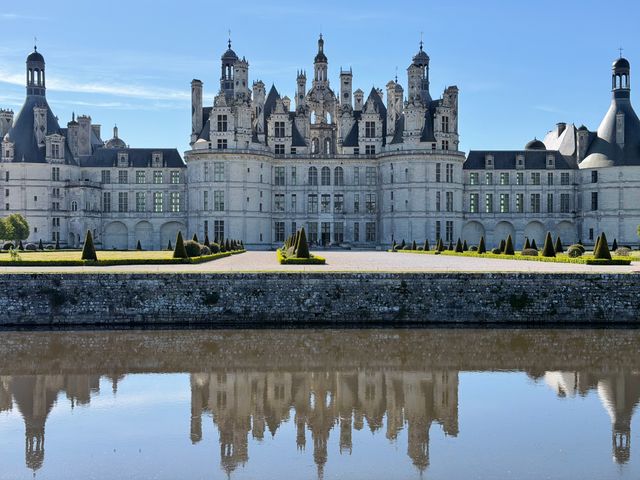
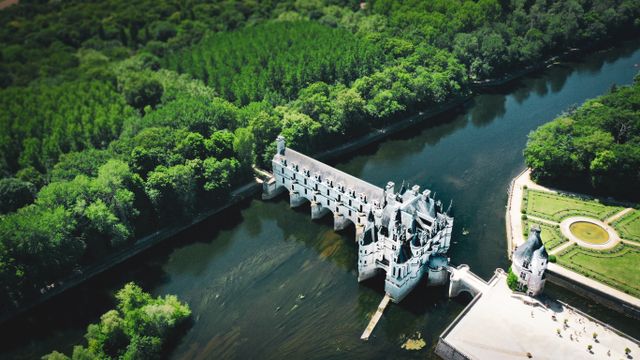
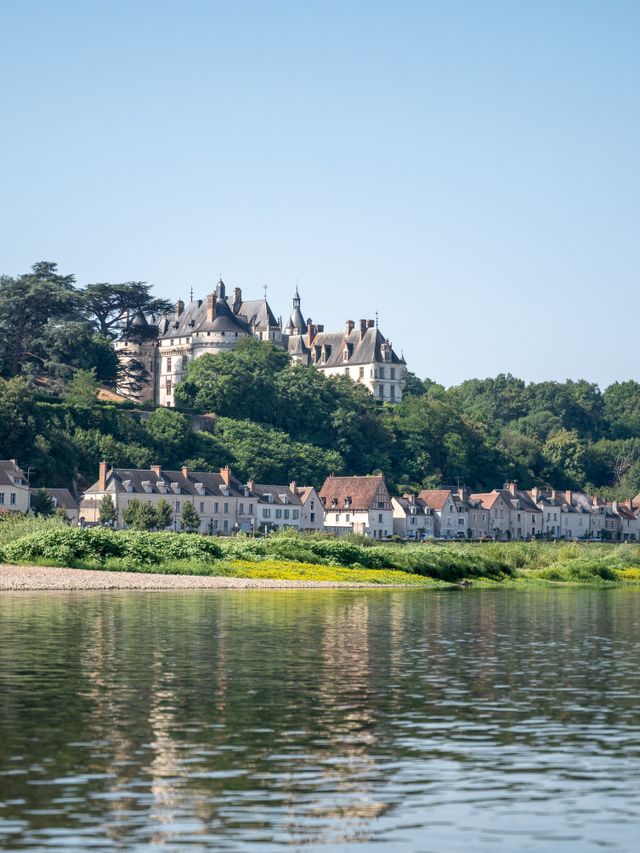
The Loire Valley is home to over 300 châteaux, from fortified medieval castles to Renaissance palaces. Chambord, Chenonceau, and Cheverny are the highlights. The region is also a wine paradise, with Sancerre and Vouvray among its famous appellations .
Alsace: A Taste of Germany in France
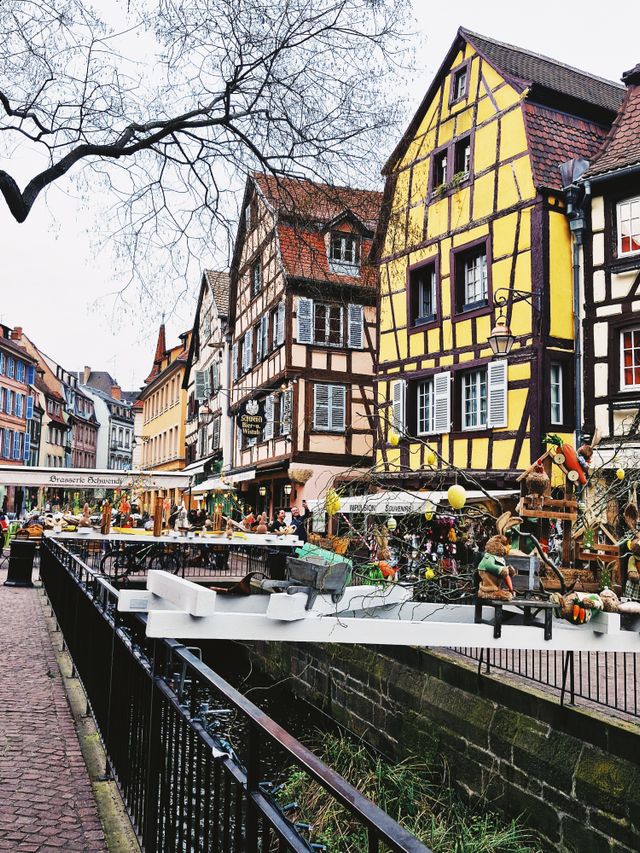
Strasbourg and Colmar are the stars of this border region, with half-timbered houses, Riesling wines, and food that blends French and Germanic traditions—choucroute garnie, flammekueche, and foie gras .
The Alps: Skiing and Alpine Splendor
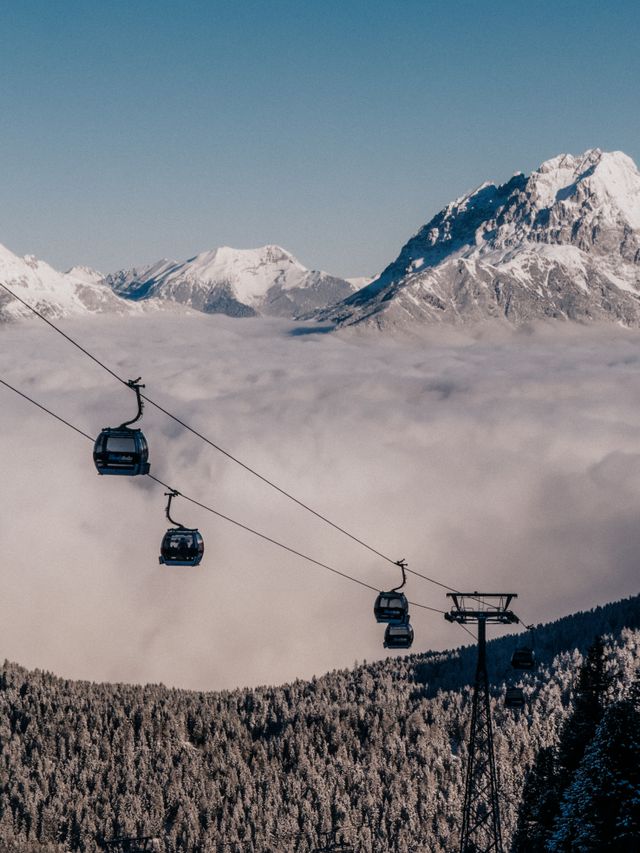
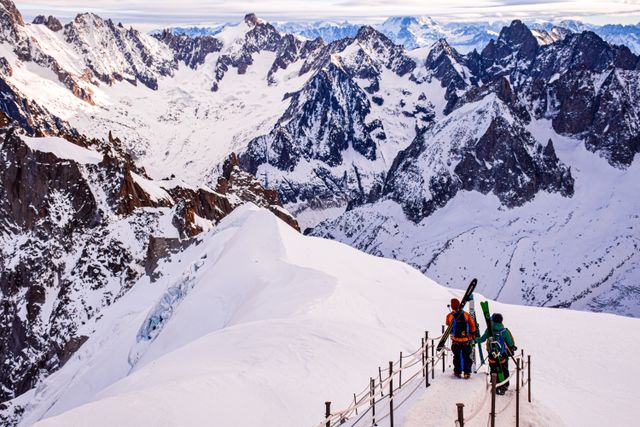
Chamonix is the mountaineering capital of Europe, sitting at the foot of Mont Blanc (the highest peak in the Alps). In winter, it’s a ski paradise; in summer, it’s a hiker’s playground .
🎎 Culture: The Art of Living
France’s cultural influence is immense—in art, fashion, philosophy, and, above all, in the art of living well.
The French Language: French is spoken by over 70 million people in France alone, and it’s the official language of dozens of countries. Locals appreciate any effort to speak it, even if it’s just “Bonjour” and “Merci” .
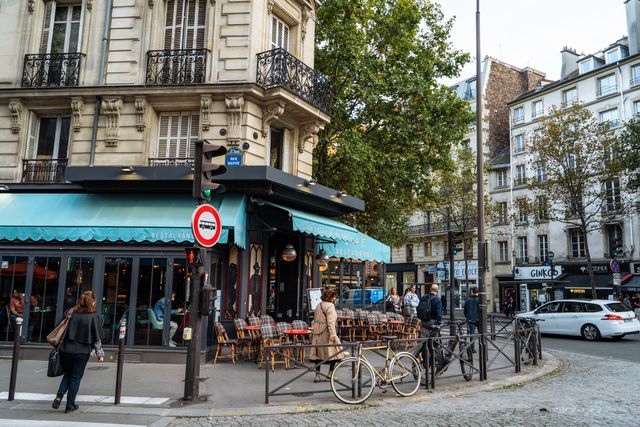
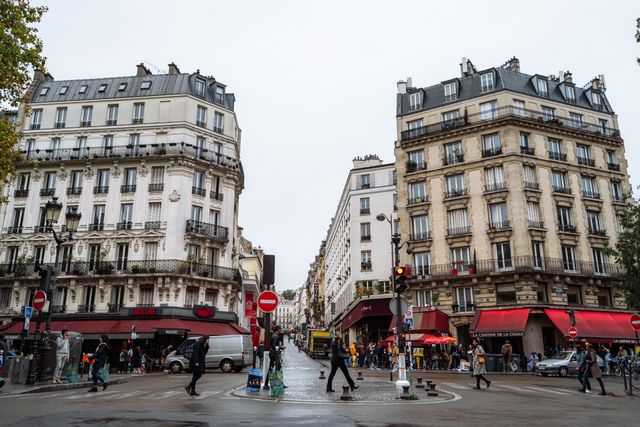
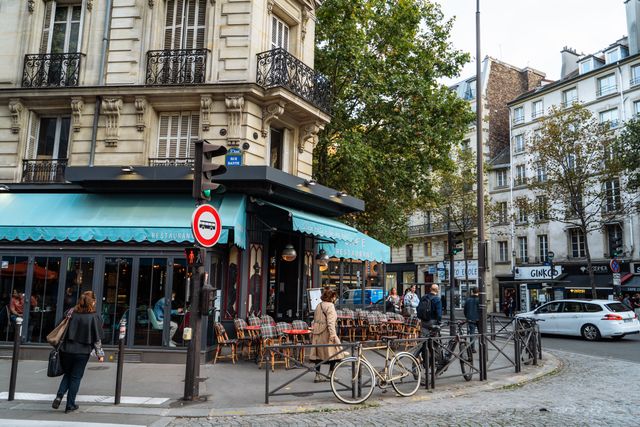
Café Culture: The café is the heart of French social life. Sitting on a terrace with a coffee or a glass of wine, watching the world go by, is not a waste of time—it’s a cultural institution.
Fashion: Paris is the undisputed fashion capital of the world, home to Chanel, Dior, Hermès, and Louis Vuitton. But French style isn’t just about labels—it’s about effortless elegance: well-cut clothes, scarves, and that famous “je ne sais quoi” .
The Gastronomic Meal: In 2010, UNESCO recognized the French gastronomic meal as Intangible Cultural Heritage of Humanity. It’s not just about the food—it’s about the ritual: the aperitif, the multiple courses, the cheese, the dessert, the conversation .
Cultural Do’s and Don’ts:
- Do say “Bonjour” when entering any shop or café. It’s considered rude not to.
- Don’t assume everyone speaks English. Try a few words of French first.
- Do dress a bit more thoughtfully than you might at home. French style is casual but put-together.
- Don’t rush meals. Dining is meant to be savored.
🚗 How to Reach France
By Air:
France has two main international gateways: Paris Charles de Gaulle (CDG) and Paris Orly (ORY). CDG is the primary hub for long-haul flights, with connections to every major city worldwide. Regional airports like Nice, Lyon, Marseille, Bordeaux, and Toulouse also receive international flights, which can save you a domestic connection .
By Train:
France has one of the best rail networks in the world. The TGV (high-speed train) connects Paris to Lyon (2 hours), Marseille (3 hours), Bordeaux (2 hours), and beyond. The Eurostar links Paris to London (2h15m) and Brussels (1h20m). Booking train tickets in advance is essential—prices rise significantly closer to the date .
Getting Around:
- Train is the best way to travel between regions. The network is extensive and efficient.
- Car rental is useful for exploring rural areas like Provence, the Loire Valley, or Brittany, where public transport is limited.
- Domestic flights are available but often unnecessary given the train network.
🏄 What to Do: Beyond the Checklist
- Take a cooking class. Learning to make croissants, ratatouille, or a proper sauce from a French chef is a highlight for many travelers.
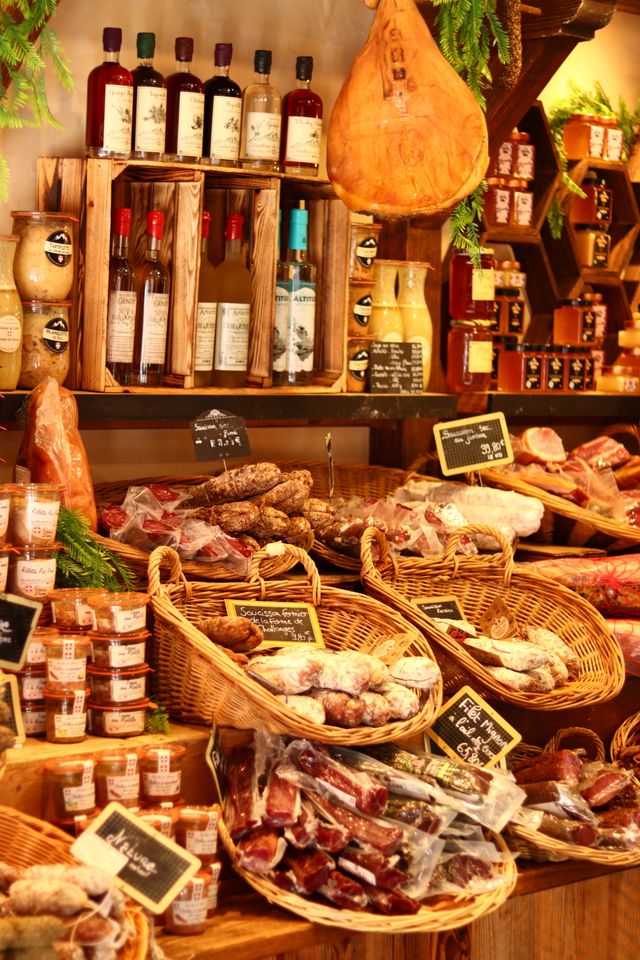
- Visit a local market. Every town has one, and they’re the best place to taste the region: cheese, charcuterie, olives, and fresh produce.
- Cycle through wine country. The La Voie des Vignes in Burgundy or the Loire Valley’s cycling routes are unforgettable .
- Explore a smaller city. Lyon is France’s gastronomic capital. Bordeaux is wine and elegance. Strasbourg is European and charming. Marseille is raw, diverse, and full of character.
- Go to a festival. Avignon Festival (theater), Cannes Film Festival, Nice Carnival, or any local village fête will show you France at play.
- Visit a château. Even if you’re not a history buff, the sheer scale and beauty of places like Chambord or Chenonceau are awe-inspiring .
🍛 Local Foods: A Regional Journey
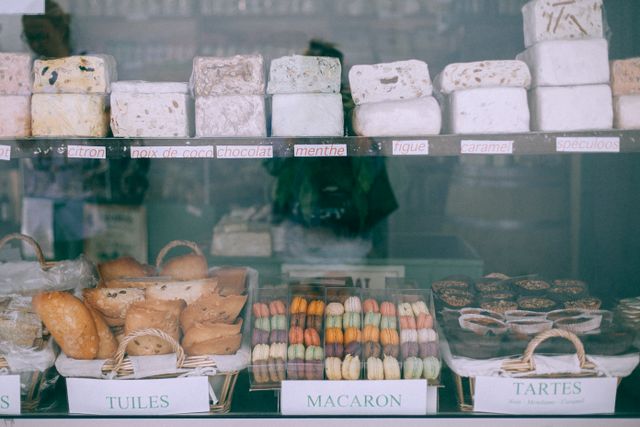
French cuisine isn’t one thing—it’s a patchwork of regional traditions, each shaped by geography and history .
The Classics You Must Try:
- Baguette: France consumes 30–32 million baguettes daily . Buy one fresh from a boulangerie and eat it with butter and cheese.
- Croissant: Flaky, buttery, and best enjoyed with coffee at a café terrace.
- Jambon Beurre: A simple sandwich of baguette, butter, and ham. Perfection .
- Ratatouille: The Provençal vegetable stew of eggplant, zucchini, peppers, and tomatoes .
- Boeuf Bourguignon: Beef braised in red wine, from Burgundy.
- Bouillabaisse: Marseille’s iconic seafood stew, made with saffron and Mediterranean fish .
Regional Specialties:
- Brittany: Oysters from Cancale, buckwheat galettes, salted butter caramel .
- Bordeaux: Entrecôte à la Bordelaise (steak with red wine and bone marrow sauce), and of course, the wine .
- Alsace: Choucroute garnie (sauerkraut with sausages), flammekueche (thin-crust tart), Riesling .
- Basque Country: Piperade (tomato and pepper stew), Espelette peppers, sheep’s milk cheese .
- Provence: Bouillabaisse, pissaladière (anchovy and onion tart), olive oil, herbs de Provence .
Where to Eat:
- Boulangeries for bread and pastries.
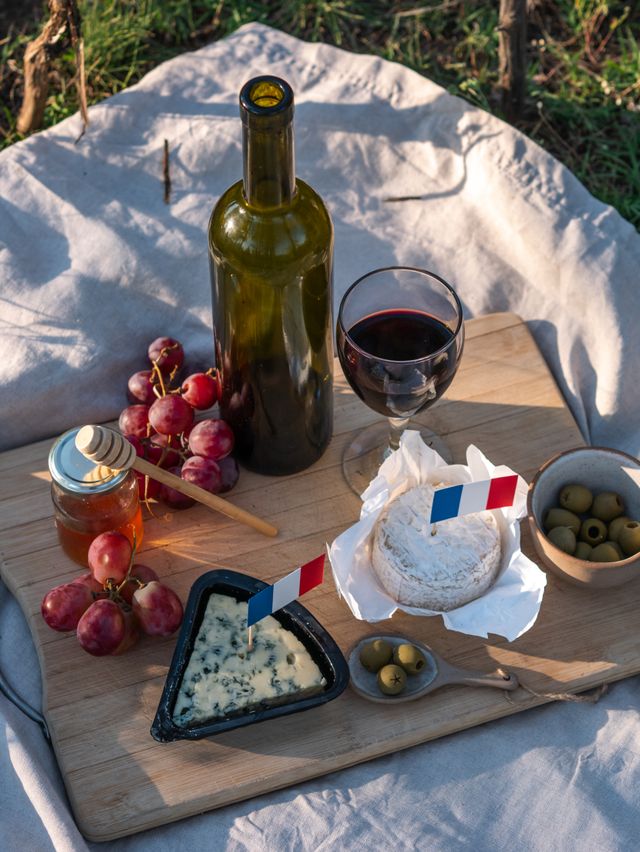
- Marchés for fresh produce, cheese, and charcuterie—perfect for a picnic.
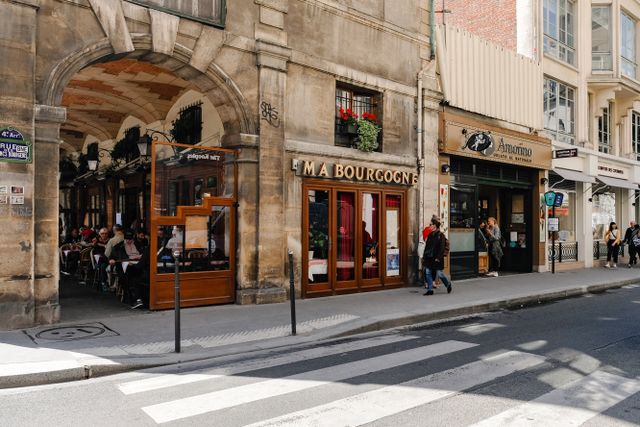
- Bistros for casual, affordable French meals.
- Restaurants for a splurge—look for the menu du jour at lunch for the best value.
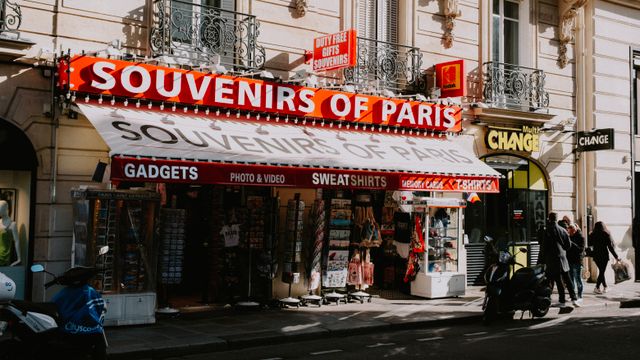
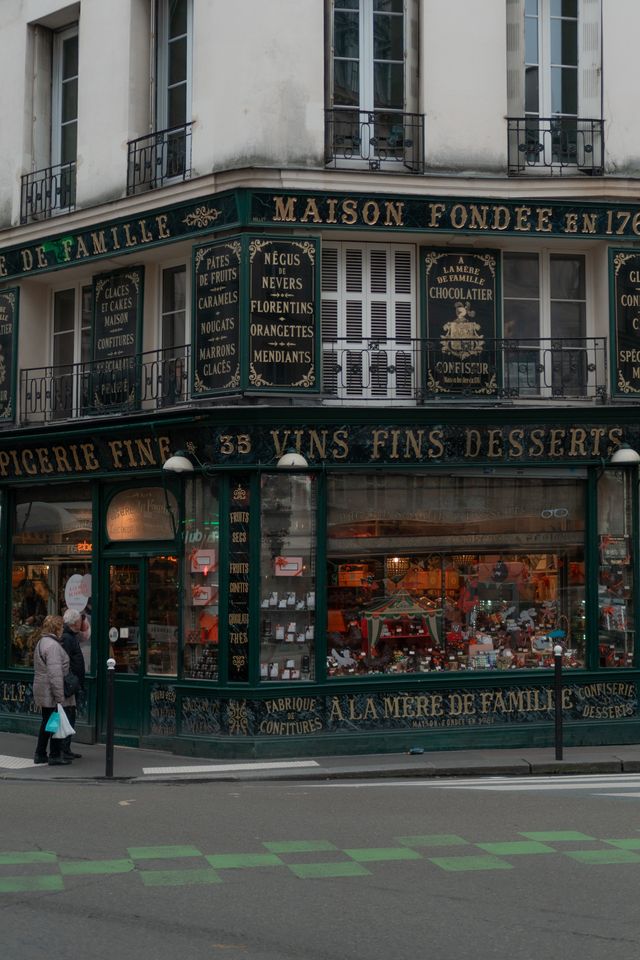
🛍️ Shopping: What to Bring Home
Food and Drink:
- Wine from Bordeaux, Burgundy, or the Rhone Valley.
- Cheese (vacuum-packed for travel).
- Chocolate from a quality chocolatier.
- Macarons from Ladurée or Pierre Hermé (or a local pâtisserie).
- Mustard from Dijon.
Crafts and Fashion:
- Breton stripes (the classic marinière).
- Provençal fabrics and ceramics.
- Lacoste or other French brands (often cheaper in France).
- Perfume from Grasse or a Paris boutique.
🎒 Things to Pack: Your France Survival Kit
- Comfortable walking shoes: You will walk. Cobblestones, museum floors, and city streets demand good footwear.
- Layers: Weather varies by region and season. Evenings can be cool.
- A scarf: The French wardrobe essential. It doubles as sun protection and a way to dress up a casual outfit.
- Reusable water bottle: France has public fountains everywhere.
- A small day bag: For markets, museums, and day trips.
- Universal adapter: France uses Type C/E plugs (European standard).
- A little French: Even just “Bonjour, merci, s’il vous plaît” goes a long way.
💰 Average Budget: What France Costs (2026)
France is a moderately priced destination by Western European standards, but costs vary dramatically by region and travel style .
Daily Budget by Travel Style:
| Style | Daily Cost (per person) | What It Covers |
|---|---|---|
| Budget | €60–100 | Hostel dorm, supermarket/picnic meals, public transport, free attractions |
| Mid-Range | €150–250 | 3-star hotel or Airbnb, restaurant meals, paid attractions, some train travel |
| Luxury | €400+ | 4–5 star hotel, fine dining, private tours, taxis |
Specific Costs (Average 2026):
- Hostel dorm (Paris): ~$37/night
- Hostel dorm (outside Paris): ~$29–34/night
- Mid-range hotel: ~$147/night average
- Museum entry (Louvre): €22
- Metro ticket (Paris): €2.50
- Baguette: €1.20–1.50
- Café coffee: €2–4
- Restaurant lunch (menu du jour): €15–25
- Restaurant dinner: €30–50+
Money-Saving Tips:
- Eat lunch out, dinner in. Lunch menus are much cheaper than dinner.
- Shop at markets and make picnics.
- Book train tickets in advance—prices rise significantly closer to the date .
- Visit free museums on the first Sunday of the month (many Paris museums participate).
- Stay outside central Paris and use the Metro.
🏁 Conclusion: France Rewards the Curious
France is a country that can be many things: a romantic getaway, a food pilgrimage, a history lesson, or a simple escape to the countryside. The key is to choose your France—the one that speaks to you—and give it time.
Don’t try to “do” France in a week. Pick a region, or two, and go deep. Eat at the local market. Take the slow road. Sit at a café and do nothing for an hour. That’s when France reveals itself—not in the checklist, but in the moments between.
Bon voyage.
Have you traveled through France? What’s your favorite region or unforgettable meal? Drop a comment below! 👇
❓ FAQ: France Quick Answers
1. Is France safe?
Yes, France is generally very safe. The main concerns are pickpocketing in crowded tourist areas (especially in Paris) and the occasional strike or protest, which can disrupt transport. Use common sense and stay aware of your surroundings.
2. Do I need a visa for France?
Citizens of the US, UK, Canada, Australia, and EU don’t need a visa for stays up to 90 days. Other nationalities should check Schengen requirements.
3. What’s the best time to visit?
April–June and September–October offer pleasant weather and fewer crowds. July–August is peak season—hot, crowded, and expensive, especially in Paris and the south. Winter is quiet and cold, but great for skiing and city breaks.
4. Is English widely spoken?
In tourist areas, yes. But learning a few French phrases is appreciated and will improve your experience. Always start with “Bonjour.”
5. Do I need to book trains in advance?
Absolutely. TGV tickets are much cheaper when booked weeks or months ahead. Last-minute tickets can be very expensive .
6. Can I drink tap water?
Yes, tap water is safe to drink throughout France.
7. What should I wear?
Comfortable, casual but put-together. Avoid gym clothes or very casual wear in nicer restaurants. A scarf is always a good idea.
8. Is Paris expensive?
Paris is one of the more expensive cities in France, but it can be done on a budget with hostels, picnics, and free attractions. Staying outside the city center and using the Metro saves money.
9. What’s the best way to get around?
Train for inter-city travel. Metro in Paris and other major cities. Car rental for rural regions.
10. What are the must-try foods?
Baguette, croissant, jambon beurre, ratatouille, boeuf bourguignon, and regional specialties like choucroute in Alsace or bouillabaisse in Marseille .
11. How many days do I need for France?
For a first trip, 7–10 days allows you to see Paris and one or two regions. For a deeper experience, two weeks or more is ideal.
12. Is France good for families?
Yes, France is very family-friendly, with excellent public transport, parks, and attractions. Many museums are free for children under 18 (or 26 for EU citizens).