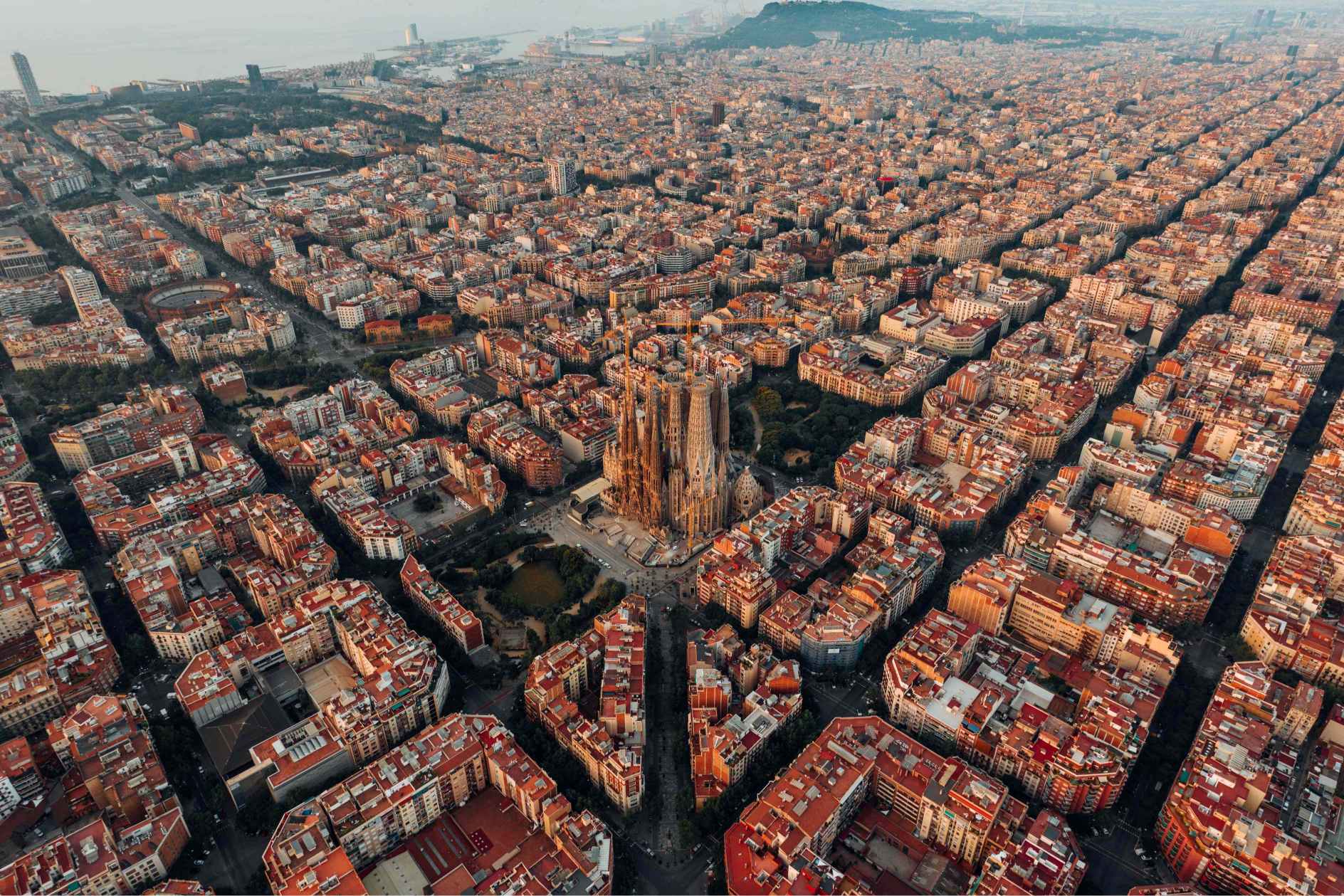
🌊 The City That Never Stops Dreaming
Barcelona is a city that doesn’t just welcome you—it grabs you by the hand and pulls you into its wild, wonderful rhythm. It’s a place where Gaudí’s surreal architectural dreams stand shoulder-to-shoulder with 2,000-year-old Roman ruins, where the scent of grilled seafood drifts from beachside chiringuitos, and where the sound of Catalan and Spanish mingles with the laughter of people eating late-night tapas in the Gothic Quarter.
This is the capital of Catalonia, a region with its own language, its own fierce pride, and its own way of doing things. Barcelona isn’t just “Spain”—it’s a world unto itself, a Mediterranean metropolis that has been reinventing itself for centuries.
But here’s the thing: Barcelona is also a city that has become almost too popular. With 16 million visitors in 2025 alone , it’s one of Europe’s most visited destinations. That means crowds, higher prices, and a delicate balance between tourism and local life. But don’t let that deter you. With the right planning—booking tickets in advance, knowing where to eat, and venturing beyond the obvious—Barcelona remains one of the most rewarding city breaks on the planet.
This guide will walk you through everything: the history, the must-see attractions, the food you absolutely cannot miss, how to get around, and what you’ll actually spend. Let’s dive into the Catalan capital.
📜 History & Geography: From Roman Barcino to Global Icon
Geography: Between the Sea and the Mountains
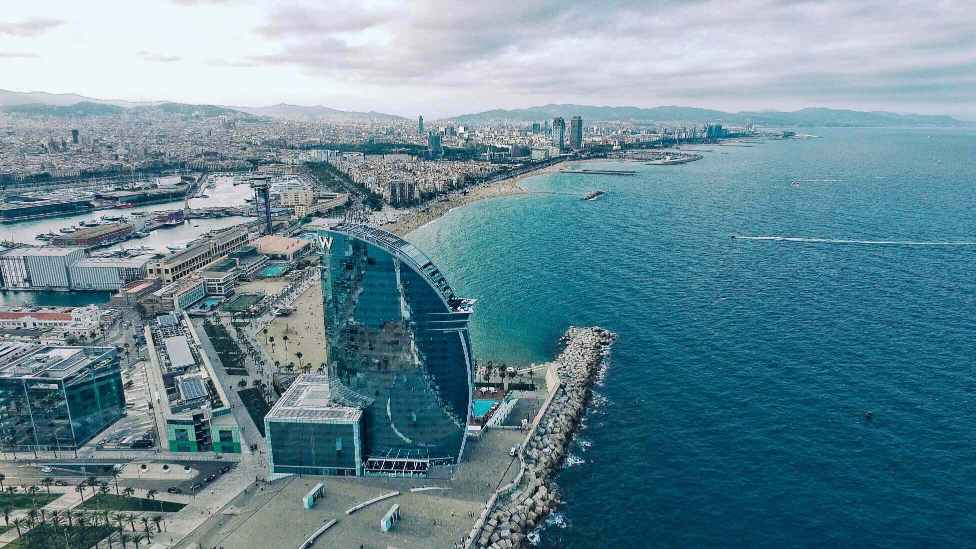
Barcelona sits on the Mediterranean coast of northeastern Spain, squeezed between the Collserola mountain range and the sea. This geography shapes everything: the city’s famous beaches (Barceloneta, Bogatell, Mar Bella), its mild climate (warm summers, mild winters), and its compact, walkable layout.
The city is divided into 10 districts, each with its own personality. The most famous for visitors are:
- Ciutat Vella (Old City): The Gothic Quarter, El Raval, and the Born—medieval streets, history, and nightlife.
- Eixample: The grid-like modern expansion, home to Gaudí’s masterpieces.
- Gràcia: A village-like neighborhood with bohemian vibes and local plazas.
- Barceloneta: The beachfront district.
History: A Tale of Two Cities (And Many More)
Barcelona’s history stretches back over 2,000 years. It was founded as Barcino by the Romans in the 1st century BC, and you can still see Roman columns tucked into the Gothic Quarter today.
Medieval Powerhouse: By the Middle Ages, Barcelona was the capital of the Crown of Aragon, a maritime empire that controlled trade across the Mediterranean. The Gothic Quarter—with its stunning Cathedral and narrow alleys—was built during this golden age.
The Catalan Identity: Catalonia has its own language (Catalan), its own traditions, and a long history of resisting centralization from Madrid. This tension has shaped Barcelona’s modern identity, culminating in the 1992 Olympics, which transformed the city’s waterfront and projected it onto the global stage .
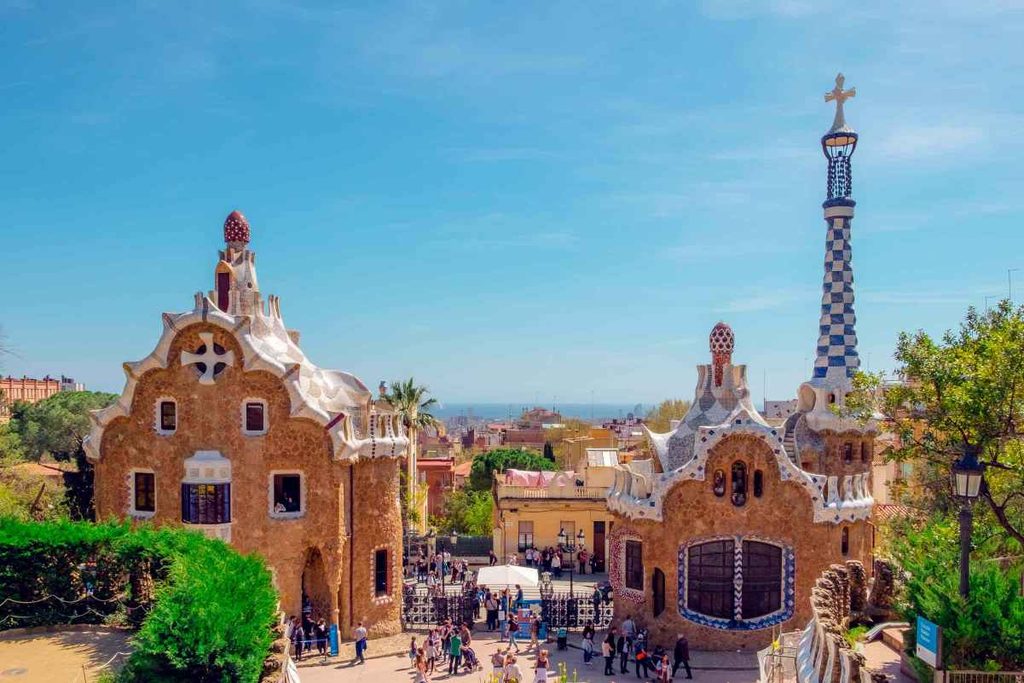
Gaudí’s Legacy: The Modernisme movement (Catalan Art Nouveau) in the late 19th and early 20th centuries gave Barcelona its most iconic landmarks: Sagrada Família, Park Güell, Casa Batlló, and La Pedrera, all designed by Antoni Gaudí or his contemporaries.
📊 Number of Visitors Per Year: A City Under Pressure
Barcelona’s popularity is staggering—and it’s a topic of intense local debate.
2025 By the Numbers:
- 16 million visitors stayed in Barcelona city alone, a 2.9% increase from 2024 .
- Adding the surrounding region, the total reached 26.1 million visitors .
- Over 70% of visitors were international (18.4 million), led by travelers from the United States, South Korea, Poland, Switzerland, and Brazil .
- The city saw an average daily presence of 160,000 visitors .
- Tourism spending reached an estimated €10.375 billion in the city alone .
What This Means for You:
Barcelona is crowded, especially in peak season (June–September) and around major landmarks. The city has responded with higher tourist taxes (more on that below) and policies aimed at managing visitor numbers. The takeaway? Book everything in advance, travel in shoulder season if possible, and explore beyond the hotspots.
🏛️ Main Attractions: The Greatest Hits (And How to Actually Enjoy Them)
Sagrada Família: Gaudí’s Unfinished Masterpiece
This is the one. The basilica that has been under construction since 1882—longer than Gaudí himself lived. When it’s finished (projected for 2026, though delays are likely), it will be the tallest church in the world.
What Makes It Unforgettable:
- The Nativity Facade: Carved with scenes of Christ’s birth, animals, and plants.
- The Passion Facade: Stark, angular, and dramatic, depicting Christ’s crucifixion.
- The Interior: Columns that branch like trees, stained glass that floods the space with color, and a sense of walking through a stone forest.
- The Towers: You can climb one for panoramic views of Barcelona.
Practical Info:
- Tickets: Basic entry starts at €17, audio guide €25, tower access €32 .
- Booking: Absolutely essential. Book online weeks in advance, especially for peak season. Walk-up tickets often sell out by mid-morning.
- Best Time: Early morning or late afternoon for softer light through the stained glass.
- Tip: The tower elevator gives you a unique perspective, but the stairs down are narrow—not for claustrophobes.
Park Güell: Gaudí’s Whimsical Playground
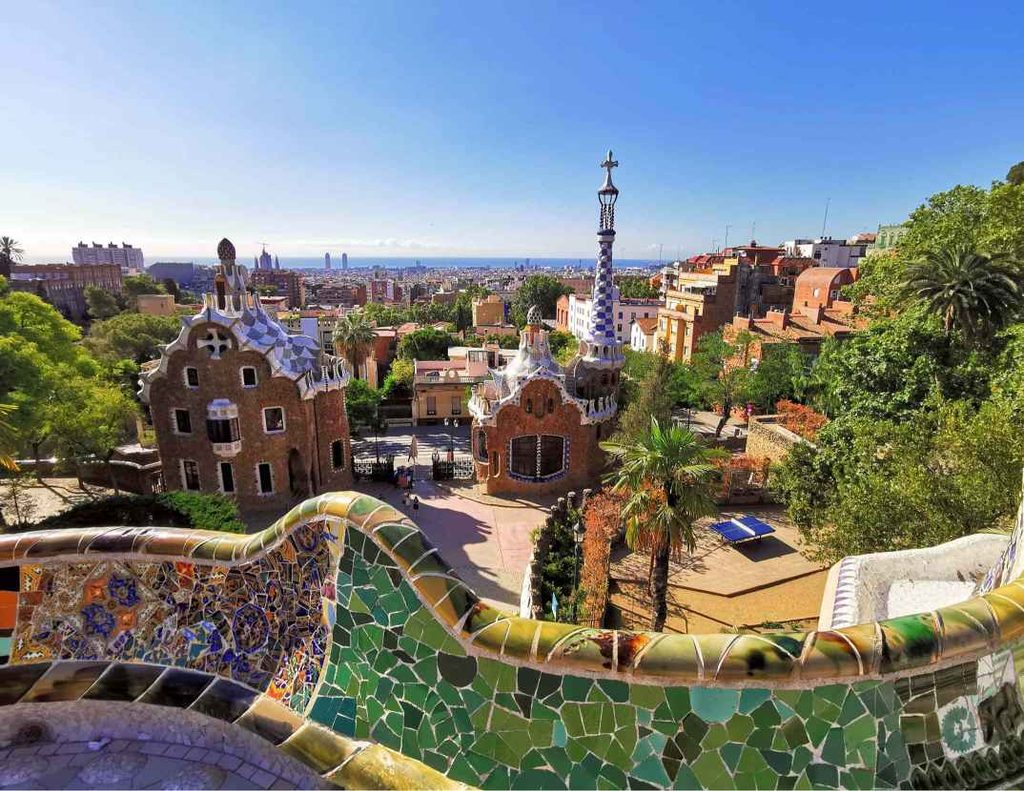
Originally intended as a luxury housing development (it failed), Park Güell is now one of Barcelona’s most beloved public spaces. The wavy mosaic benches, the gingerbread-house pavilions, and the iconic salamander fountain (El Drac) are pure Gaudí fantasy.
Practical Info:
- Tickets: The Monumental Zone requires a timed-entry ticket (around €10). The rest of the park is free.
- Getting There: Metro L3 to Vallcarca or Lesseps, then a walk uphill.
- Tip: Go early. The park gets packed, and the best photos happen before the tour groups arrive.
Casa Batlló & La Pedrera: Modernisme on Passeig de Gràcia
These two Gaudí buildings sit on the same elegant avenue, and you can easily visit both in one day.
Casa Batlló (Passeig de Gràcia, 43): Known as the “House of Bones” for its skeletal balconies, or the “House of the Dragon” for its dragon-back roof. The interior is a marine dreamscape with blue-tiled light wells and curving walls .
- Tickets: Adult €25, students/seniors €22 .
- Tip: Book online. The line without a ticket can stretch for an hour.
La Pedrera (Casa Milà) (Passeig de Gràcia, 92): Gaudí’s last civil building, with a wave-like stone facade and a rooftop of surreal chimney sculptures .
- Tickets: Around €25 for day entry; evening rooftop concerts are a special experience.
- Tip: Visit in the late afternoon for sunset views from the roof.
The Gothic Quarter (Barri Gòtic): Medieval Barcelona
This is the oldest part of the city, a labyrinth of narrow alleys, hidden plazas, and centuries of history. Highlights include:
- Barcelona Cathedral: A stunning Gothic structure with a serene cloister (home to 13 white geese) and rooftop views with gargoyles .
- Plaça Sant Jaume: The political heart of Catalonia, flanked by the Generalitat (regional government) and City Hall .
- El Call: The old Jewish Quarter, with the Major Synagogue (one of Europe’s oldest) .
- Plaça Felip Neri: A quiet, melancholic square with bullet-scarred walls from the Civil War .
- The Kiss Wall (El Petó): A mosaic wall in the Gothic Quarter that’s a popular photo spot .
Tip: Get lost. The Gothic Quarter rewards wandering. Duck into side streets, stop at a café in a plaza, and let the city surprise you.
La Boqueria Market: A Feast for the Senses
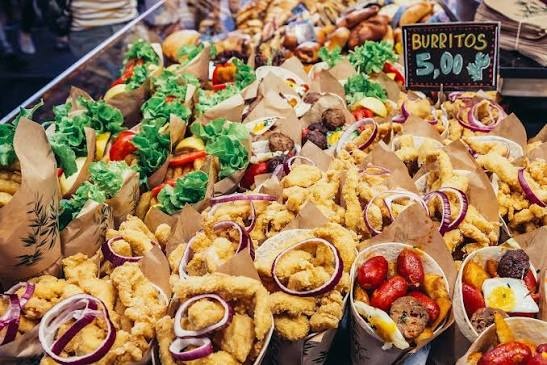
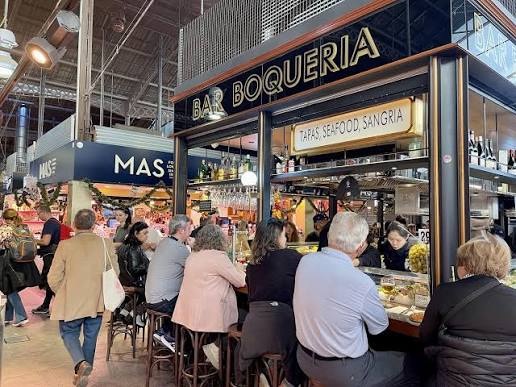
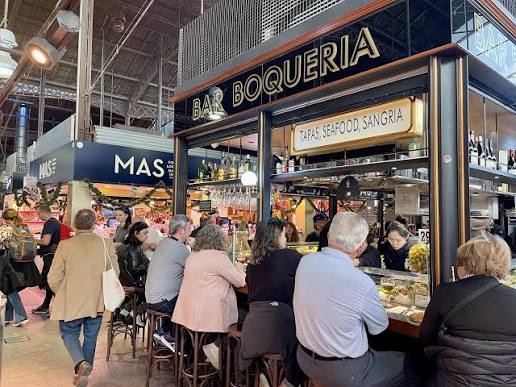
Just off La Rambla, Mercat de la Boqueria is Barcelona’s most famous market—and one of its most photogenic spots. Stalls overflow with colorful fruit juices, jamón ibérico, fresh seafood, olives, and tapas .
What to Eat:
- Iberian ham (jamón ibérico): Try a small cone or a hand-rolled sandwich.
- Fresh juices: Cheaper toward the back of the market (€2.5–4) .
- Tapas: Small plates of seafood, olives, and croquettes.
- Churros with chocolate: A classic Spanish treat.
Tip: It’s crowded. Go early (before 10 AM) or late afternoon. And remember: it’s a working market, so be respectful of vendors and locals shopping.
Barceloneta Beach & The Waterfront
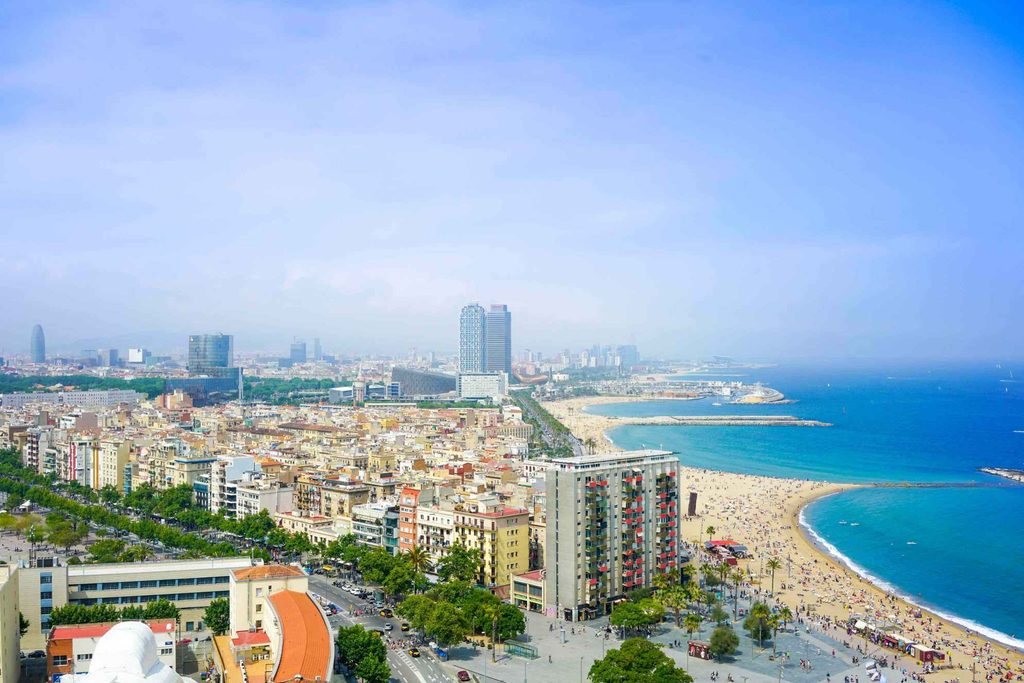
Barcelona’s city beach is Barceloneta, a 4.5-kilometer stretch of sand that gets packed in summer. It’s not the most pristine beach in Spain, but it’s right there, and there’s a vibrant scene of chiringuitos (beach bars), volleyball, and sunbathers.
Better Beach Options:
- Bogatell and Mar Bella: Slightly north, less crowded, more local.
- Day Trip to Sitges or Tossa de Mar: If you want truly beautiful beaches, head out of the city.
Montjuïc Hill: Museums, Gardens, and Views
Montjuïc is a hill overlooking the port, packed with attractions:
- Fundació Joan Miró: A museum dedicated to the Catalan surrealist.
- Museu Nacional d’Art de Catalunya (MNAC): Romanesque art and Catalan modernisme.
- The Magic Fountain: Evening light and music shows (check schedules).
- Poble Espanyol: A “village” of architectural replicas from across Spain.
Tip: Take the cable car from Barceloneta to Montjuïc for spectacular views.
Tibidabo: The Mountain with a Church and an Amusement Park
For the best panoramic view of Barcelona, head to Tibidabo, the highest point in the Collserola range. At the top: the Sagrat Cor church and a century-old amusement park with rides perched on the edge of the mountain. It’s surreal, romantic, and unforgettable.
Getting There: Take the FGC train from Plaça Catalunya to Avinguda Tibidabo, then the Tramvia Blau (historic tram) or bus.
🎎 Culture: Catalan Pride, Festivals, and the Art of Living
Barcelona’s culture is Catalan first, Spanish second. The city has its own language (Catalan), its own flag, and its own fierce sense of identity. You’ll see it everywhere—in street signs, in the food, in the way people greet each other.
Festivals Worth Planning Around:
- La Mercè (September): Barcelona’s biggest festival, with human towers (castells), fire runs (correfocs), and music everywhere.
- Sant Jordi (April 23): Catalonia’s “Valentine’s Day,” where lovers exchange books and roses. The streets fill with book stalls and flower vendors .
- Santa Eulàlia (February): The city’s winter festival, with gegants (giant puppets), sardanes (traditional dance), and family activities .
- Sónar (June): A world-renowned electronic music and technology festival .
- Grec Festival (Summer): Theatre, dance, and music at the Teatre Grec on Montjuïc .
Cultural Do’s and Don’ts:
- Do learn a few words of Catalan: “Bon dia” (good morning), “Gràcies” (thank you). It’s appreciated.
- Don’t assume everyone speaks Spanish. Many locals speak Catalan first.
- Do embrace late dinners. Spaniards eat around 9–10 PM. Restaurants before 8 PM are for tourists.
- Don’t wear swimwear away from the beach. It’s considered disrespectful in the city.
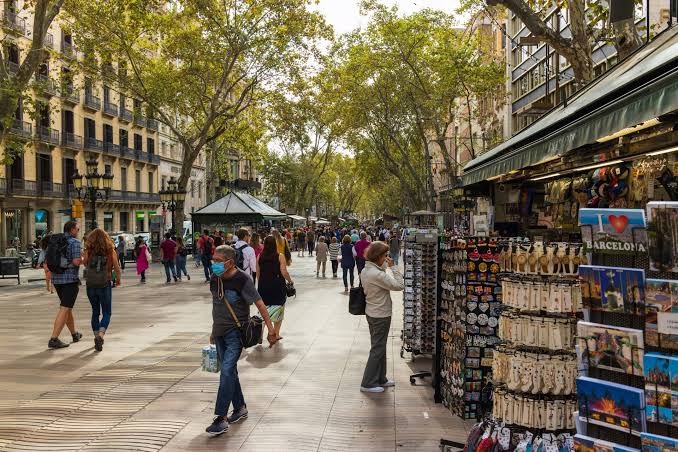
- Do watch your belongings in crowded areas like La Rambla and the Metro. Pickpocketing is a real issue.
🚗 How to Reach Barcelona
By Air:
Josep Tarradellas Barcelona-El Prat Airport (BCN) is the main gateway, about 12 km southwest of the city center. It has two terminals: T1 and T2 .
Airport to City Center:
- Aerobús: Express bus to Plaça Catalunya, every 5–10 minutes, €7.45, not included in the integrated transport network .
- Train (R2 Nord): From T2 to Barcelona Sants, Passeig de Gràcia, and El Clot-Aragó, every 30 minutes .
- Metro (L9 Sud): Stops at both terminals, connects to the rest of the Metro network .
- Taxi: About €35–40 to the city center, depending on traffic.
By Train:
Barcelona Sants is the main train station, with high-speed AVE connections to Madrid, Valencia, and other Spanish cities, plus international connections to France.
Getting Around the City:
- Metro: Extensive, efficient, and affordable. A single ticket is €2.55; a T-casual (10 rides) is better value.
- Walking: Barcelona is very walkable, especially the old city and Eixample. Many attractions are close together.
- Bicing: The bike-sharing system is for locals, but rental bikes are available for tourists.
🏄 What to Do: Beyond the Bucket List
- Eat a Menu del Dia: The “menu of the day” is a three-course lunch (starter, main, dessert, plus drink) for €12–20. It’s the best value in the city and what locals actually eat.
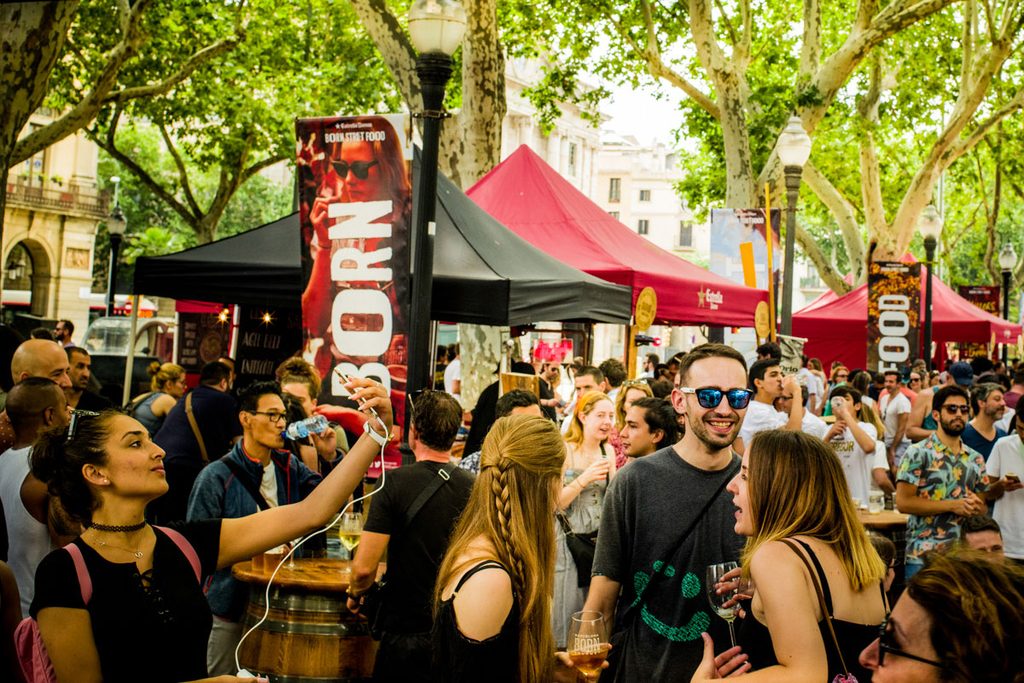
- Tapas Crawl in El Born: The Born district is packed with tapas bars and vermut bars. Hop from one to the next, ordering a small plate and a drink at each.
- Watch the Sunset from Bunkers del Carmel: A former Civil War anti-aircraft bunker, now the best free viewpoint in Barcelona. Bring a picnic and a bottle of cava.
- Explore Gràcia: A village-like neighborhood with plazas full of locals, independent boutiques, and a relaxed vibe. Perfect for an afternoon wander.
- Visit the Picasso Museum: Housed in five medieval palaces, it traces Picasso’s relationship with Barcelona. Book ahead.
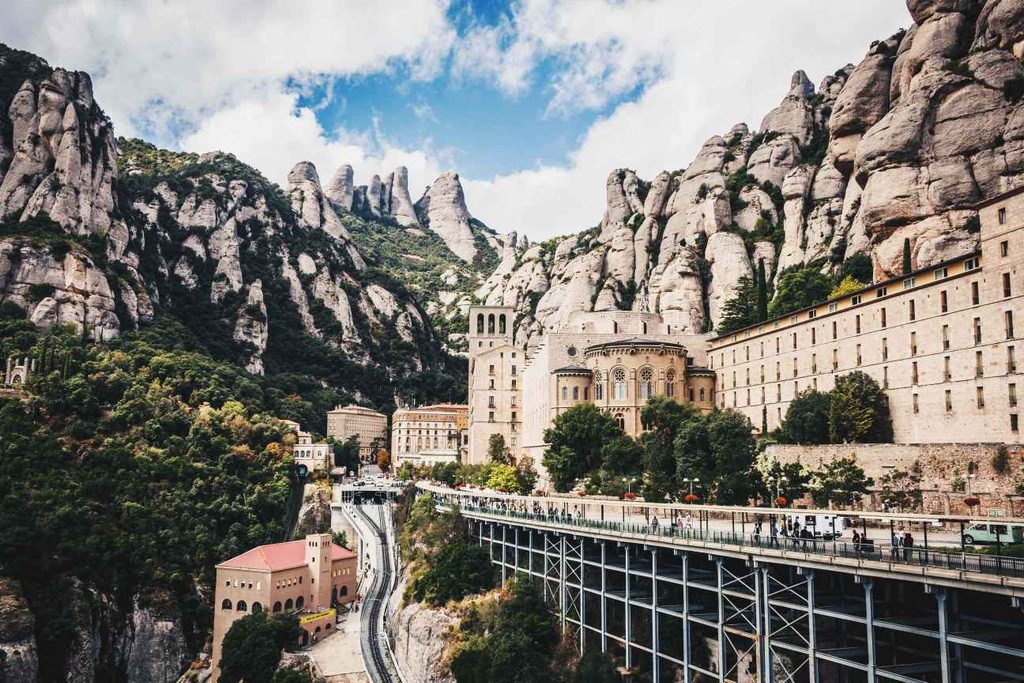
- Day Trip to Montserrat: A mountain monastery an hour from Barcelona, with stunning rock formations and a famous Black Madonna. Easy by train and cable car.
- Day Trip to Sitges or Tossa de Mar: Sitges is a beach town with a vibrant LGBTQ+ scene; Tossa de Mar has a stunning medieval walled old town and was a filming location for Blue Ocean .
🍛 Local Foods: A Culinary Journey Through Catalonia
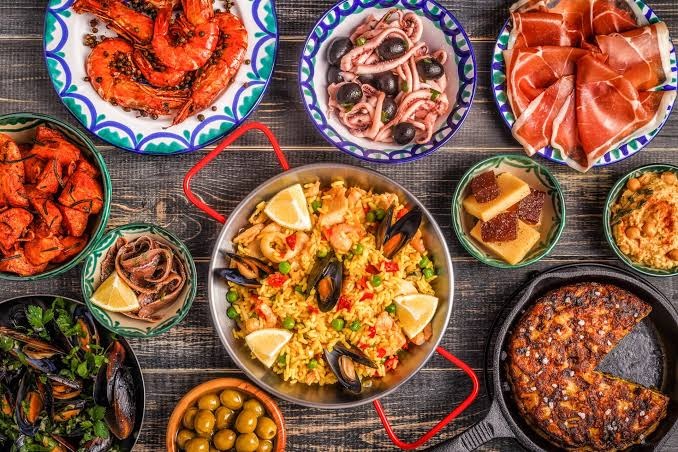
Catalan cuisine is Mediterranean at its best: fresh seafood, olive oil, tomatoes, garlic, and a deep respect for tradition. Forget what you think you know about “Spanish food”—Catalonia has its own classics.
Must-Try Dishes:
Pa amb Tomàquet: The foundation of every Catalan meal. Crusty bread rubbed with ripe tomato, drizzled with olive oil, and sprinkled with salt. Simple, perfect, and everywhere .
Bomba: Invented in Barceloneta, this is a mashed potato and meat ball, breaded and deep-fried, served with aioli and spicy tomato sauce. Rich, crispy, and addictive .
Fideuà: A paella made with noodles instead of rice, cooked in the same pan and served with the same seafood. Locals often prefer it to paella .
Esqueixada: A refreshing Catalan salad of shredded salt cod (bacalao), tomatoes, onions, olives, and romesco sauce. Perfect for summer .
Calçots: A cross between a spring onion and a leek, grilled over open fire and dipped in romesco sauce. Eaten in winter and early spring, often at calçotades (barbecue parties) .
Escalivada: Grilled aubergines, red peppers, and onions, served on toasted bread with olive oil and garlic .
Where to Eat:
- Cal Pep (Plaça de les Olles, 8): A legendary tapas bar in El Born. No-frills, counter seating, and arguably the best Spanish tortilla in Barcelona .
- Casa Amàlia (Ptge. del Mercat, 14): A refined but traditional Catalan restaurant near Mercat de la Concepció. Market-led classics done with confidence .
- El Xampanyet: A historic cava bar in El Born, packed with locals. Order anchovies, montaditos, and a glass of their house cava .
- Tapas24: Chef Carles Abellán’s spot for classic and innovative tapas, from salt cod fritters to grilled shrimp .
- Santa Magdalena: Chef José Andrés recommends this spot for incredible classic and rustic Catalan food—croquetas, ensaladilla, and fricandó (beef and mushroom stew) .
Drinks:
- Vermut: The pre-lunch drink of choice. Red vermouth with olives and a slice of orange.
- Cava: Catalan sparkling wine. Drink it like locals do—with tapas.
- Sangria: Yes, it’s touristy, but a good one is still delicious.
- Horchata: A sweet, milky drink made from tiger nuts. Refreshing in summer.
🛍️ Shopping: Souvenirs with Soul
What to Buy:
- Gaudí-inspired souvenirs: Mosaics, ceramics, and prints. Buy from official museum shops (Sagrada Família, Casa Batlló) for quality .
- Catalan ceramics: Handmade plates, tiles, and bowls. Carrer dels Banys Nous has good ceramic shops .
- FC Barcelona merchandise: The Camp Nou flagship store has the widest selection .
- Caganer: The “pooping figurine” is a beloved Catalan Christmas tradition—a whimsical souvenir that symbolizes equality and fertility .
- Food souvenirs: Jamón ibérico, olive oil, cava, turrón (nougat), and papas bravas chips.
Where to Shop:
- La Rambla: Tourist-heavy but convenient for souvenirs .
- Passeig de Gràcia: High-end fashion and Gaudí museum shops.
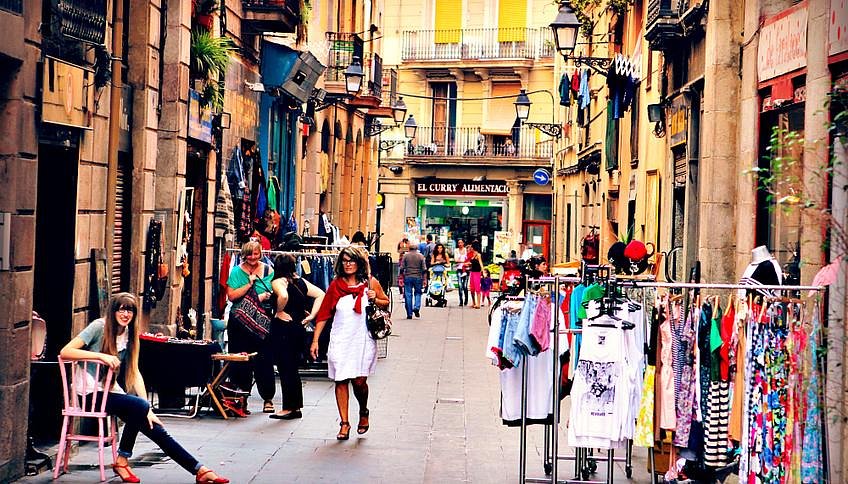
- El Born: Independent boutiques, artisan crafts, and design shops.
- Gràcia: Local boutiques and vintage stores .
🎒 Things to Pack: Your Barcelona Survival Kit
- Comfortable walking shoes: You will walk a lot. Cobblestones, long boulevards, and Gaudí’s stairs demand sturdy footwear.
- Reusable water bottle: Barcelona has public drinking fountains everywhere. Stay hydrated for free.
- Sun protection: Hat, sunglasses, and high-SPF sunscreen. The Mediterranean sun is strong.
- Light layers: Evenings can be cool, even in summer.
- A scarf or wrap: Useful for visiting churches (shoulders covered) and for cool evenings.
- Anti-theft bag: A crossbody bag with zippers is your friend in crowded areas.
- Power adapter: Spain uses Type C/F plugs (European standard).
💰 Average Budget: What Barcelona Actually Costs (2026)
Barcelona is not cheap, but it’s manageable with planning. Here’s a realistic breakdown.
Daily Budget by Travel Style:
| Style | Daily Cost (per person) | What It Covers |
|---|---|---|
| Budget | €60–90 | Hostel dorm, supermarket meals + one cheap lunch, Metro, free attractions |
| Mid-Range | €120–200 | 3-star hotel or Airbnb, restaurant meals, a few paid attractions, transport |
| Luxury | €300+ | 4–5 star hotel, fine dining, private tours, taxis |
Specific Costs (2026):
- Sagrada Família: €17–32
- Casa Batlló: €25
- Park Güell (Monumental Zone): ~€10
- Menu del Dia (lunch): €12–20
- Tapas dinner: €25–40
- Metro single ticket: €2.55
- Aerobús (airport bus): €7.45
- Beer at a bar: €3–5
- Coffee: €1.50–2.50
The Tourist Tax (Important!):
From April 2026, Barcelona’s tourist tax doubled, and the city surcharge increased . Here’s what you’ll pay per person, per night:
| Accommodation Type | Total Tax (2026) |
|---|---|
| 5-star hotel | €12 |
| 4-star hotel | €8.40 |
| Holiday rental (HUT) | €9.50 |
| Other establishments | €7 |
| Cruise (12+ hours) | €9 |
The Barcelona Surcharge will increase by €1 per year until 2029 . Factor this into your budget—it adds up over a multi-night stay.
Money-Saving Tips:
- Eat the Menu del Dia. It’s the best value in the city.
- Book attractions online in advance. You’ll often get a small discount and skip lines.
- Use the Metro. A T-casual (10 rides, ~€12) is cheaper than single tickets.
- Drink at vermuterias, not tourist bars. Local vermut is cheap and delicious.
- Visit free museums on Sundays. Many Barcelona museums are free on the first Sunday of the month or Sunday afternoons.
🏁 Conclusion: The City That Stays With You
Barcelona is a city of extremes: ancient and modern, crowded and intimate, chaotic and serene. It’s a place where you can spend your morning marveling at Gaudí’s genius, your afternoon eating jamón and drinking cava in a medieval plaza, and your evening watching the sunset from a Civil War bunker with the whole city spread out below you.
It’s also a city that asks something of you. It asks you to plan ahead (those Sagrada Família tickets won’t book themselves), to look beyond La Rambla, and to respect the locals who call this beautiful, complicated place home.
But if you do it right—if you wander the Gothic Quarter without a map, if you eat where the locals eat, if you let the city surprise you—Barcelona will reward you in ways you didn’t expect.
Visca Barcelona!
Have you been to Barcelona? What’s your favorite hidden corner or unforgettable meal? Drop a comment below! 👇
❓ FAQ: Barcelona Quick Answers
1. Is Barcelona safe?
Generally yes, but pickpocketing is a real problem, especially on La Rambla, the Metro, and crowded tourist areas. Keep your bag zipped and in front of you. Avoid walking alone in El Raval late at night.
2. Do I need a visa for Spain?
If you’re from the US, UK, Canada, Australia, or EU, no visa is needed for stays up to 90 days. Other nationalities should check Schengen requirements.
3. What’s the best time to visit?
May, June, and September offer great weather and manageable crowds. July–August is hot and packed. Winter is mild, cheaper, and quieter.
4. Do I need to book Sagrada Família in advance?
Absolutely. Book online weeks in advance, especially in peak season. Walk-up tickets often sell out by mid-morning .
5. Is English widely spoken?
In tourist areas, yes. But learning a few words of Catalan or Spanish goes a long way and is appreciated.
6. What’s the tourist tax?
A mandatory per-night tax charged by your accommodation. In 2026, it ranges from €7 to €12 per night depending on the establishment type .
7. Can I drink tap water?
Yes. Barcelona’s tap water is safe to drink, though some find it tastes minerally. Bottled water is widely available.
8. What should I wear?
Casual, comfortable clothing. Comfortable shoes are essential. Avoid swimwear away from the beach. Cover shoulders if visiting churches.
9. Is Barcelona expensive?
It’s mid-to-upper range. Budget travelers can manage on €60–90/day, mid-range €120–200/day. Food and accommodation are the biggest costs.
10. How do I get from the airport to the city?
Aerobús (€7.45, 35 min to Plaça Catalunya), Train R2 Nord (from T2, cheap, connects to Metro), or Taxi (~€35–40) .
11. What’s the best neighborhood to stay in?
- Eixample: Central, elegant, close to Gaudí sites.
- Gothic Quarter: Historic, atmospheric, but noisy.
- El Born: Trendy, great food, nightlife.
- Gràcia: Local vibe, quieter, village-like.
12. Can I visit Barcelona on a budget?
Yes. Stay in hostels, eat menu del dia, use the Metro, visit free attractions (beaches, parks, Gothic Quarter), and book tickets online for discounts.