Discover the Beauty of Spain
Spain is one of Europe’s most captivating travel destinations, known for its historic cities, Mediterranean beaches, impressive architecture, delicious cuisine, lively festivals, and diverse landscapes. From the artistic streets of Barcelona and the grand boulevards of Madrid to the sun-drenched beaches of Andalusia and the green countryside of northern Spain, the country offers something for almost every type of traveller.
Located in southwestern Europe, Spain occupies most of the Iberian Peninsula and also includes the Balearic Islands in the Mediterranean Sea and the Canary Islands in the Atlantic Ocean. Each region has its own traditions, landscapes, culinary specialities, and architectural character, making Spain a rewarding destination for repeat visits.
History lovers can explore Roman ruins, medieval castles, Gothic cathedrals, and Moorish palaces. Food enthusiasts can enjoy tapas, paella, fresh seafood, regional cheeses, and traditional desserts. Beach lovers can relax along the Mediterranean coast, while outdoor enthusiasts can hike in the Pyrenees, explore national parks, or walk historic pilgrimage routes.
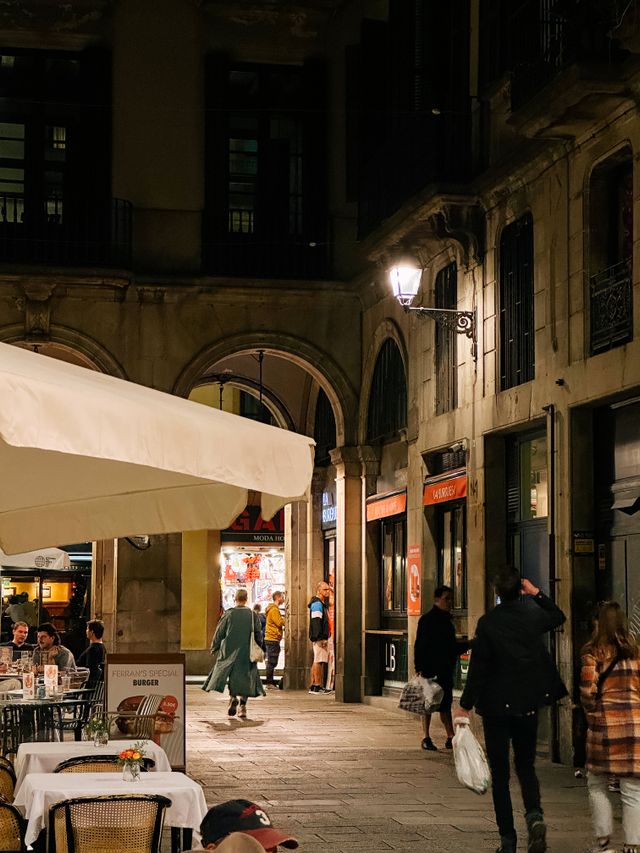
Spain also has a vibrant contemporary lifestyle. Outdoor cafés, lively plazas, late-night dining, football culture, art galleries, and neighbourhood markets are part of everyday life in many cities.
Whether you are planning a romantic getaway, a family holiday, a cultural tour, or a longer European adventure, this Spain travel guide will help you discover the country’s main attractions, traditions, food, transportation options, and travel costs.
History and Geography of Spain
A Brief History of Spain
Spain’s history stretches back thousands of years. Early communities left prehistoric cave paintings, including the famous artwork at Altamira. Later, Iberian and Celtic peoples settled across the peninsula before Greek and Phoenician traders established coastal settlements.
The Romans conquered much of the region and developed roads, cities, bridges, theatres, and aqueducts. Roman heritage remains visible today in places such as Mérida, Segovia, and Tarragona.
From the early eighth century, Muslim rulers governed large parts of the Iberian Peninsula. This period, often associated with Al-Andalus, left a remarkable architectural and intellectual legacy. The Alhambra in Granada, the Great Mosque of Córdoba, and the Alcázar of Seville are among the best-known examples.
Christian kingdoms gradually expanded their territories over several centuries. The marriage of Isabella I of Castile and Ferdinand II of Aragon in 1469 strengthened the union of two major kingdoms. In 1492, Granada came under Christian rule, marking the end of the last Muslim-ruled kingdom on the peninsula.
During the following centuries, Spain became a major global power with overseas territories in the Americas, Asia, and other parts of the world. This period brought immense wealth and influence, alongside conquest, colonial exploitation, and profound changes in the societies involved.
Spain later experienced political instability, the Spanish Civil War from 1936 to 1939, and the dictatorship of Francisco Franco. After Franco’s death in 1975, the country transitioned to democracy. Spain adopted its current democratic constitutional framework in 1978 and joined the European Communities in 1986.
Today, Spain is a parliamentary constitutional monarchy and a member of the European Union. Its layered history is reflected in its cities, monuments, languages, traditions, and regional identities.
Geography and Location
Spain shares the Iberian Peninsula with Portugal and borders France and Andorra to the northeast. The Mediterranean Sea lies to the east and southeast, while the Atlantic Ocean borders its western and northwestern coasts.
Its landscape is remarkably varied, including:
- Mountain ranges such as the Pyrenees and Sierra Nevada.
- The broad central plateau known as the Meseta.
- Fertile agricultural valleys and olive-growing regions.
- Mediterranean beaches and rocky coves.
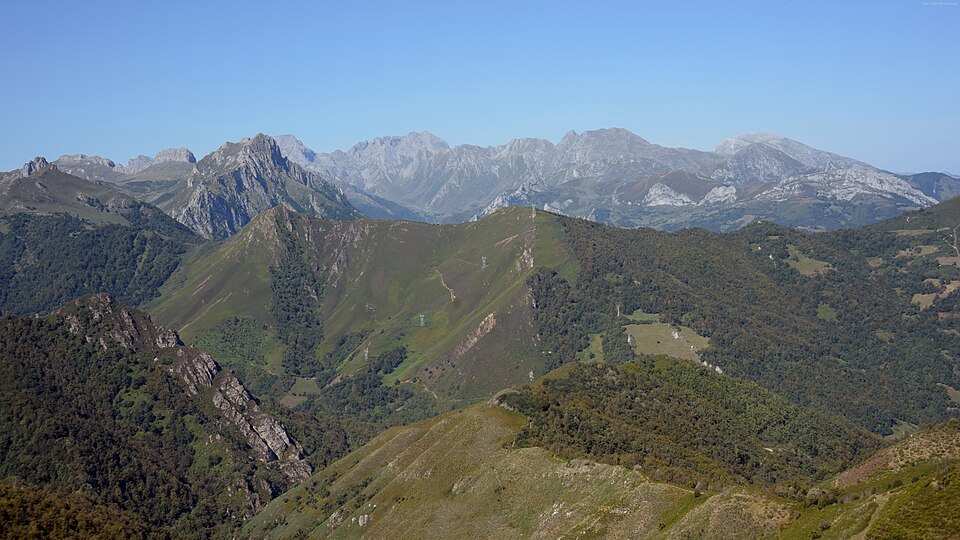
- Green hills, forests, and rugged Atlantic coastlines in the north.
- Volcanic landscapes in the Canary Islands.
Spain’s capital, Madrid, lies near the centre of the country. Other important cities include Barcelona, Valencia, Seville, Málaga, Bilbao, Granada, and Santiago de Compostela.
Climate and Natural Environment
Spain has several climate zones. Mediterranean areas generally have hot, dry summers and mild winters. Inland regions can experience very hot summers and colder winters. Northern Spain is usually greener and wetter, while the Canary Islands enjoy relatively mild temperatures throughout the year.
These differences allow visitors to enjoy beaches, mountain activities, countryside escapes, and city sightseeing in different seasons.
How Many Tourists Visit Spain Each Year?
Spain is one of the world’s leading international tourism destinations. According to Spain’s National Statistics Institute, the country received approximately 96.8 million international tourists in 2025, an increase of 3.2% compared with 2024. This was a record annual total in the official series at the time of publication.
Visitors come from countries around the world, with the United Kingdom, France, and Germany among the leading source markets. Tourism supports hotels, restaurants, transport services, cultural attractions, retail businesses, and many local communities.
Why Is Spain So Popular?
Spain’s popularity comes from its combination of attractions:
- Historic cities: Madrid, Barcelona, Seville, Granada, and Córdoba offer architecture, museums, and cultural experiences.
- Beautiful beaches: The Costa del Sol, Costa Brava, Balearic Islands, and Canary Islands attract beach lovers.
- Food and wine: Regional dishes and culinary traditions make the country appealing to food enthusiasts.
- Culture and festivals: Flamenco, local fiestas, religious processions, and regional celebrations provide distinctive experiences.
- Outdoor adventures: Visitors can hike, cycle, ski, sail, and explore national parks.
- Transport connections: Extensive rail, road, and air networks make many destinations accessible.
Peak and Off-Peak Seasons
Summer, especially July and August, is particularly busy in coastal resorts and popular cities. Easter week and major local festivals can also bring large crowds.
Spring and autumn often offer a pleasant balance of comfortable weather and sightseeing opportunities. Winter is a good time for museums, city breaks, skiing in selected mountain areas, and visiting the Canary Islands.
Tourism levels differ by region, so a quieter destination can sometimes provide a more relaxed experience even during a busy national holiday period.
Main Attractions in Spain
Spain offers a huge variety of attractions, from world-famous monuments to quiet villages and scenic natural areas. The following destinations are excellent starting points for a first visit.
Madrid
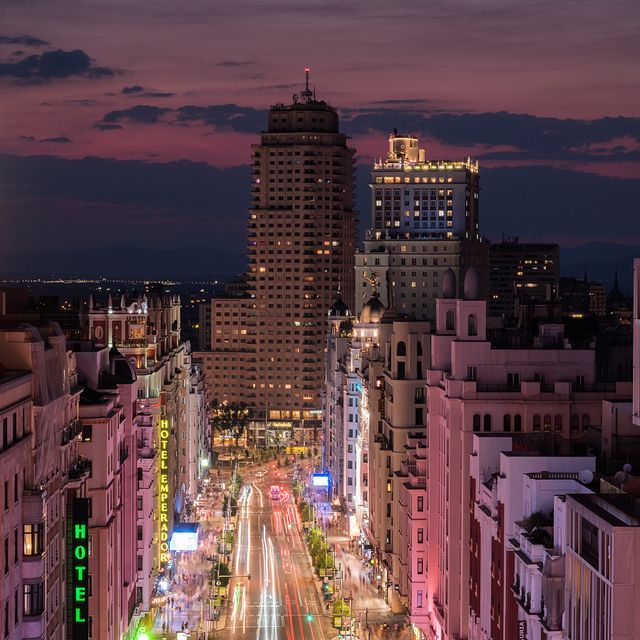
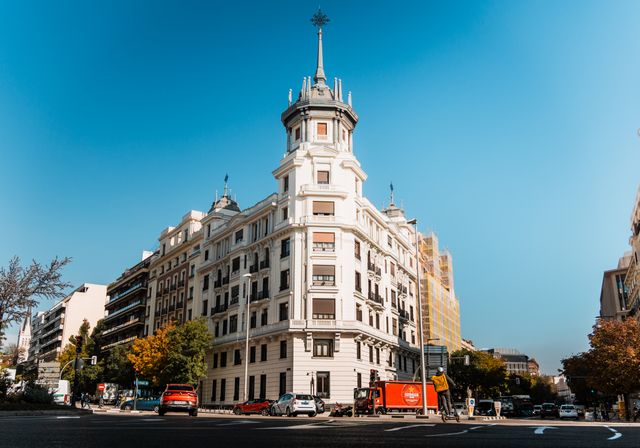
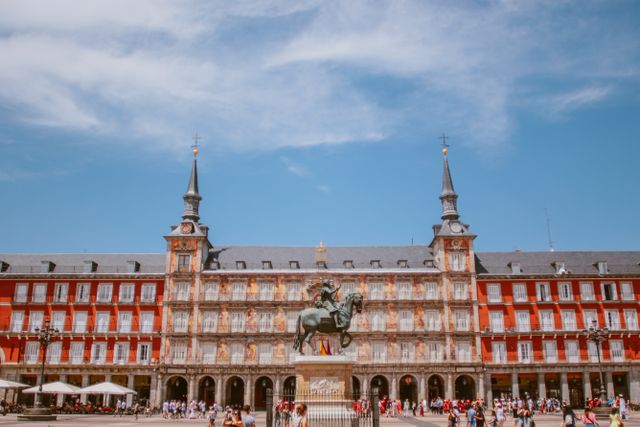
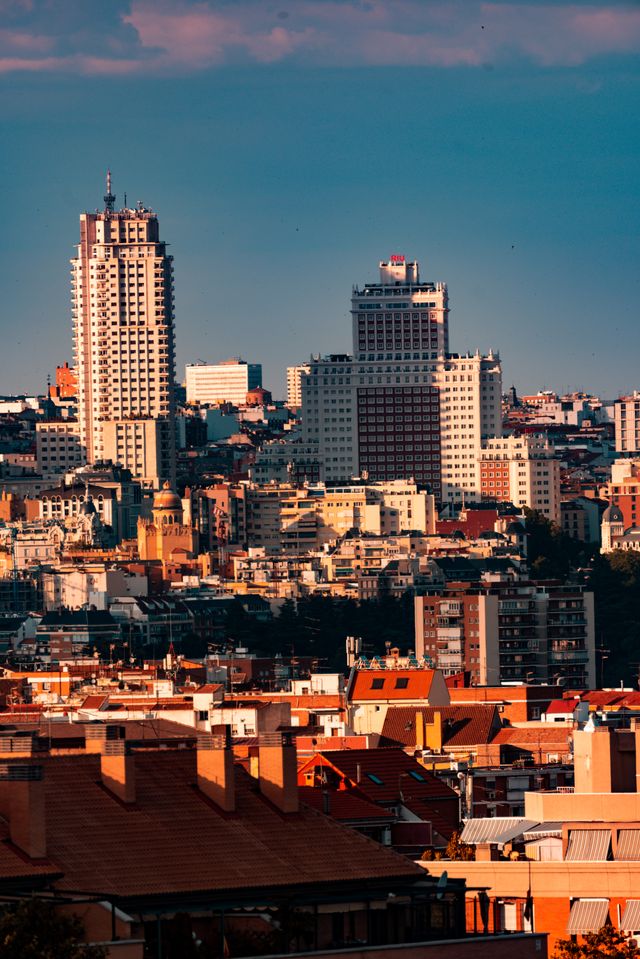
Madrid, the Spanish capital, combines royal history, world-class art, attractive public squares, and a lively dining scene.
Top attractions:
- Royal Palace of Madrid: A magnificent royal residence with grand rooms and historic collections.
- Prado Museum: Home to important works by Spanish and European masters.
- Reina Sofía Museum: Famous for modern art, including Picasso’s Guernica.
- Plaza Mayor: A historic square surrounded by traditional architecture and cafés.
- Retiro Park: A green urban escape with gardens, walking paths, and a boating lake.
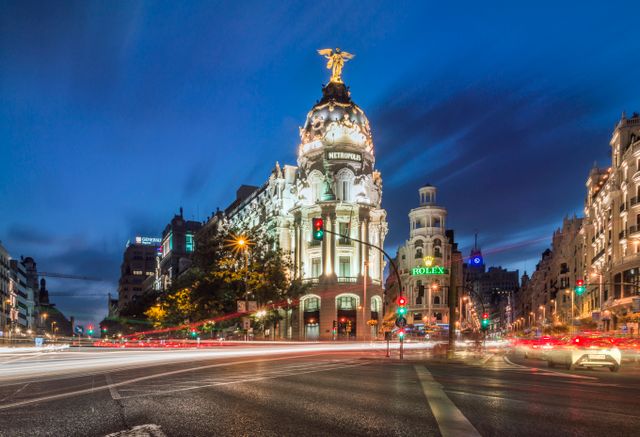
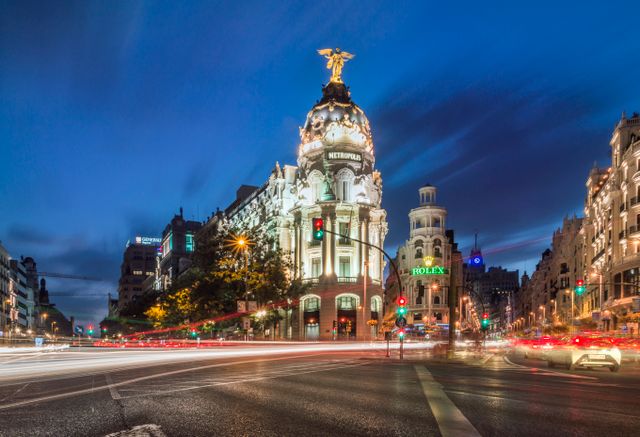
- Gran Vía: A busy avenue known for shopping, theatres, and city life.
Madrid is also an excellent base for day trips to Toledo, Segovia, and other historic towns.
Barcelona
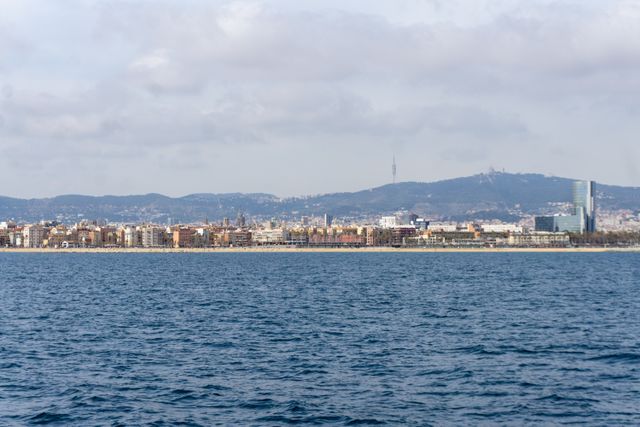
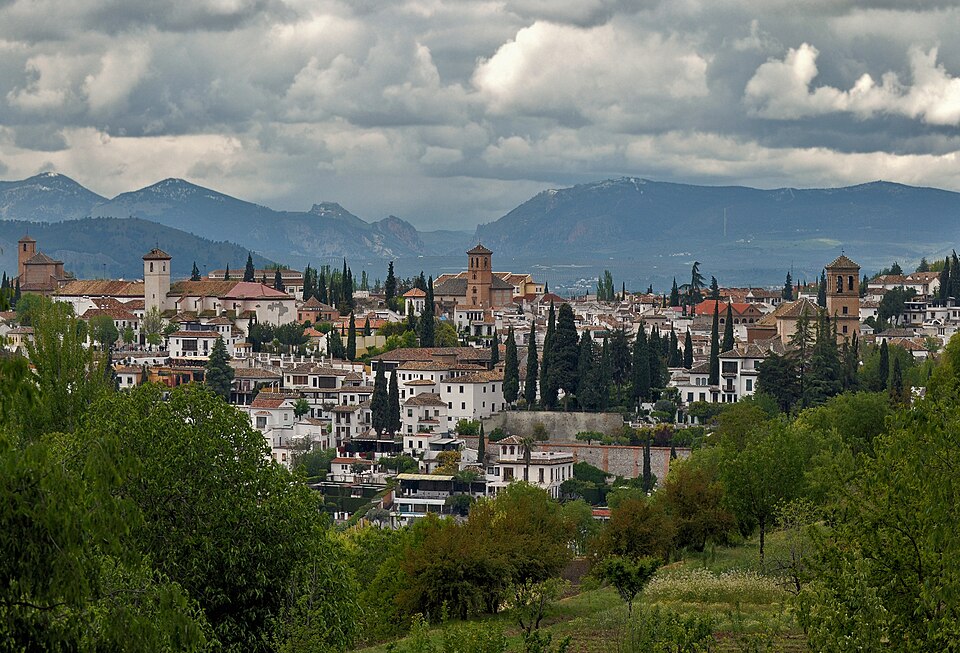
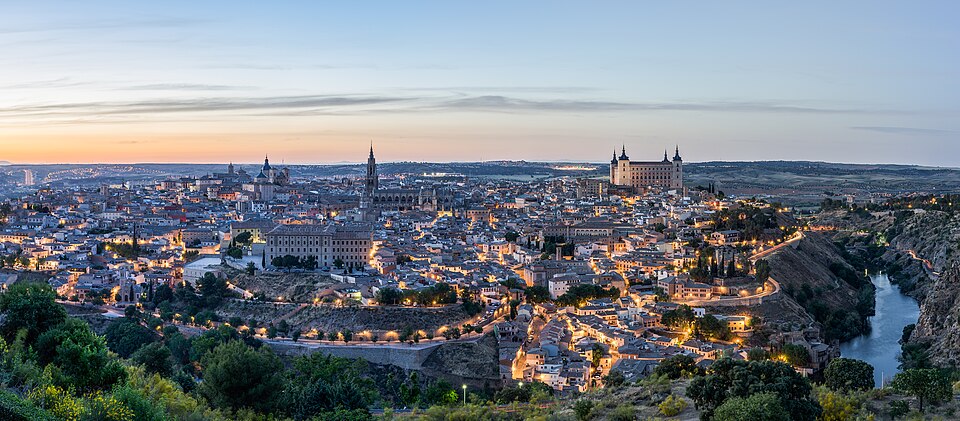
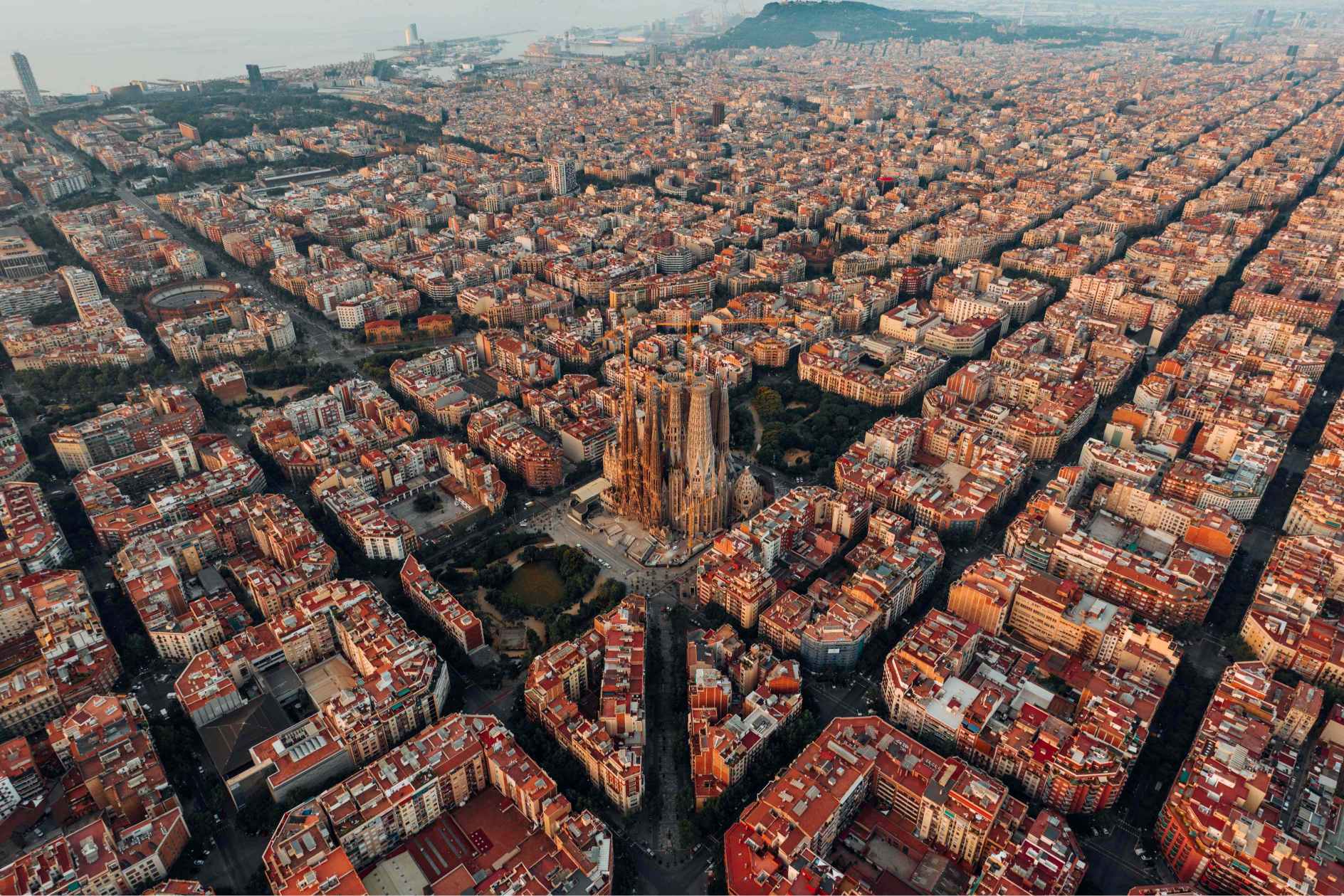
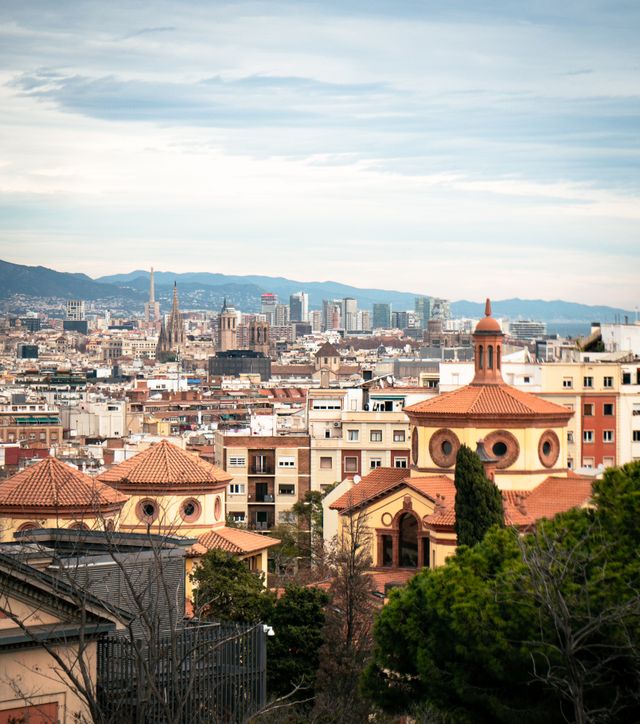
Barcelona is one of Spain’s most recognisable cities. It is celebrated for Catalan culture, modernist architecture, beaches, creative neighbourhoods, and a lively food scene.
Top attractions:
- Sagrada Família: Antoni Gaudí’s extraordinary basilica, still under construction.
- Park Güell: A colourful park featuring imaginative architecture and city views.
- Casa Batlló: A distinctive modernist building known for its unusual design.
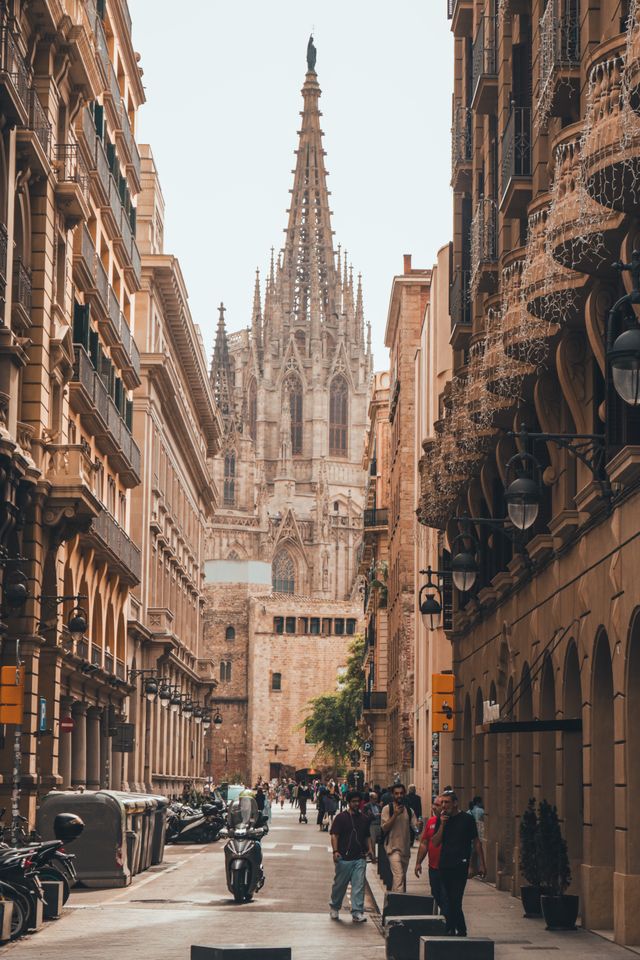
- Gothic Quarter: A maze of historic lanes, squares, and medieval architecture.
- La Rambla: A well-known pedestrian boulevard close to markets and cultural attractions.
- Barceloneta Beach: A popular place for a seaside walk or a relaxing break.
Barcelona can be busy, particularly around its major landmarks. Booking timed-entry tickets in advance can help visitors avoid disappointment.
Seville
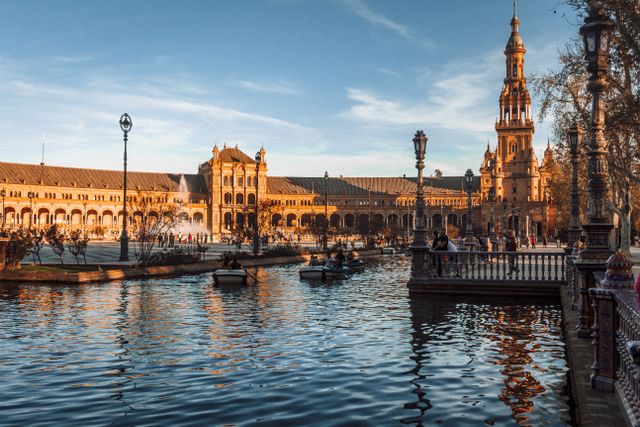
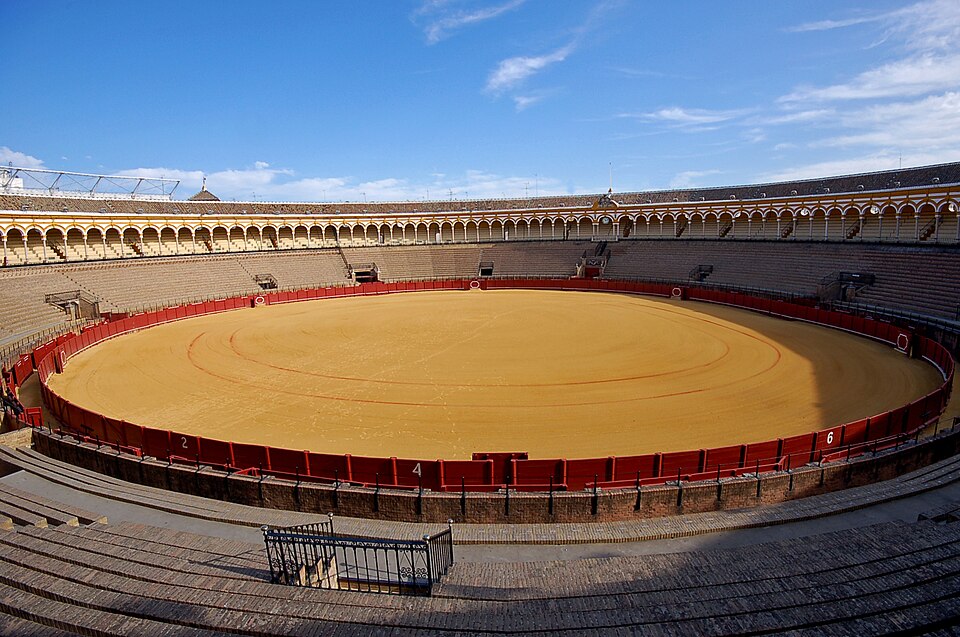
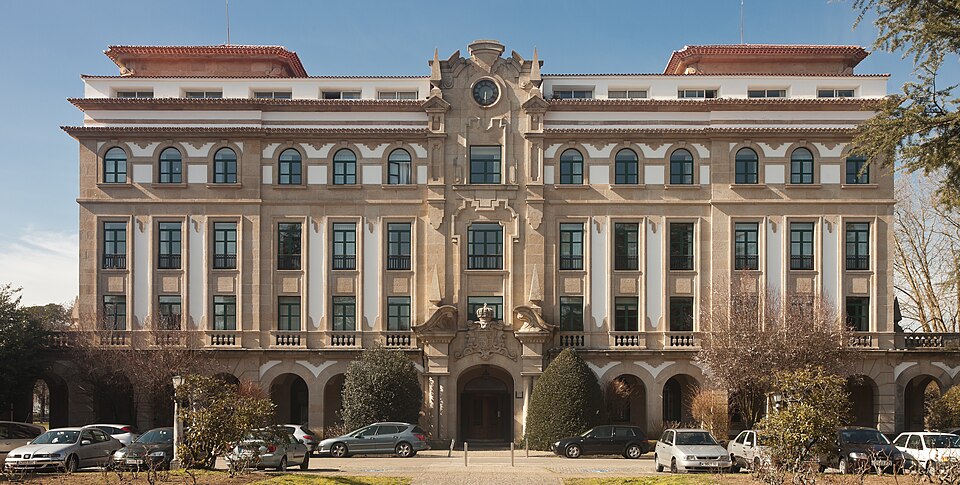
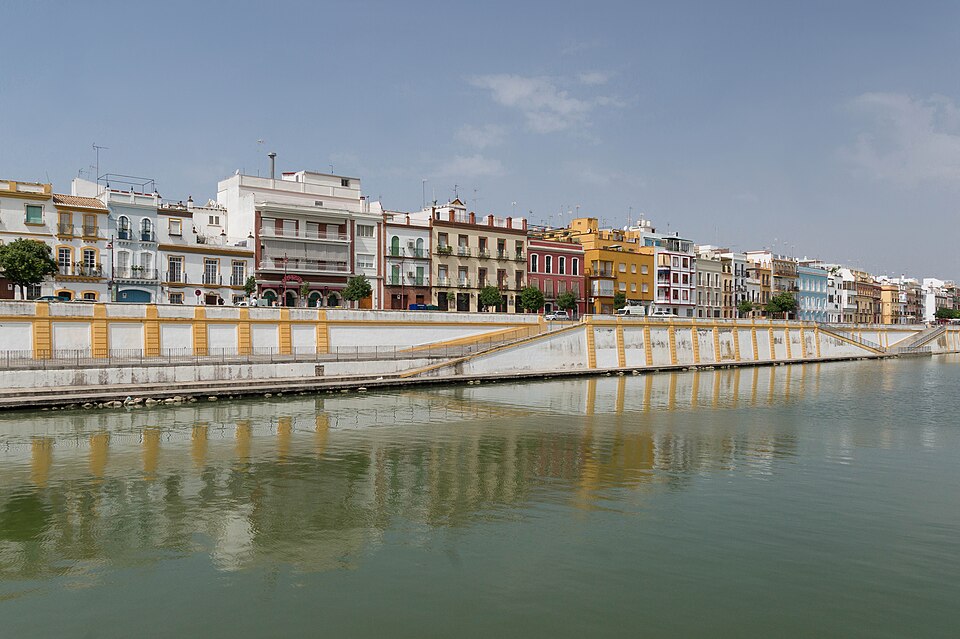
Seville, the capital of Andalusia, is known for its Moorish heritage, traditional courtyards, orange trees, flamenco culture, and beautiful historic streets.
Visit the Real Alcázar, a royal palace complex with intricate decoration and gardens. The Seville Cathedral and its Giralda tower are major architectural landmarks. The impressive Plaza de España is another highlight, with tiled bridges and a semicircular building overlooking a canal.
Seville is particularly attractive in spring, when the weather is generally pleasant and the city hosts major celebrations. Summer afternoons, however, can become extremely hot.
Granada and the Alhambra
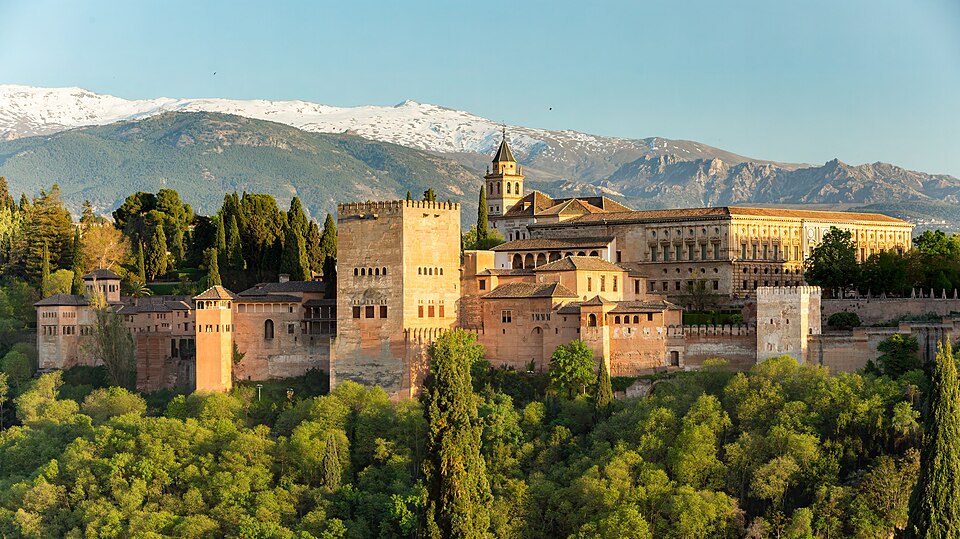
Granada is one of Spain’s most memorable historic cities. Its greatest attraction is the Alhambra, a palace and fortress complex associated with the Nasrid dynasty.
The Alhambra is admired for its decorative plasterwork, geometric patterns, courtyards, fountains, and gardens. The Generalife gardens offer peaceful pathways and beautiful views.
Visitors should also explore the Albaicín, a historic neighbourhood of narrow streets and traditional houses. The Mirador de San Nicolás is a famous viewpoint overlooking the Alhambra.
Because admission to the Alhambra can sell out, it is wise to reserve tickets well in advance.
Valencia
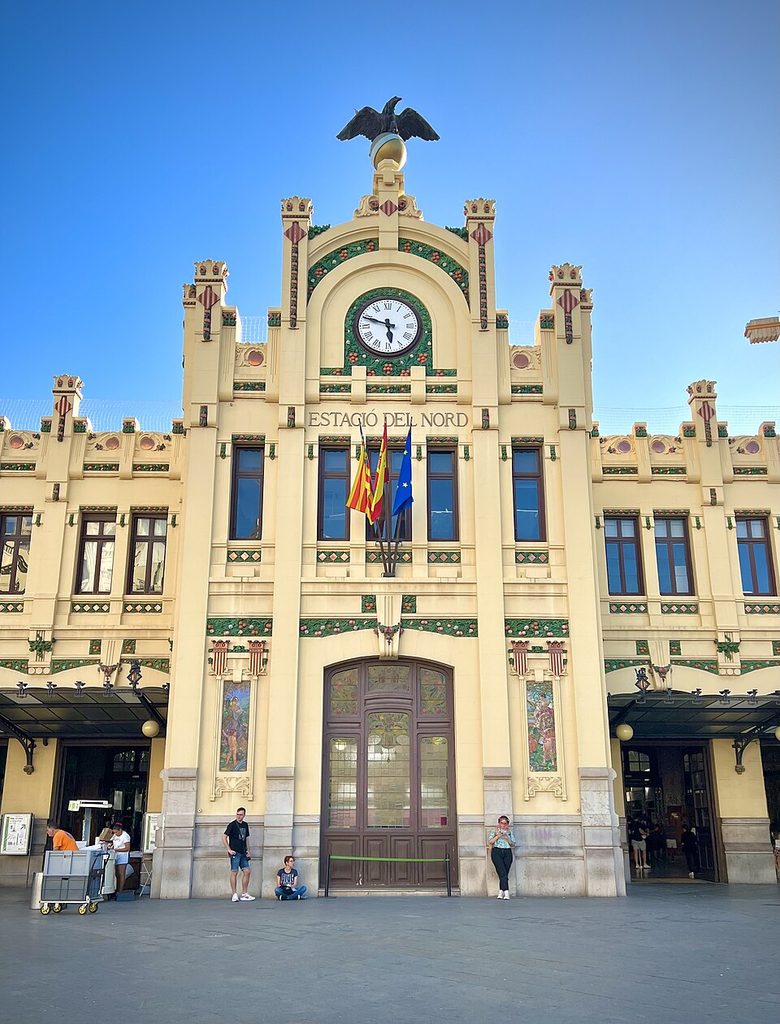
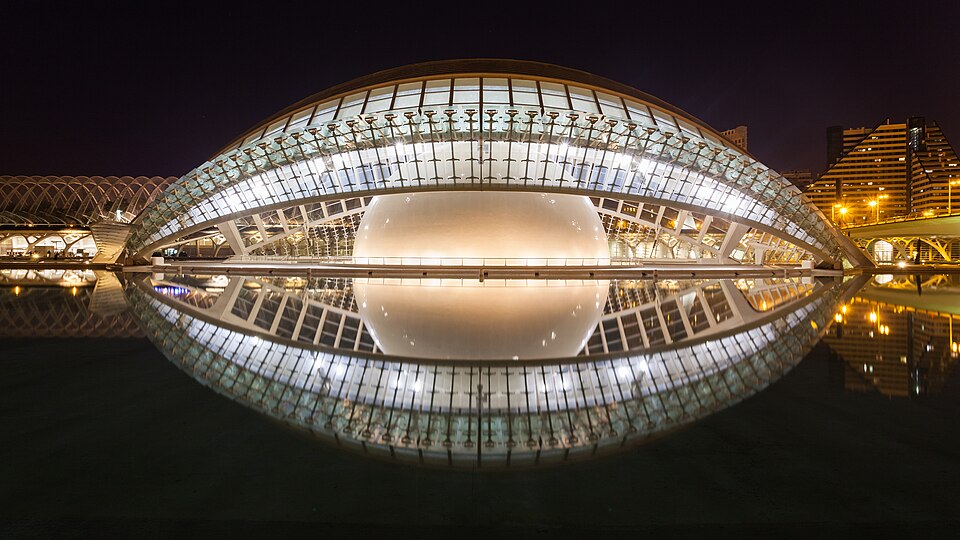
Valencia blends historic streets with modern architecture and a relaxed Mediterranean atmosphere.
The City of Arts and Sciences is a striking architectural complex featuring cultural and scientific attractions. The historic centre includes Valencia Cathedral, traditional squares, and the Mercado Central, a popular market for local produce.
Valencia is also closely associated with paella. The nearby Albufera Natural Park, known for its lagoon and wetlands, offers a scenic escape from the city.
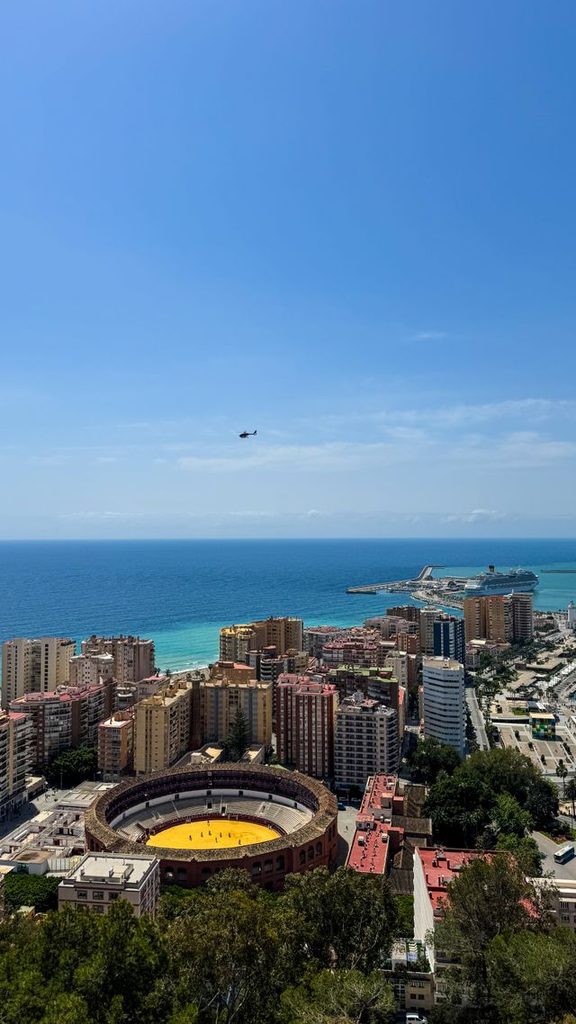
Málaga is a coastal city with beaches, museums, historic monuments, and easy access to other destinations along the Costa del Sol.
Málaga and the Costa del Sol
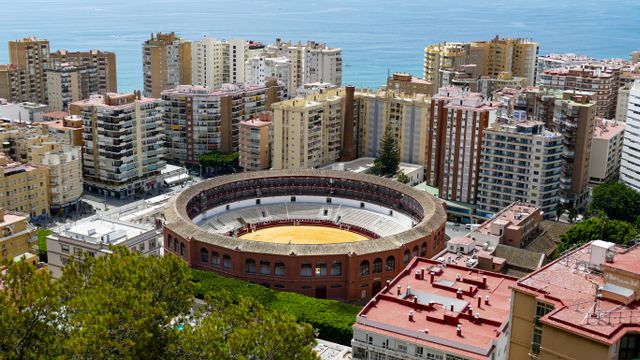
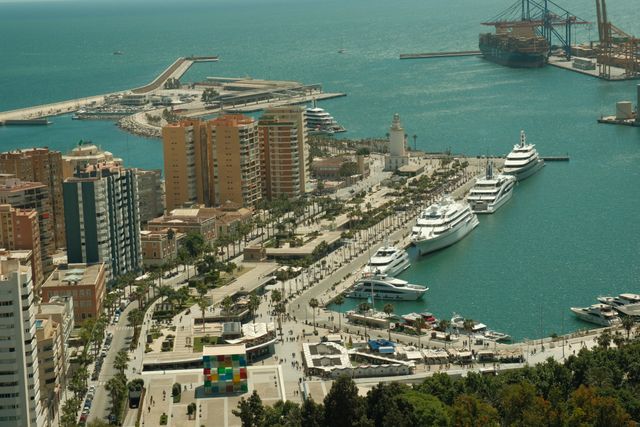
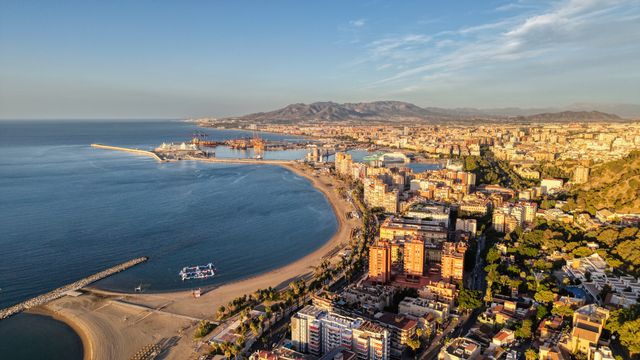
Highlights include the Alcazaba fortress, the Roman Theatre, Málaga Cathedral, and the Picasso Museum. The city’s waterfront is ideal for a stroll, while its restaurants serve fresh fish and traditional Andalusian dishes.
Málaga also makes a useful base for exploring nearby coastal towns and villages.
Córdoba
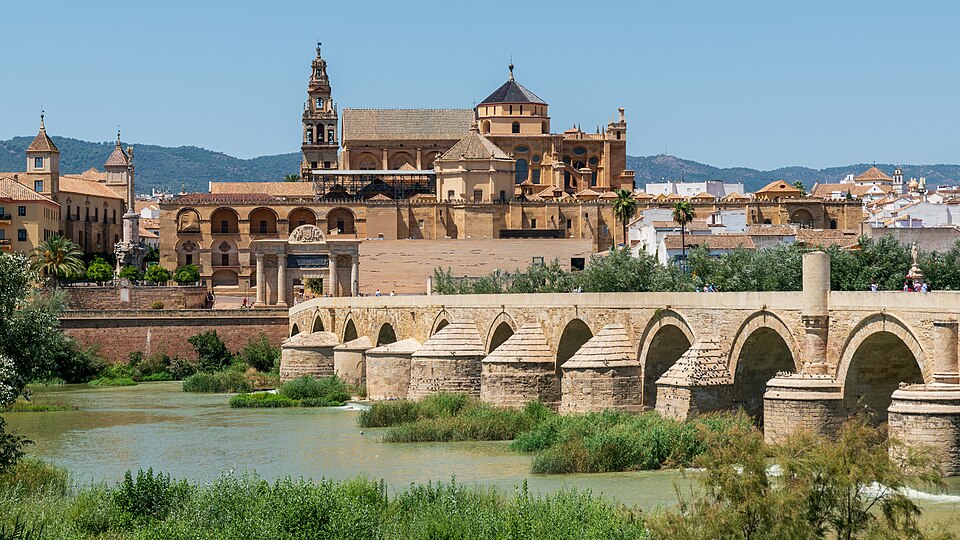
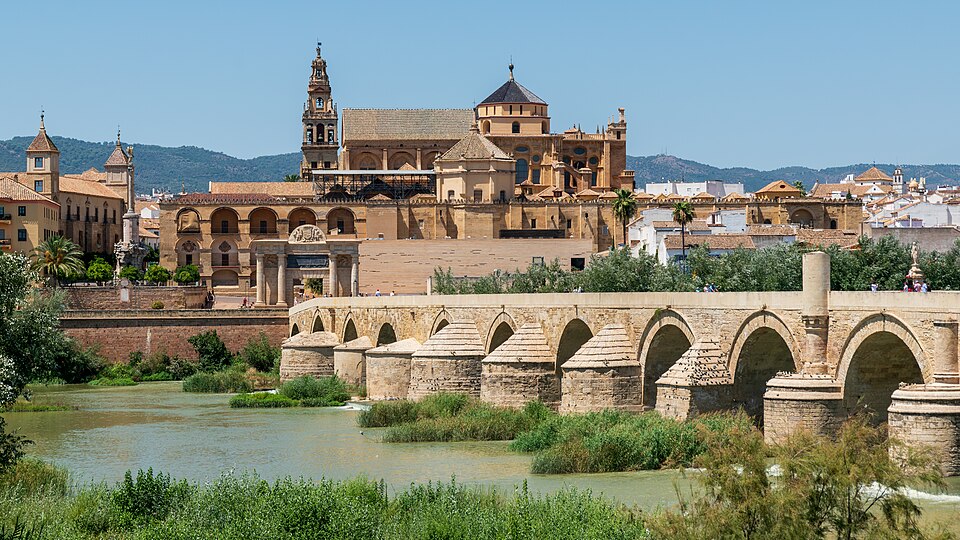
Córdoba is famous for its historic centre and the Mosque-Cathedral of Córdoba, one of Spain’s most remarkable monuments. Its architecture reflects the city’s complex Islamic and Christian history.
Wander through the Jewish Quarter, visit traditional courtyards, and explore narrow streets lined with whitewashed buildings. Spring is a particularly attractive time to visit, when courtyards and gardens may be filled with flowers.
Bilbao and Northern Spain
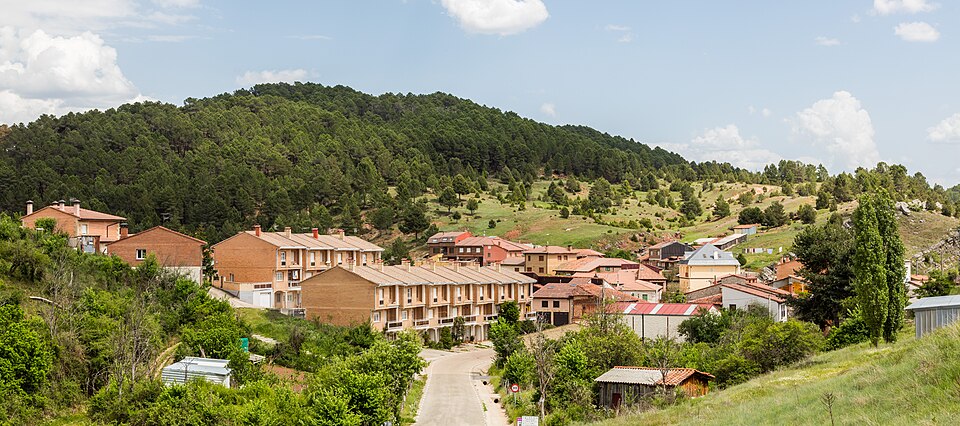
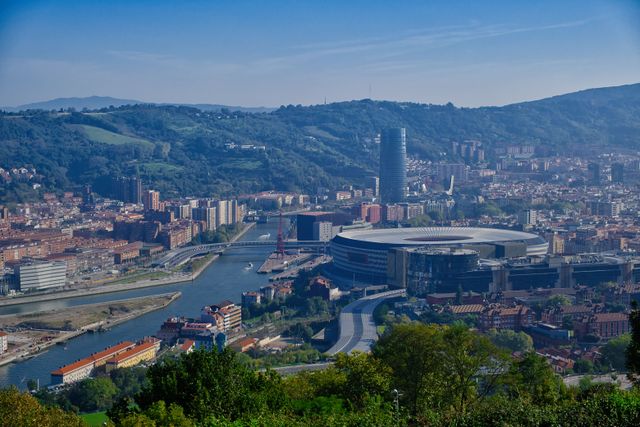
Bilbao, in the Basque Country, is known for contemporary architecture, regional cuisine, and access to the green landscapes of northern Spain.
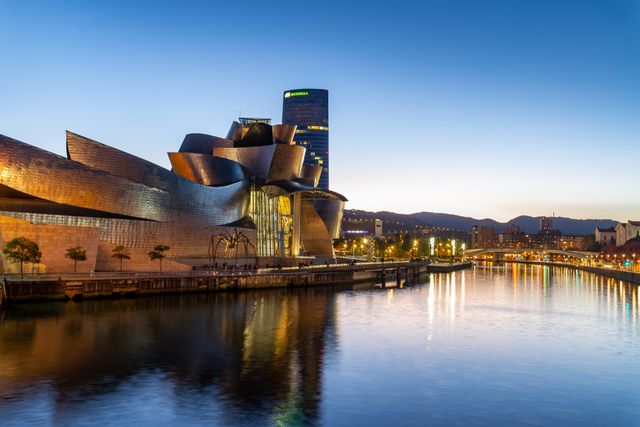
The Guggenheim Museum Bilbao is the city’s most famous modern landmark. The old town, known as Casco Viejo, has traditional streets, shops, and pintxos bars.
Beyond Bilbao, northern Spain offers dramatic coastlines, mountain scenery, historic towns, and excellent walking routes. The region is a good choice for travellers seeking cooler weather and a different side of Spanish culture.
Santiago de Compostela
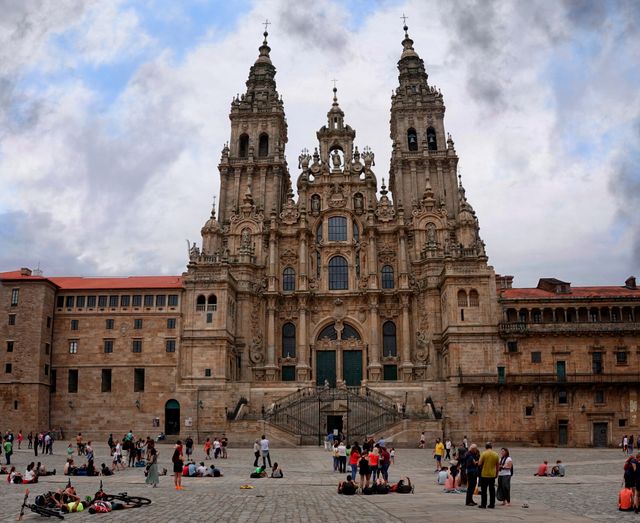
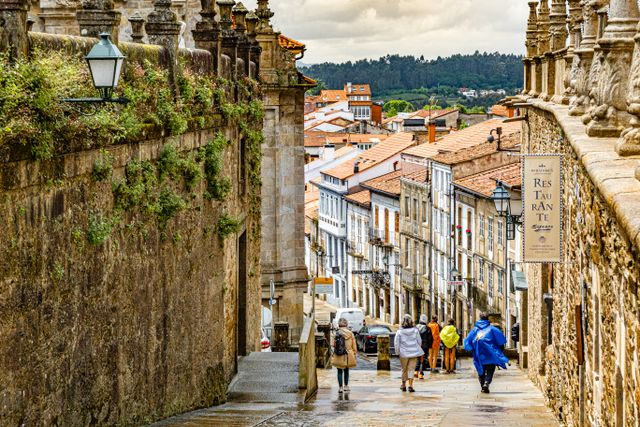
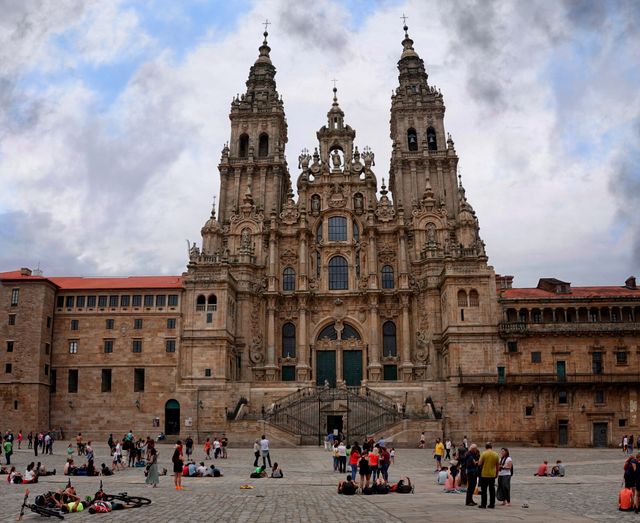
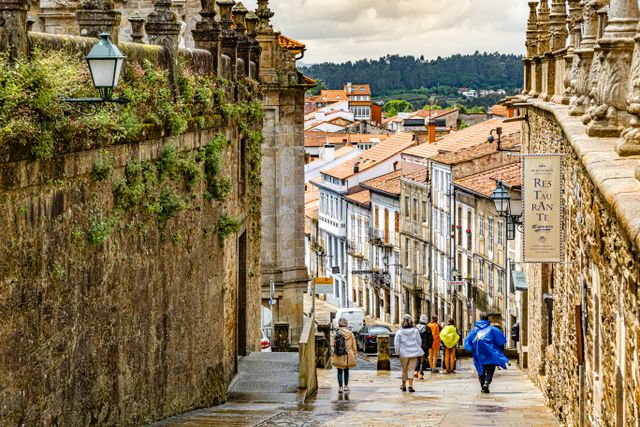
Santiago de Compostela, in Galicia, is the celebrated destination of the Camino de Santiago pilgrimage routes. Its cathedral and historic centre draw pilgrims, history lovers, and visitors interested in religious heritage.
The city has stone streets, traditional squares, and a distinctive regional cuisine. Galicia is also famous for seafood, including octopus and shellfish.
The Balearic Islands
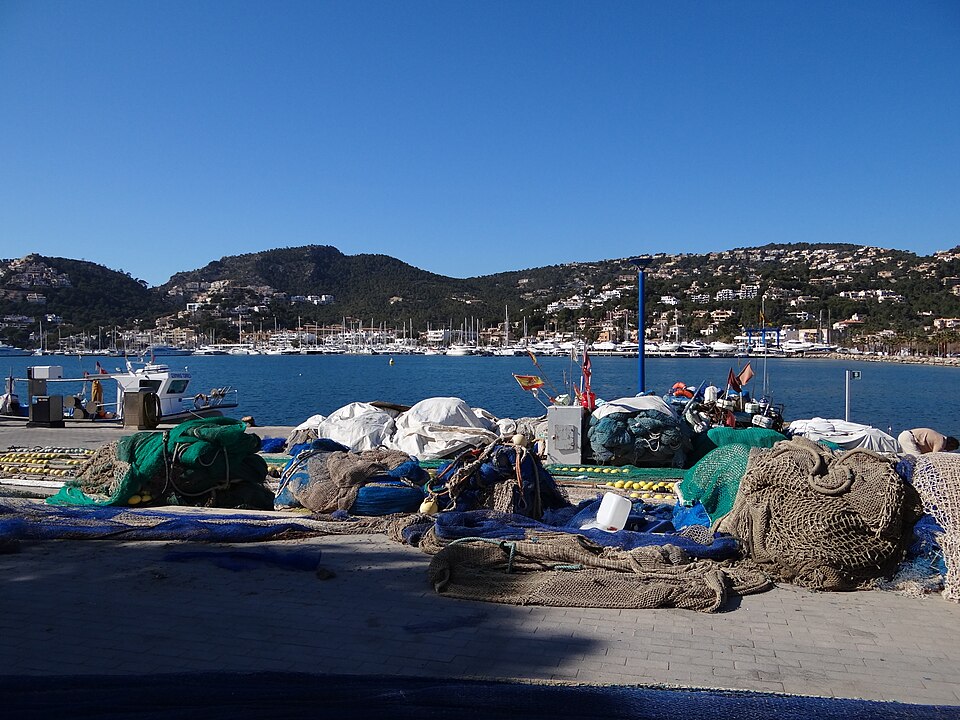
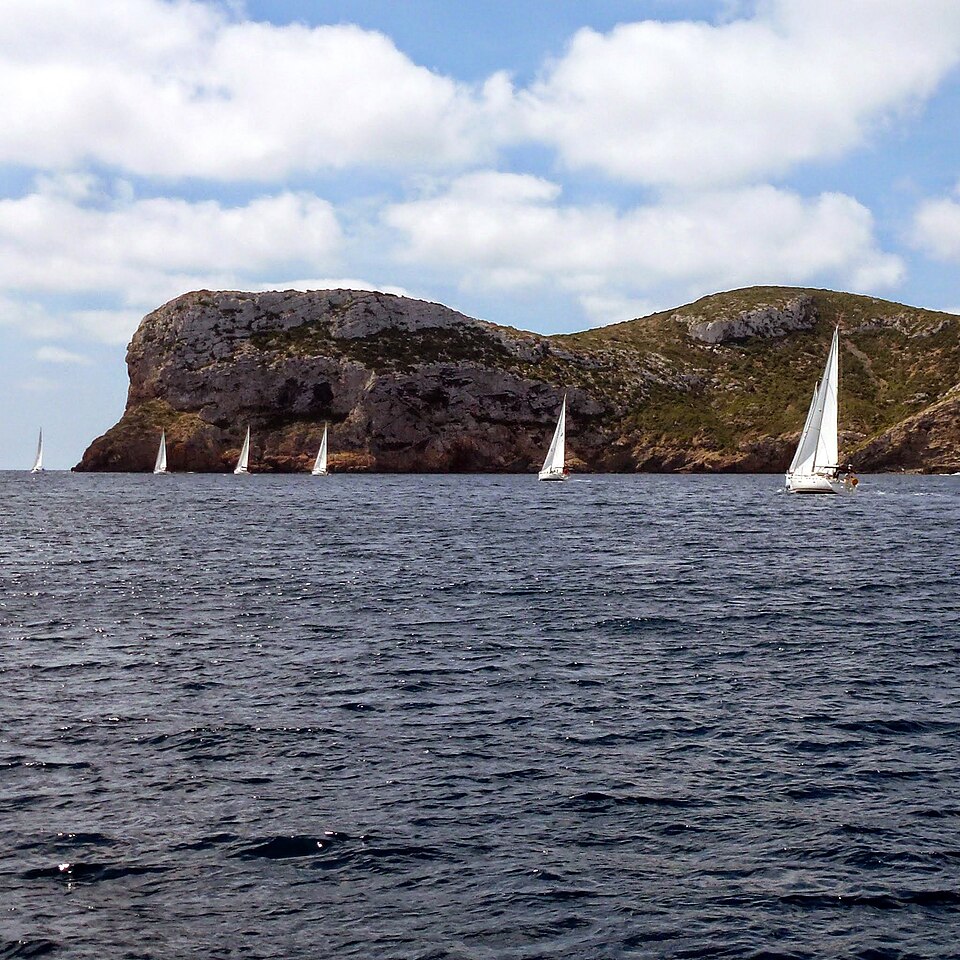
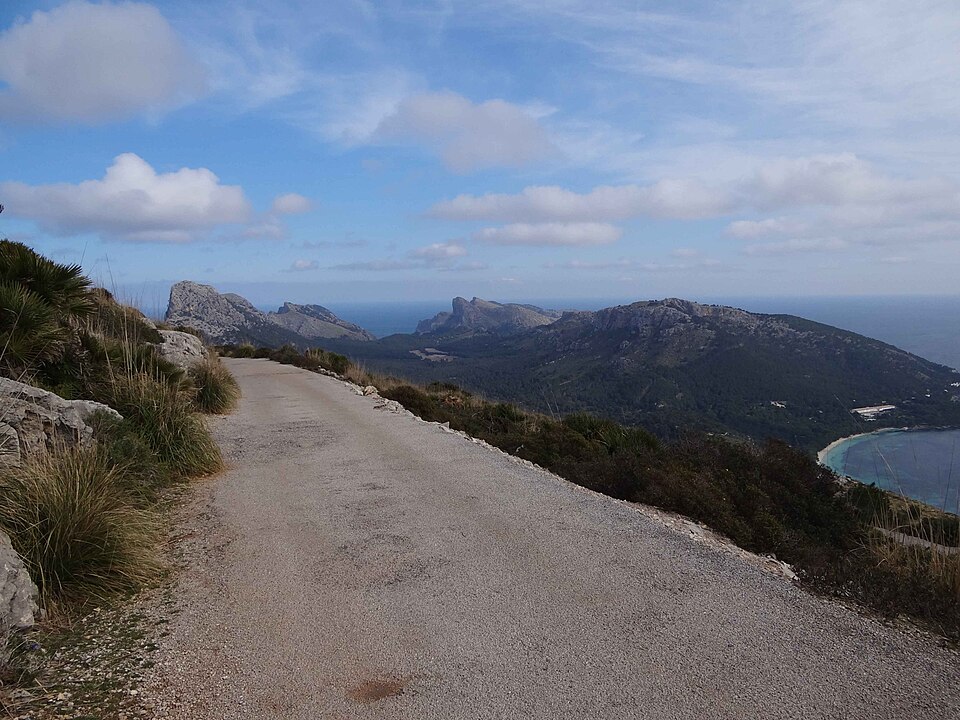
The Balearic Islands lie in the Mediterranean and include Mallorca, Menorca, Ibiza, and Formentera.
- Mallorca: Offers beaches, mountain villages, Palma’s historic centre, and scenic drives.
- Menorca: Known for quieter coves, natural beauty, and a more relaxed atmosphere.
- Ibiza: Famous for nightlife as well as attractive beaches and traditional villages.
- Formentera: Popular for clear water, sandy beaches, and a slower pace.
Summer is popular, so accommodation and transport may need to be booked early.
The Canary Islands
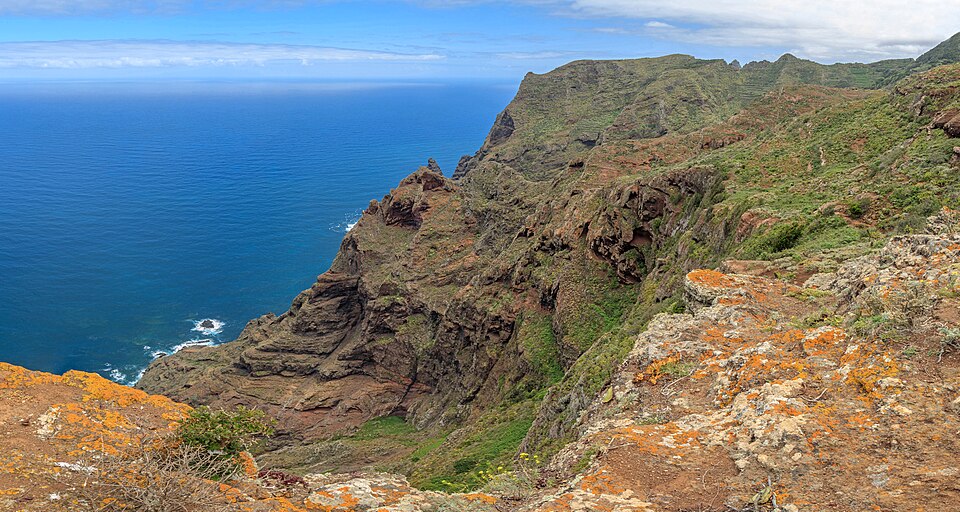
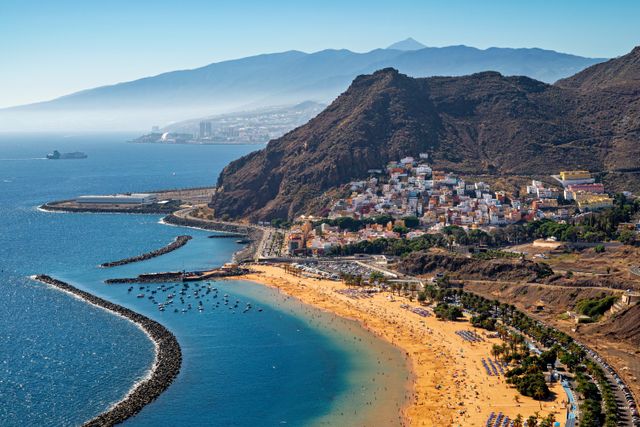
Located in the Atlantic Ocean off the northwestern coast of Africa, the Canary Islands are part of Spain and are known for their mild climate and volcanic landscapes.
Tenerife features Mount Teide and a range of coastal resorts. Lanzarote is famous for volcanic scenery and distinctive architecture, while Gran Canaria offers beaches, dunes, mountains, and lively towns.
The islands are suitable for hiking, beach holidays, nature trips, and winter sun.
Toledo and Segovia
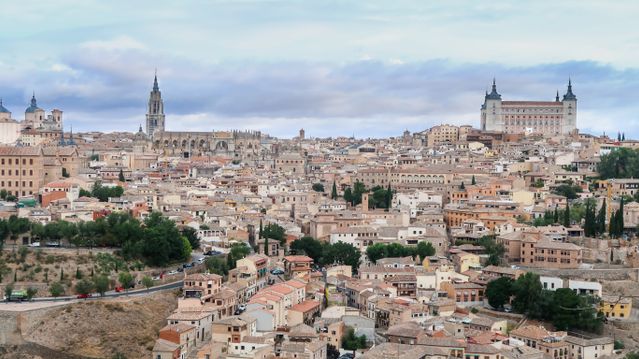
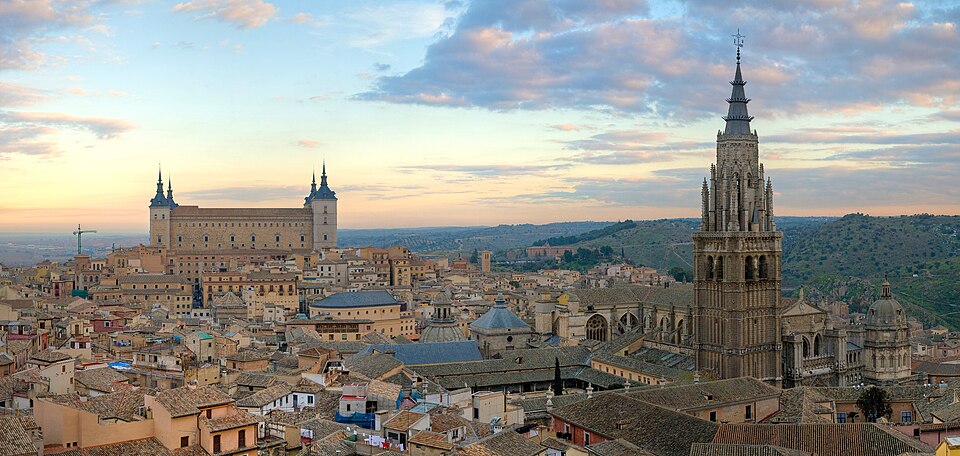
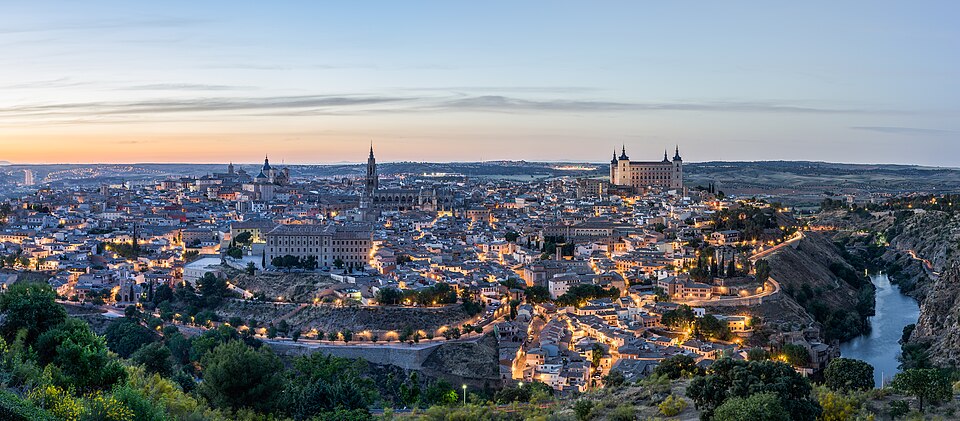
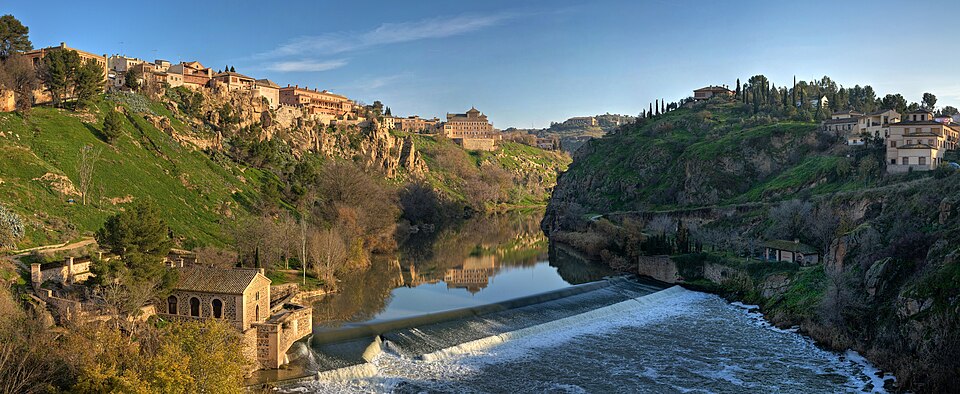
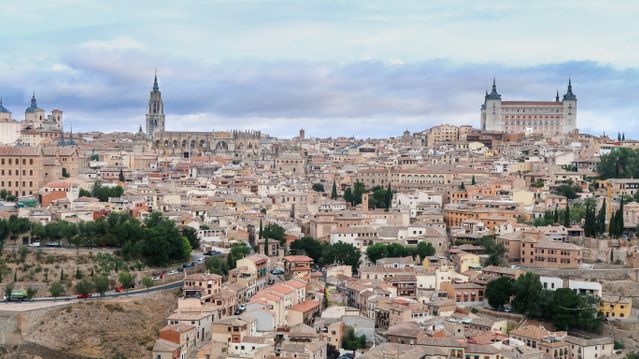
Toledo is a historic city known for its medieval streets, religious heritage, and impressive position above the Tagus River. Its cultural legacy reflects centuries of Christian, Muslim, and Jewish history.
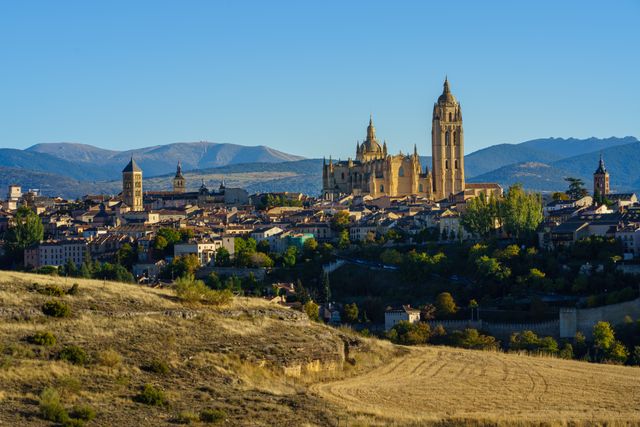
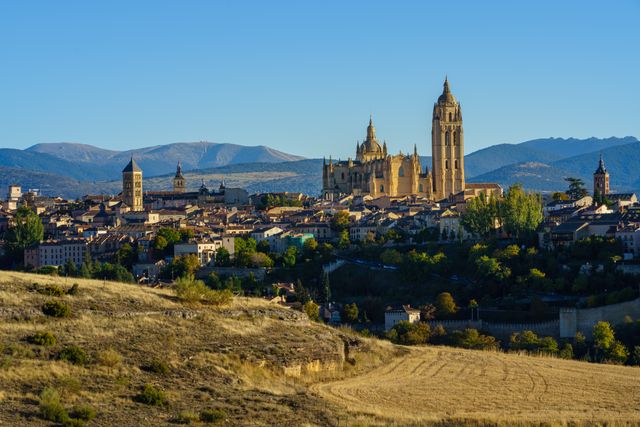
Segovia is famous for its remarkably preserved Roman aqueduct, medieval streets, and fairytale-like Alcázar. Both cities can be visited as day trips from Madrid, although staying overnight allows more time to explore.
Culture and Traditions of Spain
Spanish culture is diverse, with strong regional identities and a rich artistic heritage. Customs vary from one region to another, so visitors should avoid assuming that every tradition is practised throughout the country.
Languages
Spanish, also called Castilian, is the country’s official language nationwide. Catalan, Galician, and Basque are also official in their respective autonomous communities, alongside Spanish. Other regional languages are spoken in particular areas.
English is commonly understood in many major tourist areas, but learning a few Spanish expressions can make travel easier.
Useful phrases include:
- Hola — Hello
- Buenos días — Good morning
- Por favor — Please
- Gracias — Thank you
- ¿Cuánto cuesta? — How much does it cost?
- ¿Dónde está…? — Where is…?
- La cuenta, por favor — The bill, please
Spanish Lifestyle
Social life often centres on family, food, public squares, and time spent outdoors. In many areas, lunch is traditionally eaten later than in some other European countries, and dinner can begin in the evening.
Opening hours vary. Some smaller businesses close for part of the afternoon, although schedules differ considerably by region, business type, and tourist season.
Flamenco
Flamenco is strongly associated with Andalusia and combines singing, guitar, rhythm, and dance. It is an expressive art form with diverse traditions and styles.
Visitors can attend performances in dedicated venues, particularly in Seville and Granada. For a more meaningful experience, choose a performance that highlights the music and artistry rather than treating flamenco only as a tourist spectacle.
Festivals and Celebrations
Spain hosts numerous festivals throughout the year. Some are religious, others are linked to local history, seasonal traditions, music, or food.
Notable examples include:
- Semana Santa: Holy Week processions held in many cities.
- Feria de Abril: Seville’s famous spring fair.
- Las Fallas: Valencia’s festival featuring large artistic figures and dramatic celebrations.
- La Tomatina: A tomato-throwing event in Buñol with controlled participation.
- San Fermín: Pamplona’s festival, internationally known for its running-of-the-bulls events.
- La Mercè: A major festival in Barcelona.
Dates and participation rules vary, so check official event information before planning a trip around a festival.
Art, Architecture, and Music
Spain has influenced global art and architecture through artists such as Pablo Picasso, Salvador Dalí, and Joan Miró. Antoni Gaudí’s imaginative buildings have become defining symbols of Barcelona.
The country also offers classical music, contemporary festivals, theatre, regional folk traditions, and modern cultural events.
Etiquette and Local Customs
A friendly greeting, patience, and polite behaviour are appreciated. In restaurants, tipping is generally discretionary rather than obligatory, although leaving a small amount for good service is common.
At churches and religious sites, dress respectfully and follow photography rules. During festivals, respect barriers, local safety instructions, and residents’ privacy.
How to Reach Spain
Spain is connected to Europe and the rest of the world through major international airports, railways, roads, and seaports.
By Air
Most international visitors arrive by air. Major airports include Madrid-Barajas, Barcelona-El Prat, Málaga-Costa del Sol, Palma de Mallorca, and airports serving the Canary Islands.
Travellers from Bangladesh will generally need to compare connecting flights, as routes and availability vary by airline and season. Madrid and Barcelona are common arrival points for international itineraries.
Before booking, compare the total travel time, baggage allowance, transit visa requirements, and whether your itinerary requires collecting luggage or changing airports.
By Train
Spain has an extensive rail network, including high-speed services connecting major cities. Depending on the route, trains can be a comfortable and time-saving alternative to flying.
Madrid is a major railway hub, with connections to Barcelona, Seville, Valencia, Málaga, and other destinations. Regional trains also serve smaller cities and towns.
Reserve popular high-speed routes early when possible, especially around holidays.
By Bus
Long-distance buses connect cities and towns across Spain. They can be economical, although journey times are often longer than by train.
Buses may be useful for reaching smaller destinations or travelling on routes where rail services are less convenient.
By Car
Hiring a car provides flexibility for rural areas, coastal drives, mountain villages, and national parks. However, driving in historic city centres can be challenging because of restricted traffic zones, limited parking, and narrow streets.
Check your driving licence requirements, insurance coverage, toll arrangements, and parking rules before setting off.
Getting Around Cities
Public transport in major cities includes metro systems, buses, trams, commuter trains, and regional rail services. Walking is often the best way to explore historic centres.
Taxis and app-based transport services are available in many urban areas, though coverage varies. Use official taxis or reputable services and confirm the fare structure when needed.
Things to Do in Spain
Spain offers activities for travellers with different interests, from relaxed sightseeing to outdoor adventures.
Explore Historic Streets
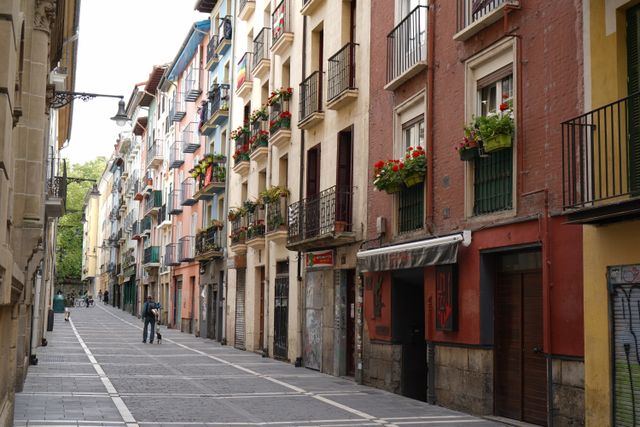
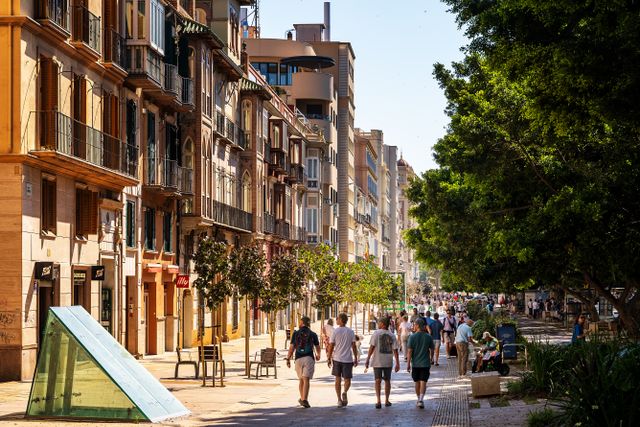
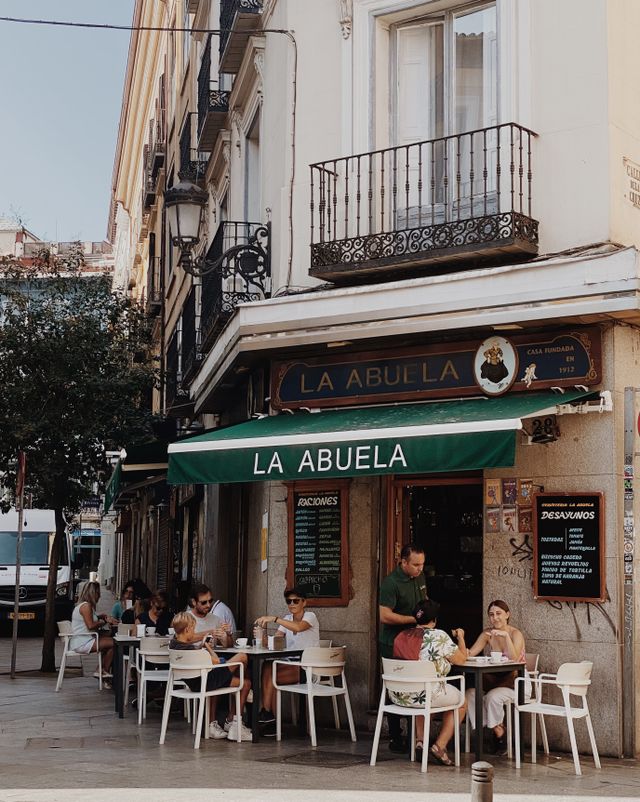
Spend time walking through the old quarters of Seville, Granada, Toledo, Córdoba, and Barcelona. Look for local markets, small squares, traditional cafés, and historic buildings beyond the main landmarks.
Visit Museums and Art Galleries
Madrid is especially strong in art museums, while Barcelona offers architectural and artistic attractions. Bilbao, Málaga, and Valencia also have notable museums and cultural spaces.
Consider advance reservations for popular exhibitions and special events.
Enjoy the Beaches
Spain has a wide variety of coastal experiences, from busy city beaches to secluded coves and island shorelines. The Mediterranean coast is particularly popular during summer, while the Canary Islands offer a longer beach season.
Check local flags and lifeguard instructions before swimming.
Discover Spanish Cuisine
Food is an important part of the travel experience. Try tapas, regional rice dishes, fresh seafood, local cheeses, and traditional desserts.
Rather than eating only near major attractions, explore neighbourhood restaurants and markets where residents shop and dine.
Attend a Festival
A local festival can provide insight into a region’s history and traditions. Book accommodation early for major events, and check transport arrangements if crowds or road closures are expected.
Hike and Explore Nature
Spain offers walking routes in the Pyrenees, Sierra Nevada, Picos de Europa, and many other natural areas. The Camino de Santiago attracts walkers and pilgrims from around the world.
Choose routes that match your fitness level and season. Carry water, suitable footwear, sun protection, and offline maps where mobile coverage may be limited.
Enjoy Football Culture
Football is deeply embedded in Spanish sporting life. Visitors may be able to attend matches, stadium tours, or local games. Check official club websites for ticket availability and avoid unofficial ticket sellers.
Take a Scenic Road Trip
A road trip through Andalusia, northern Spain, or the Mediterranean coast can combine cities, countryside, beaches, and historic villages. Allow time for stops rather than trying to cover too much distance in one day.



Local Foods to Try in Spain
Spanish cuisine varies by region and often focuses on fresh ingredients, seasonal produce, olive oil, seafood, meat, rice, and local specialities.
Paella
Paella originated in the Valencia region. Traditional versions often feature rice, vegetables, and ingredients such as chicken, rabbit, or seafood, depending on the recipe.
For a more authentic experience, try it in Valencia or a restaurant specialising in regional rice dishes.
Tapas
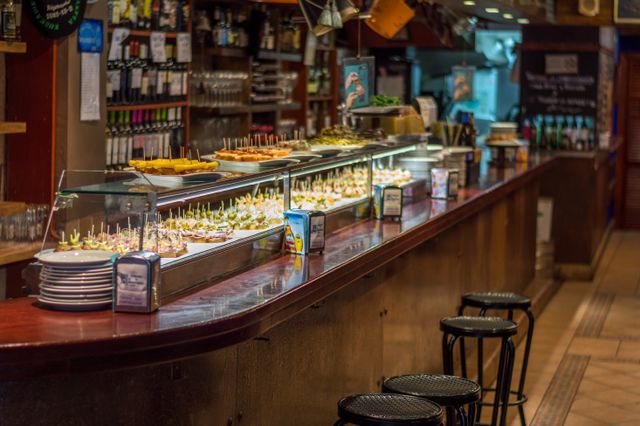
Tapas are small dishes that may be shared or ordered individually. Popular examples include patatas bravas, olives, croquettes, Spanish omelette, and garlic prawns.
The style and serving traditions differ between regions, so tapas can be an enjoyable way to sample several flavours in one meal.
Jamón
Spanish cured ham, including jamón serrano and jamón ibérico, is widely enjoyed. Different varieties have different production methods, flavours, and price levels.
Travellers who avoid pork should check ingredients carefully, as cured ham is a common component of Spanish menus.
Tortilla Española
This Spanish omelette is usually made with eggs and potatoes, sometimes including onion. It is commonly served in bars, cafés, and restaurants as a snack or light meal.
Gazpacho and Salmorejo
These chilled tomato-based dishes are especially popular in Andalusia during warm weather. Gazpacho is generally lighter, while salmorejo is thicker and often served with toppings such as egg and cured ham.
Churros con Chocolate
Churros are fried dough pastries often served with thick hot chocolate. They make a popular breakfast or snack, particularly in traditional cafés and churrerías.
Seafood
Coastal regions offer grilled fish, shellfish, squid, and other seafood dishes. Galicia is particularly known for seafood, while coastal Andalusia has its own popular fish dishes.
Ask about ingredients and prices before ordering seafood sold by weight.
Regional Cheeses and Desserts
Spain produces many regional cheeses, including Manchego from La Mancha. Traditional desserts include crema catalana, turrón, and regional pastries.
Vegetarian, Vegan, and Special Diets
Vegetarian and vegan choices are available, particularly in larger cities, but traditional menus may contain meat, fish, or animal-based ingredients. People with allergies or strict dietary requirements should communicate clearly with restaurant staff.
Useful phrase: “¿Tiene algún ingrediente al que soy alérgico?” means “Does it contain any ingredient I am allergic to?”
Shopping in Spain
Shopping in Spain ranges from international fashion brands and modern malls to historic markets, artisan workshops, and independent boutiques.
Fashion and Leather Goods
Madrid and Barcelona have extensive shopping districts with both international labels and Spanish designers. Leather goods, shoes, and accessories can also be found in many cities.
Compare prices and quality, particularly in heavily visited tourist areas.
Local Markets
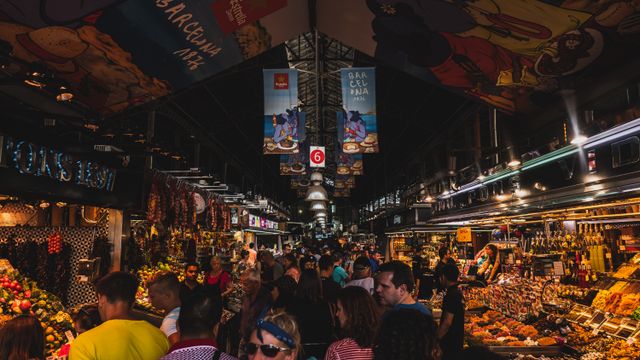
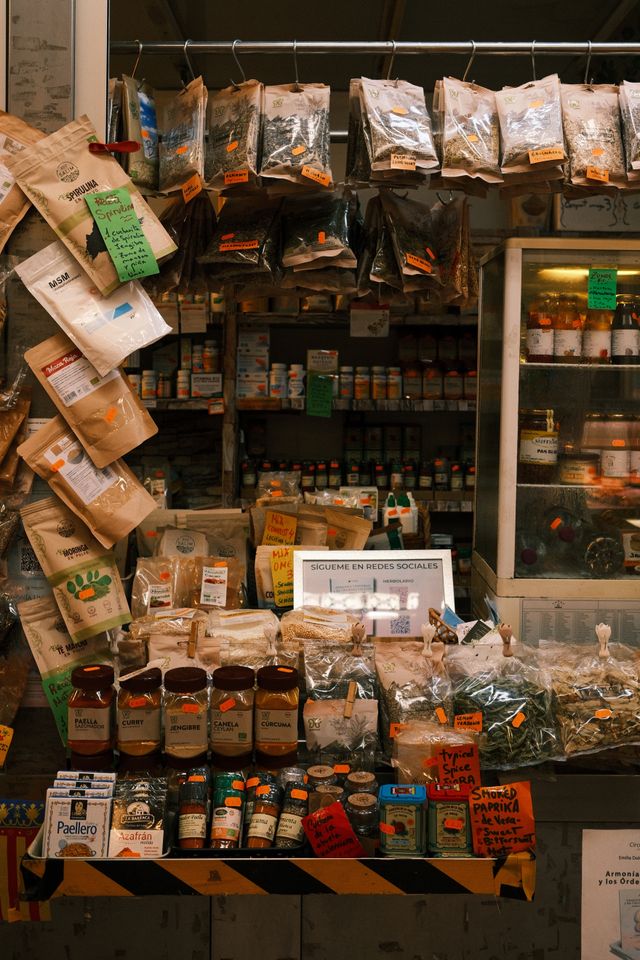
Traditional markets are excellent places to discover regional food, fresh produce, cheeses, cured meats, and local specialities. Some markets also have prepared-food counters and small restaurants.
Ask whether products are suitable for travel before purchasing perishable items.
Handicrafts and Souvenirs
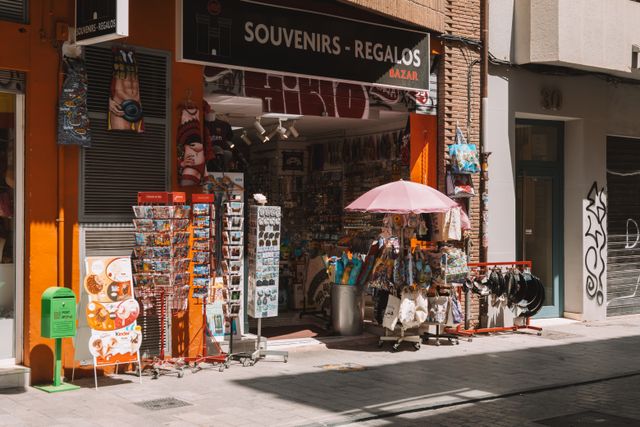
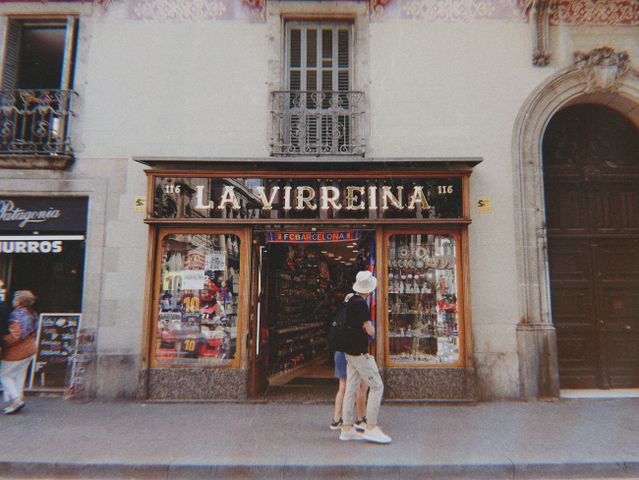
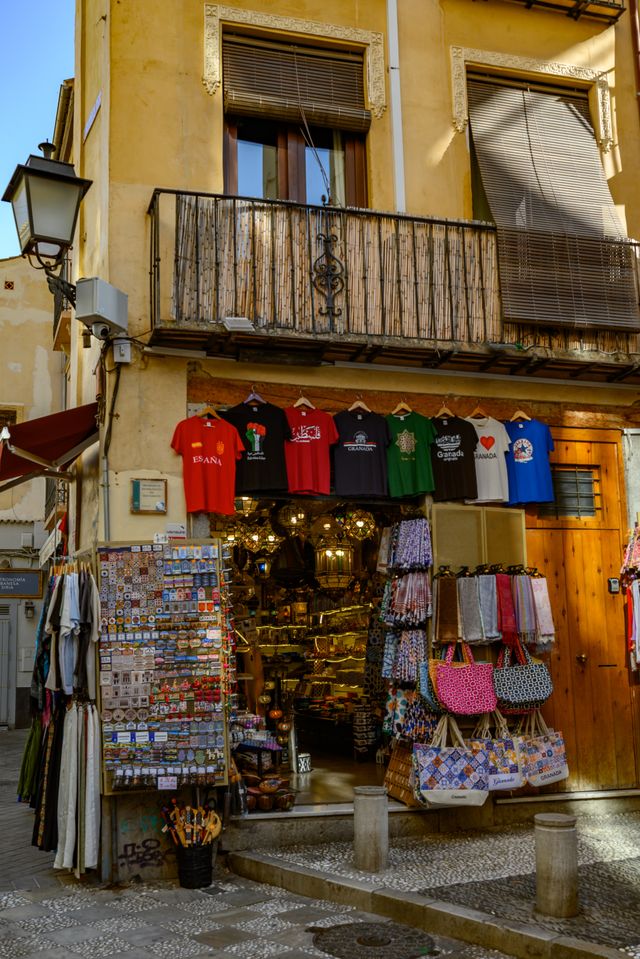
Popular souvenirs include ceramic tiles, pottery, fans, textiles, handmade jewellery, and locally produced crafts. Designs differ by region, giving travellers a way to bring home something distinctive.
Regional Products
Depending on the destination, visitors may find olive oil, saffron, regional sweets, cheese, wine, and other food products. Check airline baggage rules and the import restrictions of your home country before buying food or agricultural products.
Tax-Free Shopping
Eligible visitors who reside outside the European Union may qualify for VAT refunds on certain purchases. Eligibility, minimum spending conditions, documentation, and departure procedures apply, so consult the official Spanish tourism and customs guidance before shopping.
Things to Pack for Spain
What you need depends on the season, region, and activities planned. A city break in winter requires different clothing from a summer holiday on the Mediterranean coast.
Clothing
- Comfortable walking shoes for cobblestone streets.
- Lightweight clothing for warm weather.
- A jacket or layers for cooler evenings and winter travel.
- Modest clothing for visits to religious sites.
- Swimwear for beach or hotel-pool visits.
- Waterproof outerwear for rainy regions and seasons.
Sun Protection
Bring sunscreen, sunglasses, a hat, and a reusable water bottle. Summer heat can be intense, particularly in inland and southern areas.
Travel Documents
Carry your passport, visa if required, travel insurance information, hotel confirmations, transport tickets, and emergency contacts. Keep secure digital copies as a backup.
Visa and entry requirements depend on your nationality, residence status, and travel purpose. Check official Schengen and Spanish government guidance before departure.
Electronics and Money
Bring a phone, charging cables, a power bank, and a suitable European-style Type C/F plug adapter if needed. Spain uses the euro (€).
Bank cards are widely accepted in many tourist areas, but a small amount of cash can be helpful for certain small purchases. Notify your bank of international travel if required.
Medicines and Personal Essentials
Pack regular medicines in their original packaging where possible, together with prescriptions or supporting documents when needed. Check rules for bringing medication into Spain.
A small first-aid kit, hand sanitiser, tissues, and personal toiletries can also be useful.
Extra Items for Outdoor Trips
For hiking and day trips, carry water, snacks, a map, appropriate footwear, and weather protection. On the coast, a small waterproof bag may help protect electronics and documents.
Average Budget for a Trip to Spain
Spain can suit a range of budgets, but costs vary substantially by city, season, accommodation type, and travel style. Madrid, Barcelona, popular islands, and major festival destinations can be expensive during busy periods, while smaller cities and off-season trips may be more affordable.
The estimates below are in US dollars (USD) and are intended for planning, not as live price quotations.
Estimated Daily Budget Per Person
| Expense | Budget travel | Mid-range travel | Luxury travel |
| Accommodation | $35–$70 | $90–$180 | $250–$600+ |
| Food and drinks | $20–$35 | $40–$80 | $100–$200+ |
| Local transport | $5–$12 | $12–$25 | $35–$80+ |
| Attractions and activities | $8–$20 | $20–$50 | $60–$150+ |
| Miscellaneous | $7–$15 | $15–$30 | $40–$100+ |
| Estimated daily total | $75–$152 | $177–$365 | $485–$1,130+ |
These figures exclude international flights to Spain, major shopping, and some intercity transport. Budget accommodation may involve hostels or shared facilities, while luxury estimates can include high-end hotels and private experiences.
Estimated Cost for a 7-Day Trip
| Travel style | Estimated cost per person |
| Budget | $525–$1,064 |
| Mid-range | $1,239–$2,555 |
| Luxury | $3,395–$7,910+ |
These estimates apply the daily ranges above for seven days. Actual spending can differ significantly depending on where you stay and what you do.
Transport Between Cities
Intercity transport is an additional expense unless included in your daily allowance. High-speed trains can be convenient but may cost more when booked late. Buses can be cheaper on some routes, while domestic flights may be useful for longer distances or island travel.
Compare the full cost, including baggage, transfers, and travel time, rather than comparing ticket prices alone.
How to Save Money in Spain
- Travel in spring or autumn: These seasons may offer comfortable weather and better value than peak summer in many destinations.
- Book accommodation early: Prices rise during festivals, holidays, and major events.
- Compare transport options: Check trains, buses, and flights before choosing a route.
- Stay near public transport: Accommodation outside the busiest historic centres can offer better value.
- Eat like a local: Look for neighbourhood cafés, market food, and reasonably priced daily menus.
- Plan museum visits: Check free-entry periods and reduced-price tickets on official websites.
- Limit unnecessary city changes: Spending more nights in fewer places can reduce transport costs and make the trip less rushed.
- Check booking conditions: Non-refundable deals may be cheaper but carry more risk if plans change.
Is Spain Expensive?
Spain can be less expensive than some other popular Western European destinations, but there is no single price level for the whole country. Costs depend heavily on the destination, accommodation, dining choices, and season.
A carefully planned trip using public transport, modest accommodation, and a mixture of free and paid attractions can keep spending manageable. Beach resorts, islands, and luxury city hotels can require a much larger budget.
Suggested Spain Itinerary
For a first visit, a trip of 10–14 days gives you time to explore several regions without spending every day travelling.
Days 1–3: Madrid
Explore the Royal Palace, Prado Museum, Retiro Park, and Plaza Mayor. Enjoy local food and consider a day trip to Toledo or Segovia if time permits.
Days 4–6: Barcelona
Visit the Sagrada Família, Park Güell, the Gothic Quarter, and the waterfront. Allow time for local markets and Catalan cuisine.
Days 7–8: Valencia
Explore the historic centre, the City of Arts and Sciences, and the local food scene. Consider visiting Albufera if you want to experience the surrounding landscape.
Days 9–11: Seville and Córdoba
Discover Seville’s Alcázar, cathedral, and traditional neighbourhoods. Take a day trip or continue to Córdoba to see the Mosque-Cathedral and historic streets.
Days 12–14: Granada or Málaga
Choose Granada for the Alhambra and historic hilltop neighbourhoods, or Málaga for museums, coastal walks, and beach time. Travellers with extra time can extend the trip to other Andalusian towns or the coast.
This itinerary is flexible. Spain is a large and varied country, so adding the Balearic or Canary Islands may require extra days and separate transport arrangements.
Practical Travel Tips for Spain
Book Major Attractions in Advance
Popular sites such as the Alhambra and Sagrada Família can have limited entry slots. Reserve through official websites where possible and check the entry conditions before arrival.
Watch Your Belongings
Pickpocketing can occur in crowded tourist areas, public transport, busy markets, and major stations. Keep valuables secure, avoid displaying large amounts of cash, and be cautious if a stranger distracts you.
Respect Local Rules
Follow instructions at beaches, parks, museums, religious sites, and festivals. Some cities have restrictions on tourist accommodation, traffic, public drinking, or behaviour in particular areas.
Learn Basic Spanish
Even a few simple phrases can make restaurant visits, transport questions, and everyday interactions easier. In regions with additional official languages, you may also see local-language signs.
Plan Around the Weather
Summer heat can affect sightseeing, particularly in southern and inland Spain. Drink water, use sun protection, and consider visiting outdoor attractions early or later in the day.
Northern Spain can be rainy, while mountain weather can change quickly. Check the forecast before hiking or driving through remote areas.
Check Visa and Entry Requirements
Spain is part of the Schengen Area. Visa requirements depend on your nationality and circumstances. Travellers should check the latest official requirements and allow enough time for any necessary application.
Consider Travel Insurance
Travel insurance can help cover eligible medical emergencies, trip interruptions, and lost luggage. Read the policy carefully to understand exclusions and coverage limits.
Be Responsible When Travelling
Use marked trails, avoid littering, respect wildlife, and support local businesses where possible. In busy destinations, choose quieter neighbourhoods and follow local guidance to help reduce pressure on residential areas.
Frequently Asked Questions About Spain
1. Where is Spain located?
Spain is in southwestern Europe, occupying most of the Iberian Peninsula. It also includes the Balearic Islands in the Mediterranean and the Canary Islands in the Atlantic.
2. What is the capital of Spain?
Madrid is the capital and the country’s largest city. It is known for its museums, historic landmarks, shopping, parks, and lively cultural scene.
3. What is Spain famous for?
Spain is famous for its historic architecture, beaches, art, regional cuisine, football, flamenco, festivals, and diverse landscapes.
4. How many tourists visit Spain each year?
Spain received approximately 96.8 million international tourists in 2025, according to provisional official statistics published in February 2026.
5. What is the best time to visit Spain?
Spring and autumn are excellent for many city trips. Summer is popular for beaches and islands but can be hot and crowded. Winter is suitable for city sightseeing, mountain activities, and visiting the Canary Islands.
6. How many days are enough for Spain?
Seven days can provide a useful introduction to two or three destinations. Ten to fourteen days allow a broader itinerary, while a longer trip is better for exploring several regions and islands.
7. Is Spain expensive for tourists?
Costs vary. Budget travellers can save with hostels, public transport, and affordable local meals, while popular islands, peak-season resorts, and luxury accommodation can be expensive.
8. What currency is used in Spain?
Spain uses the euro (€). Cards are widely accepted in many tourist areas, although carrying a little cash can be helpful.
9. What language is spoken in Spain?
Spanish, also called Castilian, is the official language nationwide. Catalan, Galician, and Basque are also official in their respective autonomous communities.
10. What food should visitors try in Spain?
Popular choices include paella, tapas, tortilla española, churros con chocolate, regional cheeses, cured ham, and fresh seafood. Local specialities vary by region.
11. Is Spain suitable for family travel?
Yes. Spain offers beaches, parks, museums, historic attractions, family-friendly accommodation, and extensive transport options. Check age restrictions and facilities for specific activities.
12. Is public transport good in Spain?
Major cities have extensive public transport, and high-speed trains connect many important destinations. Buses and regional services help reach smaller towns, though routes and frequency vary.
13. Do travellers need a visa to visit Spain?
Visa requirements depend on nationality, residence status, and the purpose and duration of the trip. Spain is part of the Schengen Area, so check official guidance before booking.
14. Is Spain safe for tourists?
Many people visit Spain without serious problems, but petty theft can occur in crowded areas. Take ordinary precautions, follow local advice, and use official transport and ticketing services.
15. What should I pack for Spain?
Pack comfortable shoes, weather-appropriate clothing, sun protection, travel documents, a phone charger, and any necessary medicines. Include layers or rain protection according to the season and region.
16. Can visitors explore Spain by train?
Yes. Trains connect many major cities, including Madrid, Barcelona, Valencia, Seville, and Málaga. Booking early can help secure suitable departure times and fares.
17. Which Spanish cities are best for first-time visitors?
Madrid and Barcelona are popular starting points. Seville, Granada, Valencia, Málaga, and Córdoba are excellent additions depending on whether you prefer history, architecture, food, or beaches.
18. Are the Balearic and Canary Islands part of Spain?
Yes. Both island groups are part of Spain. The Balearic Islands are in the Mediterranean, while the Canary Islands are in the Atlantic Ocean.
19. Can I visit Spain on a budget?
Yes. Choose affordable accommodation, travel outside peak periods, use public transport, compare intercity fares, and balance paid attractions with free parks, historic streets, and public spaces.
20. Is Spain worth visiting?
Absolutely. Spain offers a remarkable combination of history, art, food, beaches, outdoor activities, and regional diversity. Whether you prefer a lively city break or a relaxed coastal holiday, there are many ways to tailor a trip to your interests.
Conclusion
Spain is a destination where history, art, food, nature, and modern life come together. From Madrid’s museums and Barcelona’s extraordinary architecture to Granada’s palaces, Seville’s traditions, Valencia’s Mediterranean atmosphere, and the beaches of its islands, the country offers a wealth of experiences.
The best way to enjoy Spain is to choose destinations that match your interests, allow enough time to explore, and experience local food and culture beyond the main tourist attractions. Planning transport and accommodation ahead of time can also help control costs and reduce stress.
With its varied landscapes, fascinating heritage, welcoming dining culture, and year-round travel possibilities, Spain deserves a place on any traveller’s wish list. Use this guide to plan your journey, discover new places, and create your own unforgettable Spanish adventure.