The Lost City That Never Lost Its Power
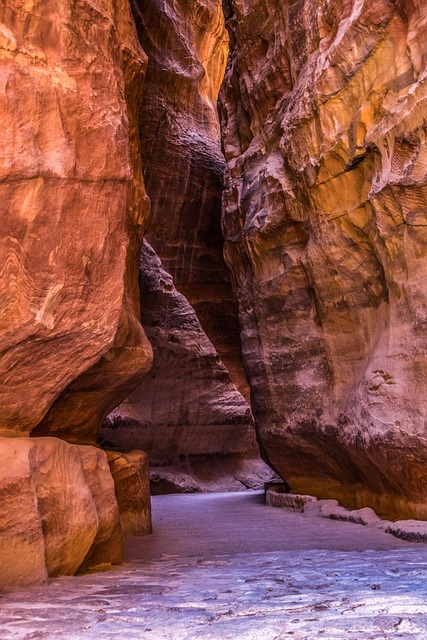
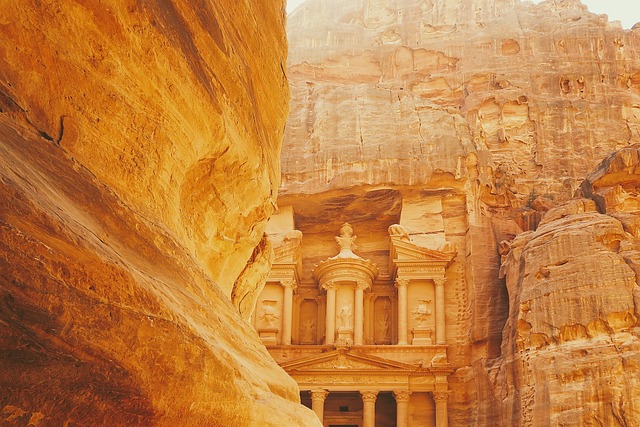
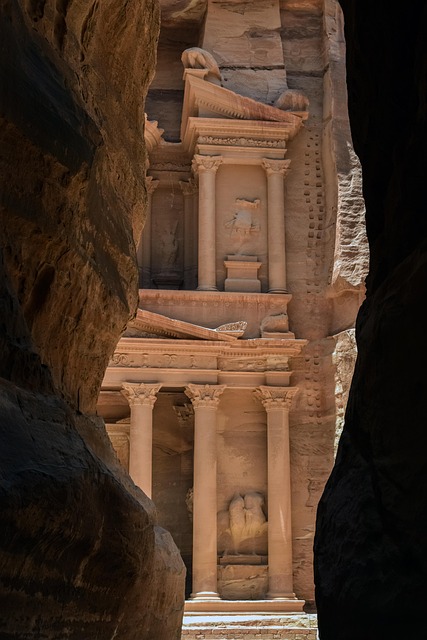
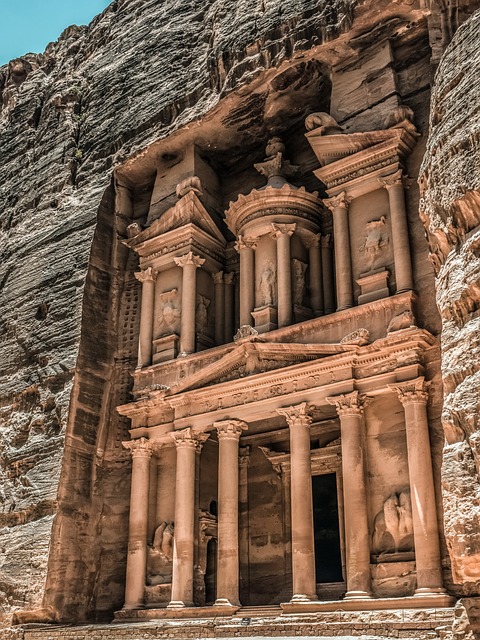
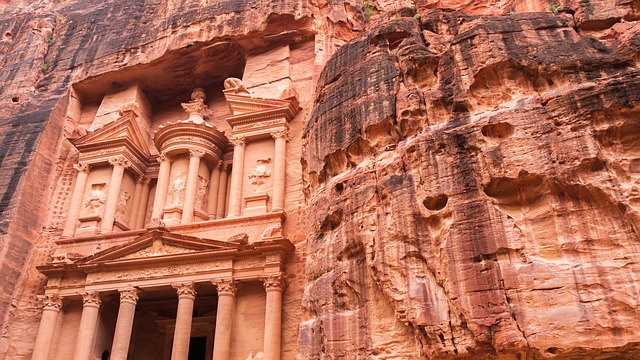
There’s a moment every traveler experiences in Petra. You’ve walked through the Siq—a narrow, winding canyon barely wide enough for two people—and then, without warning, the walls part. There it is: Al-Khazneh, the Treasury, glowing pink in the morning light, carved directly into the sandstone cliff over 2,000 years ago.
It’s the moment you’ve seen in photos a thousand times. It still hits you like a thunderbolt.
Petra isn’t just an archaeological site. It’s the rock-cut capital of the Nabataeans, an industrious Arab civilization that controlled the trade routes between Arabia, Egypt, and the Mediterranean for centuries . They carved temples, tombs, and an entire city into the rose-red cliffs of southern Jordan. Then they vanished. Petra was forgotten by the outside world for centuries, known only to local Bedouin tribes who guarded its secrets.
Today, Petra is a UNESCO World Heritage Site (inscribed in 1985), one of the New Seven Wonders of the World, and Jordan’s undisputed crown jewel . It’s also a place that rewards those who go beyond the postcard. The Treasury is just the beginning. Petra is enormous—an entire city where tombs, temples, and high-altitude sanctuaries continue for kilometers in every direction.
This guide will walk you through everything you need to know: the history, the trails, the costs, the food, and the secrets that most visitors miss.
History & Geography: The City That Water Built
A Civilization of Engineers
The Nabataeans settled in Petra over 2,300 years ago, drawn by its strategic position at the crossroads of ancient trade routes . But what made Petra truly extraordinary wasn’t just its location—it was the water management system.
In an arid desert environment, the Nabataeans engineered an intricate network of dams, cisterns, channels, and tunnels that captured and stored seasonal rainfall . This hydraulic system allowed a large city to thrive in what would otherwise be an uninhabitable landscape. The remnant channels and diversion dams are still visible today, and they’re as impressive as the grand facades.
The Nabataeans fused Hellenistic architectural styles with their own rock-cut traditions, creating a unique artistic achievement that blends East and West . The Treasury, the Royal Tombs, and the Monastery are masterpieces of this fusion.
From Prosperity to Abandonment
Petra prospered for centuries as a caravan city where incense, silks, and spices from Arabia, China, and India were traded . But shifting trade routes and a devastating earthquake in 363 AD began its decline. By the 7th century, the city was largely abandoned.
For over a thousand years, Petra was known only to local Bedouin tribes. The site was “rediscovered” for the Western world in 1812 by Swiss explorer Johann Ludwig Burckhardt. Since then, it has fascinated travelers, archaeologists, and filmmakers—it was featured in Indiana Jones and the Last Crusade.
Geography: A Landscape of Canyons and Cliffs
Petra sits in a basin surrounded by rugged mountains, approximately 240 km south of Amman and about 128 km north of Aqaba . The site is accessed primarily through the Siq, a natural winding gorge that serves as the dramatic main entrance from the east .
The ancient city covers a vast area, with the main trail alone running about 4 km one way from the Visitor Center to the Treasury and beyond . But Petra extends much further—to the Monastery high in the hills, to the High Place of Sacrifice, and to the lesser-visited areas that most tourists never see.
Number of Visitors Per Year: A Steady Flow
Petra welcomes hundreds of thousands of visitors annually, but the numbers tell a story of shifting tourism patterns.
According to Jordan’s Ministry of Tourism and Antiquities, Petra received 318,311 visitors in the first eight months of 2026, a slight decrease of 2.1% compared to the same period in 2025 . The breakdown is revealing: foreign tourists dropped about 18%, while Jordanian visitors increased by over 35% .
By September 2026, total visitors for the first nine months reached 362,215, with September alone recording 43,901 visitors . Foreign tourists made up about 50% of September’s visitors, led by Americans, Russians, Spaniards, Brits, and Germans .
What this means for you: Petra is never empty, but it’s also never as overwhelming as some of the world’s other major attractions. The site is vast enough to absorb crowds. If you visit early in the morning or late in the afternoon, you’ll often have entire sections to yourself. And if you’re willing to hike to the Monastery, you’ll leave the majority of visitors behind.
Main Attractions: Beyond the Treasury
The Siq: The Approach
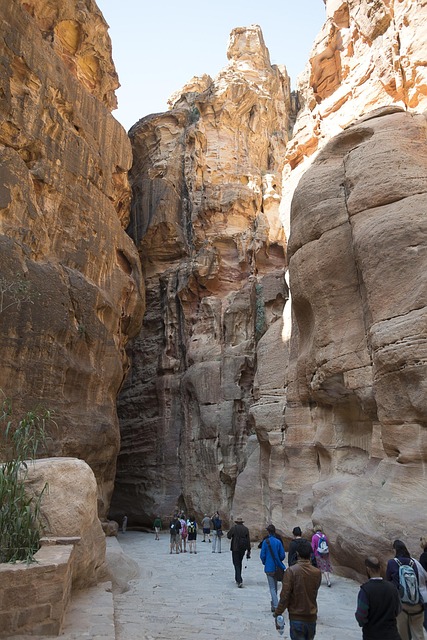
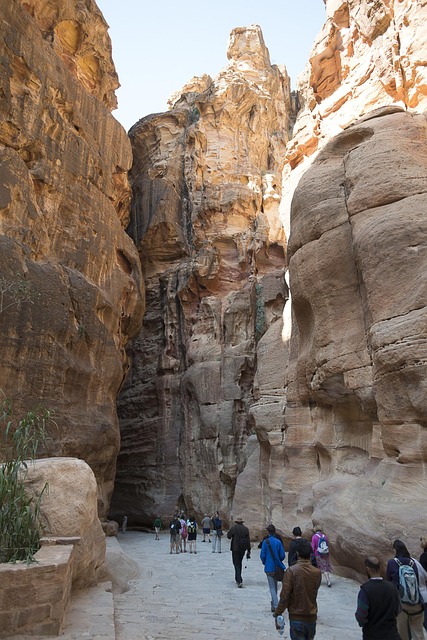
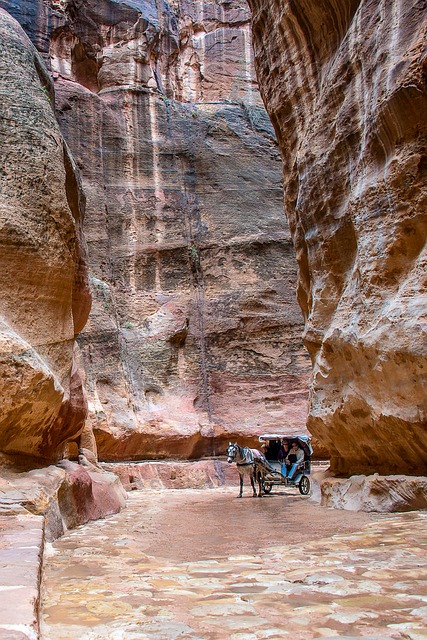
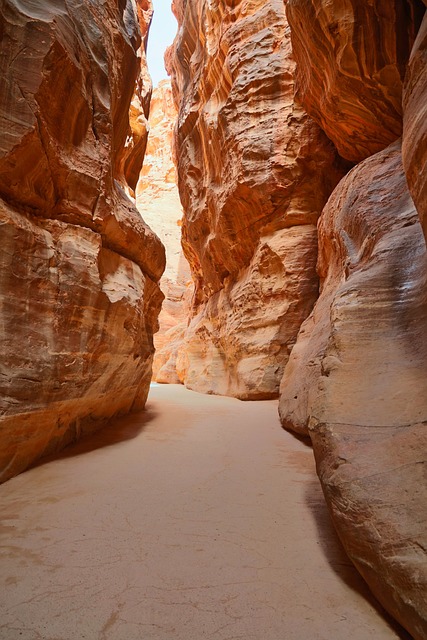
Every Petra visit begins with the Siq, a 1.2-kilometer narrow canyon with towering walls that rise up to 80 meters on either side . The walls are worn smooth by wind and water, with ancient water channels carved into the rock face. Walking through the Siq is a sensory experience—the temperature drops, the sounds of the outside world fade, and the anticipation builds.
Pro tip: Start as early as possible. The Siq glows with reflected light in the morning, and you’ll experience the Treasury reveal without the crush of tour groups .
The Treasury (Al-Khazneh)
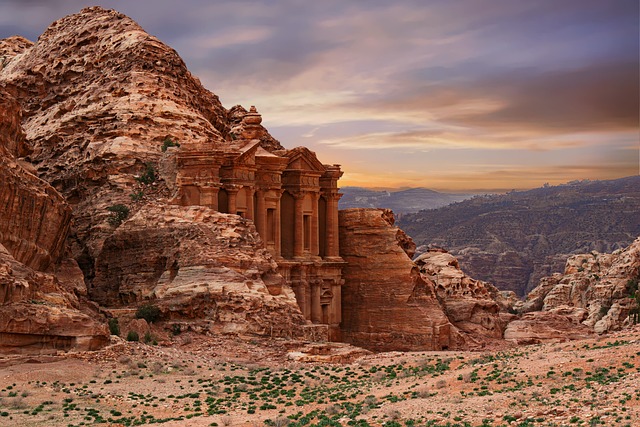
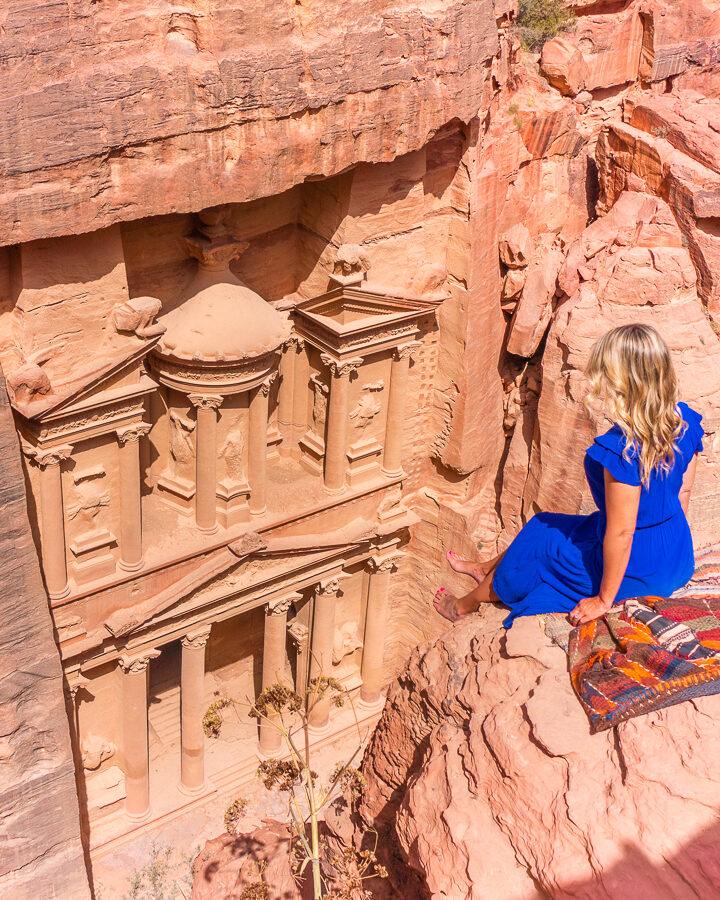
The Treasury is Petra’s most famous monument—a massive facade carved into the cliff face, standing about 40 meters tall. Its precise function remains debated, but it was likely a royal tomb or temple . The name “Treasury” comes from a Bedouin legend that an Egyptian pharaoh hid his treasure in the urn at the top.
The square in front of the Treasury is the best photo spot, especially at sunrise when the morning light hits the facade directly . But don’t linger too long—there’s much more to see.
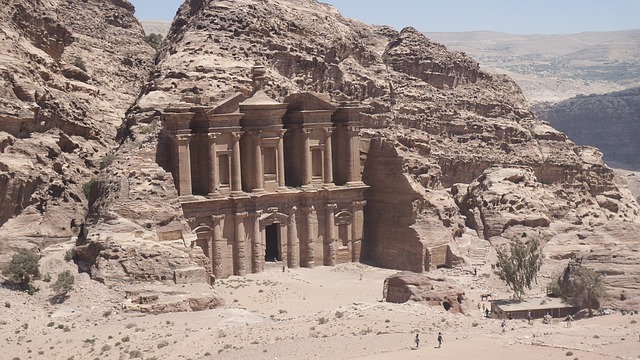
The Monastery (Ad-Deir)
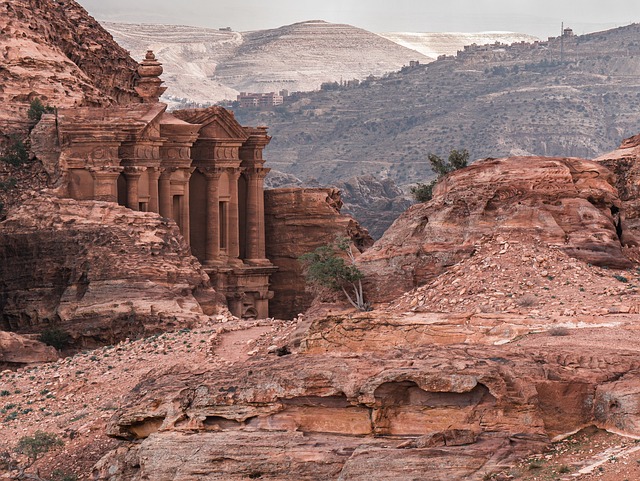
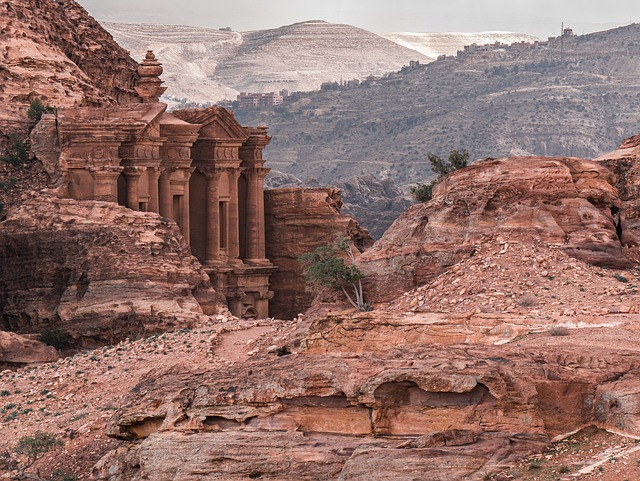
The Monastery is Petra’s largest monument, even bigger than the Treasury, but it requires effort to reach: 800 to 900 steps up a carved stairway . The reward is a massive, breathtaking facade and a panoramic view over the surrounding mountains.
Insider tip: Many travelers say the Monastery is their favorite part of Petra, precisely because it’s less crowded . If you’re fit, the climb is worth every step. If you’re not, donkeys are available (negotiate the price first, and agree on the amount before you start) .
The Royal Tombs
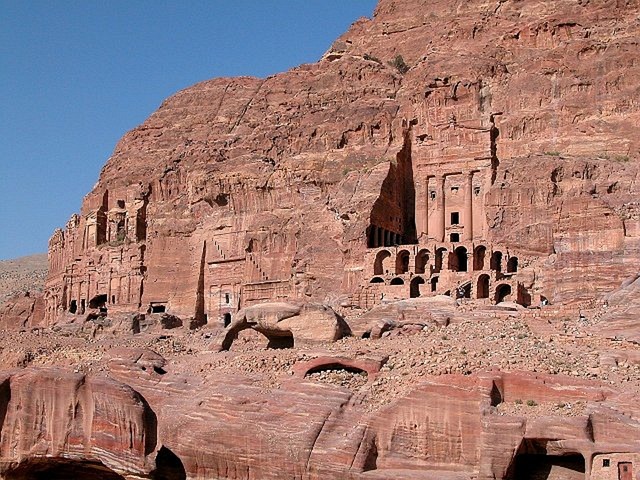
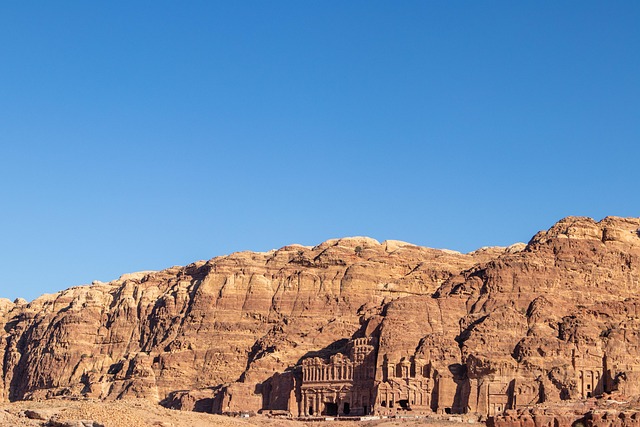
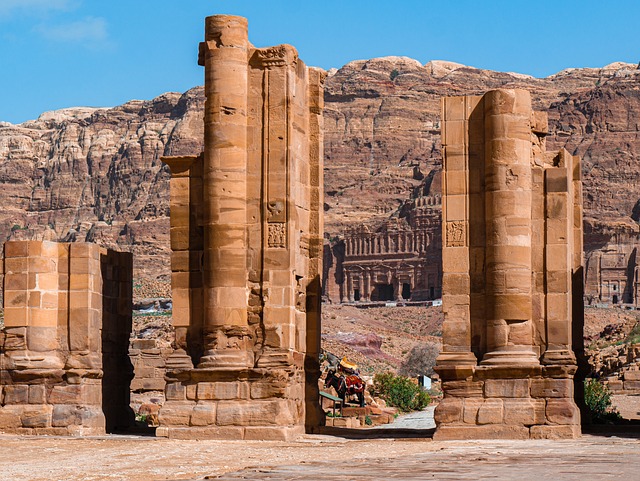
The Urn Tomb, Silk Tomb, Corinthian Tomb, and Palace Tomb are carved into the rock face along the eastern side of the valley . They’re stunning examples of the Nabataean-Hellenistic fusion, and the Urn Tomb offers a spectacular view over the valley—it was later converted into a Byzantine church .
The High Place of Sacrifice
For those willing to climb, the High Place of Sacrifice offers some of the best views in Petra and a glimpse into Nabataean religious practices. The trail is steep but manageable, and it’s one of the quieter routes .
Petra by Night
Every Monday, Wednesday, and Thursday evening, Petra opens for a magical nighttime experience . The Siq is lined with 1,800 candles, and you walk to the Treasury where Bedouin music plays under the stars . It’s a separate ticket and a completely different way to experience the site.
Important: A daylight ticket is required to attend Petra by Night .
Lesser-Known Gems
- Little Petra (Siq Al-Barid): A smaller, quieter version of Petra’s main site, with its own Siq and carved facades. It’s free to enter and a great warm-up or cool-down .
- The Lion Triclinium: A small but beautifully carved monument on the way to the Monastery .
- Wadi Kharrubeh: The valley route to the Monastery, lined with tombs and caves .
Culture: The Bedouin Legacy
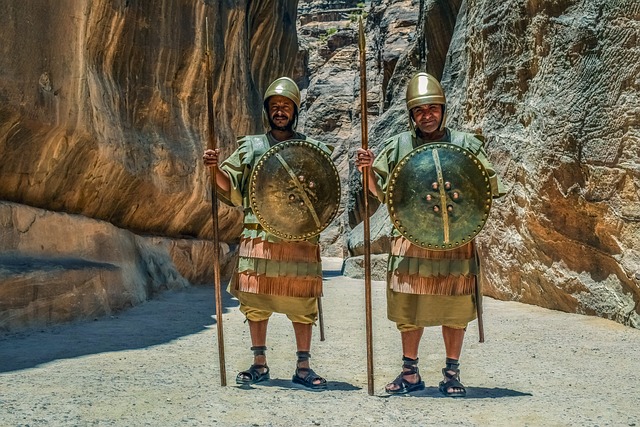
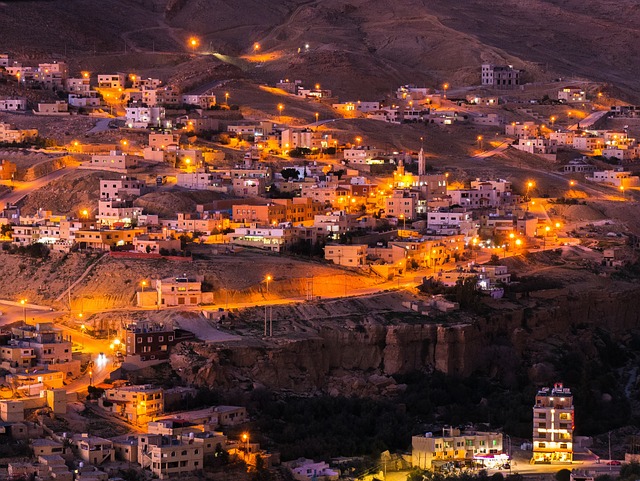
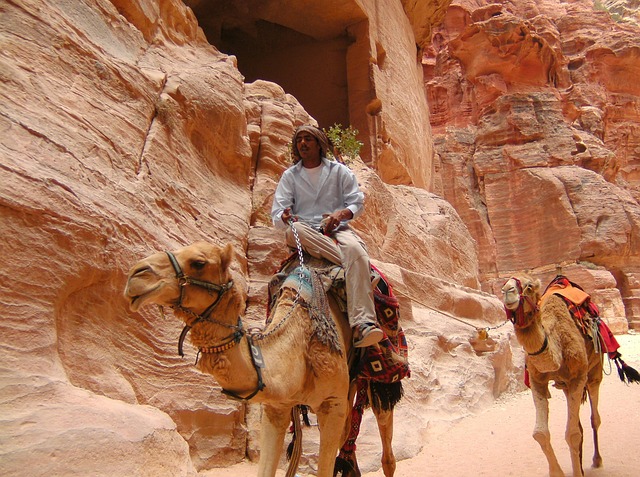
Petra isn’t just ancient history—it’s also home to the Bdul Bedouin tribe, who lived in the caves and ruins of Petra for generations. They were resettled to the nearby village of Umm Sayhun over twenty years ago to protect the site from erosion and grazing , but their cultural traditions remain alive.
UNESCO recognized the “Cultural Space of the Bedu in Petra and Wadi Rum” as Intangible Cultural Heritage in 2008, acknowledging their oral traditions, knowledge of the natural environment, and traditional crafts like tent-making .
Cultural Experiences in Petra
- Petra Kitchen Workshop: An evening cooking class where you prepare and eat traditional Jordanian dishes .
- Traditional Bedouin Dinner and Stargazing: Savor an authentic Bedouin meal under the desert sky .
- Silver Making Experience: Craft your own Petra-inspired jewelry with local artisans .
- Nabataean Traditional Attire: Stay at Fatma’s guesthouse and immerse yourself in Nabataean culture .
- The Nabataean Life Experience: Step back 2,000 years in a cultural village with markets, crafts, and trade .
- Dinner in Front of the Treasury: A truly exclusive experience—dining under the stars with the Treasury as your backdrop .
Local Food: A Taste of Jordan
Jordanian cuisine is hearty, flavorful, and deeply tied to the land. In Wadi Musa (the town at Petra’s entrance), you’ll find local restaurants serving traditional dishes.
Must-try dishes:
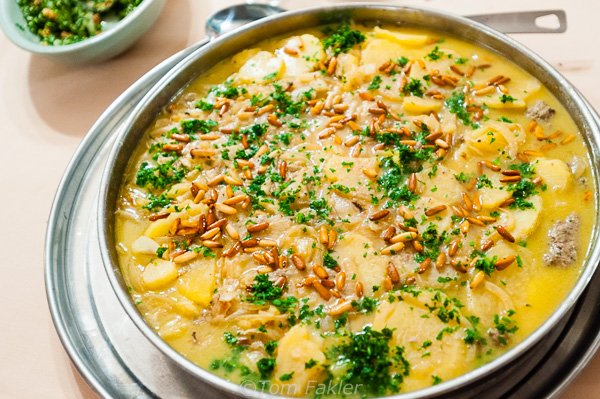
- Mansaf: Jordan’s national dish—lamb cooked in a sauce of jameed (fermented dried yogurt) and served over rice .
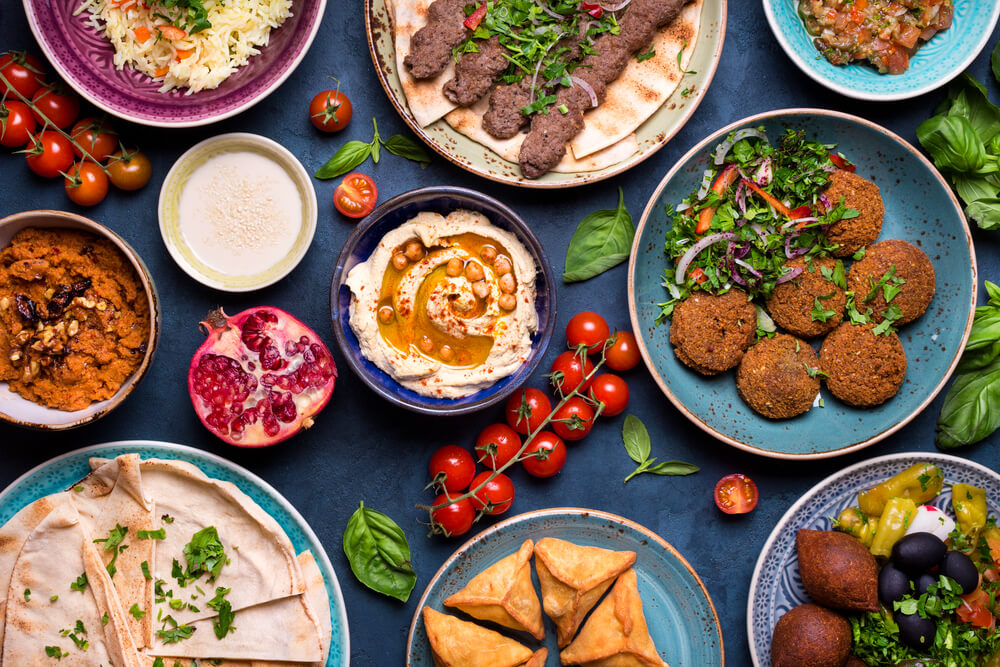
- Falafel and mezze: Fresh, affordable, and delicious—perfect for a quick meal before or after Petra .
- Knafeh: A sweet dessert of cheese and pastry, baked golden and drizzled with syrup. You can even learn to make it at Elan Restaurant .
Pro tip: Food inside Petra is expensive—bring snacks and plenty of water .
How to Reach Petra
Petra has no airport. You’ll fly into one of Jordan’s two main international airports and continue by road.
Airports
- Queen Alia International Airport (AMM), Amman: Jordan’s main hub, about 3–3.5 hours from Petra by car . Best if you’re starting in Amman or have flexible flight options.
- King Hussein International Airport (AQJ), Aqaba: Closer to Petra at about 100 km (roughly 2 hours’ drive) . Best if you’re combining Petra with the Red Sea or Wadi Rum.
Getting to Petra by Road
From Amman: The journey is about 235 km. The Desert Highway is fastest (around 3 hours), while the King’s Highway is slower (4–5 hours) but far more scenic, passing through Madaba, Karak, and Dana .
From Aqaba: About 128 km, a 2-hour drive via the Desert Highway .
From Wadi Rum: About 107 km, a 1.5–2 hour drive. This is one of the most popular combinations in Jordan .
From the Dead Sea: About 188 km, roughly 3 hours .
Transport Options
- JETT Bus: Departs Amman daily (6:30 AM from Abdali, 7:00 AM from 7th Circle), arrives Petra around 10:00–10:30 AM, returns at 5:00 PM . Book online a day or two ahead in high season.
- Private Transfer: Most flexible. Can be arranged through your hotel or tour operator.
- Self-Drive: Rental cars are available at both airports. The Desert Highway is well-maintained .
What to Do: Trails and Experiences
Petra offers multiple trails for different fitness levels and interests.
Main Trail (Easy, 2–3 hours)
From the Visitor Center through the Siq to the Treasury, then continuing past the Royal Tombs, Colonnaded Street, and ending at Qasr al-Bint . This is the route most visitors take.
Al-Khubtha Trail (Hard, 4–5 hours)
A more challenging route that takes you to the Al-Khubtha High Place and Cistern for a breathtaking view over the Treasury from above . This is where you get the iconic “Treasury from above” shot.
Ad-Deir Main Trail (Moderate)
From the museum inside Petra, up ancient steps to the Monastery . About 800–900 steps, but the reward is immense.
Ad-Deir Back Route (Guided Only, 4–5 hours)
An alternative route that approaches the Monastery from the back, avoiding the climb up the main staircase. It starts at Kharrubat al-Fajjah and ends at the Monastery .
Insider tip: Some travelers prefer the back route because you approach the Monastery from above and then walk down the famous staircase, making the journey more enjoyable .
Petra by Night
Every Monday, Wednesday, and Thursday, 8:30 PM to 10:00 PM . Walk the candle-lit Siq and enjoy Bedouin music at the Treasury.
Shopping: What to Bring Home
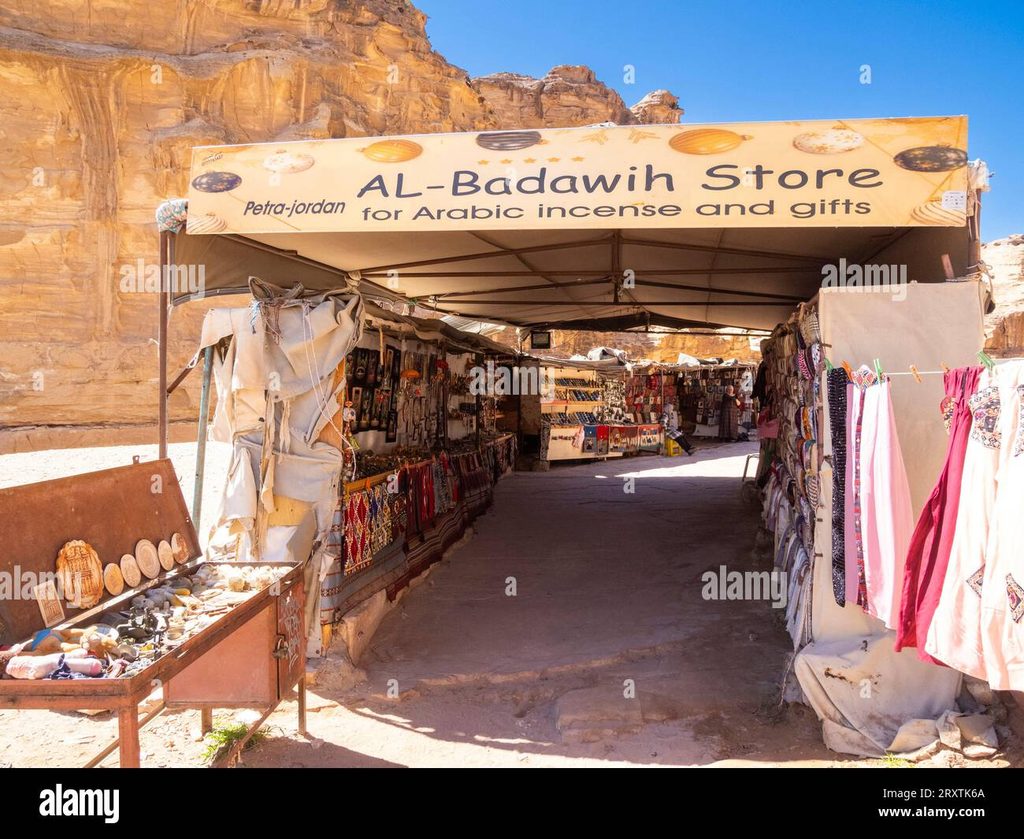
Wadi Musa and the Petra Visitor Center area have plenty of shops selling souvenirs, but the best finds are often from local artisans.
What to buy:
- Petra-inspired jewelry: Silver and semi-precious stones crafted by local artisans. You can even make your own at a silver-making workshop .
- Nabataean pottery: Hand-painted with traditional designs .
- Bedouin textiles and crafts: Handwoven items, embroidery, and traditional garments.
- Jordanian spices and olive oil: Available in local shops in Wadi Musa.
Bargaining tip: Negotiate prices for souvenirs and animal rides. Agree on the price before you start .
Things to Pack: Your Petra Survival Kit
Petra is a hiking destination. Pack accordingly.
Essential gear:
- Sturdy walking shoes: The terrain shifts from smooth canyon floors to rocky staircases. You’ll walk several kilometers .
- Sun protection: Hat, sunglasses, and high-SPF sunscreen. There’s almost no shade .
- Plenty of water: Bring at least 2 liters per person. Water inside Petra is 3–5 times more expensive .
- Snacks: Energy bars, nuts, or fruit. Food inside the park is overpriced .
- Cash (Jordanian Dinar): For tickets, snacks, and tips. Visa cards are accepted at the ticket office .
Optional but useful:
- Headlamp or flashlight: For Petra by Night or early morning starts.
- Light jacket: Desert temperatures drop in the evening.
- Camera with extra batteries: You’ll take hundreds of photos.
Average Budget: What Petra Costs in 2026
Entry Tickets (Official Prices)
For international tourists staying overnight in Jordan (Accommodated Visitors) :
| Ticket | Price |
|---|---|
| One Day | 50 JD |
| Two Days | 55 JD |
| Three Days | 60 JD |
Note: Children under 12 enter free during daylight hours. Multi-day tickets must be used on consecutive days .
Optional Services
- Club Car Shuttle (Visitor Centre to Treasury): 15 JD one way, 25 JD round trip .
- Guided Tours: Main Trail (2.5 hours): 50 JD; Main Trail + Monastery: 100 JD .
- Panoramic Viewpoint (above Treasury): 15 JD .
- Petra by Night: Separate ticket (daylight ticket required for entry) .
Sample Daily Budget
| Travel Style | Estimated Daily Cost |
|---|---|
| Budget | 60–80 JD (entry + basic accommodation + street food) |
| Mid-Range | 120–180 JD (entry + hotel + restaurant meals + guide) |
| Luxury | 250+ JD (entry + upscale hotel + fine dining + private guide) |
The Jordan Pass
The Jordan Pass is a combined ticket that includes Petra entry (1, 2, or 3 days depending on tier), waives the tourist visa fee for visitors staying at least three nights, and covers entry to over 40 sites . For most international visitors, it pays for itself on the Petra trip alone .
Conclusion: The City That Rewards the Curious
Petra is one of those rare places that exceeds the hype. The Treasury is iconic, but the city behind it is what makes Petra unforgettable. The Monastery high in the hills. The Royal Tombs overlooking the valley. The quiet trails that lead to places most visitors never see.
The Nabataeans built a civilization here that thrived for centuries, then faded into history. Their city was forgotten, then rediscovered, and now it welcomes hundreds of thousands of visitors each year. But even with the crowds, Petra retains a sense of mystery and wonder.
Go early. Walk slowly. Climb the steps. Let yourself get lost.
Petra isn’t just a place you visit. It’s a place you carry with you.
Frequently Asked Questions About Petra
1. How many days do I need for Petra?
Two days is ideal. Day one for the main trail (Siq, Treasury, Royal Tombs, Colonnaded Street) and Petra by Night. Day two for the Monastery, the High Place of Sacrifice, or the back route .
2. Is Petra worth visiting if I only have one day?
Yes, but you’ll only scratch the surface. A one-day visit covers the Siq, Treasury, and perhaps the Royal Tombs. You’ll miss the Monastery and the quieter trails .
3. What is the best time to visit Petra?
March to May and September to November offer ideal weather for hiking and sightseeing . Summer is hot but less crowded. Winter brings minimal tourist traffic but shorter days .
4. Do I need a guide for Petra?
No, but a guide adds context. Guided tours range from 50 JD for the Main Trail to 100 JD for trails including the Monastery . You can also hire a guide at the Visitor Center.
5. Is Petra by Night worth it?
Most travelers say yes. Walking the candle-lit Siq and hearing Bedouin music at the Treasury is a unique experience. It runs Monday, Wednesday, and Thursday evenings .
6. What should I wear to Petra?
Comfortable, modest clothing. Sturdy walking shoes are essential—the terrain is uneven and you’ll walk several kilometers. Bring sun protection .
7. Can I ride a donkey or camel at Petra?
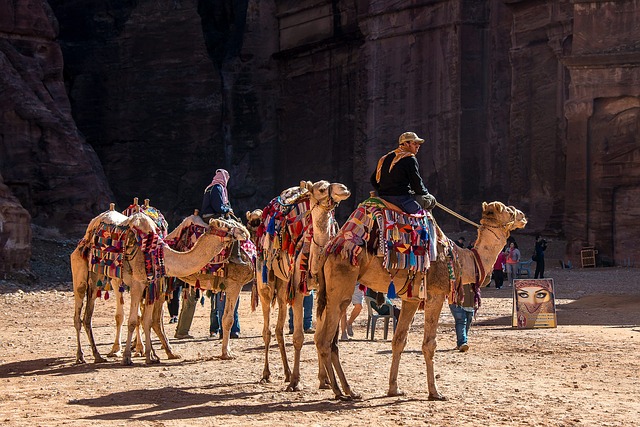
Yes, but negotiate the price before you start and agree on the amount. Animal rides are available for the Monastery climb and other routes .
8. Is Petra safe?
Yes. Petra is a well-managed tourist site. The main risks are physical—heat, dehydration, and slips on uneven terrain. Bring plenty of water and take your time.
9. What is the Jordan Pass?
A combined ticket that includes Petra entry, waives the tourist visa fee, and covers over 40 sites. It typically pays for itself on the Petra trip alone .
10. Can I visit Petra independently?
Yes. You can buy tickets at the Visitor Center, walk the trails on your own, and hire guides on-site if you want. Package tours are convenient but not required .