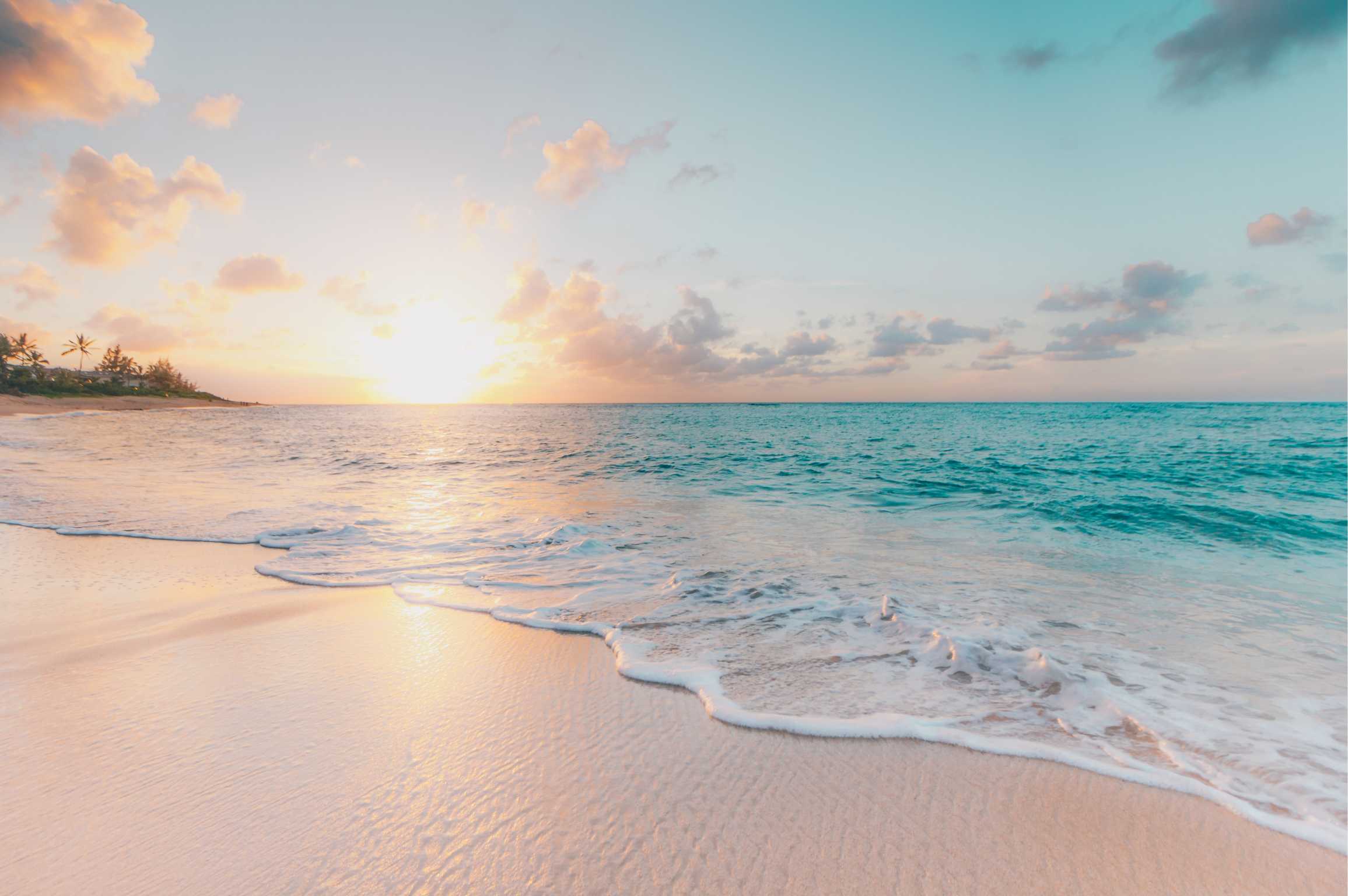
Imagine walking along a vast sandy beach, feeling the cool sea breeze, and watching the sun slowly disappear into the Bay of Bengal. This is the kind of experience that makes Cox’s Bazar, Bangladesh, a favorite destination for beach lovers, families, and adventure seekers.
Located in southeastern Bangladesh, Cox’s Bazar is best known for its long stretch of natural sandy coastline. The destination is widely recognized for its approximately 120-kilometer beach, scenic coastal landscapes, nearby green hills, and lively seaside atmosphere. From enjoying a peaceful morning walk to tasting fresh seafood and exploring nearby attractions, there is plenty to discover here.
But Cox’s Bazar is more than just a beautiful beach. Its history reflects the influence of different rulers and communities, while its coastal geography has helped shape the area’s culture, livelihoods, and tourism industry. Today, the destination plays an important role in Bangladesh’s domestic tourism economy, attracting visitors throughout the year, especially during holidays and the cooler travel season.
Whether you are planning your first visit or simply want to learn more about this remarkable coastal destination, this comprehensive Cox’s Bazar travel guide covers its history, geography, major attractions, culture, local food, transportation, shopping, and travel budget.
History and Geography of Cox’s Bazar
A Brief History of Cox’s Bazar
The history of Cox’s Bazar stretches back centuries, long before it became one of Bangladesh’s best-known tourist destinations. The region has experienced the influence of several kingdoms and rulers, including the Arakanese and the Mughals, reflecting its historical connections with southeastern Bengal and the coastal Arakan region.
According to local historical accounts, the area was once known as Panowa, a name associated with the meaning “yellow flower.” It was also historically called Palongkee.
The modern name, Cox’s Bazar, comes from Captain Hiram Cox, a British East India Company officer who was appointed to administer the area in the late eighteenth century. He worked on the resettlement of refugees, including people arriving from the neighboring Arakan region. A market established in recognition of his work became known as Cox Sahib’s Bazar, and the name eventually developed into Cox’s Bazar.
The town’s administrative history reflects its gradual development. Cox’s Bazar became a police station in 1854 and a municipality in 1869. Over time, its natural coastline, growing transport connections, and expanding accommodation facilities helped transform it into a major tourist destination in Bangladesh.
Today, the area’s history remains an important part of its identity, alongside its fishing communities, local traditions, and diverse cultural influences.
Geography and Location
Cox’s Bazar is situated in southeastern Bangladesh, within Chattogram Division, along the coast of the Bay of Bengal. The town serves as the administrative headquarters of Cox’s Bazar District and is located south of Chattogram, one of the country’s major port cities.
Cox’s Bazar District covers approximately 2,491.86 square kilometers, according to district government information. The district shares boundaries with Chattogram to the north, Bandarban and Myanmar to the east, and the Bay of Bengal to the west and south.
Its landscape is distinctive because it brings together sandy beaches, coastal plains, low hills, rivers, and islands. Important rivers include the Matamuhuri, Bakkhali, Rezu, and Naf. Nearby islands include Moheshkhali, Kutubdia, and Sonadia, while Saint Martin’s Island lies farther south off the coast.
The Famous Cox’s Bazar Beach
The main attraction is the long sandy coastline commonly described by Bangladeshi tourism authorities as approximately 120 kilometers long. It is widely promoted as one of the world’s longest unbroken natural sandy sea beaches.
The beach’s appeal comes from its broad sandy shoreline, views across the Bay of Bengal, and changing scenery throughout the day. Visitors often come to watch the sunrise or sunset, walk along the shore, enjoy the sea breeze, or spend time with family and friends.
The wider coastal area also offers opportunities to explore places such as Laboni Beach, Inani Beach, and Himchari. Each provides a slightly different experience, from busy seaside areas to rocky coastal scenery and green hills.
Climate and Natural Environment
Cox’s Bazar has a tropical monsoon climate, with warm temperatures throughout much of the year. The cooler, generally drier months are popular with travelers who want to enjoy outdoor activities and beach walks. The monsoon season brings heavier rainfall, rougher seas, and changing coastal conditions.
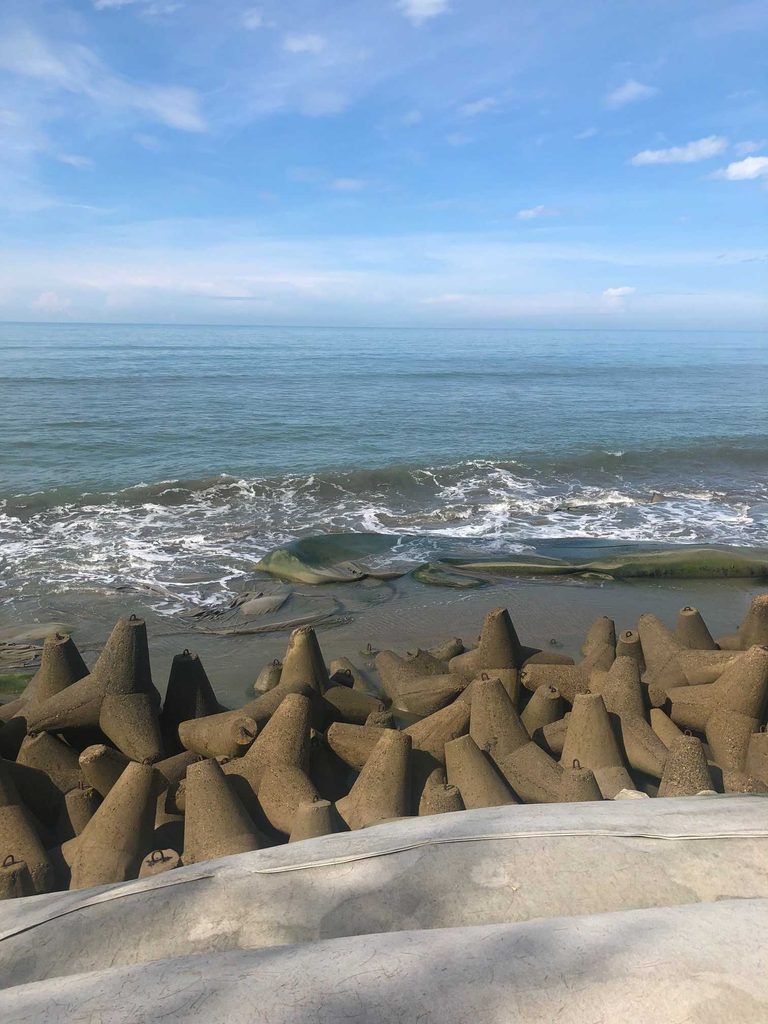
The district’s combination of beaches, hills, rivers, and islands makes it geographically distinctive. However, its coastal environment also faces challenges, including erosion, pressure from tourism development, and the need to protect natural habitats.
For visitors, understanding the local weather and respecting beach safety guidance are important parts of planning a trip.
How Many Visitors Does Cox’s Bazar Receive Each Year?
Cox’s Bazar is one of Bangladesh’s most popular tourist destinations, attracting large numbers of domestic travelers throughout the year. Its long sandy beach, coastal scenery, hotels, seafood restaurants, and accessibility from major cities make it a favorite choice for family holidays, weekend breaks, and extended vacations.
Estimated Annual Tourist Arrivals
The exact number of tourists visiting Cox’s Bazar each year is difficult to establish because publicly reported figures often come from different sources and cover different periods. Estimates from tourism businesses may also be based on hotel occupancy, holiday bookings, and local business activity rather than a comprehensive count of individual visitors.
Tourism-related reports have cited estimates of approximately 6–8 million visitors annually, although this figure should be treated as an industry estimate rather than a verified official annual total. Older published figures have also cited approximately 3 million visitors a year, illustrating how estimates can vary over time and by methodology.
For example, a report published by The Business Standard in December 2024 estimated that around 1.6 million tourists visited Cox’s Bazar during a 15-day year-end holiday period. This was a seasonal estimate reported by local tourism stakeholders, not a count for the entire year.
These figures should be interpreted carefully because seasonal estimates and annual estimates measure different things. A consistent, independently verified annual visitor count is preferable when available.
When Does Cox’s Bazar Attract the Most Tourists?
Visitor numbers tend to increase during public holidays, school vacations, long weekends, and the cooler months. The period from November to March is particularly popular because conditions are generally more favorable for beach activities and sightseeing.
Major holidays such as Eid can also bring substantial crowds. During these peak periods, hotels may experience high demand, transport can become busier, and popular beach areas may be crowded.
Travelers who prefer a quieter experience may want to consider visiting outside major holiday periods. Checking weather conditions, accommodation availability, and local beach safety advice before departure can also help make a trip more enjoyable.
Why Is Cox’s Bazar So Popular?
Several factors contribute to the destination’s popularity:
- Its long natural beach: The coastline is the main attraction for visitors from across Bangladesh.
- Accessible domestic travel: Travelers can reach the destination by road, rail, and air.
- A variety of experiences: Visitors can enjoy beach walks, local markets, seafood, coastal drives, and nearby natural attractions.
- Accommodation choices: Hotels, resorts, guesthouses, and other lodging options cater to different budgets.
- Holiday appeal: Families, couples, and groups of friends often choose Cox’s Bazar for short breaks and longer vacations.
Tourism also supports local livelihoods through accommodation, transport, restaurants, retail businesses, and recreational services. As the destination continues to attract visitors, sustainable tourism practices and protection of its coastal environment remain important.
Overall, Cox’s Bazar holds a central place in Bangladesh’s tourism industry. Although an exact, consistently measured annual visitor total is not readily established, available industry estimates and reports of heavy seasonal arrivals demonstrate the destination’s considerable popularity.
Main Attractions in Cox’s Bazar
Cox’s Bazar offers much more than its famous sandy beach. From dramatic coastal views and rocky shorelines to peaceful islands, green hills, and lively local markets, this coastal destination has something for almost every kind of traveler.
Whether you are visiting for a relaxing beach holiday, a family vacation, or an adventure along the Bay of Bengal, exploring the main attractions will help you make the most of your trip.
1. Cox’s Bazar Sea Beach
Cox’s Bazar Sea Beach is the main attraction and the reason many travelers visit this coastal town. Famous for its long sandy shoreline along the Bay of Bengal, the beach offers beautiful sea views, refreshing ocean breezes, and plenty of space to enjoy a relaxing day by the water.
Visitors can take long walks along the shore, watch the waves roll in, enjoy the changing colors of the sky at sunset, or simply spend time with family and friends. The surrounding area also has hotels, restaurants, souvenir shops, and places to sample local seafood.
For first-time visitors, the main beach is an excellent starting point for exploring Cox’s Bazar. It is especially appealing to travelers who want to experience the destination’s lively seaside atmosphere.
2. Laboni Beach
Laboni Beach is one of the best-known sections of Cox’s Bazar Sea Beach and is conveniently located near the town center. Its accessible location makes it a popular choice for visitors staying in nearby hotels.
The area is particularly lively during holidays and the peak tourist season. Visitors can enjoy beach walks, watch the sunset, browse nearby souvenir stalls, and find refreshments close to the shoreline.
If you are visiting Cox’s Bazar for the first time, Laboni Beach is a practical place to begin your sightseeing. However, it can become crowded during weekends and public holidays, so an early morning visit may offer a more relaxed atmosphere.
3. Sugandha Beach
Sugandha Beach is another popular beach area in Cox’s Bazar, known for its busy surroundings and convenient access to restaurants and local food stalls.
It is a good place to experience the everyday tourist atmosphere of the town. Visitors can enjoy the sea breeze, take photographs, walk along the sand, and explore nearby dining options.
Sugandha is particularly suitable for travelers who enjoy a lively environment rather than a completely secluded beach. As with other popular beach areas, visitors should follow local safety instructions and avoid entering the water when conditions are dangerous.
4. Kolatoli Beach
Kolatoli Beach is a well-known beach area near many of Cox’s Bazar’s hotels, restaurants, and transport services. Its convenient location makes it a useful stop for travelers who want to combine sightseeing with dining and relaxation.
The beach is popular with families, groups of friends, and visitors looking for an accessible place to enjoy the coastline. Nearby restaurants offer opportunities to sample Bangladeshi dishes and seafood.
Kolatoli is also a convenient base for exploring other parts of Cox’s Bazar. Travelers staying in this area can usually arrange local transport for trips to Himchari, Inani Beach, and other coastal attractions.
5. Himchari National Park
Himchari National Park is one of the most appealing natural attractions near Cox’s Bazar. Located south of the main town, the park combines green hills, forested landscapes, and coastal scenery.
One of its best-known features is the viewpoint overlooking the Bay of Bengal. From elevated areas, visitors can enjoy wide views of the coastline and surrounding hills. The park is also associated with a waterfall, although the amount of water visible can vary depending on the season and recent rainfall.
Himchari is an excellent choice for travelers who want a break from the busy central beach. It is especially enjoyable for nature lovers, photographers, and people who appreciate scenic drives.
Visitors should stay on designated paths, respect wildlife, and avoid littering. Checking local access conditions before visiting is also advisable.
6. Inani Beach
Inani Beach is famous for its distinctive rocky shoreline, coastal scenery, and views of the Bay of Bengal. Located south of Cox’s Bazar town along the coastal road, it offers a different experience from the busier central beaches.
One of Inani’s most recognizable features is the presence of rock formations and coral-like stones along parts of the shore. These become more visible in certain areas during low tide, creating interesting patterns for photography and exploration.
The surrounding landscape, with the sea on one side and green hills in the distance, makes Inani a favorite stop for travelers taking a coastal road trip.
Late afternoon can be a lovely time to visit for the changing light and sunset views. However, visitors should be careful around slippery or sharp rocks and avoid climbing on unstable formations.
7. Marine Drive Road
Marine Drive is one of the most scenic road journeys in the Cox’s Bazar region. The coastal route connects the town with attractions farther south, offering views of the Bay of Bengal, sandy beaches, green hills, and small coastal settlements.
Rather than being a single attraction, Marine Drive is an experience in itself. Travelers can enjoy the changing scenery from the road and stop at suitable locations to take photographs or explore nearby beaches.
The route is particularly popular with visitors heading toward Himchari and Inani Beach. It is a wonderful option for travelers who enjoy road trips and want to discover more of the coastline beyond the main tourist area.
For a more comfortable outing, allow enough time for stops and avoid rushing the journey. Follow road signs and local instructions, especially in areas where roadside stopping or beach access may be restricted.
8. Moheshkhali Island
Moheshkhali Island offers a different side of the Cox’s Bazar region, combining coastal landscapes, local communities, and cultural attractions. Unlike the main beach area, the island provides opportunities to explore traditional settlements and experience a quieter pace of life.
The island is known for its hills, waterways, local markets, and religious heritage. Visitors can explore the area, observe local activities, and enjoy views of the surrounding landscape.
One of the island’s best-known landmarks is Adinath Temple, located on Mainak Hill. The temple is an important Hindu pilgrimage site and attracts visitors interested in religion, history, and architecture.
A trip to Moheshkhali can add cultural variety to a Cox’s Bazar itinerary, especially for travelers who want to explore more than beaches and seaside restaurants.
9. Adinath Temple
Adinath Temple is a notable religious and cultural attraction on Moheshkhali Island. Situated on Mainak Hill, the temple is dedicated to Lord Shiva and is an important pilgrimage destination for Hindu devotees.
The temple’s elevated location adds to its appeal, offering visitors an opportunity to appreciate the surrounding landscape while learning about the region’s religious traditions.
Travelers interested in local history and culture may find this visit particularly rewarding. As it is an active place of worship, visitors should dress respectfully, follow local customs, and be considerate of worshippers.
10. Ramu Buddhist Heritage Sites
Ramu, located in Cox’s Bazar District, is known for its Buddhist heritage and cultural diversity. The area has Buddhist temples, monasteries, and religious landmarks that reflect the presence and traditions of Buddhist communities in southeastern Bangladesh.
For travelers interested in culture and history, Ramu provides a welcome contrast to the region’s beach attractions. Visitors can explore religious architecture, learn about local traditions, and appreciate the cultural diversity that makes the wider Cox’s Bazar region distinctive.
When visiting temples or monasteries, it is best to dress modestly, speak quietly, and ask permission before photographing people or religious ceremonies.
11. Dulahazara Safari Park
Dulahazara Safari Park is located in Chakaria, within Cox’s Bazar District. It is a nature-based attraction for visitors who want to explore a different environment from the coast.
The park was established as a deer-breeding center before developing into a larger safari park. Its wooded landscape and wildlife-related attractions make it an option for families and nature enthusiasts.
A visit can add variety to a longer trip, especially for travelers exploring destinations beyond Cox’s Bazar town. Before setting out, check current opening hours, ticket information, and any restrictions through the relevant park authorities.
12. Saint Martin’s Island
Saint Martin’s Island is a small island in the Bay of Bengal, south of mainland Bangladesh. It is known for its coastal scenery, tropical waters, coconut palms, and distinctive island atmosphere.
Although it is often included in travel plans for the wider Cox’s Bazar region, Saint Martin’s is a separate destination that requires additional travel and planning. Visitors may be attracted by its quieter surroundings, seafood, and opportunities to experience island life.
Access to the island and overnight stays can be subject to government environmental protection rules and seasonal restrictions. Travelers should check the latest official announcements before arranging transport or accommodation rather than assuming that boats operate throughout the year.
For visitors with enough time, Saint Martin’s can offer a different experience from the mainland beaches. However, its sensitive marine environment makes responsible tourism especially important.
13. Sonadia Island
Sonadia Island, near Moheshkhali, is known for its coastal dunes, mangrove vegetation, sandy shores, and birdlife. Its natural landscape makes it particularly interesting for visitors who appreciate quiet coastal environments and ecological diversity.
Compared with the central beach areas, Sonadia is less developed as a conventional tourist destination. Its appeal lies in its natural surroundings rather than large hotels or extensive visitor facilities.
Because the island contains sensitive habitats, travelers should check local access arrangements before visiting, avoid disturbing wildlife, and take all rubbish away with them.
14. Local Markets and Seafood
A visit to Cox’s Bazar would not be complete without exploring its local markets and trying some of the region’s seafood. Markets near the main beach areas offer souvenirs, clothing, locally made items, and a variety of products aimed at visitors.
Seafood is another important part of the local food scene. Depending on availability, restaurants may serve fish, prawns, crabs, and other seafood dishes alongside traditional Bangladeshi meals.
Visitors can also explore local dried-fish products, which are an important part of the region’s coastal food culture. Comparing prices before purchasing souvenirs or seafood can help avoid overpaying in busy tourist areas.
Culture of Cox’s Bazar
Cox’s Bazar has a rich cultural identity shaped by its coastal environment, fishing traditions, and connections with neighboring regions. Although the destination is best known for its beach, its culture is equally interesting, reflecting Bengali traditions, Rakhine heritage, Buddhist influences, and local maritime life.
Local Traditions and Communities
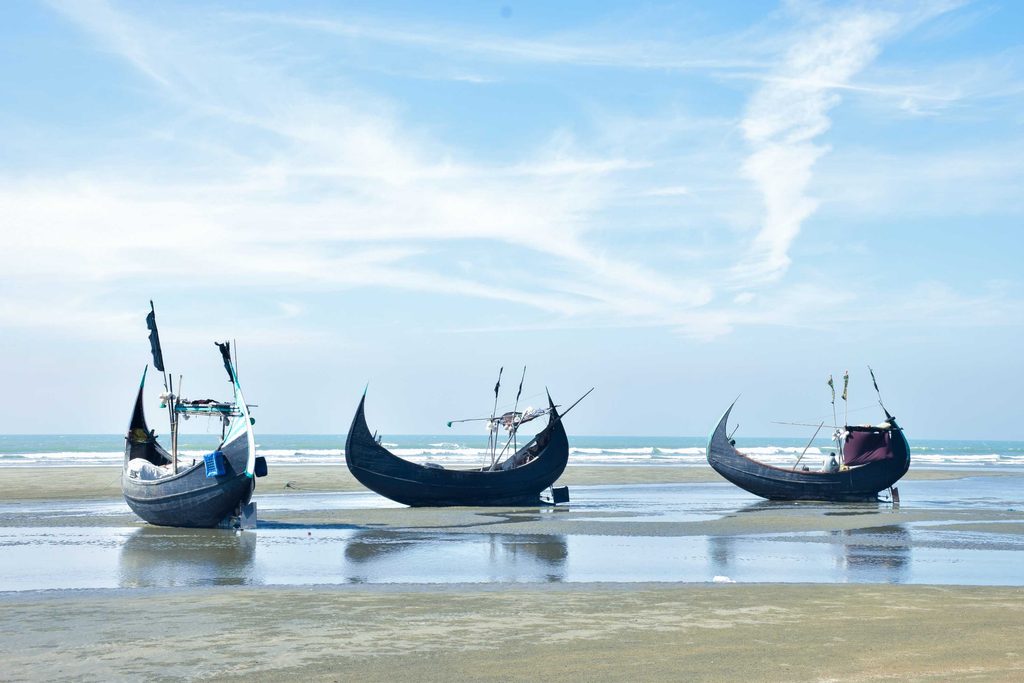
The people of Cox’s Bazar have developed a way of life closely connected to the sea. Fishing, fish trading, boatbuilding, and the preparation of dried fish have long been important to coastal communities. Visitors can see this connection in local markets, fishing boats, and the everyday activities taking place around the shoreline.
The district is also home to Rakhine communities, whose cultural traditions have contributed to the region’s distinctive heritage. Rakhine influences can be seen in traditional crafts, religious architecture, food, and festivals.
Language and Everyday Life
Bengali is widely spoken throughout Cox’s Bazar, but the local dialect has distinctive characteristics influenced by the wider Chattogram region and historical connections with Arakan, now part of Myanmar.
Visitors may notice differences in pronunciation, vocabulary, and expressions compared with standard Bengali. These local variations are part of the region’s cultural character and reflect its long history of coastal trade and interaction among communities.
Religious Heritage
Cox’s Bazar has a diverse religious heritage, with mosques, Buddhist monasteries, pagodas, and Hindu temples found across the district.
Ramu is particularly known for its Buddhist temples and monasteries, while Moheshkhali is home to the well-known Adinath Temple. These sites offer opportunities to learn about the religious traditions and historical connections of local communities.
Visitors should approach religious sites respectfully, dress appropriately, and follow any photography restrictions.
Festivals and Cultural Celebrations
Religious and seasonal festivals contribute to the cultural life of Cox’s Bazar. Buddhist communities celebrate occasions such as Buddha Purnima and Prabarana Purnima, while Rakhine cultural traditions include celebrations associated with the New Year.
In some communities, Prabarana Purnima is marked by the release of illuminated paper lanterns, creating a memorable nighttime spectacle. Moheshkhali’s Adinath Temple also attracts pilgrims and visitors during its annual fair.
Festival dates vary according to religious and traditional calendars, so travelers interested in attending a celebration should check local announcements before planning their visit.
Traditional Crafts and Local Markets
Local markets are a useful place to discover the region’s crafts and coastal products. Depending on the location, visitors may find woven textiles, handmade items, souvenirs, and products associated with local fishing communities.
Rather than treating the area as only a beach destination, take time to explore its markets, learn about traditional livelihoods, and engage respectfully with local people. These experiences can provide a deeper understanding of the culture that makes Cox’s Bazar distinctive.
How to Reach Cox’s Bazar
Cox’s Bazar is accessible by air, train, and road, making it relatively easy to include in a Bangladesh travel itinerary. The best option depends on your budget, starting point, available time, and preferred style of travel.
By Air
Flying is generally the fastest way to reach Cox’s Bazar from Dhaka. Cox’s Bazar Airport receives domestic flights, and the journey from Dhaka typically takes around one hour, depending on the flight schedule and operating conditions.
After landing, travelers can arrange a taxi, CNG auto-rickshaw, or other local transport to reach their hotel or the main beach area.
Air travel is a convenient choice for visitors with limited time, although ticket prices can rise during public holidays and peak tourist periods. Check airline schedules and baggage allowances before booking.
By Train
Train travel is another popular option for reaching Cox’s Bazar from Dhaka. The direct rail connection opened in December 2023, making the coastal destination more accessible to travelers who prefer traveling by rail.
Services such as Cox’s Bazar Express and Parjatak Express have operated on this route, although schedules, operating days, and available services can change. The journey generally takes several hours, so check the latest Bangladesh Railway timetable before planning your trip.
Train travel can be an enjoyable way to experience the journey, but tickets may sell out quickly around major holidays. Booking through official railway channels in advance is advisable.
By Bus
Buses are a widely used way to travel to Cox’s Bazar from Dhaka, Chattogram, and other parts of Bangladesh. Several operators offer different service levels, including air-conditioned coaches and more economical options.
The journey from Dhaka commonly takes around 9–12 hours, although traffic, road conditions, departure times, and rest stops can affect the duration.
Travelers can compare departure times, fares, seating arrangements, and arrival points before choosing a service. Overnight buses are an option for people who want to travel while sleeping and arrive the following morning.
By Private Car
Traveling by private car gives visitors greater flexibility, particularly if they plan to explore places such as Himchari, Inani Beach, and Marine Drive along the way.
However, the drive can be long, and traffic conditions may change considerably during holiday periods. Drivers should allow sufficient time for breaks and avoid rushing on unfamiliar roads.
Getting Around Cox’s Bazar
Once you arrive, local transport options include CNG auto-rickshaws, taxis, local electric three-wheelers, and hired vehicles. These can be useful for getting between the town center, hotel areas, and nearby attractions.
For longer coastal trips, such as visiting Himchari and Inani Beach, agree on the fare and return arrangements in advance if hiring a vehicle for several hours.
Which Travel Option Is Best?
- By air: Best for travelers who want to save time.
- By train: A good option for travelers who prefer rail journeys.
- By bus: Suitable for budget-conscious visitors and those who want more departure choices.
- By private car: Useful for families or groups planning several stops along the coast.
Whatever option you choose, book ahead during major holidays and confirm your departure and arrival details shortly before traveling.
Things to Do in Cox’s Bazar
Cox’s Bazar is an excellent destination for travelers who enjoy a combination of relaxation, outdoor activities, scenic drives, and cultural exploration. Whether you are spending a weekend by the sea or planning a longer holiday, there are plenty of ways to make your visit memorable.
Enjoy a Long Beach Walk
One of the simplest and most enjoyable things to do in Cox’s Bazar is walk along the sandy shoreline. The wide beach provides plenty of opportunities to enjoy the sea breeze, listen to the waves, and take photographs of the coastline.
Early morning walks are particularly pleasant for visitors who prefer a quieter atmosphere. You may see local fishermen preparing for the day or travelers enjoying the peaceful surroundings before the beach becomes busier.
Watch the Sunrise and Sunset
The changing colors of the sky are among the most memorable features of a coastal holiday. Sunrise can provide a calm start to the day, while sunset brings warm colors across the beach and surrounding landscape.
Find a suitable public beach area, check local conditions, and arrive early enough to enjoy the scenery without rushing.
Try Surfing and Beach Activities
Cox’s Bazar has a growing surfing culture, and visitors may be able to find local surfing instruction or beginner-friendly experiences when conditions permit.
Other popular activities include beach volleyball, jogging, kite flying where permitted, and casual games on the sand. Availability depends on the beach area, season, and local rules.
Always follow lifeguard instructions and local warnings. Strong currents and changing sea conditions can make swimming or water sports dangerous, even when the water looks calm.
Take a Scenic Drive Along Marine Drive
A drive along Marine Drive is an excellent way to experience the coastal landscape beyond the central beach. The route offers views of the sea, green hills, and smaller coastal communities.
Many visitors combine the drive with stops at Himchari and Inani Beach. Allow enough time to enjoy the views and stop only in suitable, permitted locations.
Explore Local Markets
Spend some time browsing the markets near the beach and town center. You can find souvenirs, clothing, local crafts, dried fish products, and other items associated with the coastal region.
Shopping can also provide an opportunity to interact with local vendors and discover products that are less familiar to visitors. Compare prices and ask permission before photographing people or their stalls.
Take a Cultural Day Trip
If you have extra time, visit Ramu to explore Buddhist heritage sites or travel to Moheshkhali to see Adinath Temple and experience island life.
These excursions offer a useful contrast to the beaches and resorts, allowing visitors to learn more about the cultural and religious diversity of the wider district.
Enjoy Fresh Seafood
Sampling local seafood is an essential part of many visitors’ Cox’s Bazar experience. Restaurants around the beach and town offer fish, prawns, crab, and other dishes, depending on availability.
Ask about the catch of the day, preparation methods, portion sizes, and prices before ordering. This is especially helpful when choosing seafood sold by weight.
Photograph the Coastline
Cox’s Bazar offers many opportunities for photography, from sweeping beach views to fishing boats, rocky shorelines, and green hills.
Inani Beach is particularly interesting for its rocky coastal scenery, while Himchari provides elevated views of the sea. Early morning and late afternoon often offer softer natural light.
Plan a Relaxing Beach Holiday
You do not need a packed itinerary to enjoy Cox’s Bazar. Many travelers are happiest spending time at the beach, enjoying local food, taking short walks, and relaxing at their hotel.
If you are visiting during a busy holiday, leave some flexibility in your schedule. Traffic, weather, and crowds may affect travel times between attractions.
Local Foods to Try in Cox’s Bazar
Food is an important part of the Cox’s Bazar experience, and the region’s coastal location makes seafood a natural highlight. From freshly prepared fish to traditional Bangladeshi curries and spicy dried-fish dishes, local restaurants offer plenty of flavors to discover.
Fresh Fish and Grilled Seafood
Fresh fish is one of the most popular foods to try in Cox’s Bazar. Depending on the day’s catch and restaurant availability, menus may feature pomfret, sea bass, snapper, and other locally available fish.
Grilled fish is especially appealing to travelers who enjoy simple preparation that allows the natural flavor of the seafood to stand out. Some restaurants serve whole grilled fish with rice, salad, lemon, and spicy sauces.
Before ordering, ask about the type of fish, whether it is sold by weight, and the total price. This helps you compare options and avoid unexpected charges.
Prawns and Crab
Prawns and crab are common seafood choices in the coastal dining scene. They may be prepared with garlic, spices, chili, coconut-based ingredients, or traditional Bangladeshi curry seasonings.
The cooking style varies from restaurant to restaurant, so ask about the available preparations if you prefer a milder or spicier dish.
For travelers who enjoy seafood, sharing a selection of prawns, fish, and crab can be a satisfying way to sample several flavors in one meal.
Shutki Bhorta (Dried Fish Mash)
Shutki is dried fish widely used in Bangladeshi cooking, and it has a strong connection with the coastal economy and food traditions of Cox’s Bazar.
Shutki bhorta is made by preparing dried fish with ingredients such as onions, chilies, mustard oil, and other seasonings. The result is a savory, spicy dish that is often eaten with steamed rice.
Its intense aroma and bold flavor may be unfamiliar to first-time visitors, but it is worth trying if you enjoy traditional Bengali food. Different types of dried fish produce different flavors, so ask the restaurant which variety is being served.
Traditional Fish Curry with Rice
For a familiar and satisfying meal, try a Bangladeshi fish curry served with steamed rice. Fish is prepared in many regional styles, using ingredients such as turmeric, chili, onion, garlic, and other spices.
This is a good option for travelers who want to experience everyday local cooking rather than restaurant-style seafood platters.
The ingredients and flavors vary depending on the fish and the cook, so the dish can offer a different experience at each restaurant.
Lobster and Other Premium Seafood
Some restaurants offer premium seafood dishes, including lobster when available. These can be appealing for travelers celebrating a special occasion or looking for a more elaborate meal.
However, availability and prices vary considerably. Ask for the price and portion size before ordering, particularly if seafood is priced by weight.
Pitha and Traditional Sweets
If you want to explore something beyond seafood, look for traditional Bangladeshi pitha and sweets. Pitha are rice-based snacks or cakes that come in many varieties, with recipes and availability depending on the season and local vendors.
Sweet treats can be a pleasant addition to tea or a light afternoon snack. Not every variety is available throughout the year, so ask local vendors what is freshly prepared.
Fresh Coconut Water
Fresh coconut water is a refreshing choice after spending time in the sun. It is sold by vendors in many parts of Bangladesh, including popular coastal destinations.
Choose a clean, freshly opened coconut and drink plenty of water throughout your beach visit, especially during hot weather.
Where to Eat in Cox’s Bazar
You can find seafood restaurants, casual local eateries, cafés, and hotel restaurants around the main beach areas, including Laboni, Sugandha, and Kolatoli.
For a more local dining experience, consider restaurants serving traditional rice meals, fish curry, and shutki dishes. For a more comfortable setting, hotel restaurants may offer broader menus and additional facilities.
Choose places that maintain good food-handling practices, and make sure seafood is cooked thoroughly. If you have food allergies, explain them clearly before ordering.
Shopping in Cox’s Bazar
Shopping in Cox’s Bazar is a great way to bring home a little piece of your coastal holiday. From locally produced dried fish and handmade souvenirs to clothing, accessories, and traditional crafts, the local markets offer plenty of options for visitors.
Whether you are looking for gifts for friends and family or something to remember your trip, exploring the shopping areas is a worthwhile addition to your itinerary.
Dried Fish and Local Seafood Products
Cox’s Bazar is well known for its dried-fish industry, making dried fish one of the region’s distinctive products. You can find different varieties in local markets, including products associated with the fishing communities of the wider district.
Dried fish can make an interesting purchase for people who enjoy traditional Bangladeshi cooking. If you plan to take some home, choose properly dried and hygienically packaged products. Ask about packaging and storage, especially if you have a long journey ahead.
Souvenirs and Handmade Items
Markets near the main beach areas sell a range of souvenirs, including decorative items, small gifts, shell-inspired crafts, and beach-themed keepsakes.
These products can be a pleasant reminder of your visit, but check that any shells, coral, wildlife products, or other natural materials are legally sourced. Avoid buying coral or products made from protected marine life.
Clothing and Beach Accessories
Cox’s Bazar has shops selling casual clothing, sandals, hats, sunglasses, beachwear, and other travel essentials. These can be useful if you have forgotten something or want to buy comfortable items for the rest of your holiday.
Prices and quality vary between shops, so compare a few options before making a purchase.
Traditional Textiles and Local Crafts
Travelers interested in local culture can look for woven textiles, handmade accessories, and craft products associated with communities in the wider Cox’s Bazar region.
Availability varies by market, and not every item sold as a local craft is necessarily made locally. If authenticity matters to you, ask the seller about the maker and the item’s origin.
Where to Shop
The areas around Laboni Beach, Sugandha Beach, Kolatoli, and the town center have shops and markets catering to tourists. Local markets elsewhere in the district may offer a different selection of everyday goods and regional products.
For a better shopping experience, compare prices, check product quality, and ask about return or exchange policies when relevant. Keep your belongings secure in crowded areas, and carry reusable bags when possible.
Shopping responsibly helps support local businesses while allowing you to take home meaningful souvenirs from your trip.
Things to Pack for Cox’s Bazar
Packing for Cox’s Bazar is relatively simple, but bringing the right essentials can make your beach holiday more comfortable. The weather is generally warm, although rainfall, humidity, and sea conditions vary with the season.
Here is a practical packing list for your trip.
Lightweight Clothing
Pack breathable clothing such as cotton T-shirts, shorts, loose trousers, and comfortable dresses. Lightweight fabrics are particularly useful during hot and humid weather.
Bring an extra set of clothes if you expect to spend a lot of time at the beach. A light jacket or long-sleeved layer can also be useful on cooler evenings or during windy weather.
Swimwear and Beachwear
If you plan to swim where conditions permit, pack suitable swimwear and a change of clothes. A quick-drying towel, comfortable sandals, and a waterproof bag for wet items can also be helpful.
Respect local customs when choosing beachwear, particularly when moving between the beach, restaurants, and religious or cultural sites.
Sun Protection
Sun protection is important during a coastal holiday. Consider bringing:
- Broad-spectrum sunscreen, ideally SPF 30 or higher
- Sunglasses with UV protection
- A wide-brimmed hat or cap
- Lightweight clothing that covers your shoulders and arms
- A reusable water bottle
Reapply sunscreen according to its instructions, especially after swimming or sweating.
Toiletries and Personal Care
Pack your regular toiletries, including toothbrushes, toothpaste, shampoo, soap, and any personal hygiene products you need.
Hand sanitizer, tissues, and a small pack of wet wipes may be useful during day trips. If you are sensitive to mosquitoes, consider bringing an appropriate insect repellent.
Medicines and a Basic First-Aid Kit
Carry any medicines you normally use, along with a small first-aid kit containing items such as adhesive bandages and basic wound-care supplies.
Keep prescription medicines in their original packaging where practical. Do not rely on finding a particular product locally if you need it regularly.
Travel Documents and Money
Keep your identification, transport tickets, hotel booking details, and emergency contact information accessible. Carry some cash for small purchases and local transport, while keeping cards and valuables secure.
If you are traveling from overseas, check your passport, visa, and entry requirements before departure.
Electronics and Photography Gear
A smartphone or camera is useful for capturing beach views and coastal scenery. Bring chargers, a power bank, and a protective pouch if you expect to spend time around sand or water.
A waterproof bag can help protect electronics from splashes, but it should not be assumed to make a device safe for underwater use.
Rain Protection
If you are visiting during the rainy season or a period of unsettled weather, pack a compact umbrella or lightweight rain jacket. A waterproof cover for your day bag can also protect important belongings.
Optional Items for Day Trips
For trips to Himchari, Inani Beach, or other attractions, consider bringing comfortable walking shoes, a small daypack, drinking water, snacks, and a light change of clothes.
Pack according to the length of your stay rather than bringing too much. A well-organized bag will make it easier to move between your hotel, the beach, and local attractions.
Average Budget for a Trip to Cox’s Bazar
Planning your budget is an important part of organizing a trip to Cox’s Bazar. The good news is that this popular coastal destination offers accommodation, food, and transportation options for different budgets. You can enjoy a simple beach holiday without spending a fortune, or choose a more luxurious experience with a comfortable resort and premium seafood dining.
Your total expenses will depend on where you are traveling from, how you get there, how many nights you stay, and whether you visit additional attractions.
Estimated Cost of a Cox’s Bazar Trip
For a typical three-day, two-night trip from Dhaka, the following estimates can help you plan your spending. These are illustrative planning ranges, not fixed prices or guaranteed quotations. Prices are Bangladeshi currency Taka(৳)
| Expense | Budget Traveler | Mid-Range Traveler | Luxury Traveler |
| Return transportation | ৳2,000–3,500 | ৳3,000–6,000 | ৳6,000–15,000+ |
| Accommodation for two nights, per person sharing a room | ৳1,500–3,000 | ৳3,000–6,000 | ৳8,000–20,000+ |
| Food for three days | ৳1,200–2,000 | ৳2,000–3,500 | ৳4,000–8,000+ |
| Local transportation and sightseeing | ৳500–1,000 | ৳1,000–2,500 | ৳2,500–5,000+ |
| Miscellaneous expenses | ৳500–1,000 | ৳1,000–2,000 | ৳2,000–5,000+ |
| Estimated total per person | ৳5,700–10,500 | ৳10,000–20,000 | ৳22,500–53,000+ |
These estimates assume shared accommodation for the budget and mid-range categories. Luxury accommodation costs may be shared or charged per room, depending on the booking. Airfare, premium seafood, private vehicle hire, and optional excursions can increase the total.
Accommodation Costs
Accommodation is often one of the largest expenses of a Cox’s Bazar holiday. Budget guesthouses and simple hotels can help reduce costs, while sea-view rooms and premium resorts generally require a larger budget.
Hotels around Kolatoli, Sugandha, and Laboni offer different levels of comfort and access to the beach. Compare the total room price, location, included meals, cancellation terms, and additional charges before booking.
Prices can rise during public holidays, weekends, and the peak tourist season. Reserving your room in advance is a sensible choice during busy periods.
Food and Dining Expenses
Travelers can save money by eating at local restaurants serving rice, dal, vegetables, and fish or chicken dishes. If you want to enjoy fresh seafood, remember that specialty fish, crab, and prawns may cost considerably more.
Check menu prices before ordering seafood sold by weight, and include drinks, snacks, and occasional café visits in your budget.
Transportation Costs
Bus and train travel can be economical ways to reach Cox’s Bazar from Dhaka, while flights offer a faster alternative at a potentially higher price. Local transport costs depend on how frequently you travel between attractions and whether you share a vehicle with other visitors.
If you plan to visit Himchari and Inani Beach on the same day, ask about the complete return-trip fare before starting your journey.
How to Save Money on Your Trip
- Travel outside major holidays when possible.
- Compare transport fares and accommodation options before booking.
- Share a hotel room with friends or family to reduce the cost per person.
- Eat at reputable local restaurants rather than choosing expensive meals every time.
- Group nearby attractions into one sightseeing trip.
- Keep some money aside for unexpected expenses.
What Is a Realistic Budget?
For a budget-conscious traveler coming from Dhaka, around ৳6,000–10,000 per person can be a useful starting estimate for a simple three-day, two-night trip. A more comfortable trip may require ৳10,000–20,000 per person, while a luxury stay can cost considerably more.
These figures should be checked against current transport fares and hotel quotations before booking. They exclude major optional expenses such as premium excursions and unusually expensive seafood meals.
Conclusion
Cox’s Bazar is more than just a famous beach destination in Bangladesh. With its long sandy coastline, scenic Marine Drive, nearby hills, cultural landmarks, lively markets, and delicious seafood, it offers a memorable experience for many different types of travelers.
Whether you want to relax beside the Bay of Bengal, explore the history and traditions of local communities, take a scenic road trip, or enjoy freshly prepared fish, Cox’s Bazar has plenty to offer. Its range of accommodation and transportation options also makes it possible to plan a trip around different budgets and travel preferences.
Before you leave, check the weather, confirm your transport and hotel bookings, and review any seasonal restrictions that might affect your plans. Respect local customs, follow beach safety advice, and help protect the coastal environment by avoiding litter and disturbing wildlife.
If Cox’s Bazar is on your travel wish list, a little preparation can help you enjoy its natural beauty and discover why it remains one of Bangladesh’s best-known holiday destinations.
For more travel inspiration, destination guides, and practical travel tips, keep exploring Sightsofwonder.com and start planning your next adventure.
Frequently Asked Questions About Cox’s Bazar
1. Where is Cox’s Bazar located?
Cox’s Bazar is located in southeastern Bangladesh, in Chattogram Division, along the coast of the Bay of Bengal. It is approximately 400 kilometers by road from Dhaka, although the actual distance and travel time depend on the route and starting point.
2. Why is Cox’s Bazar famous?
Cox’s Bazar is famous for its long natural sandy beach, coastal scenery, and popularity as a holiday destination. Visitors also enjoy nearby attractions such as Himchari, Inani Beach, Marine Drive, and the cultural sites of Moheshkhali and Ramu.
3. How long is Cox’s Bazar Beach?
Cox’s Bazar Beach is commonly described as approximately 120 kilometers long. The figure generally refers to the wider stretch of sandy coastline rather than just the central beach area near the town.
4. What is the best time to visit Cox’s Bazar?
The cooler, generally drier months from November to March are popular for visiting Cox’s Bazar. However, weather conditions vary, and travelers should check forecasts and local sea-safety guidance before planning beach activities.
5. How can I reach Cox’s Bazar from Dhaka?
You can travel from Dhaka to Cox’s Bazar by direct flight, train, or long-distance bus. Flights are generally the fastest option, while buses and trains offer alternatives for different budgets and preferences. Check current schedules and fares before booking.
6. How many days are enough to explore Cox’s Bazar?
Two to three days are usually enough to experience the main beach areas, visit Himchari and Inani Beach, enjoy local food, and take a drive along Marine Drive. If you want to explore cultural attractions or nearby islands, consider allowing additional days.
7. How much does a Cox’s Bazar trip cost?
A simple three-day, two-night trip from Dhaka may cost approximately ৳6,000–10,000 per person, while a more comfortable trip may cost ৳10,000–20,000 or more. These are planning estimates; actual expenses depend on transportation, accommodation, dining choices, and travel dates.
8. What are the best places to visit in Cox’s Bazar?
Popular attractions include Cox’s Bazar Sea Beach, Laboni Beach, Sugandha Beach, Kolatoli Beach, Himchari National Park, Inani Beach, and Marine Drive. Travelers interested in culture can also explore Moheshkhali Island, Adinath Temple, and Ramu.
9. What food is Cox’s Bazar known for?
Cox’s Bazar is particularly known for seafood, including grilled fish, prawns, crab, and traditional fish curry. Visitors can also try shutki bhorta, a flavorful dried-fish preparation commonly eaten with rice.
10. Is Cox’s Bazar suitable for families?
Yes. Cox’s Bazar offers family-friendly accommodation, restaurants, sightseeing opportunities, and beach activities. Families should choose safe beach areas, supervise children closely near the water, and follow lifeguard instructions and local safety warnings.
11. Can I visit Saint Martin’s Island from Cox’s Bazar?
Saint Martin’s Island is a separate island destination in the Bay of Bengal that requires additional travel arrangements. Boat services, permitted travel periods, and overnight-stay rules may change under environmental protection measures. Check current government announcements before planning a visit.
12. What should I pack for a trip to Cox’s Bazar?
Pack lightweight clothing, comfortable sandals, sunscreen, sunglasses, a hat, toiletries, personal medicines, identification, and a reusable water bottle. A rain jacket or umbrella may also be useful depending on the season.
13. Is Cox’s Bazar worth visiting?
Cox’s Bazar is worth considering if you enjoy beaches, coastal scenery, seafood, and local culture. Its combination of natural attractions and accessible travel options makes it a popular choice for both short holidays and longer trips in Bangladesh.