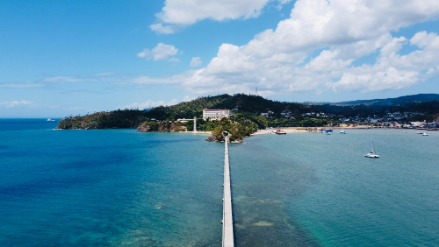
🏝️ Introduction – The Caribbean’s Best-Kept Secret
Have you ever dreamed of a Caribbean escape that doesn‘t feel like a crowded resort strip? Somewhere the jungle tumbles straight into turquoise waters, humpback whales breach just offshore, and the local pace of life is set by the rhythm of the waves rather than the demands of a schedule?
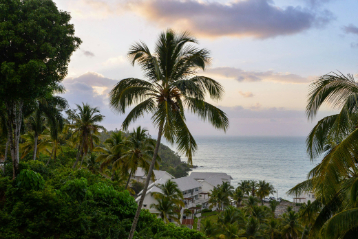
Welcome to Samana Province, the Dominican Republic’s lush, untamed northeastern peninsula. Forget everything you think you know about Caribbean crowds and overdeveloped coastlines. Samana is different. It’s the kind of place where you can hike through rainforest to a thundering waterfall in the morning, eat fresh-caught fish with your toes in the sand at lunch, and watch the sunset paint the bay in shades of gold and pink from a clifftop bar in the evening.
While Punta Cana and Puerto Plata draw the mega-resort crowds, Samana has quietly remained a haven for travelers seeking a more authentic, nature-focused, and soul-stirring Caribbean experience. This province is often called the “Normandy of the Antilles“ for its dramatic, green mountains plunging into the sea — a landscape more reminiscent of a tropical European coastline than a typical Caribbean beach town.
But don’t let that romantic nickname fool you. Samana is pure Dominican Republic at its wildest and most wonderful. Whether you’re an adventure seeker craving jungle treks and whale encounters, a foodie hunting for the perfect plate of pescado con coco, or a beach bum searching for that perfect stretch of untouched sand, Samana delivers — and then some.
This guide is your ticket to discovering it all, from the province’s fascinating history and jaw-dropping geography to the best things to do, the must-try local dishes, and everything in between.
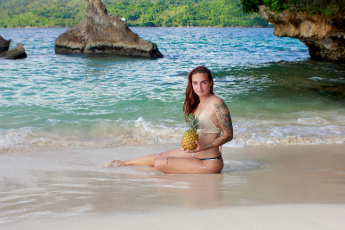
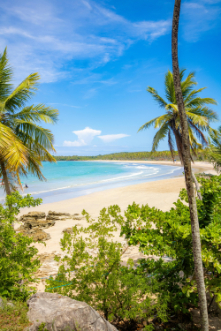
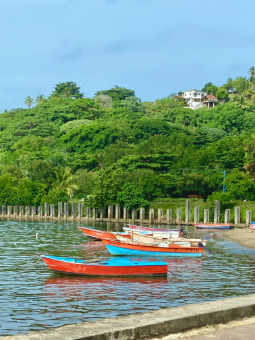
📜 History & Geography – Where Freedom Anchored and Empires Dreamed
Long before the first whale-watching tour boat set sail, the Samaná Peninsula was a place where history collided, cultures converged, and liberty found an unlikely Caribbean refuge. This is a story as dramatic as its landscapes.
🏞️ The Lay of the Land (Geography)
Samana Province occupies the Samaná Peninsula on the Dominican Republic’s northeastern coast. The province is almost entirely formed by the Sierra de Samaná mountain range, which reaches many of the coastal areas. Its highest mountain is called La Meseta, located in the eastern portion. The capital of the province is the town of Santa Bárbara de Samaná, usually known simply as Samaná.
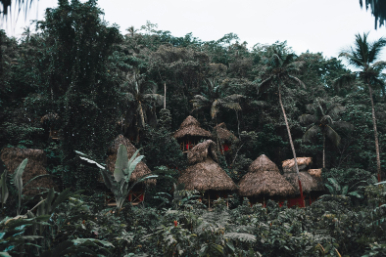
The geography here is incredibly diverse, featuring: pristine beaches, lush rainforests, dramatic waterfalls, coconut plantations, hidden bays, mountains, valleys, and coral reefs. A special feature of the region is its unique caves etched with ancient petroglyphs and pictograms, which can be found scattered throughout the jungle.
Samana has a tropical rainforest climate, with an annual average temperature of about 25.9 degrees Celsius (78.6°F). Annual precipitation in the mountains can exceed 2,000 millimeters. The province has numerous rivers and streams, including the final part of the Yuna River.
👑 A Walk Through Time (History)
The Taíno Era: Before any foreign sails touched the horizon, the peninsula – known as “Xamaná” – was home to the Ciguayos, a subgroup of the Taíno people known for their fierce independence and skill with archery. When Christopher Columbus sailed into Samaná Bay in January 1493, he called it “the fairest land on the face of the earth.” However, his arrival led to the first armed Indigenous resistance against Europeans in the Americas, earning the bay the name “Bay of Arrows.”
Colonial Era: In 1756, to defend their claim, Spanish authorities founded the town of Santa Bárbara de Samaná, populating it with Canary Islander settlers. In 1795, Spain ceded Santo Domingo to France. The French, under Napoleon, briefly reimagined Santa Bárbara as “Port Napoléon,” crafting elaborate maps with planned fortresses and boulevards before their dreams were ultimately unrealized.
The African American Exodus: The early 19th century brought sweeping changes. In 1822, after Haiti reunited the island, President Jean-Pierre Boyer abolished slavery and invited free African Americans in the United States to immigrate to Hispaniola. In 1824–25, thousands sailed to Haiti, and about 200 settled in Samaná. These families, mostly from the U.S. East Coast, brought their language, Protestant faiths, and customs with them, creating a community that remained culturally autonomous for generations. Today, their descendants form a minority cultural sub-group known as the Samaná Americans. It is estimated that there are over half a million Dominicans who are descendants of these African American settlers.
Modern Era: The province was officially established in 1867 and its capital today maintains its vibrant, multicultural identity, blending Taíno, Spanish, French, and African American influences. The town itself is a scenic, peaceful port, where friendly Dominicans live with tourism, agriculture, and fishing activities, all set to the beat of Merengue, Bachata, and Salsa music.
📊 Number of Visitors Per Year – The Rising Star
Samana is emerging as a top-tier Caribbean destination. While it has long been a hidden gem, its star is on the rise. The province is on track to attract between 300,000 and 400,000 tourists annually once its cruise ports are fully operational. Canada currently leads tourist arrivals to Samaná, accounting for 89.7% of visitors, followed by Portugal and the United States.
The region is experiencing a tourism surge. In 2025, the Dominican Republic set records for both cruise and air visitor arrivals, with expectations of over 3 million cruise passengers by year‘s end and total air arrivals for January–April 2025 reaching about 3.29 million travelers. This increased interest is driving significant investment, including a new world-class private aviation terminal and the unveiling of the sixth edition of the “Go Samaná” tourist guide, designed to showcase the region’s attractions. This guide will be distributed internationally, further solidifying Samaná’s place on the global travel map.
🐋 Main Attractions – The Greatest Hits of Samaná
Samana isn‘t a one-trick pony. Its main attractions are a powerful lineup of nature’s finest shows.
🐳 1. Samaná Bay Whale Watching – Nature‘s Greatest Marine Spectacle
This is the headliner. The one you’ve seen on nature documentaries. The reason many travelers book their flights a year in advance.
From January to March, the warm, protected waters of Samaná Bay host one of the largest concentrations of humpback whales in the world. Thousands of these majestic creatures migrate here from the North Atlantic to breed and give birth to their calves. The bay is a designated marine mammal sanctuary, one of the most important marine reserves in the world.
The experience is unforgettable. You’ll witness whales breaching, fin and tail slapping, and mothers nurturing their newborn calves in crystal-clear tropical waters. The season runs from mid-January to late March, with the best sightings typically in February.
Important: Strict regulations are in place to protect the whales. Only a limited number of boats are allowed at a time, and they must maintain minimum approach distances. Always choose a reputable tour operator that follows these guidelines.
🏞️ 2. Los Haitises National Park – A Jurassic World Wonderland
Accessible only by boat, Los Haitises is a protected national park that feels like a movie set. It covers 826 km² (319 sq mi) and features a limestone karst plateau with dramatic, conical hills, hidden sinkholes, and a vast area of mangrove forest.
Guided boat tours take you through silent mangrove channels (the “Haitises” means “highlands” in Taíno), past towering rock formations covered in tropical vegetation, and into ancient sea caves. These caverns are adorned with petroglyphs and pictograms left behind by the Taíno people centuries ago. The park is also a birdwatcher‘s paradise, home to flamingos, pelicans, frigatebirds, and many other rare species endemic to the island.
🏝️ 3. Cayo Levantado (Bacardi Island) – A Postcard Come to Life
Just a short boat ride from the Samaná port lies the tiny, picturesque island of Cayo Levantado. Measuring about one square kilometer, it’s the picture-perfect Caribbean postcard: brilliant white sand, palm-fringed beaches, and calm, turquoise water.
It’s also known as “Bacardi Island” because of a famous commercial filmed here in the 1970s. You can spend the day swimming, sunbathing, kayaking, or paddleboarding, and enjoy fresh fish at one of the beachfront eateries on the public side of the island. For pure luxury, you can even stay overnight at the on-site resort, which occupies the other half of the island, with two stunning, private white-sand beaches.
🐎 4. El Limón Waterfall – A Thundering Jungle Oasis
Deep in the tropical jungle near the town of El Limón lies Salto El Limón, a spectacular 52-meter (170-foot) waterfall. The waterfall cascades into a refreshing natural pool, making it the perfect reward after a jungle trek.
The journey to the falls is an adventure in itself. The most popular way to visit is on a guided horseback ride through the lush, muddy terrain, which adds another layer of unforgettable experience to your jungle adventure. For the more adventurous, a hike on foot through the tropical forest is also available, offering a closer connection to the rich biodiversity of the area. The water is remarkably cool, making for a refreshing dip on a hot Dominican day.
🏖️ 5. Playa Rincón – The Crown Jewel of Caribbean Beaches
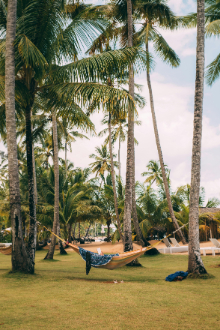
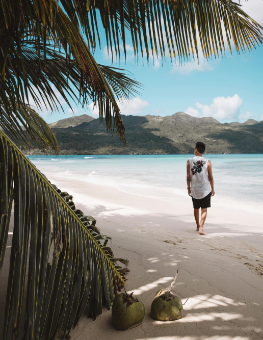
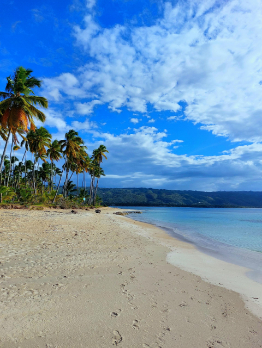
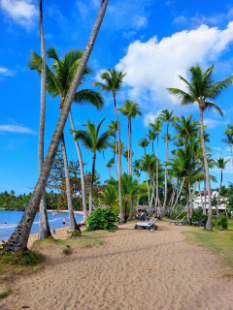
Often cited as one of the most beautiful beaches in the Dominican Republic, Playa Rincón is a sprawling, mile-long arc of powdery white sand and calm, crystal-clear waters, framed by swaying palm trees and green hills. The water is calm for most of the year, making it perfect for swimming. It feels wonderfully remote, but you’ll find a handful of family-run restaurants serving incredible grilled fish right on the sand. It‘s the kind of beach you dream about long after you’ve returned home.
🌊 6. Playa Frontón – A Rugged Paradise for Adventurers
For those seeking an even wilder edge, Playa Frontón is a stunning, crescent-shaped beach backed by towering cliffs, one of which reaches 20 meters high. It‘s a paradise for snorkeling and diving, as the beach is flanked by a living coral reef teeming with colorful marine life. The beach is not accessible by road, adding to its secluded, exclusive feel. You can reach it by boat tour from Las Galeras, or by a challenging two-hour hike from the town of El Valle for the truly adventurous.
🏘️ 7. The Towns and Villages
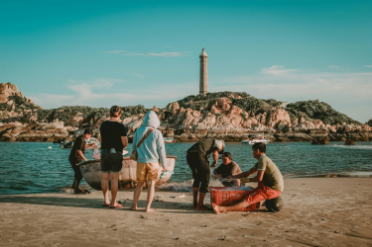
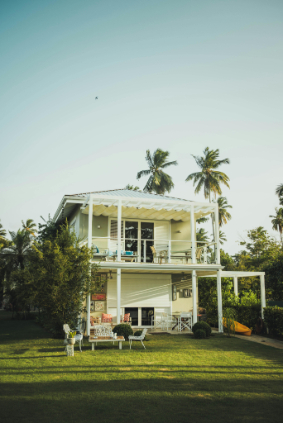
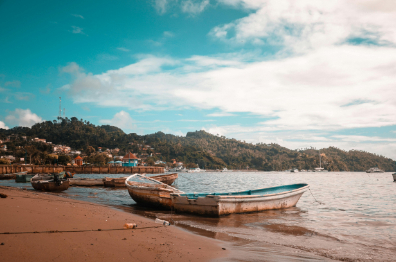
The province is built on many distinct towns. The capital, Santa Bárbara de Samaná, is a scenic port town with a renovated Malecón (seaside promenade) full of restaurants, bars, and shops. Las Terrenas is a vibrant, international beach town known for its lively atmosphere and French and Italian influence. Las Galeras is a smaller, more laid-back fishing village, perfect for those seeking seclusion and easy access to beautiful, uncrowded beaches like Playa Rincón. Sánchez, another old town, is a key port for accessing Los Haitises National Park.
🎎 Culture – A Vibrant Mosaic of Many Worlds
Samana‘s culture is a rich tapestry, reflecting its unique history as a crossroads of the Caribbean. It’s a true melting pot where African American, European, and Taíno heritages blend.
- The Samaná Americans: One of the most unique aspects of the province is the community of Samaná Americans, descendants of the free African Americans who arrived in 1824–25. They have preserved their own cultural traditions, including a unique variety of African American English, cuisine, games, and community service associations. You can sometimes hear English spoken with an old-fashioned Southern accent, visit their historic Methodist and Wesleyan churches, and taste their traditional bread and sweets, like those sold at Mi Vieja on the Samaná highway. The community serves as a living link between the United States and the Dominican Republic.
- The Rhythm of the Island: Like the rest of the country, Samaná pulses to the sounds of Merengue, Bachata, and Salsa music. You‘ll hear it everywhere, from the Malecón to a mountain village.
- Local Festivals and Traditions: The town celebrates its birth anniversary on August 23, with parades and festivities. Throughout the year, local harvest celebrations and gospel singing traditions from the African American community keep the past alive.
- Daily Life and Warmth: The people of Samaná are known for being extraordinarily friendly and easy-going, living their lives intimately connected to the sea, the land, and a deep sense of tradition.
- Cultural Do’s and Don’ts (Your Cheat Sheet):
- Do greet people with “Buenos días” (good morning), “Buenas tardes” (good afternoon), or “Buenas noches” (good evening). A friendly “Hola” goes a long way.
- Do learn a few words in Spanish. It is highly appreciated.
- Don‘t wear only a swimsuit away from the beach or pool area. It’s considered disrespectful in town, shops, and restaurants.
- Don‘t expect punctuality. “Island time” is real, and life moves at a slower, more relaxed pace here.
- Do ask for permission before taking photos of locals, especially in close-up shots.
- Don’t be surprised by forward driving. Driving here can be an experience of its own (more on that below)!
🚗 How to Reach Samana
Getting to this natural paradise is getting easier every year.
✈️ By Air: The Scenic Route
- El Catey International Airport (AZS): The gateway to Samaná, located near the town of El Catey on the peninsula. Airlines like Air Transat, Air Canada Rouge, and Discover Airlines offer seasonal flights. New routes are being added regularly.
- Through Santo Domingo (SDQ) or Punta Cana (PUJ): Most international flights from the U.S. arrive at Santo Domingo’s Las Américas Airport or Punta Cana Airport, as direct flights to Samaná are more limited and often pricier. From there, you can take a scenic drive.
🚗 By Road: The Adventurer’s Approach
- From Santo Domingo: The most common way is to rent a car and drive about 2.5 to 3 hours via the modern, well-paved Santo Domingo–Samaná Highway (Route 7). This is a beautiful drive through the Dominican countryside. Having a car gives you the ultimate freedom to explore the peninsula’s scattered attractions at your own pace. However, be aware that once you leave the main highway, roads can be winding and local driving can be “chaotic.” Nervous drivers might find private transfers or taxis a less stressful option.
- Alternatives: Private shuttles and buses are also available from Santo Domingo, but they are less flexible than having your own vehicle for exploring the region‘s many hidden corners. Taxis are available but can be expensive for long distances between towns.
🚐 Getting Around Samana
Having a rental car is the most flexible way to explore, especially since the best beaches and attractions are spread out and can be an hour or more apart. If you don’t drive, base yourself in a town like Las Terrenas, where taxis and tours are more readily available. Alternatively, you can fly into Santo Domingo, take a private transfer to Samana, and then rent a car locally. The roads are generally navigable, but be prepared for occasional encounters with motorbikes, slow trucks, and potholes.
🏄 What to Do in Samana – Adventure and Relaxation Hand in Hand
Beyond the main attractions, Samana offers a full menu of unforgettable activities for every kind of traveler.
- 🐋 Whale Watching: The #1 bucket-list activity. Take a responsible boat tour from mid-January to mid-March.
- 🏞️ Explore Los Haitises National Park: A guided boat tour through the stunning mangroves and limestone caves is a must.
- 🐎 Ride a Horse to El Limón Waterfall: An iconic Samaná experience. Ride through the jungle and swim at the base of a 170-ft cascade.
- ⛵ Visit Cayo Levantado: Spend the day on this postcard-perfect island, swimming and relaxing on its white-sand beaches.
- 🤿 Snorkel or Dive at Playa Frontón: Explore the vibrant coral reef and marine life at this rugged, cliff-backed beach.
- 🏖️ Lounge on the Beaches: Dedicate time to Playa Rincón (for pure bliss) and other hidden gems like Playa Madama and Playa Las Galeras.
- 🌿 Explore Caves with Taíno Petroglyphs: Some boat tours in Los Haitises National Park include visits to caverns with ancient rock art.
- 🌊 Take an ATV Adventure: Explore the countryside beyond the main towns, riding past coconut groves and hidden caves.
- 🚣 Kayak Through Mangroves: In San Lorenzo Bay, kayaking through the quiet mangroves is a serene way to see local birdlife.
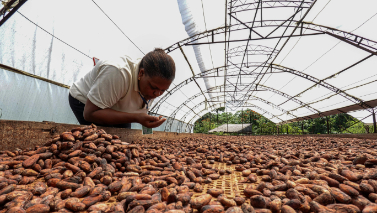
- 🍫 Farm-to-Table Chocolate & Coffee Tour: Learn about the process of making Dominican chocolate and coffee at a local plantation.
- 🧘♀️ Beachfront Yoga & Wellness: Many hotels offer wellness experiences, from yoga on the sand to spa treatments with ocean views.
- 🎣 Deep-Sea Fishing: Samaná Bay is known for excellent sport fishing for Mahi-Mahi (Dorado), Marlin, and Tuna.
- 🍽️ Cooking Classes: Sign up for a class in Las Terrenas or Santa Bárbara de Samaná to learn the secrets of local dishes.
- 🏍️ Rent a Scooter: To explore the back roads between Las Terrenas and Las Galeras.
- 🛍️ Visit the Malecón at Sunset: Stroll along the seaside promenade in Samaná town, lined with restaurants, bars, and souvenir shops.
- 💃 Dance the Night Away: Experience the local nightlife, especially in Las Terrenas, where you’ll find everything from laid-back beach bars to energetic salsa clubs.
- 🐘 El Valle Village & Elephant Sanctuary: Visit the unique El Valle community, known for its nearby beaches and a small, community-run sanctuary that cares for retired circus elephants, a truly unique Caribbean experience.
🍛 Local Foods – A Culinary Odyssey Through Samaná
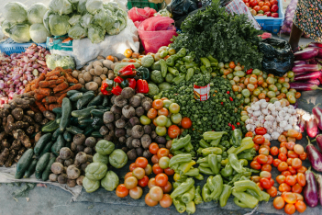
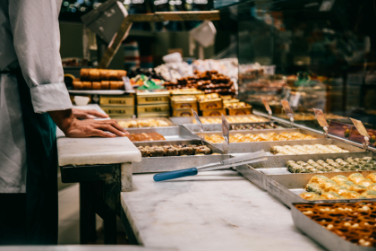
Forget the all-inclusive buffet. Samaná’s local cuisine is the real star. It‘s a unique blend of traditional Dominican cooking with a distinct Samaná twist, heavily featuring fresh seafood, coconut, and a dash of international influence.
- 🥥 Pescado con Coco (Fish in Coconut Sauce): This is the signature dish of Samaná. A fresh catch (often grouper or snapper) is simmered in a savory, creamy sauce made from coconut milk, garlic, ginger, tomatoes, and onions. It‘s an explosion of Caribbean flavor you’ll dream about.
- 🐟 Fried Fish with Tostones: A classic Dominican dish perfected in Samaná. Whole, freshly caught fish is fried to crispy perfection and served with tostones (twice-fried green plantains) and fluffy coconut-infused rice.
- 🥘 La Bandera (The Flag): The Dominican national lunch, served everywhere. It includes white rice, red beans, stewed meat (chicken, beef, or goat), and fried plantains or a side salad. If a restaurant serves a lunch menu, this is almost certainly what’s on it.
- 🍤 Shrimp from Sánchez: The small coastal town of Sánchez is famous for its shrimp, which are served in Samaná restaurants in curries, garlic sauce (al ajillo), or with a spicy criolla salsa.
- 🥐 Expat Influence: In towns like Las Terrenas, you‘ll find a fantastic mix of French and Italian bakeries and restaurants, adding a delightful European twist to the local culinary scene.
- 🥣 Traditional Frituras: Hit the street food stalls for empanadas (filled pastries), chicharrones (crispy pork belly), and yaniqueques (a salty, fried dough similar to a crispy flatbread).
- 🍌 Mofongo de Yuca: A local favorite made from mashed yuca (cassava) instead of plantains, often filled with shrimp or sautéed vegetables for a delicious, gluten-free twist.
- 🍷 The Dirty Banana: This famous Dominican cocktail is thought to have originated right here in Samaná. It’s a creamy, blended mixture of rum, banana, coffee liqueur, and milk.
- ☕ Where to Eat:
- El Cabito (Las Galeras): Perched on a cliff with incredible views, this is a top spot for fresh seafood and local specialties like pescado con coco.
- Pueblo de los Pescadores (The Fishermen‘s Village, Las Terrenas): A string of restaurants right on the beach serving the day‘s catch.
- Mi Vieja (Samaná Highway): A place to find bread and sweets made in the traditional African-American style.
- Mi Corazón Restaurant (Samana Town): Located in town, featuring an award-winning chef.
🛍️ Shopping – Souvenirs with Soul
Bring a piece of Samaná‘s magic home with you. The best finds are in local markets and artisan shops, where you directly support the community.
- 💎 Larimar Jewelry: This rare, sky-blue stone is found only in the Dominican Republic. It‘s a beautiful and exclusive keepsake.
- 🎨 Local Art & Crafts: Look for La Cigua (the national bird) art, colorful paintings, hand-painted masks, and pottery at the Artisan Market in town. These make for unique, non-touristy gifts.
- 🎁 Handcrafted Gifts:
- Coconut Crafts: Bowls, cups, and carvings made from local coconut shells are a sustainable and beautiful reminder of the island.
- Jewelry & Textiles: Many shops sell handcrafted larimar jewelry, Dominican cigars, and beautifully woven bags.
- 📍 Where to Shop:
- Pueblo de Los Pescadores Market (Las Terrenas): A bustling market with a variety of local goods.
- Artisanal Market (Santa Bárbara de Samaná): The best spot for handcrafted jewelry, pottery, and textiles.
- Plaza Pueblo Príncipe (Santa Bárbara de Samaná): A convenient spot for souvenirs, resort essentials, and casual dining.
- Wilson Gift Shop & Creativa Shop: Dedicated shops for authentic artisan crafts that guarantee quality.
Pro Shopping Tips:
- Bargaining: A common and expected practice in souvenir shops, especially at the Malecón and open-air markets. Start at about 60-70% of the asking price and negotiate respectfully with a smile.
- Cash is King: While larger shops and resorts accept credit cards, many small markets and street vendors operate on a cash-only basis. It‘s always good to have some Dominican Pesos (DOP) on hand.
- Look for Quality: Check items before you buy to ensure they are well-made. Authentic larimar will have a unique, natural pattern.
- Ask About Origins: Inquire where a product was made. Supporting local artisans ensures your money goes to the community.
🎒 Things to Pack – Your Samana Survival Kit
Packing for Samana is all about being prepared for a varied environment: humid days, cool evenings, sudden rain showers, and sandy adventures.
- ☀️ Clothing: Pack light and breezy. Think linen or cotton shorts, tank tops, sundresses, and t-shirts. Long, light pants or a maxi skirt will protect you from mosquitos in the evening. A light rain jacket is your best friend against sudden tropical downpours. And please, bring more swimsuits than you think you need — at least 2 or 3.
- 👟 Footwear: You’ll want comfortable, broken-in walking shoes or sturdy hiking sandals for any waterfall treks or exploring the grounds of Los Haitises. A separate pair of beach sandals, and perhaps a pair of water shoes for rocky shorelines, are excellent additions.
- 🛡️ Protection: The Caribbean sun is intense. A high-SPF (30+), reef-safe sunscreen is non-negotiable, as is a wide-brimmed hat, polarized sunglasses, and a strong insect repellent (for those jungle hikes).
- 📱 Electronics & Gear: A waterproof phone pouch (for jungle rivers and boat rides) and a waterproof dry bag are essential. In shallow waters, you can use them to protect your phone and camera.
- 💊 Health & Safety: Pack a basic first-aid kit with band-aids, antiseptic, and pain relievers. Also include personal prescriptions, motion sickness pills (for boat tours), and antihistamines.
- 📋 Documents & Money: Bring your passport, travel insurance details, and a debit/credit card. But remember, smaller establishments and shops often require cash in Dominican Pesos (DOP).
One more thing:
- Pack a sense of adventure and an open mind! Power outages and slow internet are possibilities in the more remote areas. Embrace the “island time” mentality, and you‘ll have the time of your life.
💰 Average Budget – What a Trip to Samaná Costs (2025)
Samana offers a range of options, from budget-friendly guesthouses to luxurious eco-resorts. Here’s a realistic look at what you can expect to spend.
| Budget Type | Daily Cost (per person) | Tips |
|---|---|---|
| Backpacker / Budget | $50 – $80 USD | Hostels or budget guesthouses, street food and cooking your own meals, using public transport or sharing tours. |
| Mid-Range | $150 – $250 USD | A nice hotel or Airbnb, eating at a mix of local and tourist restaurants, renting a car for a few days, booking organized excursions. |
| Luxury | $350+ USD | High-end eco-lodge or all-inclusive resort (like Sublime Samaná or Cayo Levantado Resort), private tours, fine dining, private transfers. |
💵 Specific Costs (Average 2025-26)
| Item | Estimated Cost (USD) |
|---|---|
| Budget Guesthouse (night) | $30 – $60 |
| Mid-Range Hotel (night) | $80 – $150 |
| Airbnb Apartment (night) | $50 – $120 |
| Luxury Resort (night) | $200 – $500+ |
| Street food meal (empanada, etc.) | $3 – $8 |
| Local restaurant dinner | $12 – $20 |
| Nice restaurant (with drinks) | $25 – $40 |
| Car Rental (per day) | $40 – $70 |
| Whale Watching Tour (season) | $50 – $100 |
| El Limón Waterfall Tour (usually includes lunch) | $40 – $60 |
| Los Haitises Park Tour | $60 – $100 |
| ATV Tour | $70 – $120 |
| Gasoline (per gallon) | ~$5 |
| Local Beer | $3 – $5 |
| Cocktail at a resort | $8 – $12 |
| Souvenir Larimar Pendant | $10 – $50+ |
| Malecón Gift Shop Bargain | $5 – $20 |
Money-Saving Hacks:
- Travel in a group, especially for accommodation, car rental, and tour guides.
- Eat like a local at small, family-run places called “comedores.” The food is delicious and authentic.
- Visit during the shoulder season (May-June or November). The weather is still pleasant, but prices are lower than peak season (Jan-Mar and Jul-Aug).
- Bargain respectfully at the markets.
- Use local public transport (“guaguas,” or small buses) to get between towns for a fraction of the cost of a taxi.
🏁 Conclusion – Embrace the Wild Beauty of Samaná
Samana is not a cookie-cutter Caribbean vacation. It‘s a place that gets under your skin. It’s the feeling of cool waterfall spray on your face after a hot, muddy horseback ride. It‘s the taste of pescado con coco as you watch the sunset over the bay. It’s the awe-inspiring thwack of a humpback whale‘s tail slapping the water just feet from your boat.
It’s an island of contrasts: dramatic, green mountains plunging into electric-blue water; lively, music-filled streets giving way to silent, hidden coves; and a profound sense of history interwoven with the vibrant rhythm of today.
This is a destination for those who appreciate nature‘s raw beauty, for adventurers who want to earn their postcard views, and for travelers who seek a deep, authentic connection with a place and its people. If you have ever wanted to find the Caribbean’s best-kept secret, look no further. Samaná is waiting for you.
Have you explored the wild beauty of Samaná? Share your favorite memory or hidden gem in the comments below! 👇
❓ Frequently Asked Questions About Samaná
1. Is Samaná, Dominican Republic safe for tourists?
Yes, Samaná is generally considered a safe destination, particularly in the main tourist areas during the day. The town itself is small and easy to navigate on foot. As with any destination, use common sense: avoid walking alone in isolated areas at night, and keep an eye on your belongings in crowded markets.
2. What’s the best time to visit Samaná?
It depends on what you want to see!
- For whale watching: Mid-January to mid-March is prime season for humpback sightings.
- For the best weather (least rain): December to April is the dry season. It‘s also the busiest and most expensive time.
- For lower prices and fewer crowds: Consider the shoulder seasons (May-June or November). You might get some rain, but you’ll have the place more to yourself.
3. What language do they speak in Samaná?
Spanish is the official language. However, in tourist areas, you will find English spoken at hotels and tour companies. You might also hear some French in Las Terrenas and, in certain communities, a unique, old-fashioned English spoken by the descendants of the African American immigrants from the 1820s.
4. Do I need a visa for the Dominican Republic?
Many nationalities, including citizens of the United States, Canada, and the UK, do not need a visa for tourism stays of less than 30 days. However, you will need a tourist card, which is often included in your flight ticket or can be purchased upon arrival. Always check your specific country’s entry requirements before you travel.
5. Do I need any specific vaccinations?
Routine vaccinations should be up to date. Hepatitis A and Typhoid vaccines are often recommended. There is a risk of Malaria in rural areas, including Samaná, so consult your doctor about anti-malaria medication. Also, be sure to bring strong insect repellent.
6. What is the currency in Samaná?
The Dominican Peso (DOP). US dollars are widely accepted in tourist areas (hotels, tour operators, some restaurants), but you will get a better exchange rate using the local currency. For smaller shops, markets, and street vendors, always use DOP.
7. Can I use my phone and the internet in Samaná?
Yes, but with reasonable expectations. Most hotels and Airbnbs offer Wi-Fi. The larger towns like Las Terrenas and Santa Bárbara de Samaná have good mobile phone coverage (Claro and Altice are the main providers), but it gets spotty as you venture to more remote beaches and during jungle treks.
8. Is English widely spoken in Samaná?
In hotels, tour operations, and restaurants in the main tourist centers like Las Terrenas and Samaná town, yes. For a more immersive experience, knowing some basic Spanish phrases is a great idea and will be very appreciated.
9. How many days do I need in Samaná?
To see the main highlights without rushing, plan for at least 3 to 5 days. With 5 days, you can comfortably do whale watching, a trip to Los Haitises National Park, a day at Cayo Levantado, a visit to El Limón Waterfall, and have time left over to relax on a beautiful beach like Playa Rincón.
10. Is Samaná good for families?
Absolutely! Many resorts like Sublime Samaná are designed for families, offering kids‘ clubs and family-friendly pools. The calm waters of Cayo Levantado are perfect for young swimmers, and the horseback ride to the waterfall is an excellent adventure for older kids and teens.
11. What should I wear when visiting Samaná?
Dress is casual. Light, comfortable clothing, swimwear, and sandals are the norm during the day. In the evening, a sundress or a casual button-down shirt is perfectly acceptable. Always wear sturdy shoes for activities like hiking to El Limón. Avoid wearing just a swimsuit in town, restaurants, or shops.
12. Do I need to tip in Samaná?
Tipping is customary and appreciated. In restaurants, 10-15% is standard for good service. For tour guides and drivers, it’s expected to tip $5-10 USD per person for a half-day tour and $10-20 for a full day. For hotel staff, a few dollars for housekeeping or a bellhop is generous.
13. Is Samana a party place?
Not in the same way as Punta Cana. Samana is more of an eco-tourism and relaxation destination. The most lively nightlife is found in the expat-heavy town of Las Terrenas, which has a great selection of beachfront bars, live music, and dance clubs. In Santa Bárbara de Samaná and Las Galeras, the evenings are much quieter, focused on dining and enjoying the sea breeze.
14. Are there any cultural faux pas I should avoid?
- Don’t flash cash in public.
- Don’t take close-up photos of locals without asking permission first.
- Don’t expect punctuality. Life moves at a slower, more relaxed pace (island time).
- Don’t be aggressive or rude. Dominicans are incredibly warm and friendly, and a smile goes a very long way.