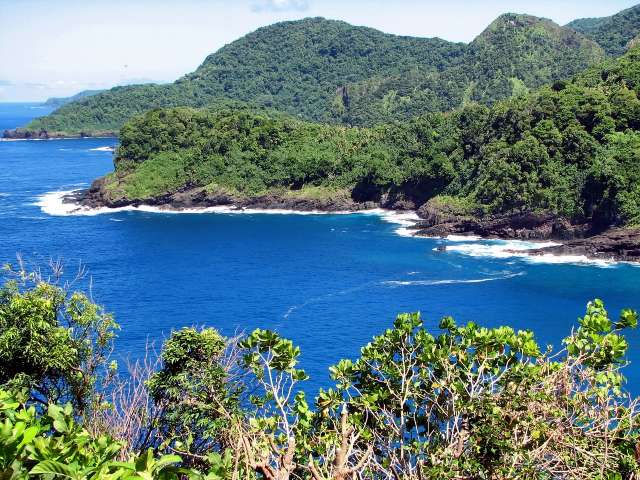
🌺 Introduction – The Purest Polynesia
Imagine a place where men still wear traditional tattoos (pe’a) with pride, where village chiefs hold more sway than the police, and where families gather to cook dinner in underground stone ovens. Where the rhythm of life is set by the lapping of turquoise lagoons and the rustle of palm fronds, not by deadlines and traffic. Welcome to Samoa, often called the “Cradle of Polynesia.”
Sitting pretty in the heart of the South Pacific, Samoa is a country where tradition isn’t just a museum piece—it’s a living, breathing part of everyday life known as Fa’a Samoa. This ancient code governs everything from how you address your elders to how you share a meal. For the traveler, this means you’re not just a tourist passing through; you’re a guest in a deeply spiritual and community-oriented culture.
But don’t let the serenity fool you. This place is also an adventure playground. One day you’re plunging into the lush, cool waters of a jungle waterfall; the next, you’re lying on a deserted stretch of white sand watching the sunrise become the first light on Earth.
There are two Samoas, by the way. Samoa (formerly Western Samoa) is the independent nation we’re exploring here. Just an hour away by flight lies American Samoa, a U.S. territory on the other side of the International Date Line. This means while you’re enjoying a lazy Tuesday afternoon on Upolu, your friends in American Samoa are just waking up on a Tuesday morning. Confusing? Yes. Cool? Absolutely.
So grab a coconut, kick off your shoes, and let’s explore paradise—Fa’a Samoa style.
📜 History & Geography – The Cradle of Polynesia
Geography – The Volcanic Heart of the Pacific
Samoa consists of two main volcanic islands—Upolu and Savai’i—plus eight small islets. Upolu is home to the capital, Apia, and Faleolo International Airport, and is more developed than its neighbor. Savai’i is 1.5 times bigger but much less populated and more traditional, offering an even deeper look into ancient Samoan culture. Both islands were formed by volcanic activity that started about two million years ago—residual volcanic activity continues today, with Savai’i’s last eruption occurring near the village of Saleaula in 1911.
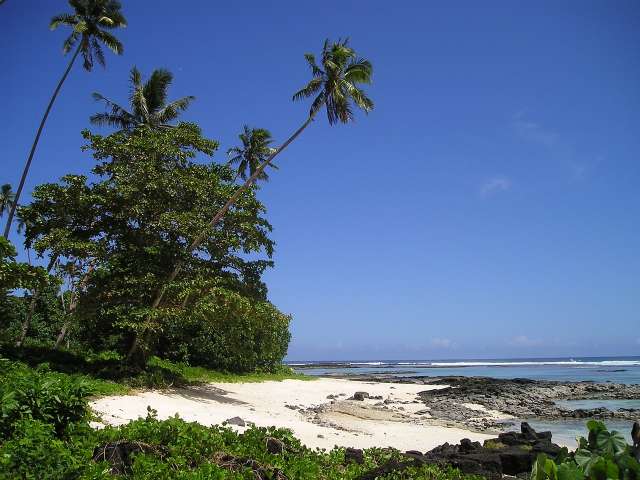
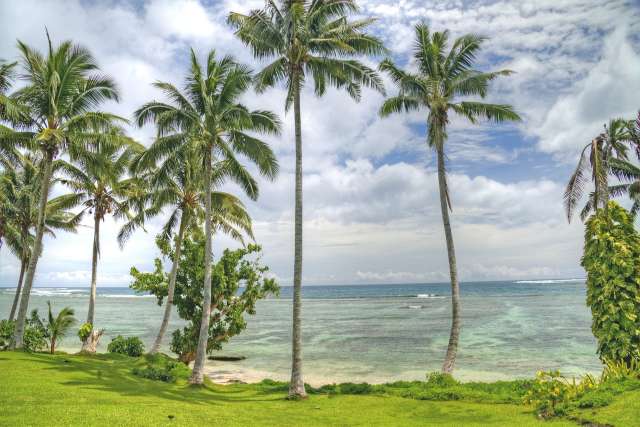
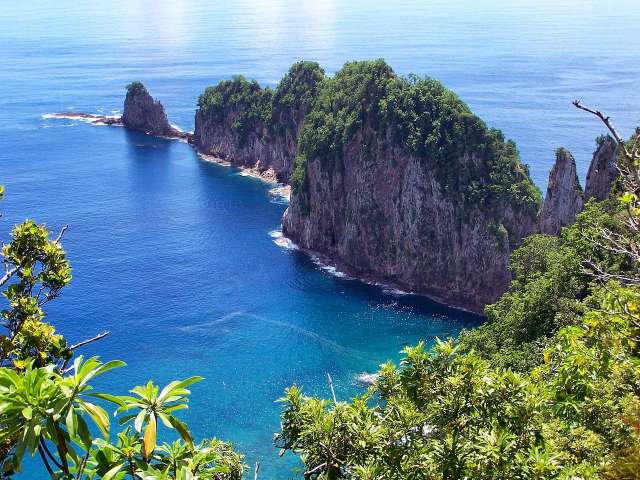
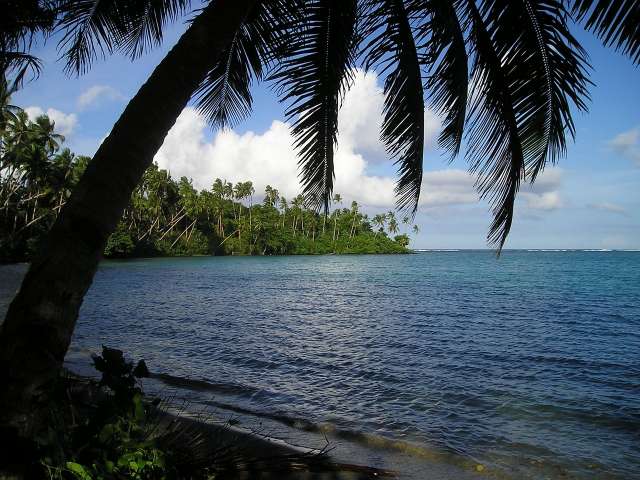
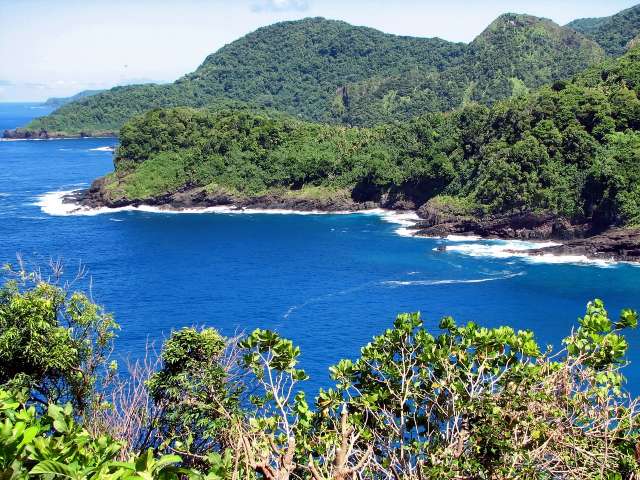
The climate is tropical, with a wet season from November to April (cyclone season, though major ones are rare) and a dry, cooler season from May to October. The landscape is classic paradise: pristine beaches, rainforest-covered mountains, volcanic craters, and unique swimming holes.
History – From Navigators to Independence
Polynesian navigators first settled the Samoan Islands around 1000 BCE, likely arriving from Tonga. Legend says Savai’i is the mythical homeland Hawaiki, earning Samoa the title “Cradle of Polynesia”. Samoans developed a sophisticated social structure under the fa’amatai (chiefly system) that still governs village life today.
The first European contact came from Dutch and French explorers in the 18th century. In the late 19th century, Germany, Britain, and the United States fought for control, culminating in the 1899 Tripartite Convention, which partitioned the islands: Germany got Western Samoa (the focus of this guide), while the U.S. got American Samoa.
New Zealand took control of Western Samoa after World War I, but Samoan resistance culminated in independence on January 1, 1962, making Samoa the first small-island nation in the Pacific to regain sovereignty. The country was known as Western Samoa until 1997, when it dropped “Western” from its name.
Samoa’s Time Travel: The 2011 Date Line Shift
In one of the most unusual moves in modern history, Samoa decided in 2011 to shift itself west of the International Date Line. This bold decision effectively erased December 30, 2011 from the calendar. The country was previously one of the last places on Earth to see the sunset each day but is now among the first to greet the sunrise—a position that aligned it with its major trading partners, Australia and New Zealand. Today, Samoa sits just west of the date line, meaning you can be among the first people in the world to welcome a new day, especially while watching the sunrise on the east coast of Upolu.
📊 Number of Visitors Per Year – The Uncrowded Paradise
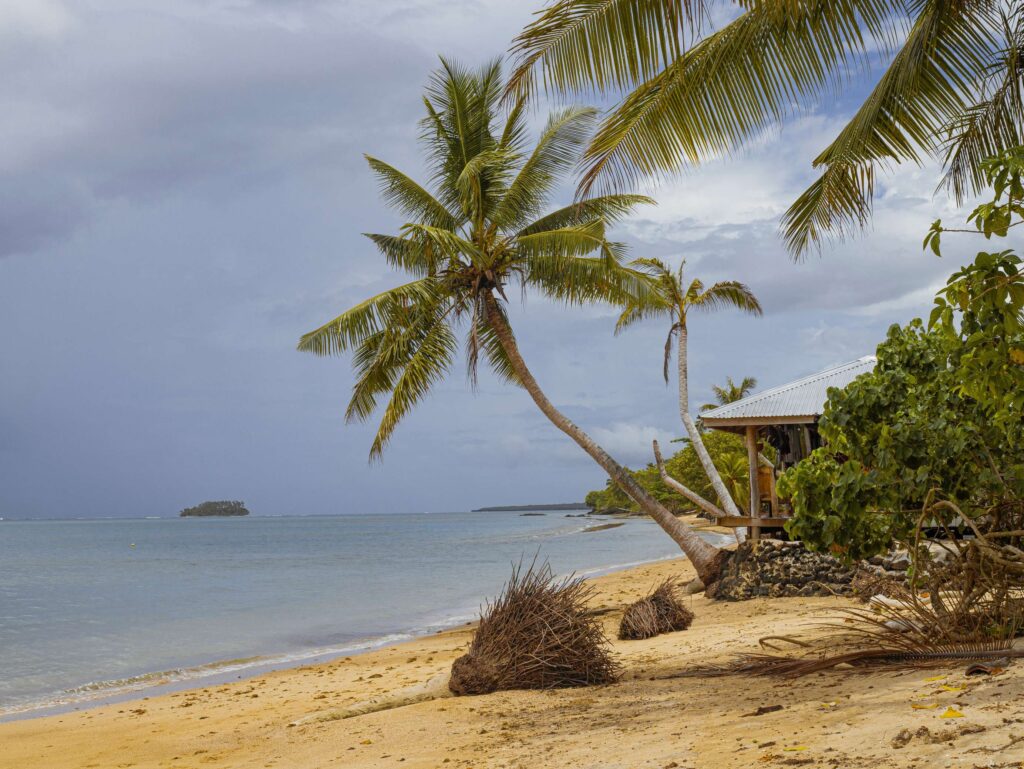
Here’s something you’ll love: Samoa feels undiscovered. In 2024, the country recorded around 129,000 to 131,000 visitors. Compare that to Hawaii, which can get that many tourists in a single week, and you’ll understand why you’ll often have a beautiful stretch of beach or a waterfall completely to yourself.
The country’s popularity is growing but sustainably—aided by recent visa-free agreements and increased flight connectivity. In early 2025, Samoa signed a mutual visa-waiver agreement with China, effective April 2, 2025, allowing Chinese passport holders to enter visa-free, which is expected to boost arrivals from Asia. Most visitors to Samoa come from New Zealand (accounting for 48% of total arrivals), followed by Australia (25%), with a growing number from the United States and other Pacific nations. Thanks to its unique location just west of the International Date Line, Samoa also benefits from travelers coming from American Samoa, which sits just one hour behind on the other side of the line.
The official currency is the Samoan tālā (WST). As of late 2025, the exchange was approximately 3.25 WST to 1 EUR, or 1.57 WST to 1 USD.
Main Attractions – The Greatest Hits of Samoa
🌊 1. To Sua Ocean Trench – The Iconic Swimming Hole
No visit to Samoa is complete without seeing—and plunging into—the legendary To Sua Ocean Trench (which means “Big Hole”). Located on the south coast of Upolu, this is a massive, 30-meter-deep natural swimming hole formed inside an ancient volcanic crater, connected to the ocean by underground lava tubes. You descend a tall wooden ladder into the crystal-clear, azure water, with lush vegetation dripping over the rocky edges. It’s like swimming inside a postcard. The trench is part of a scenic coastal reserve where you can also explore the beautiful Lotofaga Beach and nearby sea cliffs.
🏝️ 2. Lalomanu Beach – Paradise on Earth
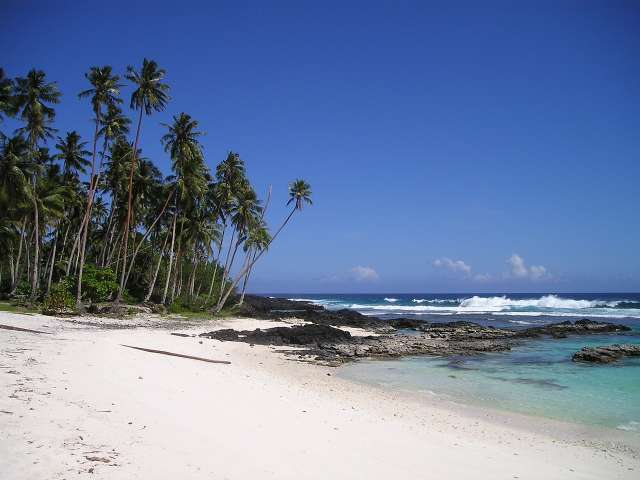
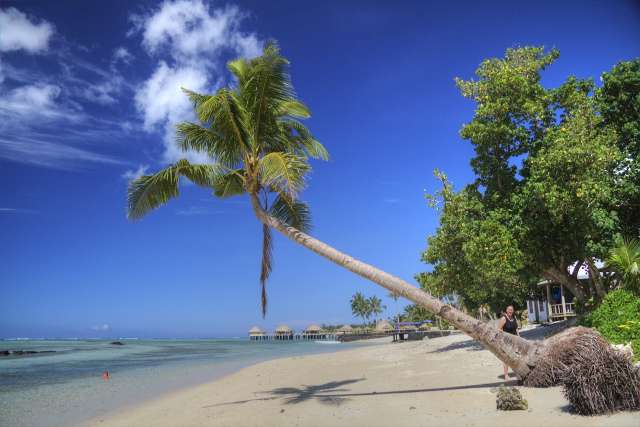
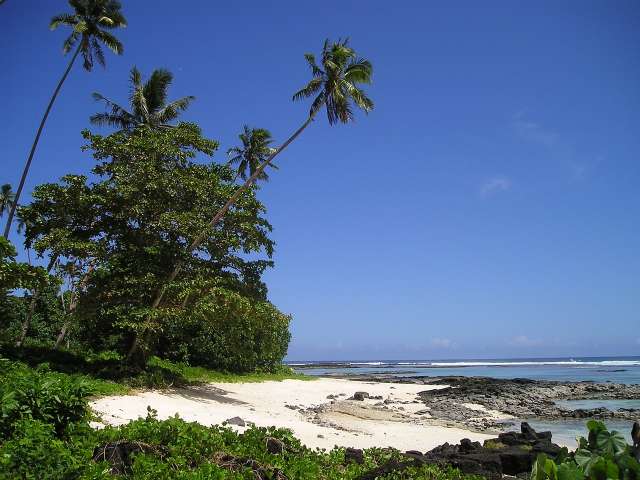
Often cited as one of the most beautiful beaches in the South Pacific, Lalomanu Beach features powdery white sand, calm turquoise water, and a protected reef perfect for snorkeling. It’s such a special place that it’s rumored to be the filming location used for the opening credits of the famous “Cast Away” movie. The offshore islands of Nu’utele and Nu’ulua provide a stunning backdrop.
🌋 3. Alofaaga Blowholes (Taga Blowholes) – Nature’s Power Show
On the rugged south coast of Savai’i, the Alofaaga Blowholes are a spectacular performance by nature. Lava tubes direct powerful ocean swells upward, propelling water skyward in dramatic plumes that can reach as high as 20 meters. The ground literally rumbles with each blast. Locals often demonstrate the force by throwing a coconut into the blowhole—you’ll be amazed by how far it flies into the air.
💦 4. Papase’ea Sliding Rocks – Nature’s Waterslide
If you’ve ever wanted to be a kid again, this is how you do it. Located in a lush jungle valley near Apia, Papase’ea Sliding Rocks features a series of smooth, moss-covered rock chutes carved by a gentle waterfall. You climb up, sit down, and let the cool, rushing water slide you down into a deep, refreshing natural pool below. Safe, exhilarating, and completely free!
💧 5. Fuipisia Falls and Togitogiga Falls
Samoa is a land of waterfalls. Fuipisia Falls is a spectacular 55-meter cascade plunging into a large, deep-blue pool, best viewed from above but also inviting you for a swim. Togitogiga Falls, located within the O Le Pupu-Pu’e National Park, is a series of cascading falls that has been a favorite picnic and swimming spot for Samoans for generations.
🏛️ 6. Robert Louis Stevenson Museum (Villa Vailima)
In the foothills just south of Apia lies Villa Vailima, the restored colonial estate of Robert Louis Stevenson, the legendary Scottish author of Treasure Island and Strange Case of Dr Jekyll and Mr Hyde. Stevenson spent the last four years of his life in Samoa and became so beloved by the Samoan people that they nicknamed him “Tusitala” (Teller of Tales). You can tour his beautifully preserved home, wander the lush gardens, and even hike the trail up Mt. Vaea to see his tomb, which offers a fantastic view of Apia and the north coast. Your guide might even quote a few lines of his poetry.
🌋 7. Saleaula Lava Fields (Savai’i)
A haunting reminder of the island’s volcanic power, the Saleaula Lava Fields were created by a devastating eruption from Mt. Matavanu between 1905 and 1911. The lava flow buried several entire villages. Today you can walk across the solidified, black rock and see the remains of the historic LMS Church and the eerie shell of a village house buried up to its roof, with the lava crust revealing pieces of Samoan history frozen in time. This powerful landscape is adjacent to the stunning SATO (Safua) Hotel and its pristine coastal reserve to the east.
🎎 Culture – Fa’a Samoa, The Samoan Way
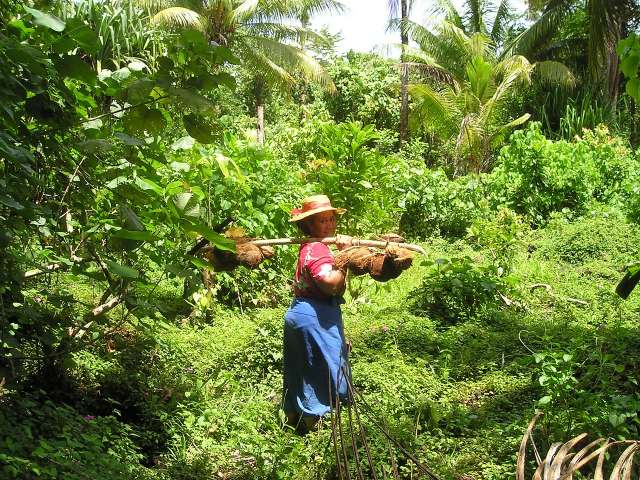
You can’t visit Samoa without understanding Fa’a Samoa. It’s the country’s spiritual and social compass, dictating respect for family (aiga), elders, community, and tradition. Chiefs (matai) hold more power here than the police, and many locals still live the lifestyle they might have centuries ago.
Family and the ‘Aiga: The extended family is the most fundamental unit of society. It’s expected that you will care for your parents, grandparents, uncles, aunts, cousins… the list goes on. This system creates incredible social security, with nobody left behind. The matai (chiefs) make decisions for the village and arbitrate disputes.
Religion: Sunday is sacred in Samoa. Most villages strictly observe Sunday as a day of rest and worship. Laws even restrict activity: alcohol can’t be sold, and many businesses are closed. This is when families dress in their finest whites and attend church. If you’re lucky, you might be invited to a village for a traditional Sunday lunch (toana’i), which is a huge honor.
Go to a Fia Fia Night: It’s not just a catchy name. A “Fia Fia” is a traditional Samoan celebration and feast. Expect to be greeted with flower leis, entertained by mesmerizing fire dancers and musicians, and to eat an enormous buffet of traditional food cooked in an umu [earth oven]. Many resorts, like the popular Sheraton Samoa Aggie Grey’s in Apia, host spectacular Fia Fia nights that are half-price on Sundays.
Respect the ‘Ava Ceremony: If you’re invited to a village or formal event, you may witness an ‘ava (kava) ceremony. The ‘ava root is ground up and mixed with water to create a mildly sedating drink. The ceremony is about building community and showing respect.
Cultural Do’s and Don’ts:
- Don’t walk through a village (or anywhere outside the beach) wearing just your swimsuit. Samoa is modest. Always cover your shoulders and knees with a lavalava (sarong) or light clothing.
- Don’t eat or walk while holding food (it’s considered impolite to eat on the move).
- Don’t touch anyone’s head—it is considered the most sacred part of the body.
- Don’t stand while elders are seated in a formal setting. Sit down and show respect.
- Do take off your shoes before entering a fale (house). Virtually every home follows this rule.
- Do politely refuse food if you are full; it’s considered polite to request a little bit of leftovers to take home for your family.
- Do smile and say “Talofa!” (hello). Politeness and warmth are the Samoan way.
Insider Tip: It’s crucial to secure and secure your personal belongings. While violent crime is rare, look for an option that is convenient for you.
How to Reach – Your Gateway to Paradise
Getting to Samoa is easier than you might think.
By Air: The main international gateway is Faleolo International Airport (APW) on the island of Upolu, about 40 km (45 minutes’ drive) west of the capital, Apia. Several airlines serve the country:
- Air New Zealand: Regular flights from Auckland (4 hours).
- Virgin Australia & Qantas: Flights from Brisbane and Sydney (approx. 5 hours).
- Fiji Airways: Connecting flights via Nadi, Fiji.
- Samoa Airways and Talofa Airways: Offer regional flights within the Pacific.
Visa Requirements: Samoa has become increasingly traveler-friendly. Citizens of many countries, including the US, UK, Canada, Australia, New Zealand, Ireland, and most of Europe, do not need a visa for stays of up to 60 or 90 days (visa on arrival or visa-free). As of April 2, 2025, the mutual visa-waiver agreement between Samoa and China came into effect, allowing Chinese passport holders to enter visa-free. However, ensure your passport is valid for at least six months.
Getting to the Capital and Around: Once you land, you can take a taxi, pre-booked shuttle, or rental car to Apia. Taxis are available but negotiate a price before you go—road use is limited. There are also a few local bus stops.
Travel Note: The dry season (May–October) is the most reliable for sunny weather. The wet season (November–April) is cheaper, quieter, and still beautiful, with short, sharp tropical afternoon showers. Avoid traveling between areas with known outbreaks.
What to Do – Our Insider ‘To-Do’ List
Beyond the headline attractions, here’s how to experience authentic Samoa:
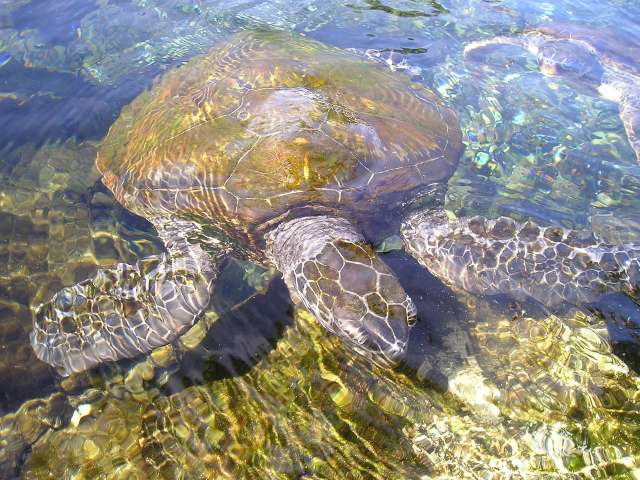
- Snorkel with Turtles: The waters off the islands are teeming with sea turtles. Take a boat tour from the south coast of Upolu to swim with these gentle creatures in their natural habitat.
- Dive Submerged Caves: The coastline is dotted with fascinating underwater caves. Join a snorkeling or diving tour arranged through your fale (beach hut) to explore these geological wonders.
- Explore Apia’s Markets: Apia Market is the biggest and busiest in Samoa. You can find everything there, from fresh produce and tropical fruits to handicrafts and local Samoan dishes—arrive early Saturday morning for the widest selection. For authentic produce and a real glimpse into local commerce, don’t miss Fugalei Market.
- Visit Savai’i: Rent a car on the Upolu side, take the car ferry from Mulifanua Wharf across the Apolima Strait (about 1-1.5 hours), and spend a few days exploring the larger, more traditional Savai’i island.
- Hike to a Waterfall at Night: Book a night-time guided tour to see the glowworms illuminating the sides of the Afu Aau Falls (Savai’i). A truly magical experience.
- Learn the Siva (Samoan Dance): Many cultural centers and resorts offer dance lessons. The Siva is a graceful, slow-moving dance that tells a story.
- Experience Sunday Church: Attend a church service on Sunday morning. The harmonies of the Samoan choir are breathtaking and well worth the early start.
- Take a Cultural Cooking Class: Learn how to prepare an umu (earth oven) feast. You’ll help wrap food in banana leaves, place it on hot volcanic rocks, and then enjoy the delicious, smoky meal you helped create.
- Go Stand-Up Paddleboarding: The placid waters of the lagoons, especially around the southeastern coast, are ideal for SUP boarding. You can even paddle to nearby uninhabited islands.
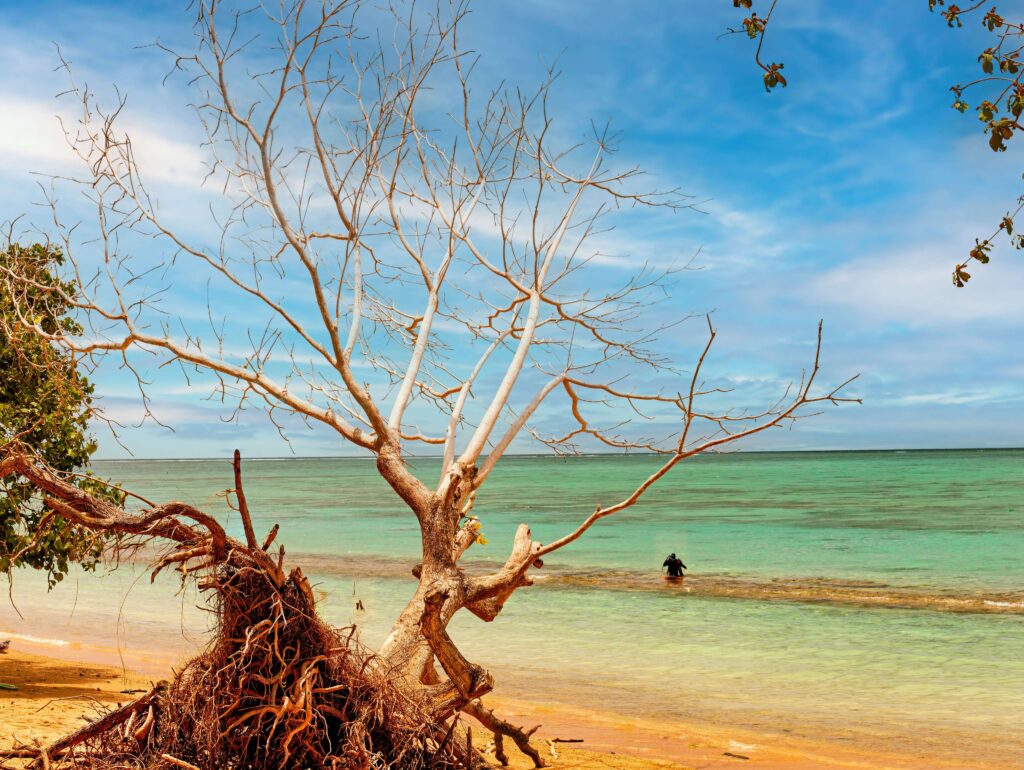
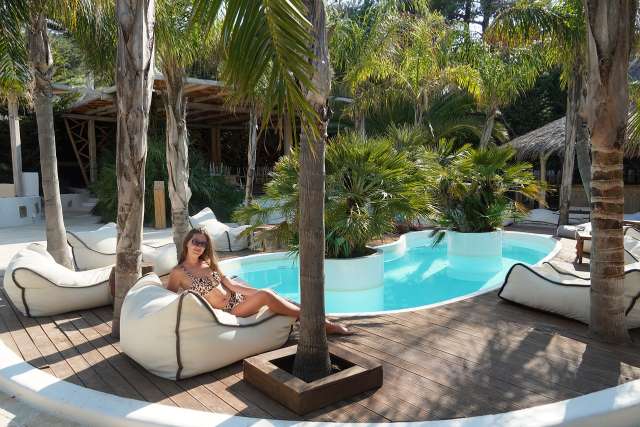
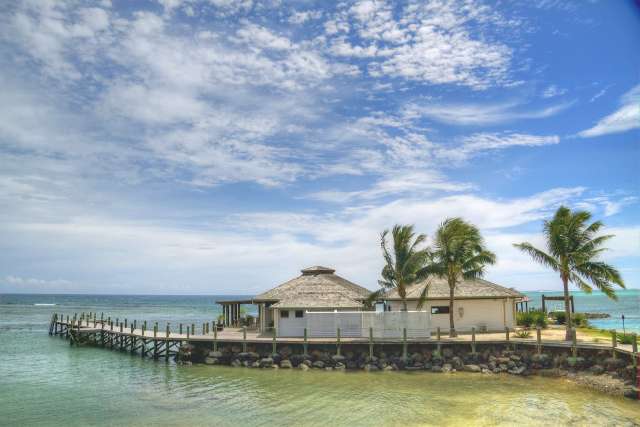
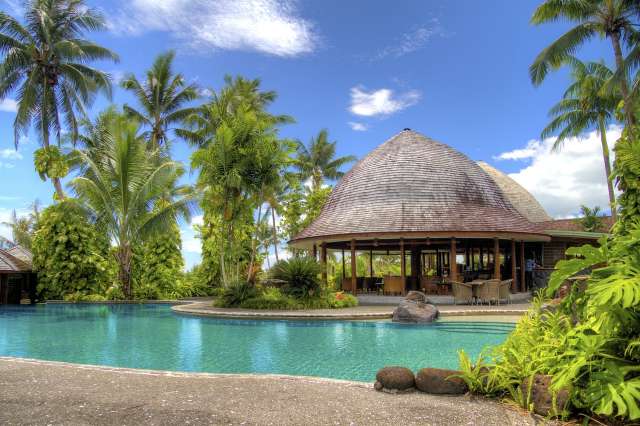
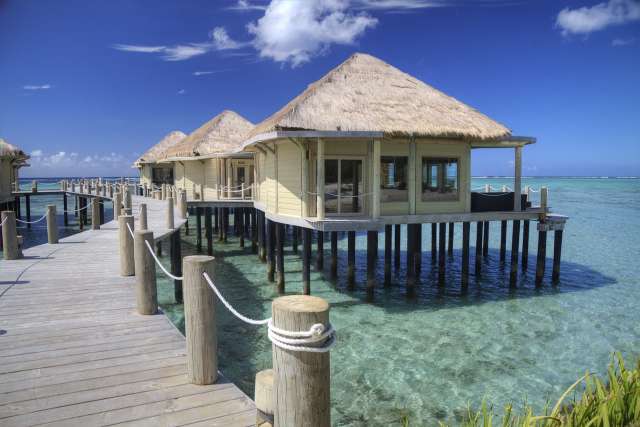
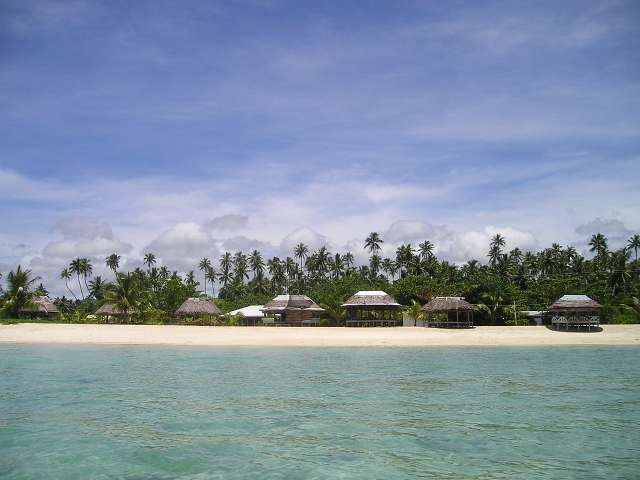
- Stay in a Traditional Beach Fale: This is a must-do Samoan experience. Sleep in a simple, open-air hut right on the beach—wake up to the sound of the waves and the light of the sunrise with no walls between you and the breeze. You’ll find them scattered along the north and southern coasts of both islands.
🍛 Local Foods – A Culinary Journey Through Samoa
Samoan cuisine is a delicious celebration of fresh, tropical ingredients, with an emphasis on seafood, coconuts, and root vegetables. Forget processed foods; here, dinner is often pulled right from the ocean and plucked from the tree.
The Umu (Earth Oven): This is the heart of traditional Samoan cooking. Hot volcanic rocks are heated by fire, then a feast of taro, breadfruit, bananas, fish, and pork is wrapped in banana leaves and placed in the underground oven to slow-cook for hours. Food from the umu has a uniquely smoky, earthy flavor.
Must-Try Dishes:
- Palusami: The signature Samoan dish—young taro leaves baked in coconut cream, often with onions and sometimes meat. It’s creamy, rich, and deeply satisfying.
- Oka: The Samoan version of ceviche—raw, fresh fish marinated in coconut cream, lemon juice, chilli, and onions. Absolutely refreshing and delicious.
- Pipi (Grilled Seafood): Freshly caught octopus, crayfish, snapper, or tuna grilled over coconut husks.
- Lu’au: Taro leaves cooked in coconut cream.
- Fa’apapa: Sweet coconut bread.
- Koko Samoa: Samoan cocoa—an intensely rich, slightly bitter, unsweetened hot chocolate made from locally grown cacao beans. They roast, grind, and boil the beans and serve it warm with sugar.
Fruit Paradise: The island overflows with bananas, papayas, mangos, pineapples, star fruit, and passionfruit. Grab some at a roadside stall.
Where to Eat? For an authentic local meal, look for roadside stalls and local eateries known as “fa’atau” (markets). These serve up generous plates of fried fish, taro, and chop suey for a few Tala. The famous Apia Food Market on the main road is the place to sample everything from fried chicken curry to fresh coconuts and local pastries. For a unique experience, head to The Marketi Fou in Alafua, where you’ll find a huge selection of local produce and authentic Samoan baked goods and seafood.
🛍️ Shopping – Souvenirs with a Story
Shopping in Samoa is all about handcrafted treasures that reflect the island’s rich heritage. The main hubs are Apia and the large, raised markets found in the main areas.
What to Buy:
- Tapa Cloth (Siapo): A beautiful, bark-cloth fabric, hand-painted with intricate geometric designs. It’s a true Samoan art form.
- Mini Kava Bowl (Tanoa): Hand-carved wooden bowls used in traditional ‘Ava ceremonies make for a stunning display piece or souvenir.
- Lavalava (Sarong): A printed, hand-woven wrap worn by men and women. A fantastic and practical gift.
- Elei Design Clothing: Colorful, ready-to-wear shirts and dresses with vibrant Samoan prints. Janet’s in Apia has a top-quality selection.
- Shell Jewelry: Natural pearl and other shell necklaces and earrings. Look for authentic, local craftsmanship.
- Coconut-Based Products: Coconut oil, soap, and even local artisanal sea salt.
- Packaged Samoan Coffee: Locally grown and roasted beans make a great gift for coffee lovers.
Where to Shop:
- Apia Market (Fugalei): The best place for fresh produce and local life.
- Salelologa Market (Savai’i): The largest market on Savai’i, with handicrafts, produce, and clothing. Prices here on souvenirs can be lower than on Upolu.
- Janet’s (Apia): A leading quality souvenir shop for authentic Pacifica clothes, jewelry, and artwork.
- Local open-air markets: Many small roadside stalls sell carvings, sarongs, and simple souvenirs—these are great spots to pick up last-minute gifts.
Pro Tip: Bargaining is not common in Samoa’s markets. The prices are usually fixed and quite fair. Be respectful, and you will always be treated warmly.
🎒 Things to Pack – The Samoan Survival Kit
Packing for Samoa is refreshingly simple—just pack light, practical summer wear and get ready for a tropical adventure.
- 👕 Clothing: Light, quick-drying fabrics are essential. Pack lots of t-shirts, singlets, and shorts. You will want at least 2-3 swimsuits each because things dry slowly in the humidity. Bring a rashie (rash vest) for snorkeling to protect you from the sun.
- 🥻 A Lavalava (Sarong): Save space and just buy one as soon as you arrive. It’s the most practical souvenir you will ever buy. You will use it as a towel, a cover-up, and a pillow on the plane.
- 🏔️ Footwear: Sturdy, closed-toe sandals or hiking shoes are essential for exploring lava fields and hiking to waterfalls. A pair of comfortable flip-flops for the beach is also a must. Your own snorkeling mask and fins are a massive bonus, as rentals can be limited or low-quality.
- Essential Toiletries & Health: Samoa is tropical but also developed. A high-SPF, reef-safe sunscreen is non-negotiable. Strong insect repellent is crucial to protect against mosquitoes and potential dengue fever outbreaks. Bring aloe vera for inevitable sun relief.
- Electronics & Gear: Your regular two- or three-prong power plugs (same as Australia/New Zealand) work here. A power bank is essential for long days of exploring. In terms of safety alerts, there are some communications guidelines regarding emergency sirens, but these are rare.
- Travel Essentials: Pack a compact umbrella (sudden tropical showers!), a reusable water bottle (many accommodations offer free filtered water), and a basic medical kit with band-aids, pain relievers, motion sickness pills (for the ferry crossing!), and itchy bite cream.
- Money & Documents: While larger hotels in Apia accept cards, many small eateries, markets, and local ferries operate on a cash-only basis. Bring a mix of Samoan Tala (WST) and have a credit/debit card as a backup for withdrawing Tala at ANZ and other ATMs found around the island. Do not rely on finding readily available ATMs outside of Apia. Being prepared to take the local money will absolutely help you avoid any unwanted issues.
One more thing: Don’t stress about the dress code. Opt for casual and comfortable , and you cannot go wrong. Pack for a beach holiday with an adventurous spirit!
💰 Average Budget – What It Costs (WST)
Samoa offers an affordable South Pacific escape compared to many other Pacific Islands, but it’s not a “backpacker basement” destination. Here’s a rough daily budget guide based on WST (Samoan Tālā).
| Budget Type | Daily Cost (per person) | Tips |
|---|---|---|
| Backpacker/Budget | 100 – 200 WST ($35 – $70 USD) | Beach fales (shared facilities), local buses, light cooking/market food, public ferries, snorkeling your own gear. |
| Mid-Range | 250 – 450 WST ($90 – $160 USD) | Nice beach fale with own bathroom or a basic hotel, eating at local restaurants, renting a car for a few days, pre-booked tours. |
| Luxury | 500+ WST ($175+ USD) | Resort or upscale hotel (like Coconuts Beach Club or Sheraton Samoa Aggie Grey’s), fine dining, private tours, rental car. |
Specific Costs (Average 2025/26):
- 🍲 Street food/simple meal: 15–35 WST
- 🍽️ Local restaurant dinner: 35–70 WST
- 🍔 Mid-range restaurant: 70–150 WST
- 🚌 Local bus fare: 2–10 WST
- ⛴️ Ferry from Upolu to Savai’i: ~15 WST per person
- 🚙 Car rental (per day): 100–200 WST
- 🏄 To Sua Ocean Trench entry fee: ~20 WST
- 🏨 Beach Fale (budget, per night): 50–100 WST
Money-Saving Hacks:
- Eat at the markets! You can get a full, delicious meal for a fraction of resort prices.
- Travel in a group to split rental car and tour costs.
- Use the local buses. They are a cheap, colorful, and authentic way to explore Upolu. They run from Apia to various points on the island, but not necessarily on a rigid schedule.
- Visit during the shoulder season (April or October) for cheaper flights and accommodation without the peak wet season rains.
- Stay in traditional beach fales. They are the most budget-friendly and arguably the most genuine Samoan experience. Many are simple, without electricity, and cost as little as $20-$25 USD a night.
- Take advantage of free activities. Many of Samoa’s best attractions (sliding rocks, many waterfalls, great beaches) are either free or have a minimal village fee (5-15 WST).
🏁 Conclusion – Why Samoa Belongs on Your Bucket List
Samoa is not just a destination; it’s a feeling. It’s the genuine warmth of a stranger greeting you with “Talofa.” It’s the unique thrill of sliding down a natural rock waterslide in the middle of the jungle. It’s the profound peace of watching the sunrise on the edge of the International Date Line, knowing you are among the first on Earth to see it.
If you’re looking for a cookie-cutter resort experience with constant nightlife, this might not be your spot. But if you want to step into a world where culture is authentic, nature is unspoiled, and the locals will welcome you like family, Samoa is calling your name.
Pack your bags, but leave your expectations behind. Let the Samoan way wash over you.
Manuia lau malaga! (Have a wonderful journey!)
Have you visited Samoa? Did you make it to Savai’i? Tell us about your favorite waterfall or beach in the comments below! 👇
❓ Frequently Asked Questions About Samoa
1. Is Samoa safe for tourists?
Yes, it is very safe. Violent crime is rare. However, avoid walking alone at night in downtown Apia and harbor-front areas. Also, be mindful of stray dogs and strong tidal currents in certain areas.
2. Do I need a visa to visit Samoa?
Citizens of many countries, including the US, UK, Canada, Australia, New Zealand, and EU nations, do not need a visa for stays of up to 60 or 90 days (visa-free or visa on arrival). A mutual visa-waiver agreement with China (effective April 2, 2025) now allows Chinese passport holders visa-free entry for up to 30 days.
3. What’s the best time to visit?
The dry season (May to October) offers sunny, cooler weather and is the most popular (and expensive) time. The shoulder months of April and October are a great compromise for fewer crowds and reliable weather.
4. Is Samoa expensive?
It’s a mid-range destination. Budget travelers can get by on 100-200 WST ($35-75 USD) per day, while a more comfortable mid-range trip costs 250-450 WST ($90-160 USD) per day. Luxury resorts will cost significantly more.
5. What is the currency?
The Samoan Tala (WST). Credit cards are accepted at larger hotels and restaurants, but you will need cash for markets, local eateries, buses, and village fees. ATMs are available in Apia.
6. What is the food like?
Delicious, fresh, and coconut-heavy. Be sure to try palusami (taro leaves in coconut cream), oka (raw fish ceviche), and fresh tropical fruits from the market.
7. What is Fa’a Samoa?
It means “The Samoan Way.” It is the cultural system that governs all aspects of life, based on respect for family (aiga), community, elders, and customs. Chiefs (matai) hold substantial authority within the village structure.
8. What is the dress code?
Casual and modest outside of the resort. Wearing only a swimsuit in town, at shops, or in a village is considered offensive; always cover your shoulders and knees with a lavalava (sarong) or light clothing.
9. Can I drink the tap water?
It’s advisable to drink boiled or bottled water to avoid waterborne diseases such as typhoid and hepatitis. Most resorts offer free filtered water refill stations.
10. Are there any health concerns?
Yes. Samoa has seen outbreaks of dengue fever, and the Ministry of Health declared an outbreak in 2026. Use strong insect repellent, sleep under mosquito nets, and get vaccinations up to date for measles, hepatitis, and typhoid.
11. What is the official language?
English and Samoan are both official languages, though English is widely spoken in tourist areas. A simple “Talofa!” (hello) and “Fa’afetai” (thank you) go a long way.
12. Is it easy to get around?
You can rent a car (the best option for exploring), take the local colorful buses (very cheap and authentic, but not always on schedule), or use taxis (negotiate the fare first). A car is essential if you want to explore Savai’i fully.
13. What is the difference between Samoa and American Samoa?
Samoa (called Western Samoa until 1997) is an independent nation. American Samoa is a territory of the United States. They are located close to each other but separated by the International Date Line—American Samoa is a full day behind Samoa.