🏛️ Introduction – A Wonder of the Modern World
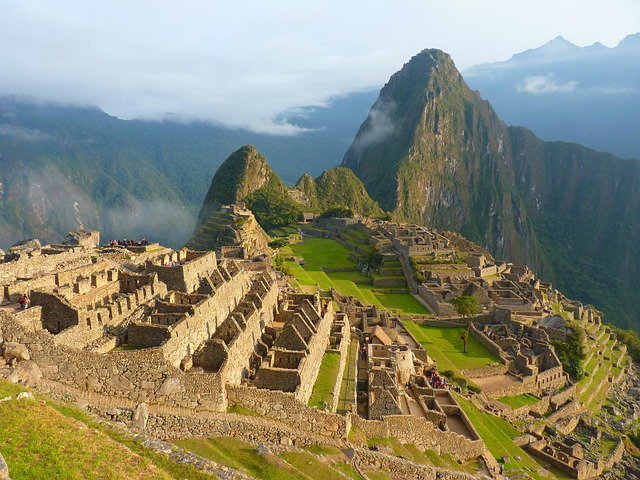
Perched high in the Andes Mountains, shrouded in mist and mystery, sits an ancient citadel that has captured the world’s imagination for over a century: Machu Picchu.
This isn’t just any archaeological site. Machu Picchu is a UNESCO World Heritage Site (designated in 1983) and one of the New Seven Wonders of the World (voted in 2007), standing alongside the Taj Mahal, the Great Wall of China, and the Colosseum in Rome. It is both Peru’s most visited attraction and South America’s most famous ruins, welcoming hundreds of thousands of people every year. But what truly sets it apart is its sheer impossibility. How could the Incas, without iron tools, the wheel, or pack animals, have constructed this breathtaking city of perfectly carved stone on a remote mountain ridge, 2,430 meters (7,970 feet) above sea level?
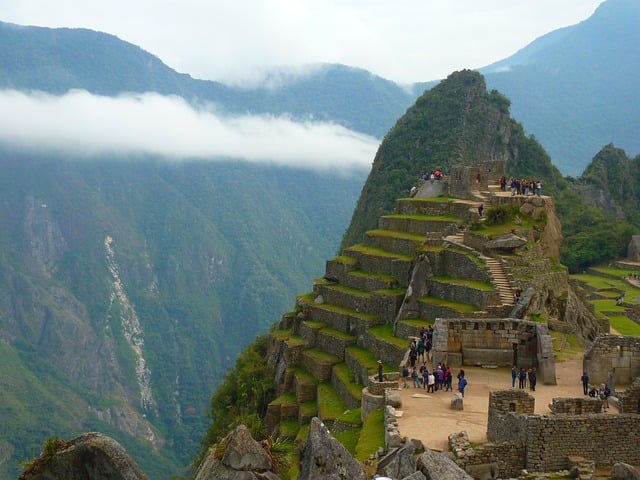
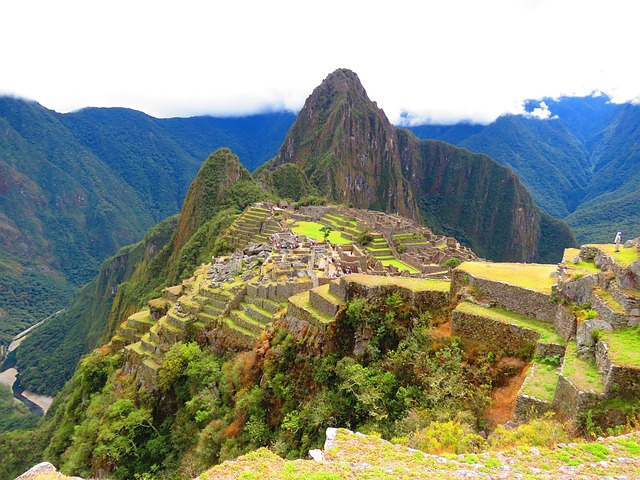
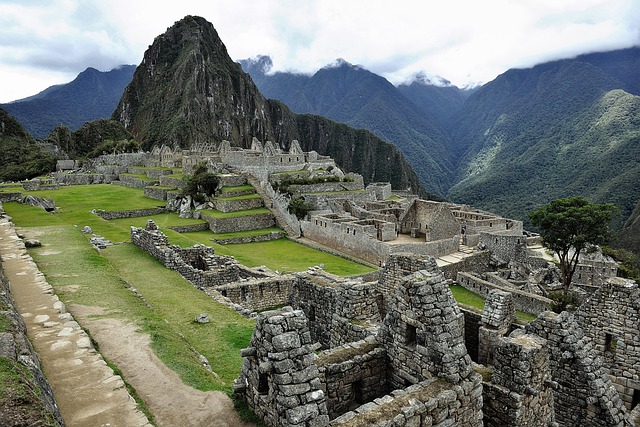
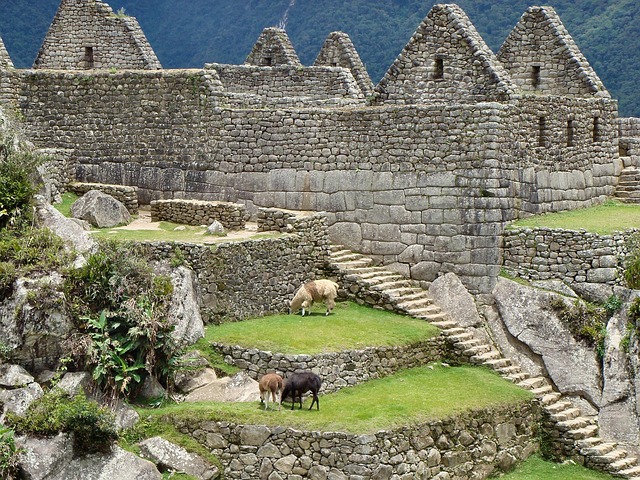
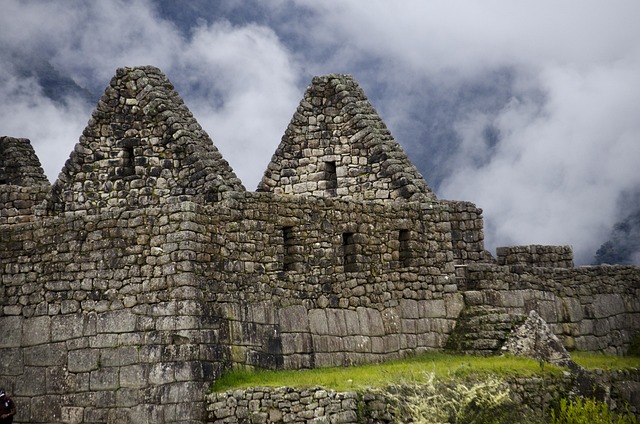
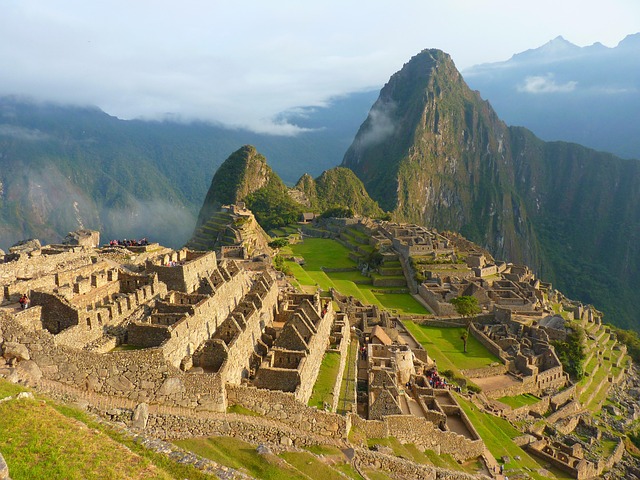
The answer lies in their genius. The Inca engineers seamlessly integrated the citadel into the natural contours of the mountain, with over 150 buildings, including palaces, temples, baths, and homes, all crafted from stone blocks that fit together so perfectly that you can’t slip a knife between them. The site is roughly divided into three main sectors: the Agricultural Terraces that cascade down the mountain, the Urban Sector where the Incas lived, and the Sacred Sector with its most important religious structures.
Perhaps the most fascinating thing about Machu Picchu is that it was never found. While the Spanish Conquistadors plundered and destroyed most Inca sites, they never reached Machu Picchu. It remained hidden, known only to local Quechua-speaking farmers, until its “rediscovery” by American historian Hiram Bingham in 1911. Whether you’re a history buff, an avid hiker, or a dreamer who’s seen the photos a thousand times, seeing the sun rise over those ancient stone walls is a life-changing experience.
So, grab your camera, lace up your hiking boots, and get ready to explore the magic of Machu Picchu. And remember the Quechua saying: “Kawsaypaq” — for life. This is a journey you’ll carry with you always.
🔹 First Light Tip: Many experienced travelers recommend arriving early to watch the sunrise over the mountains from the “House of the Guardians” viewpoint. The sight of golden light washing over the ancient stones is nothing short of magical and well worth the early wake-up call.
📜 History & Geography – The Lost Citadel in the Clouds
Welcome to the heart of the ancient Inca Empire. To truly appreciate Machu Picchu, you need to understand where it sits and the fascinating—and often romanticized—story of how it came to be known to the world.
🏞️ The Lay of the Land (Geography)
Machu Picchu sits on a high ridge in the Cordillera de Vilcabamba of the Andes Mountains, about 50 miles (80 km) northwest of the Inca capital of Cusco. Its location is nothing short of spectacular:
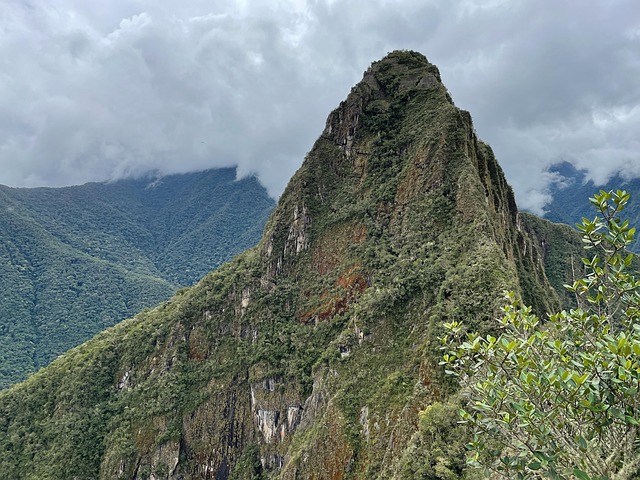
- Altitude: The citadel sits at 2,430 meters (7,970 feet) above sea level. To put that in perspective, it’s significantly lower than Cusco (3,399 m / 11,152 ft), which is good news for acclimatization. The surrounding peaks are much higher: the famous Huayna Picchu mountain (which you can hike) rises to 2,720 meters (8,924 ft), while the snow-capped peak of Salkantay towers at 6,271 meters (20,574 ft). The ruins themselves are located at 2,350–2,430 meters above sea level on the ridge.
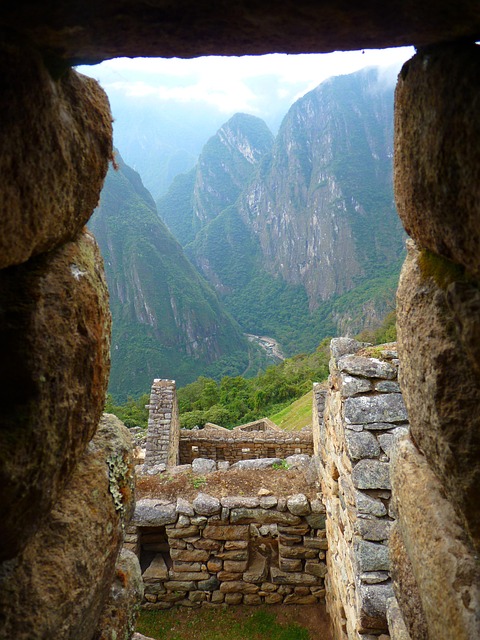
- The Setting: The citadel is built on a saddle between the peaks of Machu Picchu (“Old Mountain”) and Huayna Picchu (“Young Mountain”). The site is cradled by the Urubamba River, which snakes around its base in a dramatic horseshoe bend, 600 meters below.
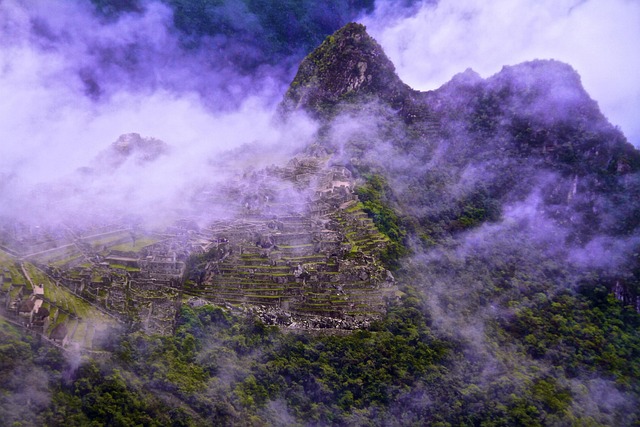
- **The Ecosystem: ** It‘s more than just arid mountains. The region is a cloud forest, a unique ecosystem where the Andes meet the Amazon Basin. This means the weather is famously unpredictable, with warm, humid days, cool nights, and the ever-present possibility of a sudden rain shower, even in the dry season.
👑 A Walk Through Time (History)
The true history of Machu Picchu is as captivating as any fiction. Forget the simple story you might have heard; the reality is richer and more complex.
🏛️ The Inca Era (c. 1420–1532):
The citadel was built in the mid-15th century, around 1450 AD, under the orders of the great Inca emperor Pachacuti Inca Yupanqui. While its exact purpose remains debated, historians believe it was not an ordinary city but rather a royal estate for the emperor and a sacred religious retreat. Evidence suggests it was home to about 800 people, including nobles, priests, and specialized retainers, living within its more than 150 buildings. Remarkably, about 60% of the construction at Machu Picchu is underground—deep foundations, drainage systems, and stone platforms that support the structures and prevent collapse on the steep slopes.
😶 The Abandonment (Late 16th Century):
Machu Picchu was abandoned less than 100 years after it was built, around the time of the Spanish Conquest (1532). The leading theory is that its inhabitants were likely wiped out by smallpox, a European disease introduced by conquistadors, which devastated indigenous populations long before any Spanish soldier physically reached the remote citadel. Crucially, the Spanish never found Machu Picchu. It was hidden high in the mountains, and they had no reason to look for it.
🔦 The ‘Rediscovery’ (1911) – Hiram Bingham & The Controversy:
For centuries, the citadel remained hidden, known only to a handful of local Quechua-speaking farmers. Then came the story we all learned: On July 24, 1911, American historian and explorer Hiram Bingham III was led to the ruins by a local Quechua-speaking guide, Melchor Arteaga.
However, this “rediscovery” is a subject of significant debate. It’s now widely accepted in the academic world that Bingham did not “discover” Machu Picchu at all. There is strong evidence that a German businessman named Augusto Berns bought land on the site and even attempted to plunder the ruins in the 1860s. Moreover, Peruvian landowner Agustín Lizárraga had graffiti on a temple wall dated 1902. In the Quechua language, “Machu Picchu” translates to “Old Mountain.” The locals and the land’s owners absolutely knew it was there. Bingham simply brought it to international attention with the financial backing of Yale University, National Geographic, and the Peruvian government. After its ‘discovery,’ Bingham and his teams excavated the site, shipping thousands of artifacts—including mummies, ceramics, and jewelry—back to Yale. Furthermore, Bingham may not even have been the first European to find it. Regardless of who gets the “credit,” Machu Picchu’s profound global significance remains unchallenged.
🛡️ Modern Era:
Today, Machu Picchu is a UNESCO World Heritage Site and one of the most iconic places on Earth. The Peruvian government has implemented strict visitor regulations, including designated circuits, timed entry slots, and a daily visitor limit to protect the fragile site for future generations.
📊 Number of Visitors Per Year – The Eternal Favorite
Machu Picchu is Peru’s most popular tourist destination, and its numbers are nothing short of staggering.
- 2025 Visitor Count: Between January and September 2025, the citadel welcomed a remarkable 1,170,389 visitors. Of these, a huge majority were international tourists: 78.4% (917,419) were foreigners, while 21.6% (252,970) were Peruvian nationals. In fact, Machu Picchu has proven its status as an enduring favorite by welcoming over 1.17 million tourists in the first nine months of 2025 alone.
- A Glimpse at Pre-Pandemic Levels: For comparison, from January to October 2019, a pre-pandemic year, the site welcomed 1,360,591 visitors. While 2025‘s figures are still slightly below these peak numbers, the recovery is robust and ongoing.
- Daily Limits: To protect the site, the Peruvian government enforces a strict daily visitor limit. This number varies by season:
- Peak High Season (June 1 – October 15): A maximum of 5,600 visitors per day.
- Regular Operations: The limit is generally around 4,500 visitors per day.
- Monthly Peaks: The months of June, July, and August are the absolute busiest, with the highest number of daily entries. For example, July 2025 welcomed 156,680 tourists, and August 2025 had 153,655 visitors. Even the ‘shoulder’ month of October 2025 saw a record-breaking 149,977 visitors, demonstrating that demand remains incredibly high beyond the core summer months.
🏛️ Main Attractions – The Must-See Spots & Circuits
Navigating Machu Picchu in 2025 and beyond means understanding the new circuit system. Your ticket is for a specific circuit, and you must stay on that path. But don‘t worry—all circuits offer incredible views and access to the site’s main highlights.
✨ Tours & Circuits Explained
| Circuit | Highlights | Best For | Approx. Duration |
|---|---|---|---|
| Circuit 1 (Panoramic) | High-up, classic postcard views from the “House of the Guardians.” Includes the Upper Terrace and the iconic Inka Bridge. | Photographers, those wanting the classic shot, visitors with limited mobility. | 2.5–3 hours |
| Circuit 2 (The Classic Route) | The most comprehensive tour. Includes the Sacred Plaza, Temple of the Sun, Royal Palace, and the Intihuatana Stone. | First-time visitors, history buffs, anyone wanting the fullest experience. | 3–4 hours |
| Circuit 3 (The Lower Route) | Focuses on the lower terraces, warehouses, and residential areas. Includes the Temple of the Condor and the Three Gates sector. | Those interested in the city‘s daily life and agricultural systems. | 2.5 hours |
| Circuit 4 + Huayna Picchu Mountain | A separate, limited-availability ticket that combines a circuit with the strenuous hike up Huayna Picchu mountain. Offers outstanding, high-altitude views of the entire citadel. | Adventurous hikers, thrill-seekers, and those who want the iconic “postage stamp” photo. | 3–4 hours for the citadel + 2 hours for the mountain hike |
| Circuit 1-B (Great Mountain) | The whole route is dedicated to climbing Machu Picchu Mountain (the other, taller peak). This is separate from the Huayna Picchu ticket. | Hikers looking for a longer, quieter, and more challenging climb. | 3–4 hours |
Pro Tip: For your first visit, Circuit 2 (The Classic Route) is absolutely essential. It covers the most significant religious, political, and astronomical structures and provides the most complete understanding of the site’s purpose and grandeur.
🔹 The Non-Negotiable Highlights
- Huayna Picchu: The iconic, towering peak you see in almost every photo. It’s a steep, 1.5-2 hour climb on ancient stone steps (some nearly vertical!) rewarded with jaw-dropping, bird’s-eye views of the entire citadel and the surrounding mountains. Tickets are extremely limited (only 400 people per day) and sell out months in advance, especially for peak season.
- The Sun Gate (Inti Punku): The original entrance to Machu Picchu for Inca Trail hikers. A one-and-a-half-hour gentle hike from the main citadel. It’s a breathtaking viewpoint, especially at sunrise, and offers a stunning approach to the ruins. This is a perfect option for those seeking an authentic, less crowded experience.
- The Inca Bridge: A short, exhilarating 30-minute walk along a cliffside path leads to a mysterious stone bridge and defensive structure built into the mountainside. This was a secret entrance for the Incan army, and it is cut directly into a precipice face on the west course out of Machu Picchu.
- The Temple of the Sun (Torreón): A semi-circular, finely constructed tower located in the sacred sector. Its windows are precisely aligned with astronomical events, including the June solstice sunrise. It‘s one of the most architecturally sophisticated structures at the site.
- The Intihuatana Stone: A mysterious, sculpted rock located on a high platform. It’s believed to be a sophisticated astronomical “hitching post of the sun” used for solstice rituals and agricultural planning. The Incas believed the stone held the sun in its place along its annual path.
- The Temple of the Condor: A unique religious structure carved to resemble a condor, the sacred bird of the Inca. The natural rock formation and expertly carved stonework form the bird’s wings and head.
- The Sacred Rock: A massive, sculpted monolith located at the foot of Huayna Picchu. It is considered a significant religious object and is best viewed from Circuit 4.
- Three Doorways & The Main Temple: Other key features include the grid-like Three Doorways room and the enigmatic Main Temple, both superb examples of Inca stone masonry.
🎎 Culture – The Living Legacy of the Andes
Visiting Machu Picchu is not just about seeing a “lost city.” It’s about stepping into a living culture that, despite the dramatic events of the 16th century, has never truly vanished. The heart of this culture is Quechua.
✨ The Quechua Language & People
- The Language of the Incas: The Incas spoke a dialect of Quechua, an indigenous language family that originated in the central Andes of Peru. Today, Quechua is spoken by an estimated 8 to 10 million people across Peru, Bolivia, Ecuador, and Colombia. The very name “Machu Picchu” comes from the Quechua language: “Machu” means “old,” and “Picchu” means “mountain” or “peak.” So, the name simply means “Old Mountain.”
- Living Descendants: About half the population of Peru is Quechua, descendents of the Incas and other Andean civilizations. These communities have preserved their language, agricultural techniques, textile traditions, and spiritual beliefs, offering travelers a unique connection to the past.
🧥 Traditional Clothing & Textiles
You‘ll likely see local women and men wearing traditional Andean clothing, especially in the Sacred Valley and around Cusco. The staple item is the “lliclla,” a vibrant, handwoven shawl pinned at the front. These textiles are not just clothing; they are a form of communication. The patterns, symbols, and colors woven into the fabric can indicate the wearer’s community, marital status, and social standing. The tradition of weaving using a backstrap loom has been practiced for centuries and is a celebrated art form.
✨ The Significance of Coca
You’ll see it everywhere—in tea bags, candies, and offered at hotel reception. The coca leaf is not cocaine; it is a sacred plant in Andean culture. For centuries, indigenous peoples have chewed coca leaves or brewed them into a tea to combat the effects of high altitude, combat altitude sickness (soroche), suppress hunger, and as part of religious rituals. Coca tea is the recommended remedy for travelers** to help alleviate the headache, nausea, and fatigue of altitude sickness. It‘s a gentle stimulant, similar to caffeine. (Please note, while the leaf is legal in Peru, it’s a controlled substance in many other countries, so you can’t bring it home!)
🗓️ Festivals in Cusco
If you plan your trip, try to align it with one of Cusco’s famous festivals for an unforgettable cultural immersion:
- Inti Raymi (Festival of the Sun) – June 24: The most important Inca festival, a theatrical re-enactment of the winter solstice ceremony held at the Sacsayhuamán fortress. Thousands of performers in traditional costumes fill the streets. This is a truly spectacular event.
- Corpus Christi – 60 days after Easter Sunday: A vibrant Catholic festival celebrated with parades, music, and traditional dances that blend Andean and Christian traditions. It’s famous for hosting parades featuring colossal sculptures of saints accompanied by folk dancers.
- Señor de los Temblores (Lord of the Earthquakes) – Holy Monday: A deeply religious procession with the large dark Christ figure through the streets of Cusco, believed to protect the city from earthquakes. It’s an incredibly moving event, with many locals following the statue in penitence.
🚧 Cultural Do’s and Don’ts (Your Cheat Sheet)
| Do | Don’t |
|---|---|
| Do ask permission before taking photos of locals, especially in traditional clothing. | Don‘t touch, climb on, or lean against the ancient stone walls. They are incredibly fragile. |
| Do learn a few words of Quechua: “Rimaykullayki!” (Hello!) and “Urpichay!” (Thank you). It will be warmly received. | Don’t bring food, drinks (except water), or large backpacks into the Machu Picchu citadel. |
| Do respect the Andean custom of offering three coca leaves to the Pachamama (Mother Earth) before a trek, if you’re given the chance. | Don’t take “selfie sticks,” tripods, or camera drones. They are strictly prohibited. |
| Do be mindful of your tone of voice inside the archaeological site. | Don’t litter. Keep all trash with you until you find a disposal site. |
| Do support local artisans by buying authentic, hand-woven textiles directly from them rather than mass-produced souvenirs. | Don’t take any stones, plants, or artifacts from the site. It’s a protected archaeological park. |
| Do follow your designated circuit and stay on the marked paths. | Don’t smoke or vape anywhere within the Historic Sanctuary. |
🚂 How to Reach – A Journey Within a Journey
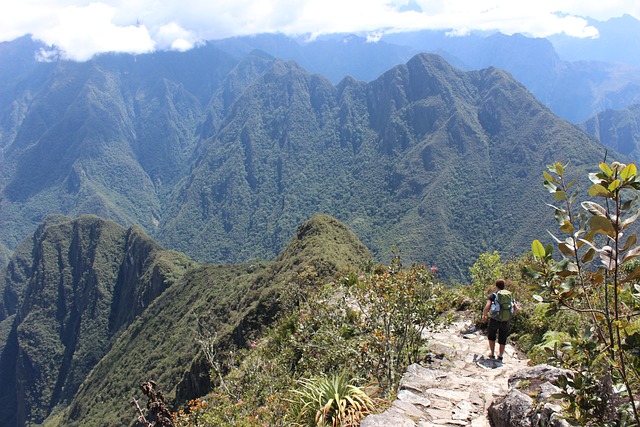
Half the adventure of going to Machu Picchu is actually getting there. The journey takes you through stunning Andean landscapes, from high-altitude plains to lush cloud forests. There’s no direct route; you must travel from Cusco. Most international flights land at Alejandro Velasco Astete International Airport (CUZ) in Cusco (or sometimes in Lima, where you then catch a domestic flight). Below is the standard route. For tours that include transportation, confirm the pricing for foreign visitors.
🚌 Step 1: Cusco to Ollantaytambo
The first leg of your journey is from Cusco to the train station in the Sacred Valley town of Ollantaytambo.
- By Car / Tour / Taxi: The most convenient and flexible option is to hire a private driver or take a tour that includes transport. The 60–90 minute drive is scenic, winding down from the high altitude of Cusco into the warmer, greener Sacred Valley.
- By colectivo (Shared Van): This is the most cost-effective option for budget travelers. Colectivos depart from Calle Pavitos in Cusco when they fill up (every 15-30 minutes). The cost is very cheap (approx. 10-15 Soles / $3-5 USD). It drops you in the main square of Urubamba, from which you can catch a second colectivo (5 Soles / $1.50) to Ollantaytambo. They are not the most comfortable but are a great cultural experience.
✨ Step 2: Ollantaytambo to Aguas Calientes (by Train)
This is the only way to reach the town of Aguas Calientes (also known as Machu Picchu Pueblo), the gateway to the citadel. Two companies operate the scenic route: PeruRail and Inca Rail.
- Train Types: Both offer budget-friendly options (PeruRail’s Expedition or Inca Rail’s Voyager) and luxurious panoramic carriages (PeruRail’s Vistadome or Inca Rail’s 360°). The luxury Belmond Hiram Bingham train is a lavish experience with gourmet dining and open-air observation deck, but at a premium price.
- Duration: Approximately 1.5 to 2 hours .
- Cost: Expect to pay between $60 and $500 USD one-way, depending on the train class and date.
- Cost: Expect to pay between $60 and $500 USD one-way, depending on the train class and date.Important: Train tickets must be booked well in advance. You cannot show up at the station and buy a ticket on the day of your desired departure — not least for the most popular times. The route itself is one of the world’s most beautiful train journeys, following the Urubamba River deeper into the cloud-forest canyon.
🚌 Step 3: Aguas Calientes to Machu Picchu
You’ve made it to the final stop. Now, from Aguas Calientes, you need to get up to the mountain-top citadel.
- By Bus: The most common and easiest method. Shuttle buses run from Aguas Calientes to the main entrance of Machu Picchu on a continuous loop. The journey takes about 30 minutes and costs around $12–24 USD one-way. Buses start running as early as 5:30 AM to catch sunrise. Purchasing your tickets in advance is recommended.
- On Foot (The Hike): For the adventurous, you can walk up the steep, paved path (around 1,800 steps) to the entrance. It‘s a tough climb of 1-2 hours, but saves you the bus fare and feels like a wonderful achievement. The trail begins near the train station in Aguas Calientes. Don’t attempt it if you haven’t yet acclimatized to the altitude.
- Note on Inca Trail Hikers: If you’ve completed the multi-day Inca Trail trek to Machu Picchu, you enter the site through the Sun Gate (Inti Punku). It is a particularly special way to arrive, seeing the sun rise over the citadel in a breathtaking reveal as you emerge from the final mountain pass.
Important: Regardless of how you arrive, you must have a valid ticket with a specific entry time to enter the Machu Picchu sanctuary. You must also exit the site by the end of your allotted time slot, which typically runs between 2-3 hours from entry, but can last up to 7 hours depending on your circuit.
🏄 What to Do – Beyond the Ruins
While the ancient citadel is the star, the region around it offers a wealth of additional experiences for the adventurous traveler.
🥾 The Classic Inca Trail (The Ultimate Trek)
The most famous trek in South America. This 4-day, 26-mile (42 km) journey follows original Inca stone pathways through cloud forests and high passes.
- Permits & Booking: This is crucial. Independent trekking is not allowed. A permit is mandatory but can only be booked through a registered tour operator. The daily limit on the trail is just 500 people, which includes guides, porters, and cooks. Permits sell out months in advance—often within 1-2 days of release for the high season (May–August). Permits for 2026 will go on sale on October 27, 2025 at 9:00 AM Peru time. If booking a trek for 2026, have your passport ready and act fast.
- The Experience: Incredible mountain scenery as you cross the Andes, with passes higher than most of Europe’s peaks. Trekkers pass through over 30 Inca sites, including the impressive Runkuracay and Sayacmarca ruins, before arriving at the Sun Gate at sunrise to see Machu Picchu spread out below. The trek ends with a final hike down to the citadel.
🏔️ Alternative Treks (No Inca Trail Permit Needed)
If permits are sold out or you want a quieter, less crowded experience, consider these incredible alternatives.
- Salkantay Trek (4–5 days): Named as one of the world’s 25 best treks by National Geographic. It‘s arguably the most popular alternative to the Classic Inca Trail, following a route below the majestic, snow-capped peak of Mount Salkantay (6,271 m / 20,574 ft). This trek is all about diversity—from high-altitude mountain passes to lush cloud forests and subtropical valleys, with the final day walking along the hydroelectric train tracks to Aguas Calientes.
- Lares Trek (3–4 days): The cultural immersion trek. It doesn’t have the famous Inca paving stones, but its quiet valleys and mountain-pass routes take you through communities where weavers and herders maintain century-old traditions. You‘ll likely take a dip in natural hot springs. Perfect for history and culture enthusiasts.
- Choquequirao Trek (4–5 days): The “other” Machu Picchu. Choquequirao is another impressive, less-visited Inca site near the Apurimac River canyon. This strenuous trek is for adventurers who want to see the majesty of Machu Picchu’s “little brother” without the crowds.
- Inca Jungle Trek (3–4 days): An action-packed alternative combining mountain biking, rafting, trekking, and zip-lining, ending at Machu Picchu. It’s an adrenaline junkie’s dream.
💧 Other Activities in Aguas Calientes
- Visit the Hot Springs (Aguas Calientes): The town gets its name from the thermal baths (Termas de Aguas Calientes), which are open to the public. After days of trekking or walking, soaking in the warm, sulfurous waters is blissful. They are simple, rustic, and very local. For current hours, ask locally. The town’s name, “Aguas Calientes,” literally means “hot waters.”
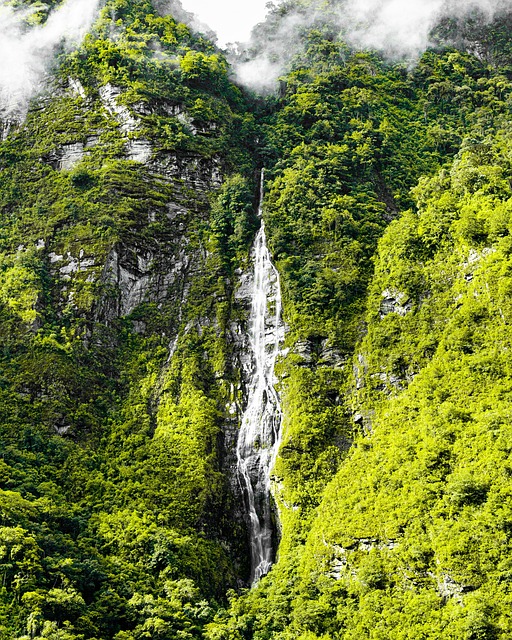
- Mandor Waterfall and Butterfly Garden: A 30–45 minute walk along the railroad tracks from Aguas Calientes leads to these beautiful, less-visited waterfalls and gardens. It‘s a great way to hike on your own. The path is flat, easy, and offers a stunning view of Huayna Picchu in the distance.
- Mariposario (Butterfly Sanctuary): Located along the road to the hot springs, this small sanctuary gives you the chance to see and learn about many species of colorful Peruvian butterflies. A peaceful escape from the main strip.
- Manuel Chávez Ballón Museum: Located at the base of the mountain before the bus to Machu Picchu, this site museum provides excellent context for the site, with artifacts and explanations, and is a perfect primer before your visit. It is worth the entry fee for history lovers.
🛶 Day Trips & Extended Adventures
- Combine with the Sacred Valley: Most travelers pair their Machu Picchu visit with exploring the sprawling Sacred Valley of the Incas. Here, you can visit other impressive sites like the fortress of Ollantaytambo, the agricultural terraces of Moray, and the colonial-era town of Chinchero.
- Fly Over the Nazca Lines: If you have time, a flight from Lima or Cusco over the mysterious Nazca Lines is a fantastic addition, but it’s a full day or more away. Take into account your itinerary and comfort with small aircraft.
- Experience Rainbow Mountain (Vinicunca): This popular day trip from Cusco features a high-altitude mountain (5,200 m / 17,060 ft) with striking bands of red, yellow, and turquoise earth. It’s a strenuous, cold, and rewarding half-day hike. Plan for an early start! Many visitors find it challenging, so listen to your body.
🍛 Local Foods – A Culinary Journey Through Peru
Forget what you think you know about South American food. Peruvian cuisine is among the most exciting in the world, a delicious fusion of indigenous Andean ingredients, Spanish influence, and significant Japanese and Chinese immigrant flavors (known as Nikkei and Chifa). This is a foodie’s paradise.
🐟 Ceviche – The National Dish
While you can find it everywhere, it originated on the coast. This is a culinary masterpiece: fresh, raw fish marinated in freshly squeezed lime or bitter orange juice, spiced with aji chili peppers, and seasoned with salt and cilantro. It‘s typically served with sweet potato, red onion, and large-kernel corn (cancha). It’s zesty, light, and incredibly refreshing.
🍲 Lomo Saltado – A Fusion Favorite
The ultimate comfort food and a fantastic representation of Peru’s Chifa (Chinese-Peruvian) cuisine. This stir-fried beef dish combines marinated strips of sirloin (lomo) with onions, tomatoes, and aji amarillo (yellow chili pepper). The kicker? It’s served over white rice and alongside thick-cut French fries. The blend of soy sauce and traditional Andean flavors is a match made in heaven.
🥔 Papa a la Huancaina – Potato Perfection
Peru has over 4,000 varieties of potatoes, a true national treasure. This classic appetizer or side dish is a celebration of them: boiled yellow potatoes are sliced and drenched in a creamy, slightly spicy cheese sauce called Huancaina. It‘s typically served with hard-boiled eggs and olives on a bed of lettuce. A must-try for potato lovers.
🥘 Aji de Gallina – Creamy Comfort
Another classic Peruvian comfort dish. It is a creamy, nutty, lightly spicy chicken stew made with shredded chicken, walnuts or pecans, Parmesan cheese, and aji amarillo (yellow chili pepper) sauce. It‘s served over steamed white rice with black olives and boiled eggs. It is incredibly rich and delicious.
🥙 Anticuchos – Street Food Heaven
These are skewers of marinated, grilled beef heart, a popular street food snack with pre-Columbian roots. They’re typically served with boiled potatoes and a spicy rocoto chili sauce. Don’t knock it until you try it—when grilled properly, anticuchos are tender, smoky, and delicious.
🥘 Cuy (Guinea Pig) – For the Adventurous
Yes, it’s a thing, and it’s considered a traditional Andean delicacy, especially for special occasions. Typically, the entire animal is served roasted or fried, often with potatoes and salad. The meat is rich, fatty, and similar to rabbit. If you‘re not squeamish, it’s an important part of the local culinary culture and a memorable experience to try it in the Sacred Valley.
📍 Restaurants in Aguas Calientes
- Indio Feliz: A famous, long-standing restaurant with a fantastic vibe and a multi-course tasting menu combining Peruvian and French cuisines. Features local ingredients like trout and alpaca. Hugely popular, so booking is essential.
- Toto‘s House: Known for its friendly service, cozy atmosphere, and a huge menu of Peruvian classics, including ceviche, lomo saltado, and grilled trout. A safe and delicious bet.
- Café Inkaterra: Located inside the luxurious Inkaterra Machu Picchu Pueblo Hotel, this is a relaxed spot with gourmet food, excellent coffee, and lovely outdoor garden seating.
- Restaurant Pueblo Viejo: A classic, dependable Peruvian restaurant right on the main road, known for its traditional dishes. A great choice for a no-fuss meal after a long day.
- The Local Market Stalls: For a truly authentic (and cheap!) experience, dive into the side streets and find the small, family-run stalls for a set lunch menu (menú ejecutivo). You’ll get a soup, main dish, and drink for a very reasonable price, often less than 10 Soles ($3 USD).
Pro Tip: At lunch, look for the menú ejecutivo. It’s the budget traveler’s best friend. It’s a fixed, multi-course meal for a low price that changes daily, usually including a soup, a main of the day (like aji de gallina, lomo saltado, or fried fish), and a drink. It’s the best way to eat like a local without breaking the bank.
🍸 Drinks to Try
- Pisco Sour: The undisputed national cocktail, made with Pisco (a type of brandy), lime juice, simple syrup, egg white, and a dash of bitters. It’s frothy, tangy, and dangerously smooth.
- Chicha Morada: A sweet, refreshing, non-alcoholic beverage made from purple corn, boiled with pineapple rinds, cinnamon, and cloves. It is served everywhere and is a delicious alternative to high-sugar soda.
- Inca Kola: A bright, bubblegum-pink, incredibly sweet, and uniquely flavored soda. It is a beloved Peruvian national icon and a must-try.
- Coca Tea: A gentle, mild herbal infusion that is widely recommended to combat altitude sickness. It is available everywhere—free in most hotel lobbies and restaurants. It‘s soothing and can help with headaches, fatigue, and nausea. (Just remember you can’t take the leaves home!)
🛍️ Shopping – Treasures from the Andes
You won‘t find high-end luxury shops, but you will find an incredible array of authentic, handcrafted souvenirs, especially in the towns of Cusco and the Sacred Valley. The best place to buy is at the markets and local artisan stalls.
🧣 Alpaca Wool Textiles
This is the #1 souvenir. Alpaca wool is softer, lighter, and warmer than sheep’s wool. Look for scarves, hats, chullos (traditional Andean beanies with ear flaps), sweaters, wraps, and blankets.
- Quality Matters: Learn the difference! Baby alpaca is the finest, softest, and most expensive variety. It comes from the first shearing of a young alpaca, not from a baby animal. Superfine alpaca is also exceptionally soft, but slightly less plush. 100% alpaca is the standard and will be warm and durable. Be wary of blends—many cheaper items mix alpaca with acrylic or other synthetic fibers.
🧶 Other Handicrafts
- Retablos: Traditional, hand-painted, three-dimensional wooden boxes filled with intricate clay figurines depicting scenes of daily life, religious ceremonies, or villages. They are a colorful, beautiful art form originating in Ayacucho.
- Ceramics: Replicas of Inca pottery, as well as the distinctive, bulbous, blackware or earthy diablito (devil) figurines from the town of Pucará. They’re meant to bring good luck and prosperity.
- Weavings and Tapestries: Handwoven bags, blankets, wall hangings, and tapestries featuring geometric patterns and Andean symbols. The town of Chinchero is particularly well-known for its high-quality, ancient weaving traditions.
- Jewelry: Look for jewelry made from silver, often set with semi-precious stones like the stunning blue-green sodalite (often commercially called “Peruvian blue opal”), as well as chrysocolla and the classic, celestial-blue lapis lazuli.
- Musical Instruments: Small handmade flutes (quenas) and panpipes (zampoñas) make for wonderful gifts for music lovers and are fun to try to play yourself. Modern recorders are also found but often imported.
📍 Where to Shop
- The Cusco Craft Market (Centro Artesanal Cusco): A large, labyrinthine market in central Cusco with hundreds of stalls selling everything you can imagine. It’s excellent for one-stop souvenir shopping, but prices are generally higher than the smaller markets.
- San Blas Market, Cusco: A smaller, more artsy market located in the hillside neighborhood of San Blas. It’s excellent for higher-quality art, textiles, and unique artisan pieces.
- The Pisac Market, Sacred Valley: This is the most famous and largest market in the region. Held primarily on Tuesdays, Thursdays, and Sundays, but there are stalls up every day. It’s spectacular for its variety and one-stop shopping.
- The Chinchero Market (Sunday): This is a very authentic, less-touristed market. It’s where local weavers and farmers come to buy and sell. If you‘re after high-quality textiles directly from the artisan, this is the place to put on your itinerary.
Bargaining: It’s expected and a part of the culture at the local artisan markets. However, do it respectfully and with a smile. Prices are often inflated for tourists, but the artisans rely on a fair profit. If you’re buying a high-quality handwoven baby alpaca blanket, it’s worth paying a good price. For small trinkets, ask for a discount. Do not bargain at official, fixed-price stores or in a small village where the artisan is sitting right there—it’s considered rude.
🛂 Export Considerations
- It is illegal to export any artifacts, pre-Columbian art, or pieces from archaeological sites. Only buy from reputable sellers who can prove the item‘s modern origin.
- If you purchase a valuable, antique-looking piece, ask the shop owner for a receipt or certificate to present to customs authorities at the airport, otherwise it might be confiscated.
- Peruvian law prohibits the export of coca leaves in any form, including the tea you’ll be offered in the highlands. Do not try to bring any coca products home. You will risk fines and legal trouble at customs.
🎒 What to Pack – Be Prepared for Anything
Machu Picchu’s climate is famously unpredictable. You can experience four seasons in one day: bright, warm sun, biting cold wind, and sudden, heavy rain. Your mantra must be layers.
The Layering System
- Base Layer: Moisture-wicking, breathable t-shirts, long or short-sleeved, such as merino wool or a synthetic hiking shirt. Cotton is not your friend—when it gets wet, it stays wet. Bring just 2-3 base tops.
- Mid Layer: An insulating fleece jacket, lightweight down jacket, or a softshell. This is what keeps you warm when the sun disappears or the wind picks up on the high passes.
- Outer Layer (Shell): A waterproof and windproof rain shell is essential, even in the dry season. A poncho is also acceptable, especially if you’re taking the train or bus. It must be able to handle a sudden downpour.
Footwear
- Sturdy, Broken-in Hiking Boots: This is your most important investment. You will be walking on uneven, ancient stone steps for hours, and blisters can ruin a day. Invest in a quality pair that you‘ve broken in for weeks before you leave.
- Hiking Sandals or Comfortable Second Pair: For relaxing in Aguas Calientes, wandering around town, or for your day pack.
Other Essential Gear
- Daypack (20-30L): A comfortable backpack for all your daily essentials. It will carry your layers, water, snacks, camera, and personal items.
- Rain Cover for Your Backpack: An absolute must if your pack lacks a built-in waterproof cover.
- Water Bottle: Staying hydrated is critical at high altitude. Bring a reusable bottle. You cannot buy single-use plastic water bottles inside the Machu Picchu sanctuary.
- Sun Protection: The Andean sun is deceptively strong. A high-SPF, reef-safe sunscreen, a wide-brimmed hat (baseball caps leave ears exposed), and polarized sunglasses.
- Trekking Poles: These are very helpful for going down the steep, slippery steps. However, they are strictly prohibited inside the Machu Picchu citadel without medical permission. If you have a medical condition, you must bring a doctor‘s note to be allowed entry.
- Insect Repellent: The area around Aguas Calientes is a cloud forest. Strong, DEET-based repellent is essential to avoid mosquito and sandfly bites, especially near the river.
- Headlamp: Not strictly necessary for the standard day trip, but if you plan to do any early morning hiking or trekking, a headlamp is safer and more practical than a phone light.
- Portable Charger / Power Bank: Your phone’s battery will drain faster with constant picture-taking and map usage. A power bank is a lifesaver.
Health & Altitude Protection
- Altitude Medication (Acetazolamide/Diamox): Talk to your doctor about getting a prescription for altitude sickness. Start taking it 24 hours before you arrive in Cusco and follow the instructions. Do not rely solely on coca tea.
- Coca Candies / Tea: Readily available and helpful for mild symptoms. They are safe and offer a gentle lift.
- Personal First-Aid Kit: Include pain relievers (ibuprofen/paracetamol), band-aids, antiseptic wipes, anti-diarrheal medication (often called “traveler’s tummy”), antihistamines, and motion sickness pills if the winding roads affect you.
- Hydration Salts: Bring a few packets of oral rehydration salts. They are a godsend if you experience altitude sickness, get dehydrated, or if the water isn’t agreeing with you.
Clothing to Avoid
- Jeans: They are heavy, take forever to dry if they get wet, and are surprisingly uncomfortable for a day of walking.
- Bright or Neon Colors: These can be distracting and startle wildlife. Stick to earth tones—greys, greens, browns, and blues.
- New, Unbroken-In Hiking Boots: This is the #1 cause of ruined trekking experiences. Do not break them in on the Inca Trail!
What Is Prohibited in the Citadel
- ❌ Food (except water)
- ❌ Selfie sticks, tripods, monopods (drones are also strictly prohibited)
- ❌ Large backpacks (over 40L)
- ❌ Umbrellas (rain ponchos are fine)
- ❌ Musical instruments
- ❌ Smoking and vaping
- ❌ Single-use plastics
💰 Average Budget – What a Trip to Machu Picchu Costs
With careful planning and the right priorities, the trip of a lifetime is achievable on many budgets. Let‘s break down the real costs for 2025.
🎟️ Entry Tickets
- Circuit 2 (Classic Route) / Circuit 3: 152 Soles (about $46 USD) for foreign adults. This is your standard entrance fee for the best route. Prices are often quoted in Soles.
- Circuit 1 (Panoramic): 112 Soles (about $30 USD) for foreign adults. You’ll still see the key photo spots.
- Huayna Picchu Ticket (Circuit 4): A more expensive, limited-availability ticket that includes the strenuous mountain climb. Expect to pay roughly 200 Soles ($60 USD) .
- The ‘Hidden’ Costs: The entry ticket is just the start. You’ll also need to budget for transport to the site (train or hike), the bus tickets up the mountain, and food in Aguas Calientes.
✨ Sample Budgets (Per Person)
| Expense Category | Backpacker / Budget | Mid-Range Traveler | Luxury Traveler |
|---|---|---|---|
| Accommodation (Aguas Calientes) | $30 – $50 / night (hostel or very basic hotel) | $80 – $150 / night (nice 3-star or boutique hotel) | $200 – $600+ / night (luxury eco-lodge like Inkaterra or Sumaq) |
| Food & Drink (per day) | $15 – $25 (street food, market lunch, cooking own meals) | $30 – $60 (local restaurant dinner, a beer or two, nice coffee) | $80 – $150+ (gourmet dinner, wine, room service) |
| Transport (Cusco to Aguas Calientes) | ~$120 – $150 round-trip (basic PeruRail Expedition or colectivo+train combo) | ~$150 – $250 round-trip (Vistadome or 360° train) | $500 – $1,500+ (Hiram Bingham luxury train) |
| Bus to/from Aguas Calientes | $24 round-trip (mandatory unless you hike) | $24 round-trip | $24 round-trip |
| Entrance Ticket | $46 – $60 (depending on circuit) | $46 – $60 | $46 – $60 (plus private guide) |
A sobering reality: The average backpacker (staying in hostels, eating cheaply) should budget at least $80 USD for a single day for entrance, bus, basic train, and one simple meal. For a full 4-day trip (Cusco, Sacred Valley, Machu Picchu), a minimum budget of $500 USD is recommended for a basic, memorable trip. For a comfortable, mid-range 4-5 day experience, you’ll likely spend $800 – $1,500 USD. For a luxury trip (including the Hiram Bingham train and top-tier hotels), the sky’s the limit.
🤑 Money-Saving Hacks
- Visit in the Low Season (November to April): While rain is more likely, prices for flights, tours, and hotels drop significantly, and the site is much less crowded.
- Take the ‘Colectivo + Train’ Route: Instead of taking the train directly from Cusco (which is more expensive), take a colectivo to Ollantaytambo first, then catch the train from there. This can cut your train fare by 25-30%.
- Eat Like a Local in Aguas Calientes: For lunch, look for the menú ejecutivo. It‘s a set lunch for a low price that usually includes soup, a filling main dish, and a drink.
- Do the Hike (Save the Bus Fare): If you’re fit and acclimatized, skip the $24 round-trip bus and hike the 1,800 steps up to the entrance. It‘s free and a great sense of accomplishment.
- Book Everything Early: Last-minute train and ticket purchases are almost always more expensive. Booking 3-6 months in advance locks in the best prices.
- Consider Alternative Treks: The Salkantay Trek, while not cheap, is frequently less expensive than the Inca Trail and offers a more rugged, diverse landscape. It’s a great alternative if the Classic Inca Trail is too expensive or sold out.
🏁 Conclusion – Why Machu Picchu Belongs on Your Bucket List
There are places you see, and then there are places that change you. Machu Picchu belongs firmly in the second category. It is more than an ancient ruin; it is a testament to human ingenuity, resilience, and a profound connection to nature. The ancient stones speak of a civilization we are still trying to fully understand.
Yes, planning a trip can be complicated. The tickets, the circuits, the train schedules, and the altitude can feel like a puzzle. But the reward—to stand in the shadow of Huayna Picchu, to feel the mist on your skin, and to look out over a city that the Spanish never found—makes it worth every ounce of effort.
So, if you‘re dreaming of an adventure that feeds your soul and fills your camera roll, Machu Picchu is calling your name.
Rimaykullayki (Quechua for “let‘s speak again soon). We’ll see you on the mountain.
Have you stood at the Sun Gate and watched the sunrise over the lost city? Or are you still planning your trip? We’d love to hear about your Machu Picchu dreams and memories in the comments below! 👇
❓ Frequently Asked Questions About Machu Picchu
1. How many days do I need in Machu Picchu?
To do it right, plan 2 days in the region: Day 1 to arrive and explore Aguas Calientes, and Day 2 for your early morning entry into the citadel. Add an extra day if you plan to hike Huayna Picchu, Machu Picchu Mountain, or want to explore the Sacred Valley more thoroughly.
2. Do I need a guide for Machu Picchu?
No, it‘s not mandatory for the main circuits. However, hiring an official guide at the entrance (you can find them waiting near the gate) is highly recommended. The history, architecture, and spiritual meaning of the site are so much richer when explained by an expert. They typically charge around $20–30 dollars per person for a small group.
3. Is the Inca Trail worth it?
If you are physically fit and can plan ahead, absolutely. It’s a life-changing, immersive journey through the Andes on original Inca pathways, culminating in a breathtaking entrance through the Sun Gate. However, it’s strenuous, requires a permit, and should be booked 6 months in advance.
4. Can I do Machu Picchu in a day trip from Cusco?
Yes, it is physically possible via very early train, but it makes for an incredibly long and exhausting day (12+ hours). It’s not recommended. The best experience involves staying overnight in Aguas Calientes to enter the site early (for the best light) and take your time.
5. What is the best month to visit Machu Picchu?
For the most reliable weather (dry, sunny days), visit during the dry season: May through September. June, July, and August are the absolute peak, busiest months. The shoulder months of April, May, and October offer a solid mix of decent weather and slightly fewer visitors.
6. Is Machu Picchu safe?
Yes. The archaeological site itself is extremely safe, with a heavy security presence and strictly enforced rules. The tourist zones of Cusco and the Sacred Valley are generally secure, though petty theft (pickpocketing) can occur in crowded markets or on public transport. Use common sense—keep your bag secure and valuables out of sight.
7. What is the altitude of Machu Picchu?
Machu Picchu is at 2,430 meters (7,970 feet) , which is considered ‘high altitude’ but is manageable for most people after proper acclimatization. The real challenge is Cusco, which sits at 3,399 meters (11,152 feet). Plan to spend at least 2 days in Cusco drinking coca tea and resting before attempting Machu Picchu.
8. Do I need a visa for Peru?
For citizens of many Western countries (including the US, UK, Canada, Australia, and EU nations), a tourist visa is not required for stays of up to 90 or 183 days (depending on the country). However, you should check the specific entry requirements for your nationality before you travel.
9. Is the water safe to drink?
Not in the towns. Do not drink the tap water in Peru. Always drink bottled or filtered water. At Machu Picchu, you must carry your own reusable bottle. You can refill it in Aguas Calientes at your hotel or at public stations.
10. Do they accept US dollars in Machu Picchu?
The official currency is the Peruvian Sol (PEN, ‘S/’) . While many tour operators, hotels, and pricier restaurants in Cusco may accept US dollars, the exchange rate will be terrible. You will need local currency for the bus, your entry ticket (if paying in cash), and for all small purchases at the markets, snack stands, and Aguas Calientes. Always carry cash, particularly in Soles.
11. Can I bring my drone to Machu Picchu?
Absolutely not. Drones of any type are strictly prohibited in the Historic Sanctuary of Machu Picchu and will be confiscated at the entrance. This applies to selfie sticks and tripods, as well.
12. What is the best way to avoid crowds at Machu Picchu?
The secret is the early bird. The first buses start at 5:30 AM from Aguas Calientes. Be on one of the first few buses; arriving at the entrance just as it opens at 6:00 AM means you‘ll have the site to yourself for a solid hour before the main wave of day-trippers arrives. After 10 AM, it becomes significantly more crowded.
13. Is there an elevator or escalator at Machu Picchu?
There is not. The site is built on a steep mountain. You will be walking on uneven stone steps, hills, and trails. Wear sturdy, comfortable, broken-in footwear.
14. How do I avoid altitude sickness?
- Ascend slowly. Spend 2 days in Cusco before heading to Machu Picchu.
- Drink coca tea—it’s widely available.
- Stay hydrated (2–3 liters of water per day).
- Eat light, easily digestible meals. Skip the huge, heavy breakfast.
- Avoid alcohol and sleeping pills.
- Pay attention to your body. If you feel a severe headache, nausea, or extreme exhaustion, rest and seek medical help if necessary. Most importantly, talk to your doctor about altitude medication (Acetazolamide/Diamox) before you go.
15. Can pregnant women visit Machu Picchu?
In most cases, yes—provided you are not in your third trimester and have no complications. However, the high altitude can affect stamina. Always consult your doctor before planning a high-altitude trip if you are pregnant. You should also avoid the more strenuous hikes like Huayna Picchu.
16. What is the local Quechua word for ‘thank you’?
“Urpichay” is the word for “thank you” in Quechua. Using it will bring a big smile to a local’s face!