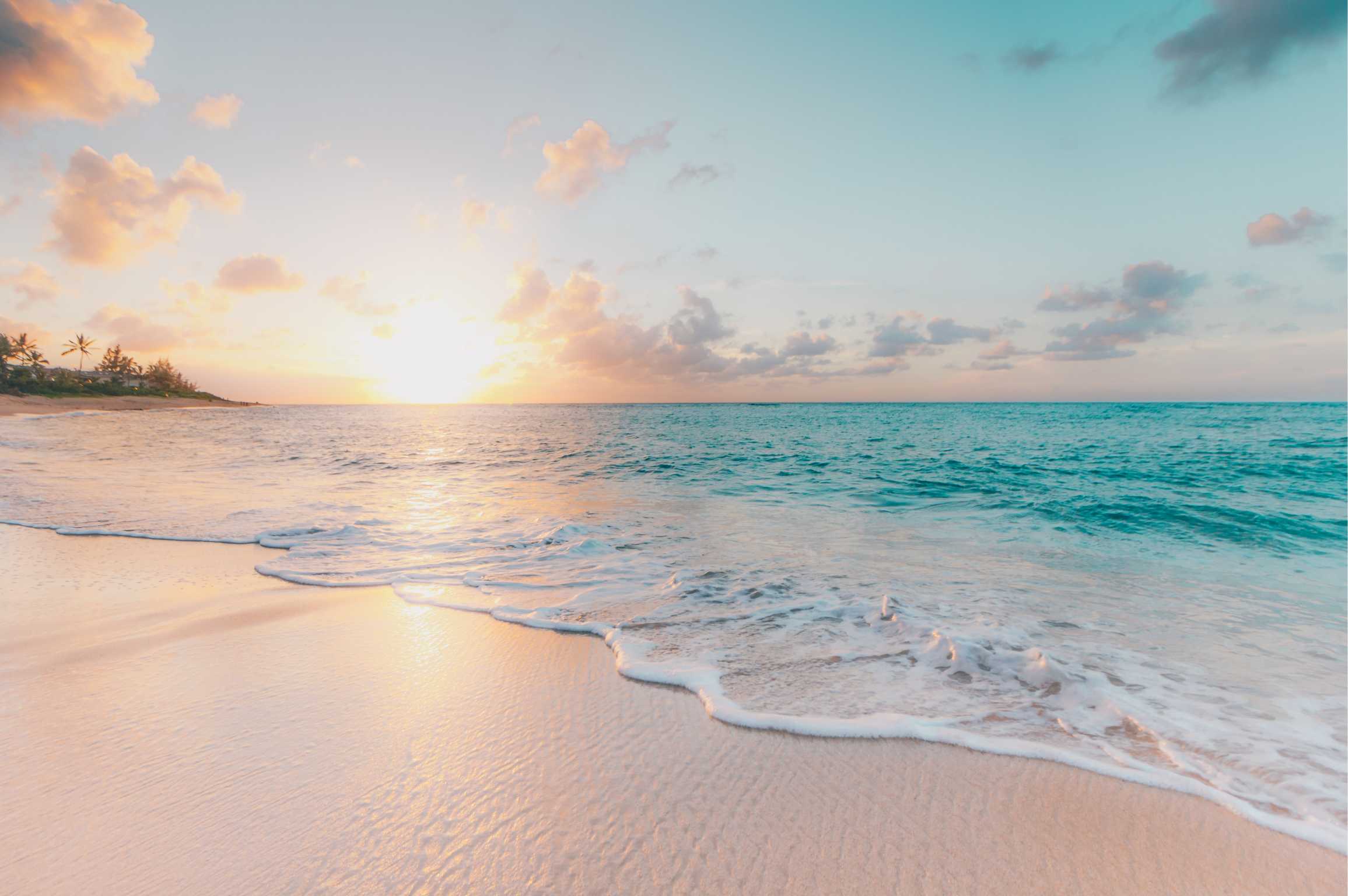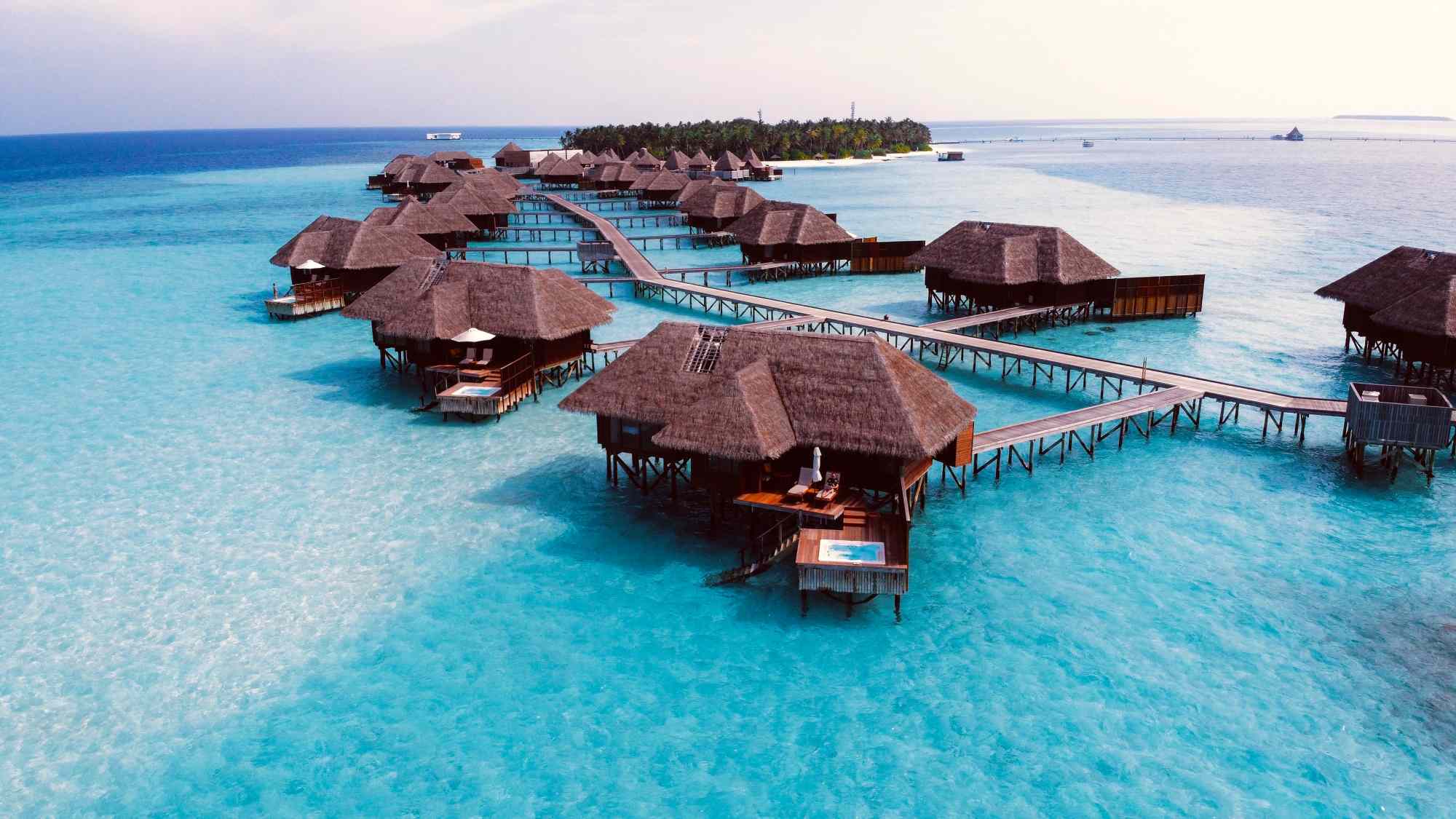
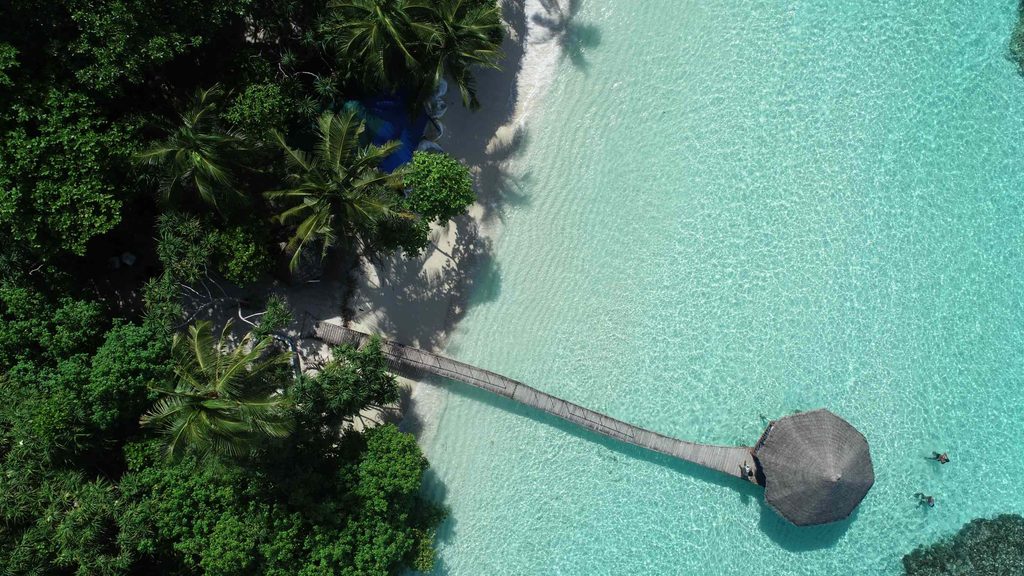
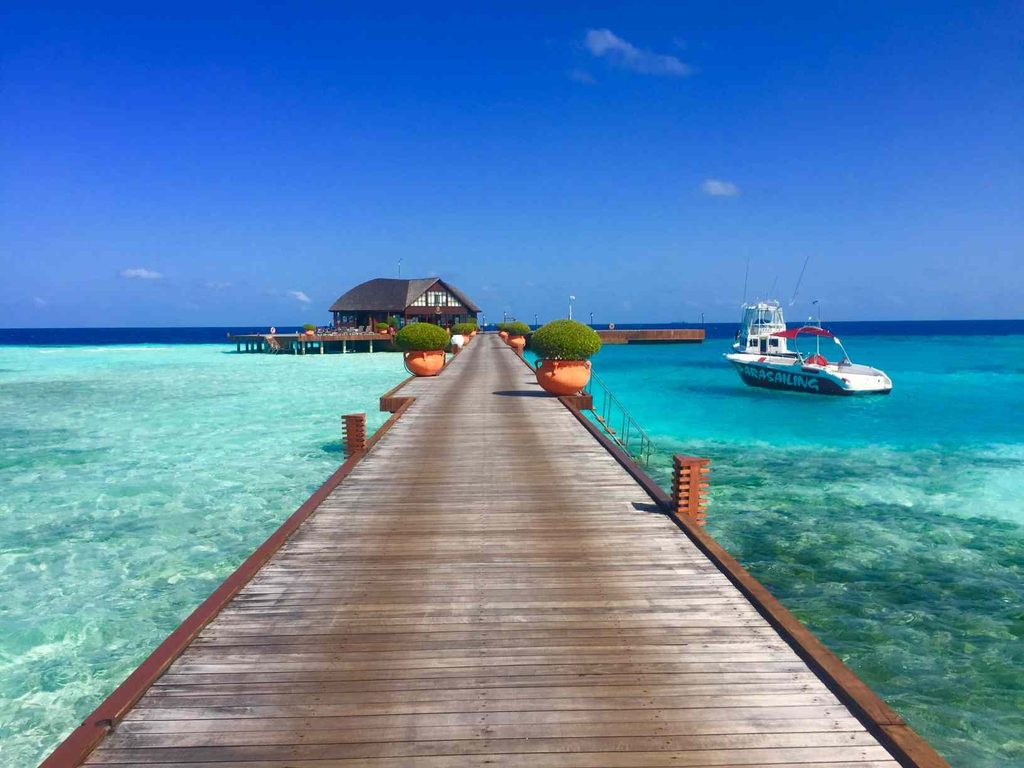
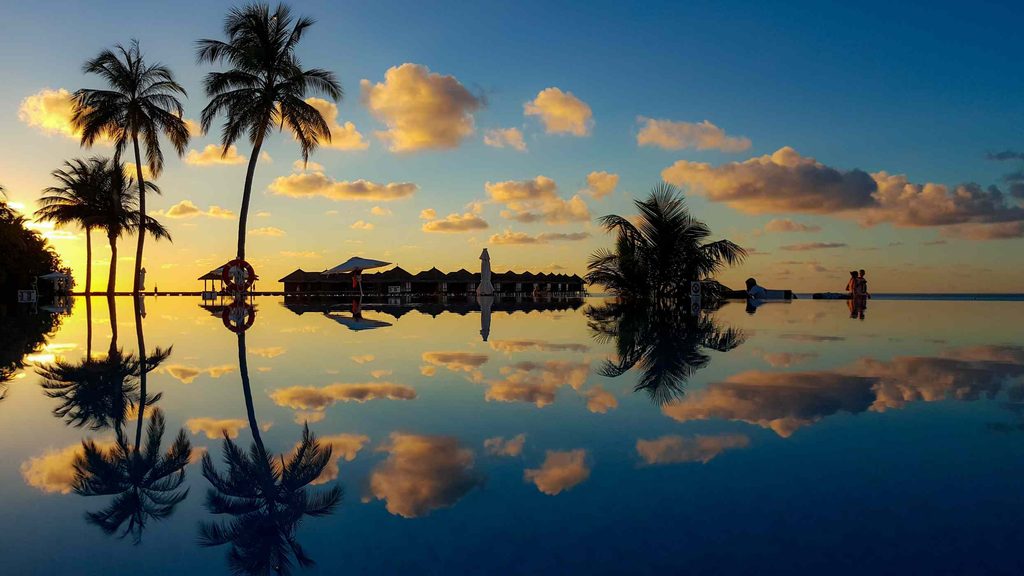
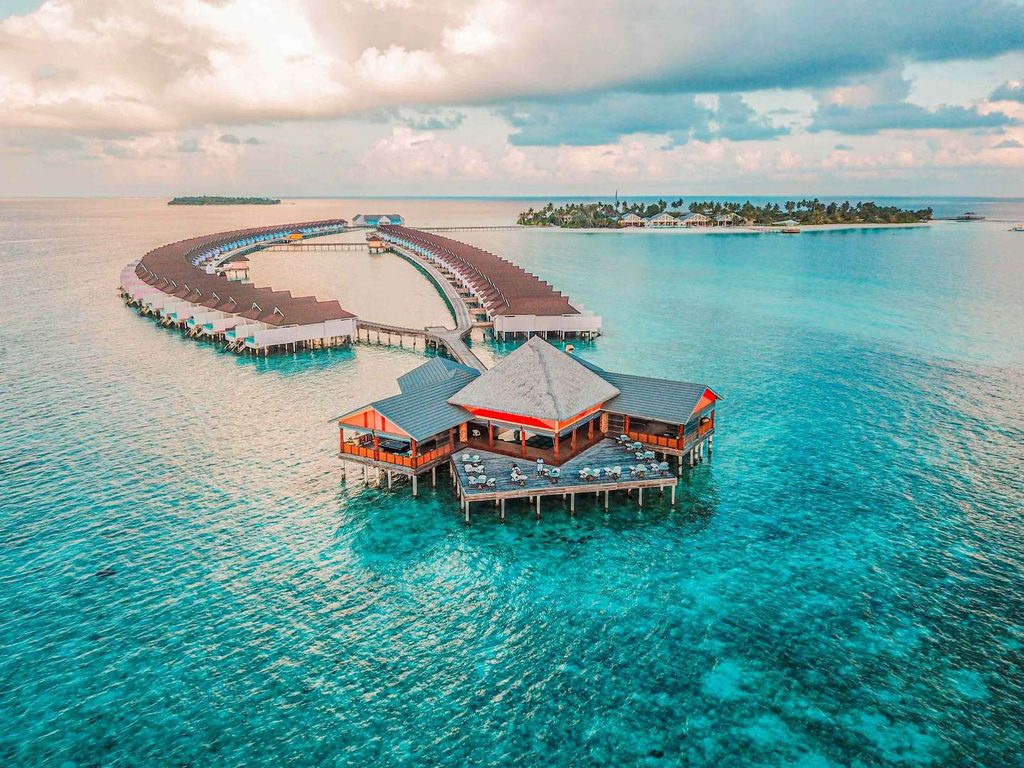
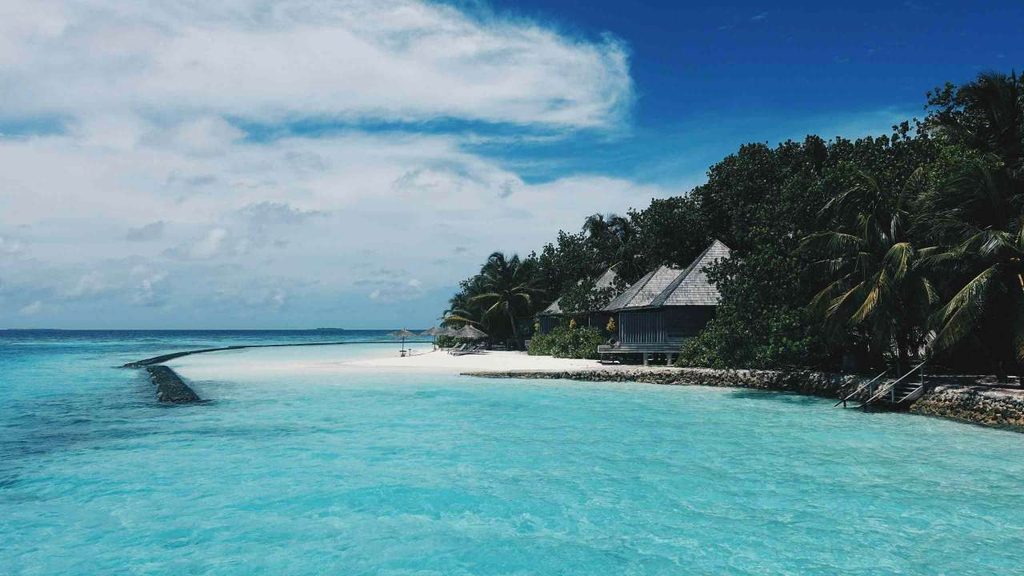
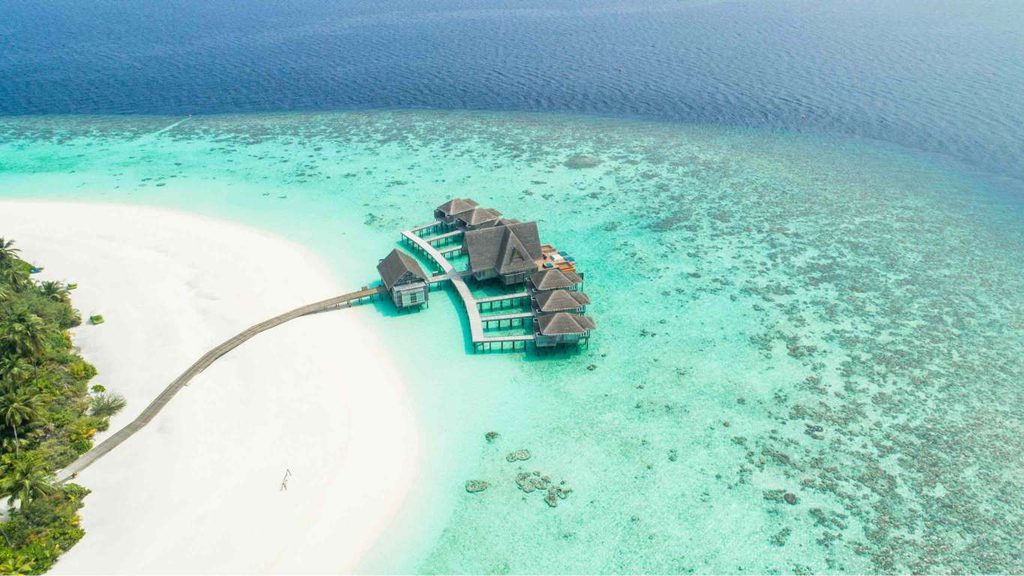
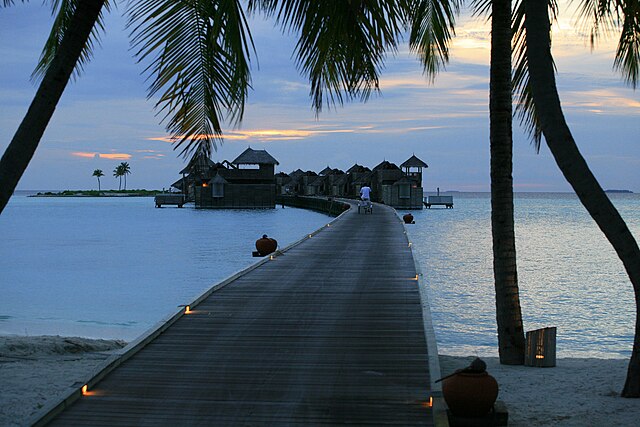
When most people hear “Maldives,” they picture overwater villas, infinity pools, and eye-watering price tags. But here’s what you might not know: this nation of over 1,190 coral islands has a far richer, more layered identity than the luxury resort brochures suggest.
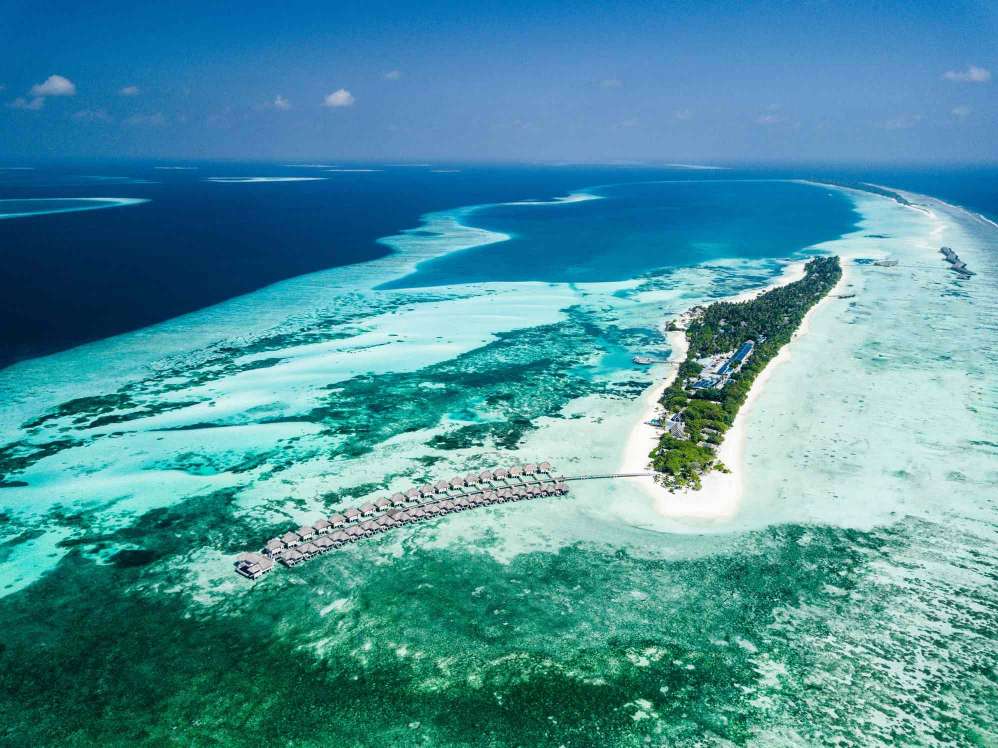
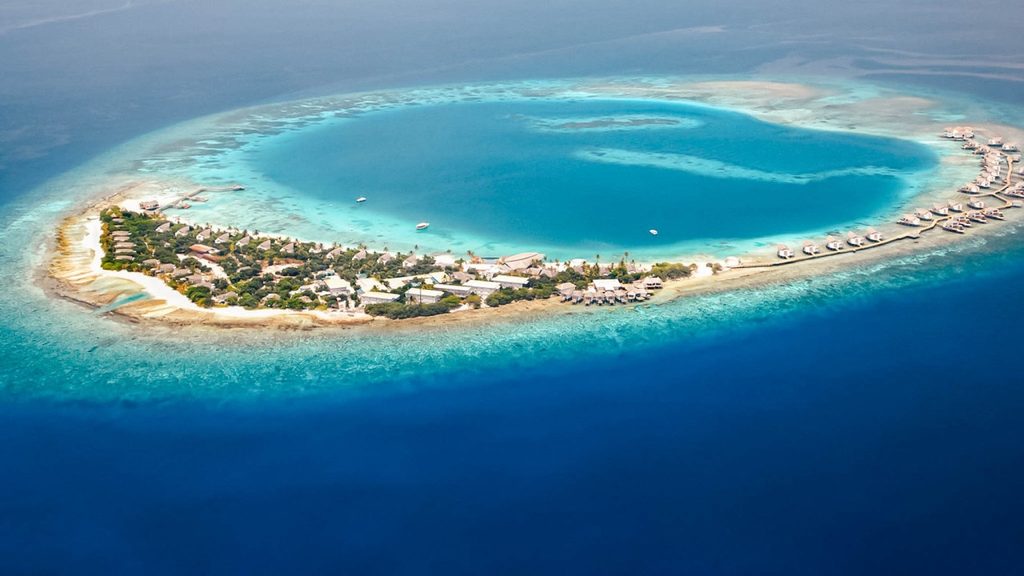
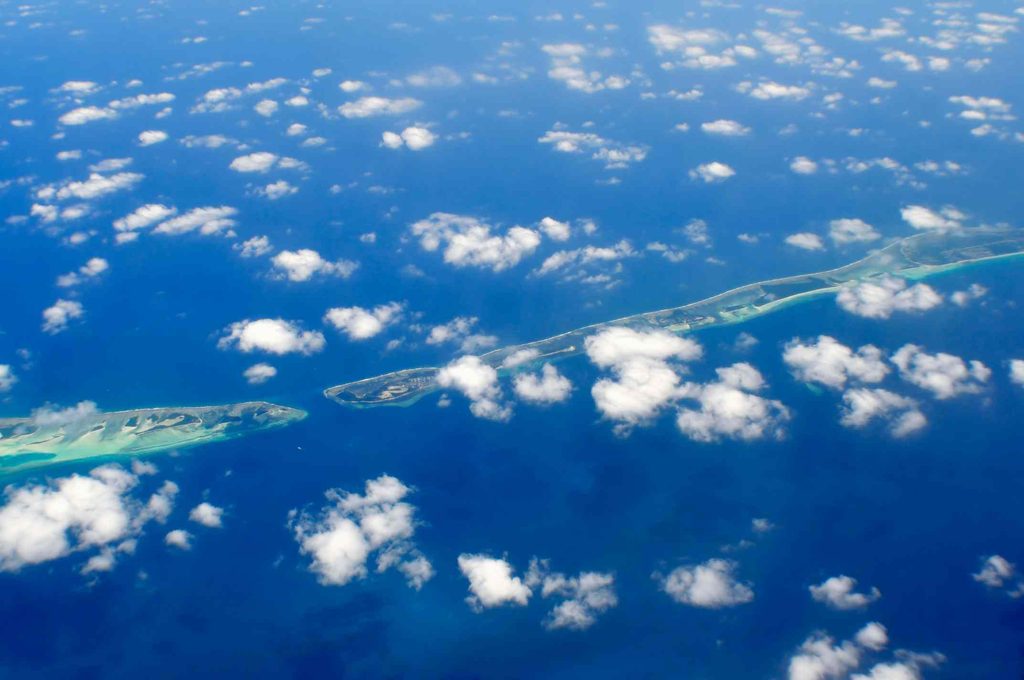
The Maldives sits in the Indian Ocean, southwest of Sri Lanka and India, made up of 26 atolls. Its defining feature? This is a “nation of the sea” — its territorial waters dwarf its landmass. The ocean and its fisheries aren’t just economic lifelines; they shape an entire way of life.
Over the past few decades, the Maldives pulled off a remarkable transformation: from being one of the 20 poorest countries on Earth in the early 1980s, to graduating from Least Developed Country status in 2011, to becoming an upper-middle-income economy today. That pace of change is almost unheard of globally.
For travelers, this means you can experience, in one trip: world-class diving and snorkeling, authentic islander life, a unique culture shaped by Islamic tradition, and — if you’re willing to dig a little — budget options that won’t drain your savings.
History & Geography: A Counterintuitive Island Nation
Maldives’ history stretches back over 25,000 years. Its position on ancient trade routes made the archipelago a crossroads of Indian, Sri Lankan, Arab, North African, and Southeast Asian influences. You can still see and taste that fusion in the language, architecture, food, and customs.
1153 was the turning point: the Maldives converted to Islam as a nation, a moment that fundamentally reshaped its cultural DNA. Even today, Islamic tradition sits at the heart of Maldivian social life.
On July 26, 1965, the Maldives gained independence from Britain. The first two decades after independence were slow. Then in 1972, the country opened its first resort — and tourism took off. By 1994, visitor numbers had climbed from zero to 280,000, with hotel occupancy at 68%.
But what truly sets the Maldives apart — and makes it counterintuitive — is its geography.
The average elevation is shockingly low: most islands sit just 1 to 1.5 meters above sea level. It’s one of the most climate-vulnerable nations on Earth. Rising seas, coral bleaching, saltwater intrusion — these aren’t distant threats; they’re daily realities. Yet the Maldives isn’t waiting around. It has set a net-zero emissions target for 2030, builds coastal defenses, and promotes sustainable tourism practices.
Geographically, the country runs on two seasons: the dry season (Iruvai, December to April) and the wet season (Hulhangu, May to November). The dry season brings lower humidity and less rain — prime time for outdoor adventures. The wet season means more rain but also lower prices and fewer crowds.
How Many Tourists Visit the Maldives Each Year?
According to the latest data from the Maldives Ministry of Tourism, as of October 7, 2026, the country had already welcomed 1,642,478 tourists. For a nation of roughly 515,000 people, that means tourists outnumber locals more than three to one.
For context: in 1994, that number was 280,000. In three decades, visitor numbers have grown nearly sixfold. Tourism is the undisputed backbone of the economy. By the mid-1990s, it already contributed 18% of GDP — and that share has only grown since.
This heavy reliance on tourism brings prosperity but also vulnerability. The COVID-19 pandemic hit the Maldivian economy hard in 2020, but the rebound was swift — with economic growth projected at 8.1% in 2023.
In terms of source markets, Europe remains the core. Direct flights from the UK, Germany, and Italy, plus connections via the Middle East and Colombo, bring in a steady stream. More recently, Asian markets — especially China and India — have been growing fast.
Main Attractions & Experiences: Beyond the Overwater Villa
It’s Not Just “One Island, One Resort”
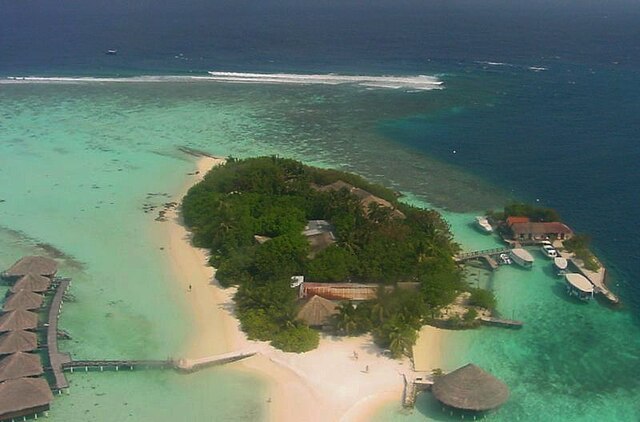
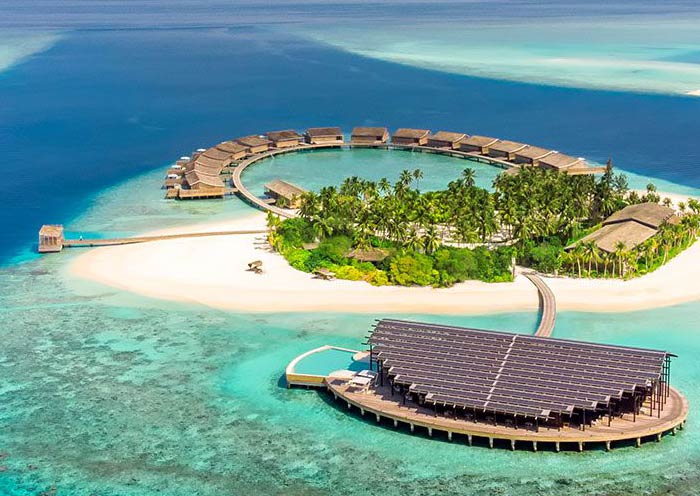
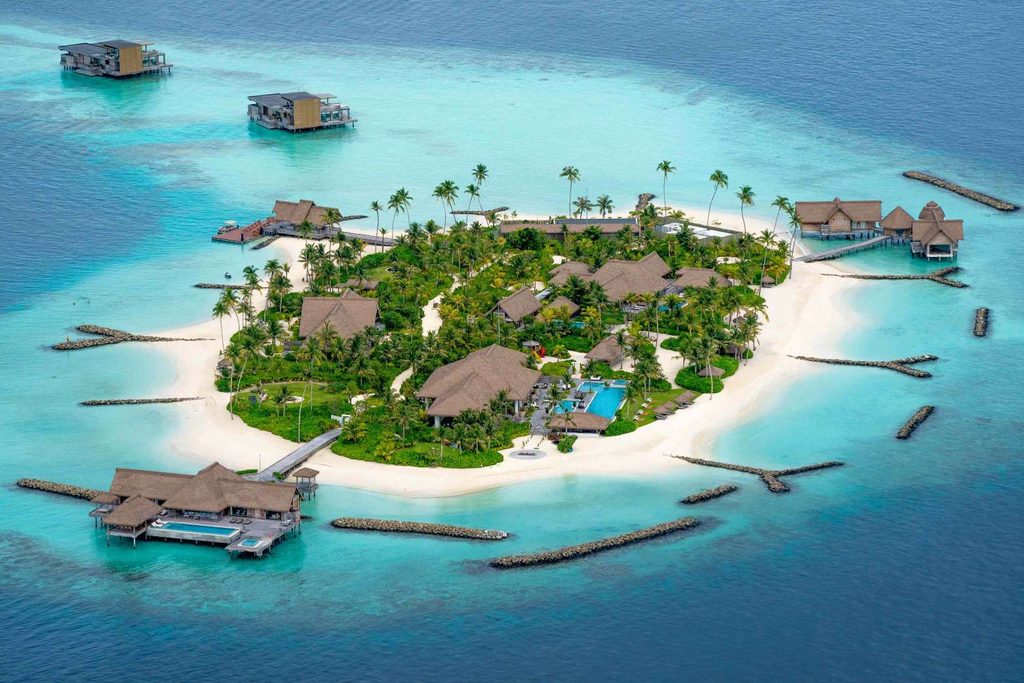
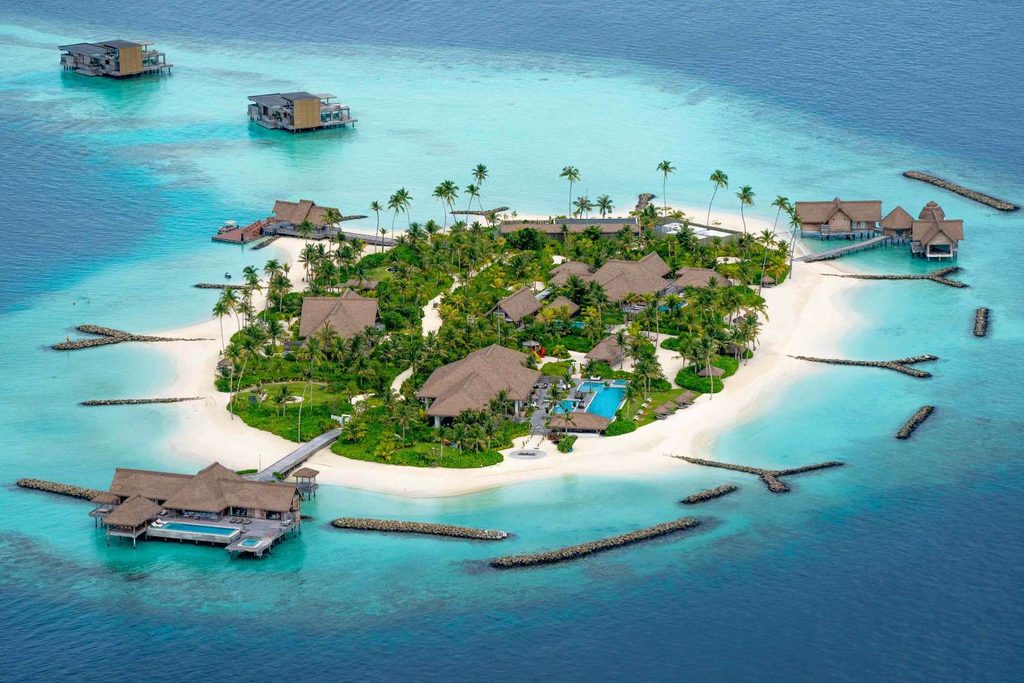
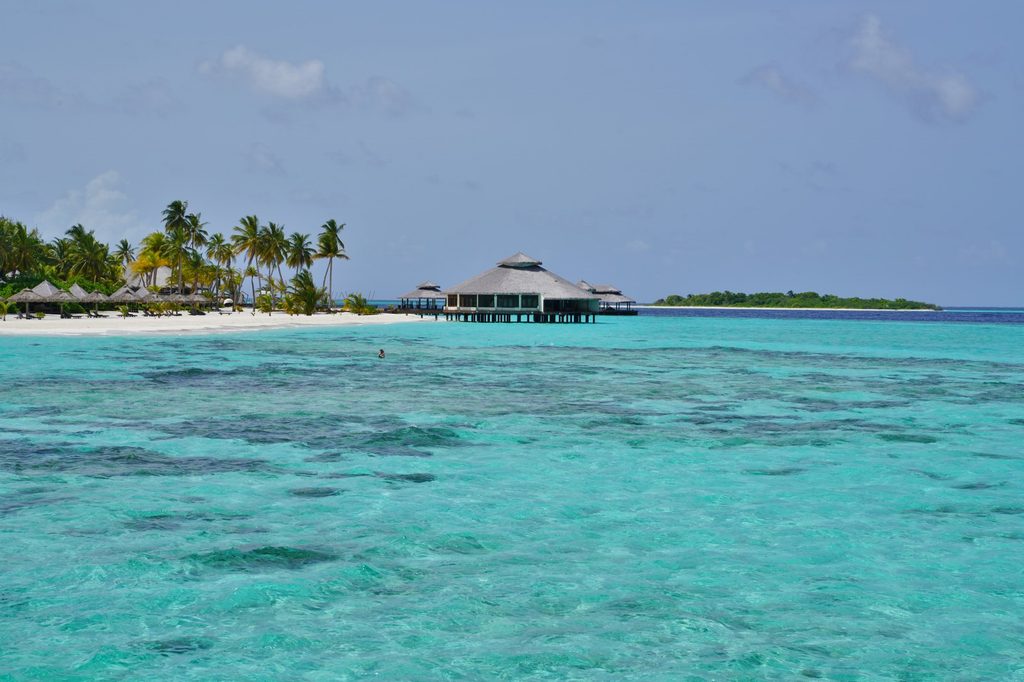
The typical Maldivian resort model is “one island, one resort” — which makes it easy to fly all that way and see nothing but “one small island and one resort.” That’s the first big mistake travelers make.
A real Maldives experience should include island hopping. Whether you charter a boat, join a day trip, or split your stay between two islands with different vibes, hopping should be on your itinerary.
Diving & Snorkeling: The Underwater Reality
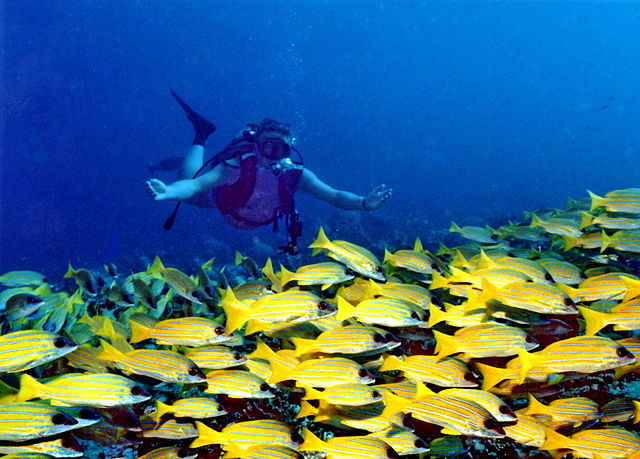
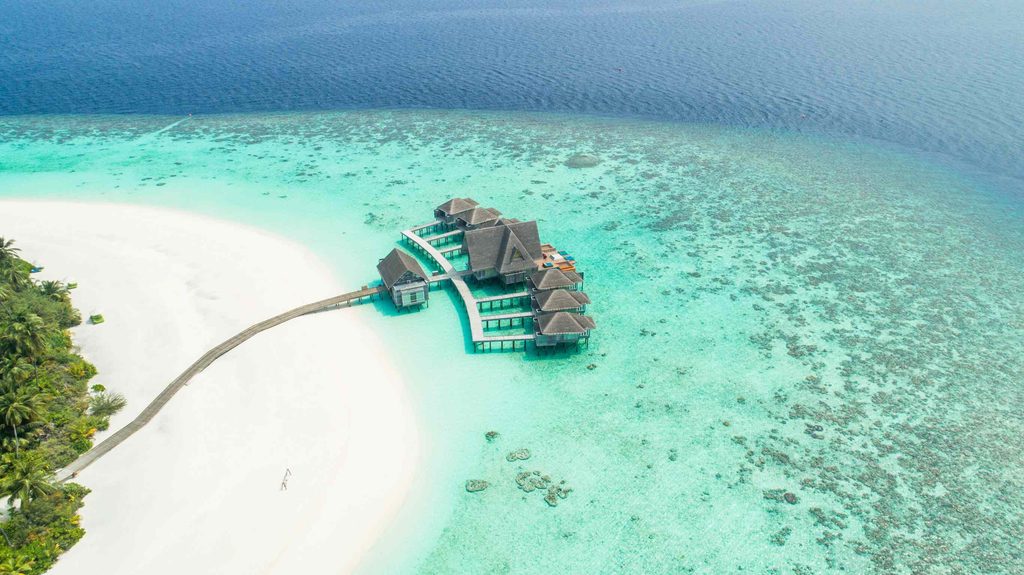
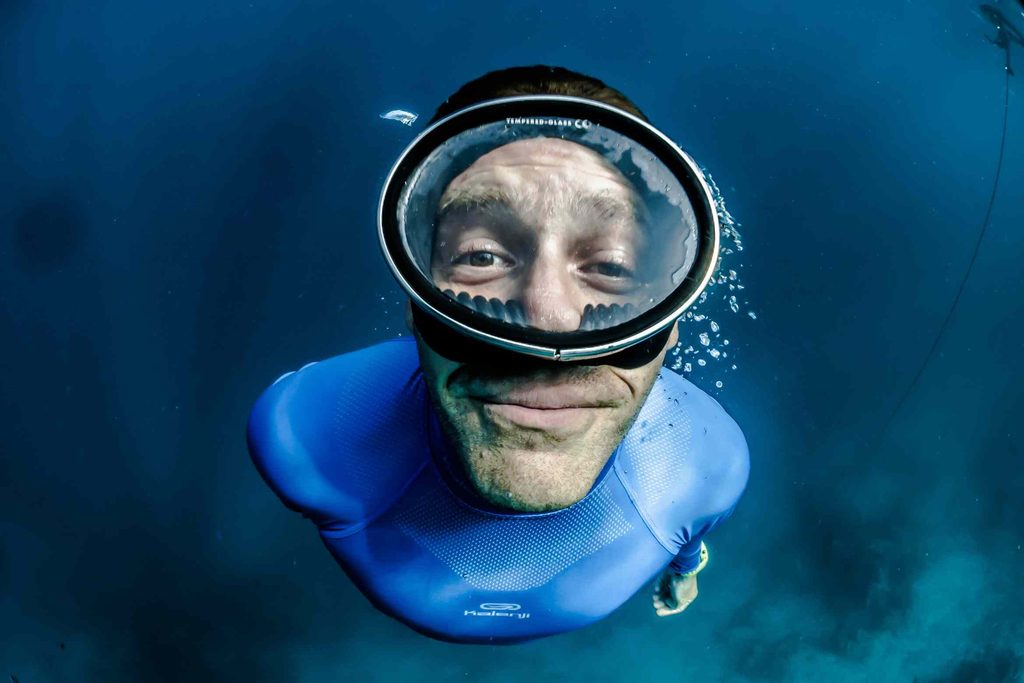
Maldives’ coral reefs are the foundation of the marine ecosystem, providing food and shelter for over 1,000 species of fish. Whether you’re a certified diver or a first-time snorkeler, the underwater world here delivers.
Most resorts have their own house reef, accessible right from the shore. If you’re staying on a local island, public beaches often have snorkel-friendly entry points. Dive costs vary by resort, typically $50 to $100, depending on whether you bring your own gear, boat use, and guiding.
Local Island Life: The Real Maldives
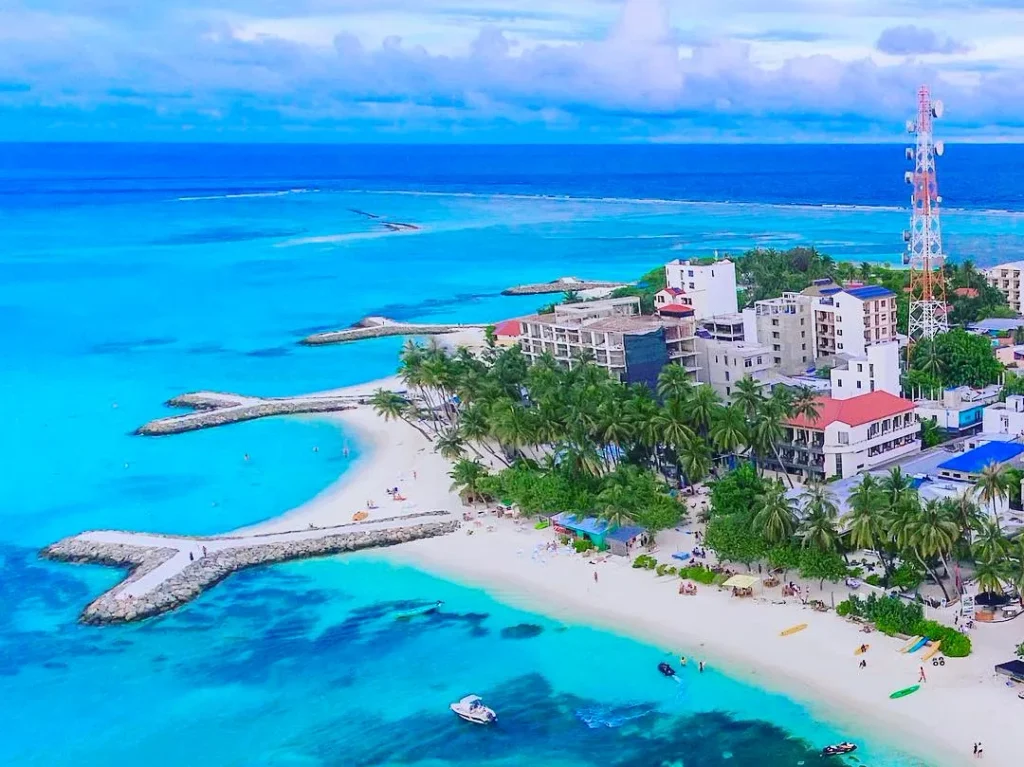
This is the part most tourists skip entirely. The Maldives has around 200 inhabited local islands, and they’re worlds apart from resort islands. On a local island, you’ll see real fishing-village life, hear the call to prayer from the mosque, and taste home-style Maldivian food.
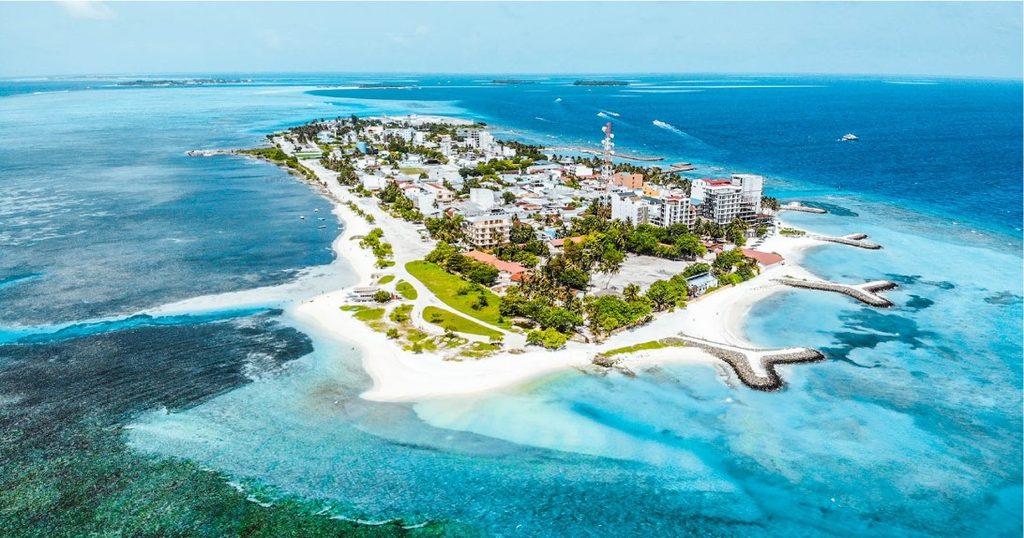
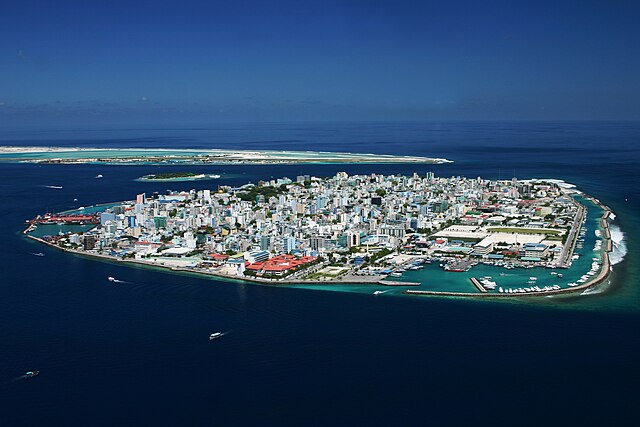
Maafushi is one of the most accessible local islands — about 30 minutes by speedboat from Malé. It has cheap guesthouses, a lively bikini beach, and day-trip boats to resorts and sandbanks. Other local islands worth exploring include Omadhoo in North Ari Atoll, a sleepy fishing village, and Fuvahmulah in the south.
Traditional Dhoni Boats & Liveaboards
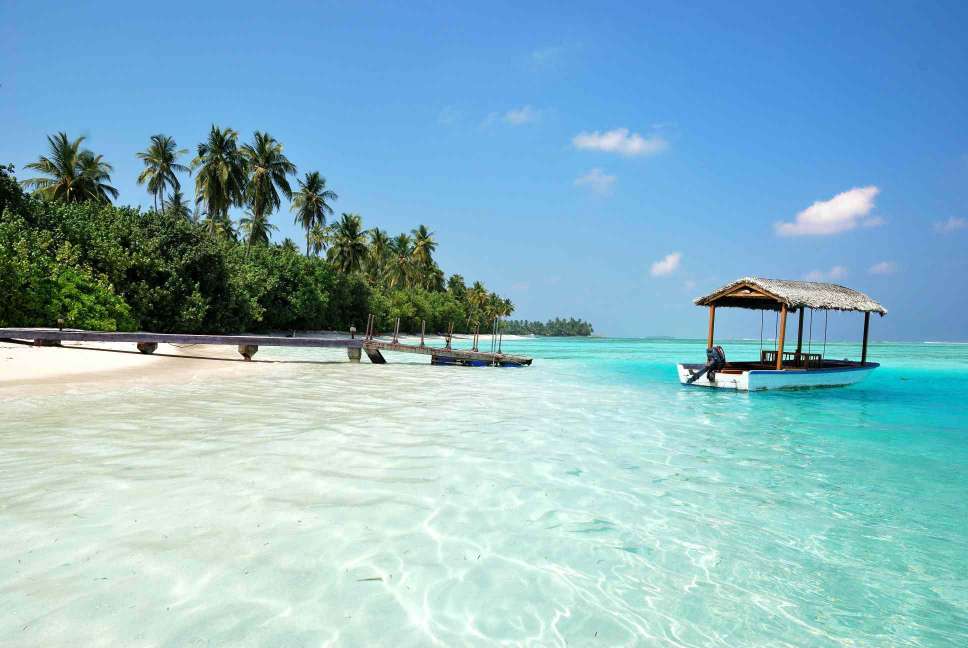
The dhoni is the traditional Maldivian wooden boat, the backbone of inter-island transport and fishing for centuries. Even at resorts, you might take a dhoni from reception to your room. For something more adventurous, join a liveaboard cruise that combines diving, surfing, and island hopping, with a professional crew covering everything from dive instruction to wine service.
Cultural Experiences: Bodu Beru & Craftsmanship
Maldivian culture is deeply influenced by India, Sri Lanka, Arabia, and North Africa — but it has forged its own identity.
Bodu Beru is the most famous traditional Maldivian music and dance form. Around 20 performers in traditional sarongs and white long-sleeved shirts dance to the drums. The rhythm is infectious — almost nobody can sit still. Other traditional performance styles include Dhandi Jehun, Langiri, Thaara, and the all-female Bandiyaa jehun and Maafathi Neshun.
Maldivian craftsmanship deserves attention too. The fine stone carving of Malé’s Friday Mosque is a living testament to Maldivian craft. Lacquerware, mat weaving, coir rope making, and calligraphy are all art forms you can bring home.
Cultural Etiquette Essentials
The Maldives is an Islamic country. On local islands, dress modestly — cover shoulders and knees in public. Resort islands are more relaxed. Alcohol is only legal on resort islands and designated tourist areas; it’s banned on local islands. On local islands, there’s usually a dedicated “bikini beach” for swimwear.
How to Reach the Maldives
International Flights
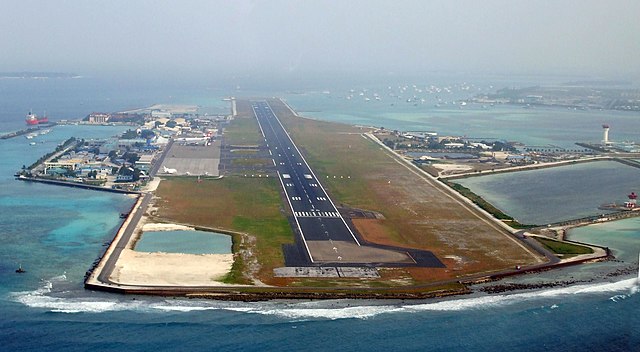
All international flights land at Velana International Airport (MLE) in Malé, on Hulhumalé Island.
From Europe, there are direct flights (British Airways from Gatwick, SriLankan Airlines from Heathrow) and connections via major hubs: Qatar Airways via Doha, Emirates via Dubai, Oman Air via Muscat. From Asia, Singapore Airlines flies from Singapore.
Getting from the Airport to Your Island
This is the step many people underestimate. Transport from Malé airport to your resort depends on the island’s location and your budget:
- Speedboat: nearest options, 45 minutes to 1.5 hours, roughly $150–$300 round trip
- Seaplane: mid-distance, spectacular views but pricey — about $300–$600 round trip
- Domestic flight + speedboat: standard for far-flung islands
If your resort isn’t part of the same group as a second island, switching islands usually means returning to Malé airport first, then being picked up by the second resort.
Important: Seaplanes typically stop operating by 4 PM. If your flight arrives late afternoon or evening, you may need to overnight in Malé or Hulhumalé first.
Local Food: Coconut, Tuna, and Chili
Maldivian food is seriously underrated. Its foundation is fresh deep-sea fish, coconut in every form, and spices from India and Sri Lanka.
Classic Dishes You Must Try
Garudhiya (fish soup): One of the most classic Maldivian dishes. A clear broth simmered with tuna, ginger, garlic, and black pepper, finished with a squeeze of lime, served with rice or roshi (Maldivian flatbread) torn and dipped in. You’ll find it in local cafés and street stalls.
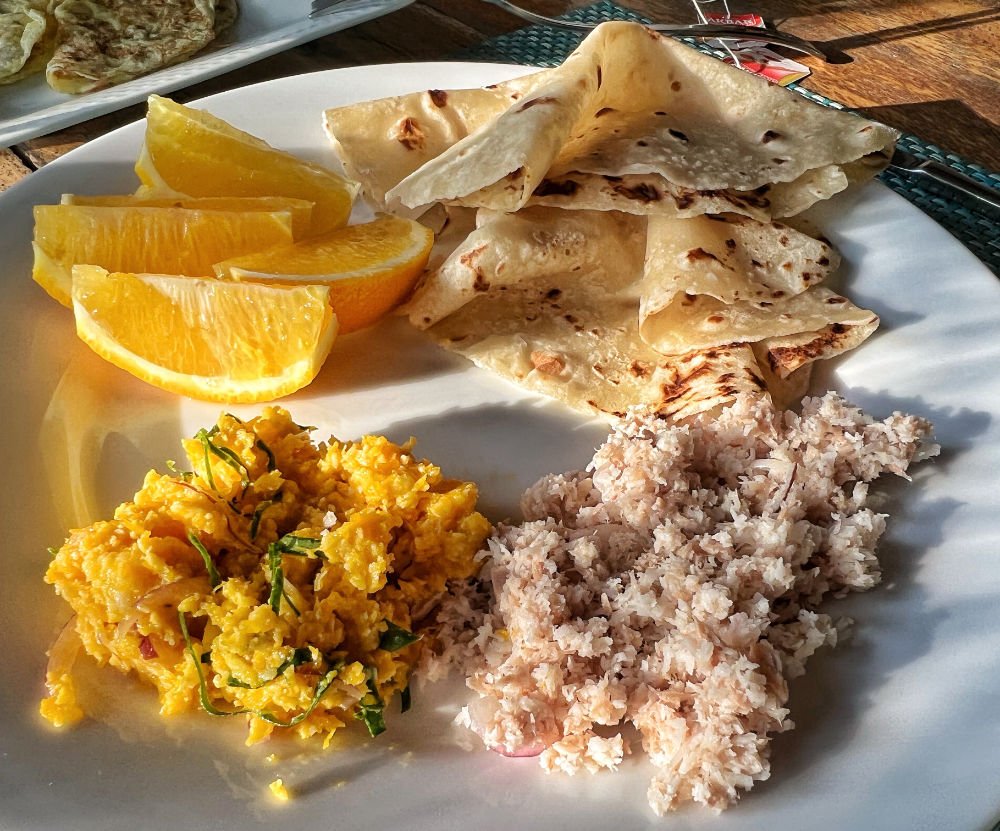
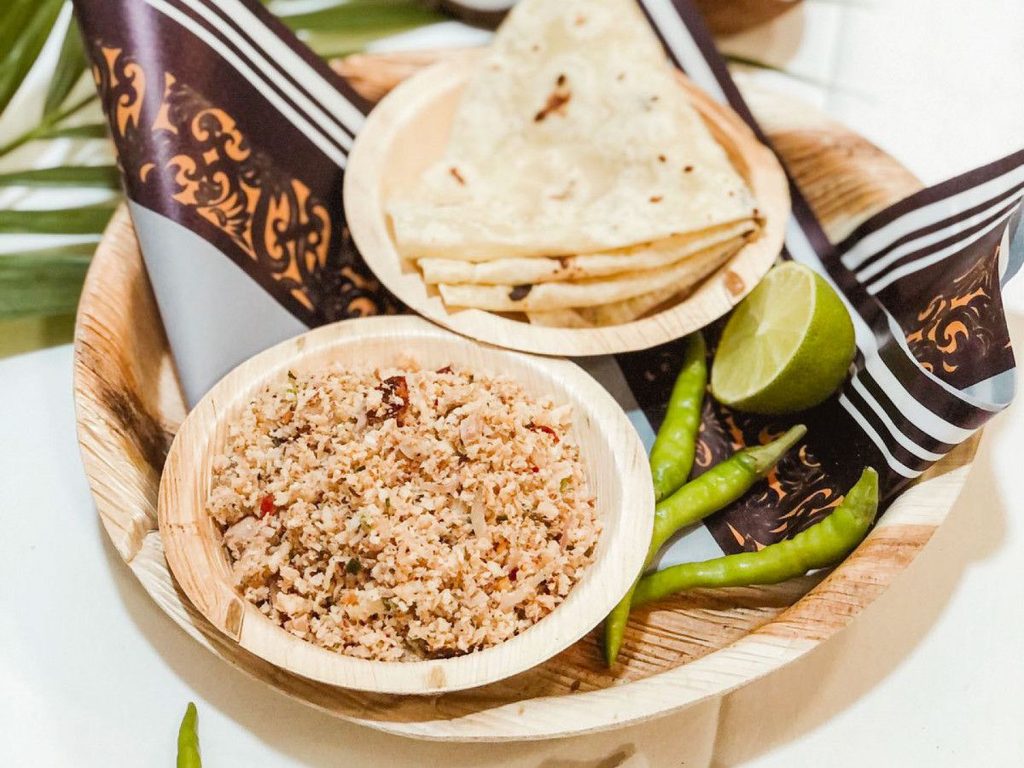
Mas Huni (Maldivian breakfast): The most iconic Maldivian breakfast. Smoked tuna flakes, fresh grated coconut, onion, and chili mixed together, scooped up with roshi and washed down with hot black tea. Simple but deeply flavorful — it’ll keep you full until afternoon.
Kukulhu Riha (chicken curry): Chicken slow-cooked in a coconut-based sauce with curry leaves, cardamom, and scotch bonnet chili. Served with rice or roshi and a lime soda — a perfect local lunch.
Kulhi Boakibaa (tuna rice cake): The Maldivian “tapas.” Rice, tuna, grated coconut, turmeric, and curry leaves mixed, shaped into a large round cake, baked golden, sliced, and enjoyed with black tea (kalhu sai). In Malé tea shops, this is the standard afternoon order.
Handulu Bondibai (sweet rice pudding): A festive dessert served at Eid or baby-naming ceremonies. Rice cooked soft in coconut milk with cardamom, pandan, and sugar, finished with a few drops of rose water. Sweet, sticky, floral.
Where to Eat
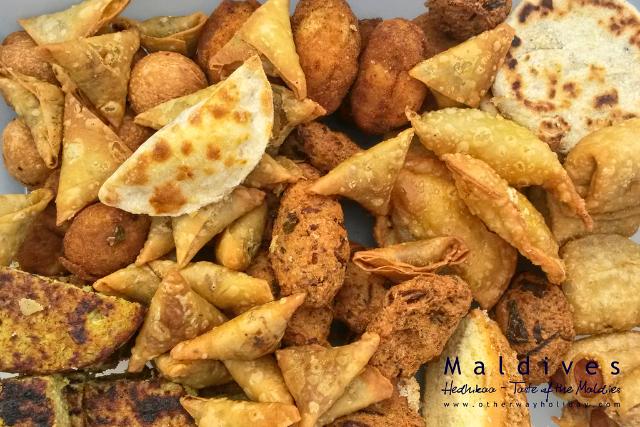
Local cafés are the best places for authentic Maldivian food. Prices are far lower than resorts, and the food is more traditional. In Malé tea shops, you’ll find kulhi boakibaa and hedhikaa (fried snacks like gulha — tuna and coconut stuffed fried balls).
If you’re staying at a local-island guesthouse, many offer home-cooked dinners. This is your best chance to try Mas Riha (fish curry) and other home-style dishes.
Shopping: Bring a Piece of the Maldives Home
Local Markets
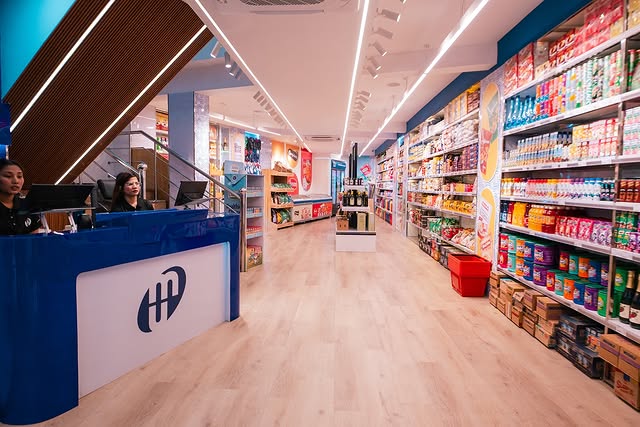
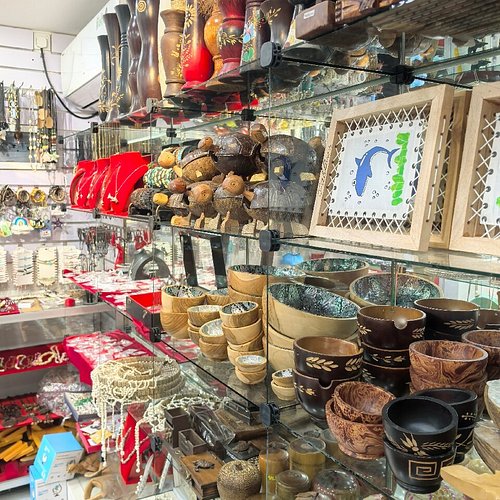
Malé Local Market is the best place for authentic souvenirs. Hand-carved coconut shell items, woven mats, lacquerware, and dhoni boat models can all be found here. Opening hours are 8 AM to 11 PM.
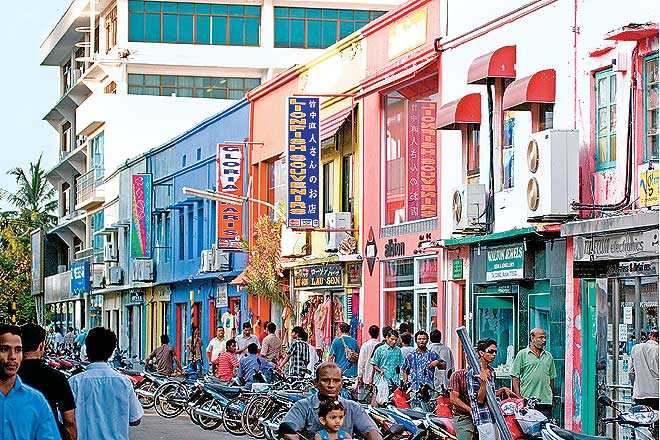
Majeedhee Magu is Malé’s busiest shopping street, lined with small shops selling clothing, handwoven fabrics, and jewelry. Singapore Market (Chaandhanee Magu) mixes traditional crafts with imported goods.
What to Bring Home
The Manta necklace from Oevaali Art Shop is a top recommendation from many travelers. The craftsmanship is clearly superior to ordinary souvenir shops, the colors shimmer like Maldivian seawater, and they reportedly don’t fade even after contact with saltwater.
Local Maldivian chocolate is sold in supermarkets on local islands, beautifully packaged and perfect as gifts. Fridge magnets are plentiful in local island shops, negotiable, averaging about $2.50 each.
At the airport duty-free, the roll-on perfumes (Authentic Maldives brand) are worth a look — rose is a popular scent. But airport souvenirs typically cost twice what you’d pay on local islands, so buy before you leave the islands.
Shopping Tips
Most shops accept US dollars and Maldivian rufiyaa (MVR). Street markets are negotiable; malls and resorts are not. Local markets open in the morning; resort shops stay open later.
Budget: The Maldives Can Be Expensive — Or Not
This is one of the biggest myths about the Maldives: it doesn’t have to be astronomically expensive.
Real Daily Costs
Based on actual traveler data, daily spending in the Maldives varies dramatically by tier:
- Backpacker/budget: about $141/day. This means hostel dorms, cheap restaurants or fast food, public transport or walking, and focusing on free attractions.
- Mid-range: about $350 per person per day. Mid-range hotels, meals at well-known restaurants, major attractions.
- Luxury: about $847/day. Luxury hotels, award-winning dining, refined tours, private transport.
How to Save Money
Stay in guesthouses on local islands, not resorts. This is the single most effective way to save — and you get a more authentic experience.
Choose four-star resorts like Holiday Inn Resort Kandooma, rather than top-tier luxury brands.
Bring your own snorkel gear. House reef snorkeling is free, but resort equipment rentals can cost extra.
Join day trips from local islands, not from resorts. Travel agencies on Maafushi offer trips to resorts and sandbanks at a fraction of what resorts charge.
Travel in the low season (May to November). Wet-season rain is usually brief showers, and prices drop significantly.
Avoid “resort-only” itineraries. A trip that only stays at one resort misses the real magic of the Maldives and concentrates your spending in one place.
Conclusion: Rediscovering the Maldives
The Maldives has over 1,190 islands, of which only around 200 are inhabited and fewer than 200 are resort islands. That means the vast majority of Maldivian islands are ones you’ve never heard of — and that no tourist has ever set foot on.
For travelers willing to look beyond the “overwater villa” stereotype, the Maldives offers the real life of a maritime nation: fishing villages at dawn, mosques among the coconut palms, sunsets from a dhoni, and a steaming bowl of garudhiya with roshi.
This country is simultaneously grappling with the existential threat of climate change and the challenge of sustainable tourism. It’s choosing innovation over retreat. As a traveler, your choices — where you stay, what you eat, how you move — are part of shaping that future.
So don’t wait for a honeymoon. The Maldives works for solo travelers, groups of friends, families with kids, and anyone who wants to experience a way of life fundamentally different from life on land.
Rimaykullayki — that’s “hello” in Dhivehi, the Maldivian language. Learn it. You’ll want to come back.
Frequently Asked Questions
1. Do I need a visa for the Maldives?
Citizens of most countries (including China, the US, the UK, and EU nations) receive a free 30-day visa on arrival. Make sure your passport is valid for at least 6 months and you have proof of return flights and accommodation.
2. When is the best time to visit?
The dry season (December to April) has the best weather, least rain — but highest prices and most crowds. The wet season (May to November) is cheaper, with rain usually falling in short bursts, though extended overcast days are possible.
3. Is the Maldives safe?
Very safe. Crime rates are extremely low. The main concerns are ocean safety (watch for currents and reefs) and respecting Islamic culture (dress modestly on local islands, don’t drink alcohol in public).
4. Can you drink alcohol in the Maldives?
Only on resort islands and designated tourist vessels. Alcohol is illegal on local islands. If you’re staying at a local guesthouse, don’t expect to buy alcohol on the island.
5. What special gear should I pack?
Reef-safe sunscreen is essential. High SPF, water-resistant, oxybenzone-free. Snorkel gear — bring your own if you have it to save money. Lightweight long sleeves for sun protection and cultural respect on local islands.
6. How long does it take to get from Malé airport to a resort?
It depends on distance. Speedboat: 45 minutes to 1.5 hours. Seaplane: 20 to 60 minutes. Domestic flight plus speedboat: possibly 2 to 3 hours.
7. Is English widely spoken?
Very widely in resorts and tourist areas. On local islands, English proficiency is lower, but guesthouses and tourist-related shops usually communicate in English.
8. Is there internet in the Maldives?
Resorts and local-island guesthouses usually have Wi-Fi, but speeds can be inconsistent. Buying a local SIM card (Dhiraagu or Ooredoo) is a more reliable option.
9. Can I bring a drone?
You need prior permission. The Maldives has strict drone regulations, and unauthorized flights can lead to fines or confiscation. Always ask before using one at a resort.
10. Is the Maldives good for kids?
Very. Many resorts have kids’ clubs, some with dedicated children’s restaurants. Local islands’ shallow beaches are also family-friendly.