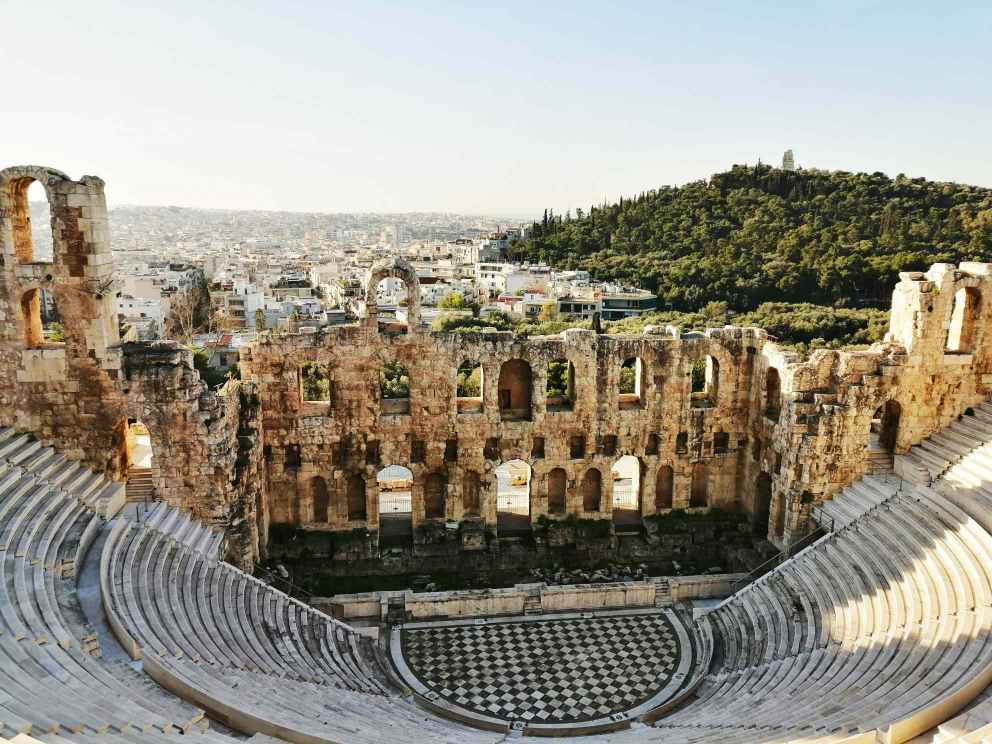
🏛️ Introduction – Where Gods Walked and the World Changed
Some cities have a history. Athens is history. It’s the cradle of Western Civilization, the birthplace of democracy, and a sprawling, noisy, beautiful chaos where 3,400-year-old ruins sit right next to trendy rooftop cocktail bars.
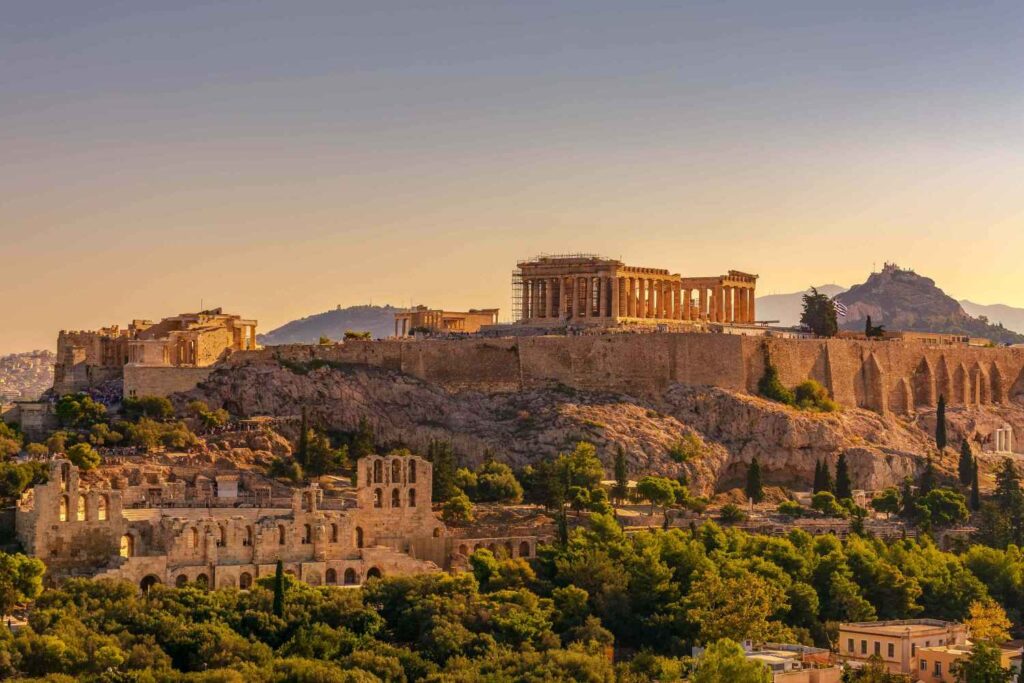
But the magic of Athens isn’t just in looking at the past through a museum glass. It’s in the feeling of standing on the Acropolis at sunset, watching the marble columns of the Parthenon glow honey-gold against a purple sky, while below you, the endless urban sprawl of a modern European capital hums with life, music, and the smell of grilling souvlaki.
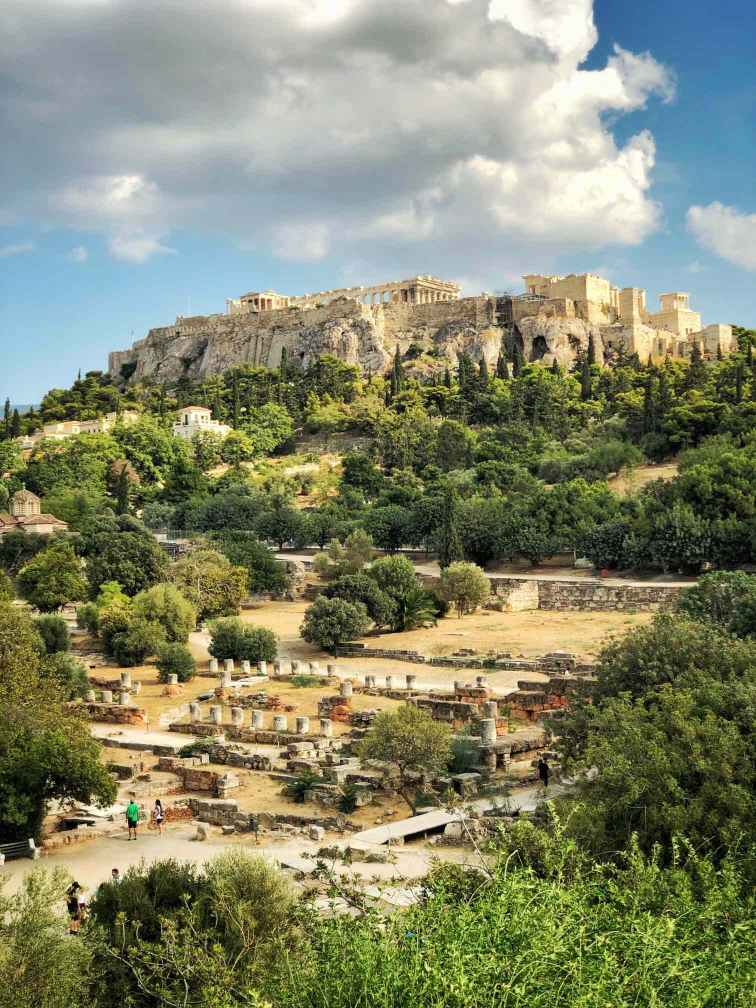
It’s a city of delightful contradictions. You can spend your morning walking through the Ancient Agora where Socrates once debated philosophy, then spend your afternoon catching rays on a beach chair along the glitzy Athens Riviera.
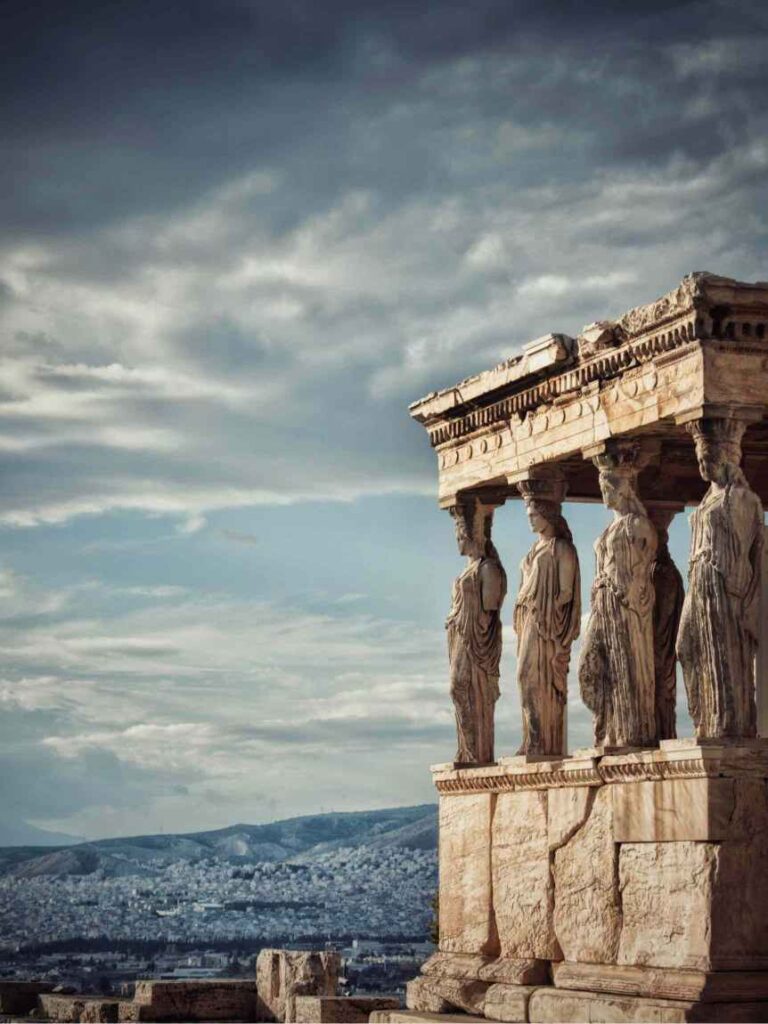
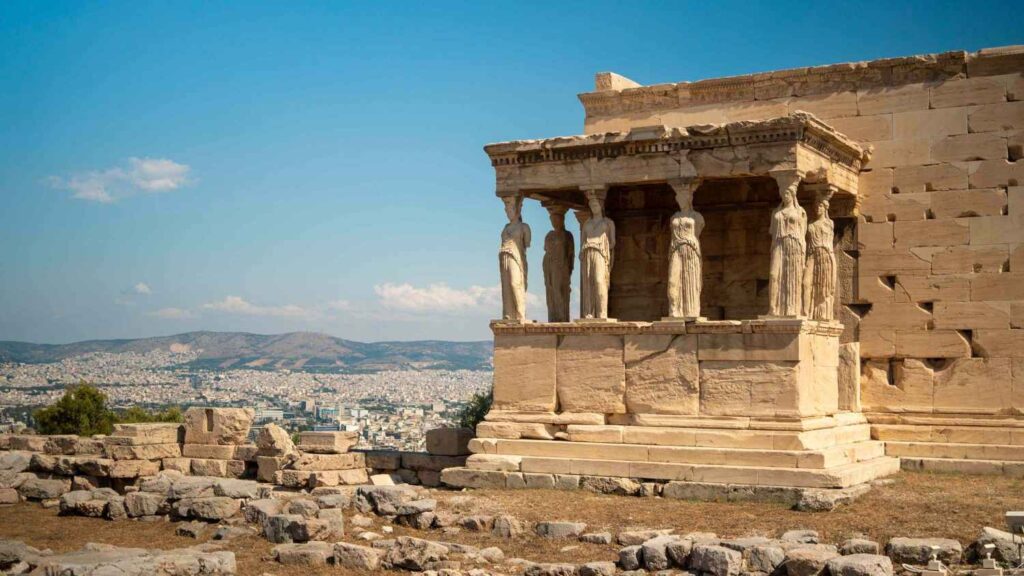
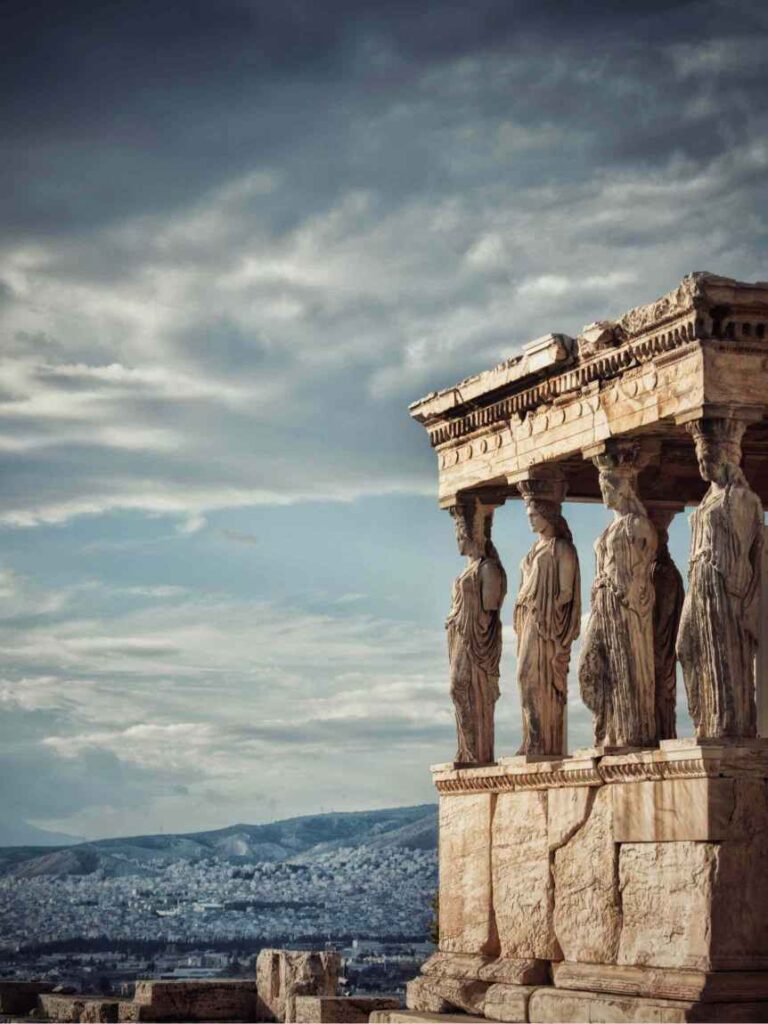
This guide is your cheat sheet to the Greek capital in 2025. We‘re going to look at the epic history, the geography of the Attica basin, and exactly how many other travelers are currently trying to snap a selfie with the Caryatids.
Γεια σου (Yassou), let’s dive into the city named after the Goddess of Wisdom.
📜 History & Geography – The Rock and the Sea
Geography – The Bowl of the Gods
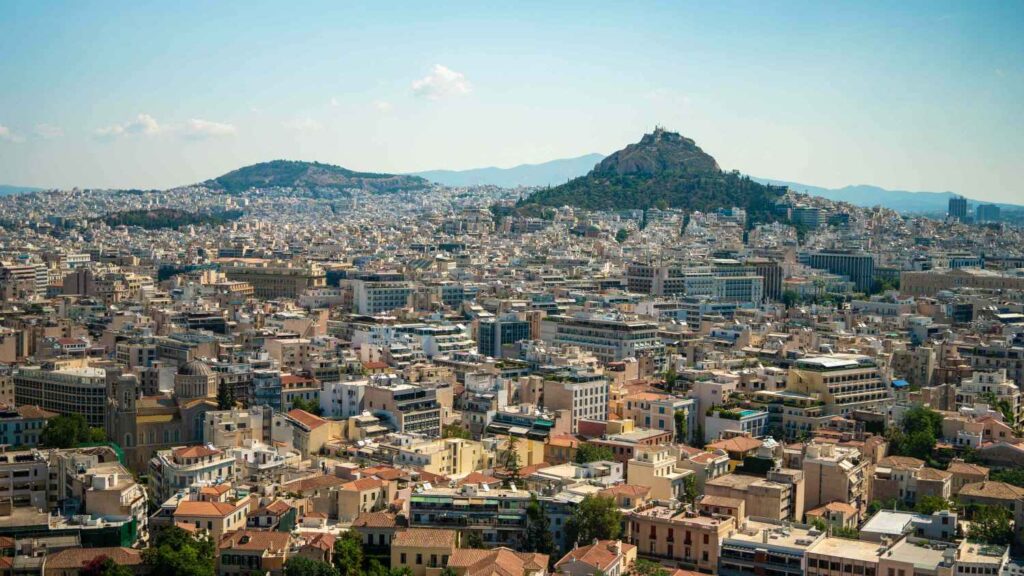
Athens sits in the Attica Basin, a large, flat plain surrounded by mountains and the sea. It’s a strategic location that has kept the city safe and prosperous for millennia. To the west lies Mount Aigaleo, to the north Mount Parnitha, to the northeast Mount Pentelicus (famous for its marble), and to the east Mount Hymettus, known for its wild herbs and honey. About 5 miles (8 km) southwest of the city center lies the Saronic Gulf, making Athens one of the few European capitals with a coastline and a major port (Piraeus) right on its doorstep.
History – The Story of the Cradle
The history of Athens reads like a novel, with chapters full of drama and glory.
- The Beginning (c. 3000 BCE): The Acropolis (‘High City’) has been inhabited since the Neolithic period. It was chosen for its natural defensive position.
- The Golden Age (5th Century BCE): Under the leadership of Pericles, Athens entered its Golden Age. It was a radical democracy (only male citizens, but still a first!). After defeating the Persians, Pericles commissioned the building of the Parthenon.
- Roman & Byzantine Era: Athens lost political power but remained a cultural center.
- Ottoman Era & Independence: After nearly 400 years of Ottoman rule, Athens became the capital of the modern Greek state in 1834.
- Modern Athens: Today, it‘s a bustling metropolis of over 3 million people, famous for its massive infrastructure overhaul in the 2004 Olympics, which transformed the city with a new airport, modern metro system, and pedestrianized streets.
📊 Number of Visitors Per Year – The Numbers are Record-Breaking
Is Athens getting crowded? Yes, absolutely. And the numbers prove it.
- 2025 Projections: Athens is expected to welcome 10 million tourists in 2025.
- Population vs. Tourists: With a permanent population of around 700,000, more than 8 million tourists visited the capital last year, leading the Mayor to call for measures against overtourism.
- Airport Boom: Athens International Airport saw 1.15 million seats available (+4.7%). In the first five months alone, it had 2.8 million international arrivals.
- Who is Visiting: Americans currently hold the top spot for arrivals at the Athens airport, followed closely by the British and Germans.
Note to readers: Visit during the shoulder seasons (March-May or Sept-Oct) to avoid the massive July-August crowds!
🏺 Main Attractions – The Highlights Reel
1. The Acropolis & The Parthenon
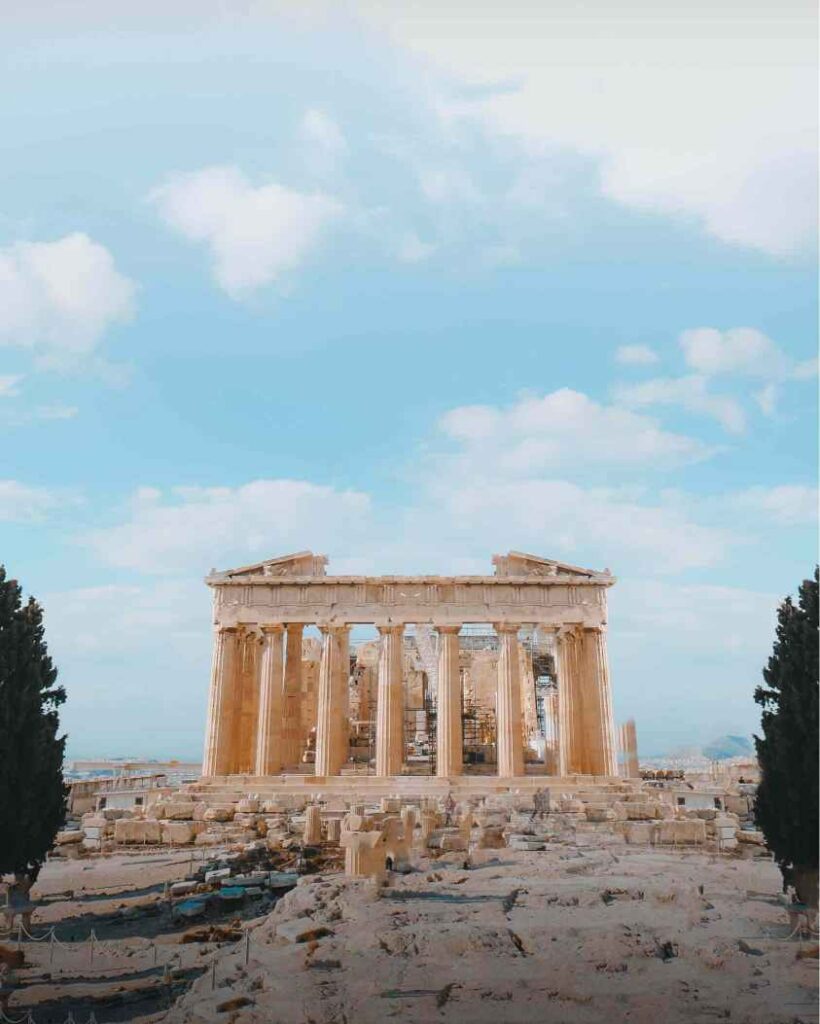
This is the big one. The Acropolis is a 2,500-year-old citadel that defines Athens. Inside the ticketed archeological site, you’ll see the breathtaking Parthenon, the Temple of Athena Nike, and the Erechtheion with its famous Porch of the Caryatids.
2. The Acropolis Museum
Located at the base of the Rock, it houses 4,000 artifacts. The glass floor lets you see the ancient neighborhood below.
3. The Ancient Agora
This was the heart of ancient public life—the marketplace, political center, and place of philosophical debate. The Temple of Hephaestus there is the best-preserved ancient Greek temple in the world.
4. Temple of Olympian Zeus
Once the largest temple in the ancient world, it now has just 15 of its original 104 columns standing. The nearby Arch of Hadrian marks the boundary between old and new Athens.
5. The Panathenaic Stadium
Built entirely of white Pentelic marble, this is the only major stadium in the world made of marble and the birthplace of the modern Olympic Games.
6. Mount Lycabettus
Take the funicular railway to the top for the absolute best panoramic view of Athens.
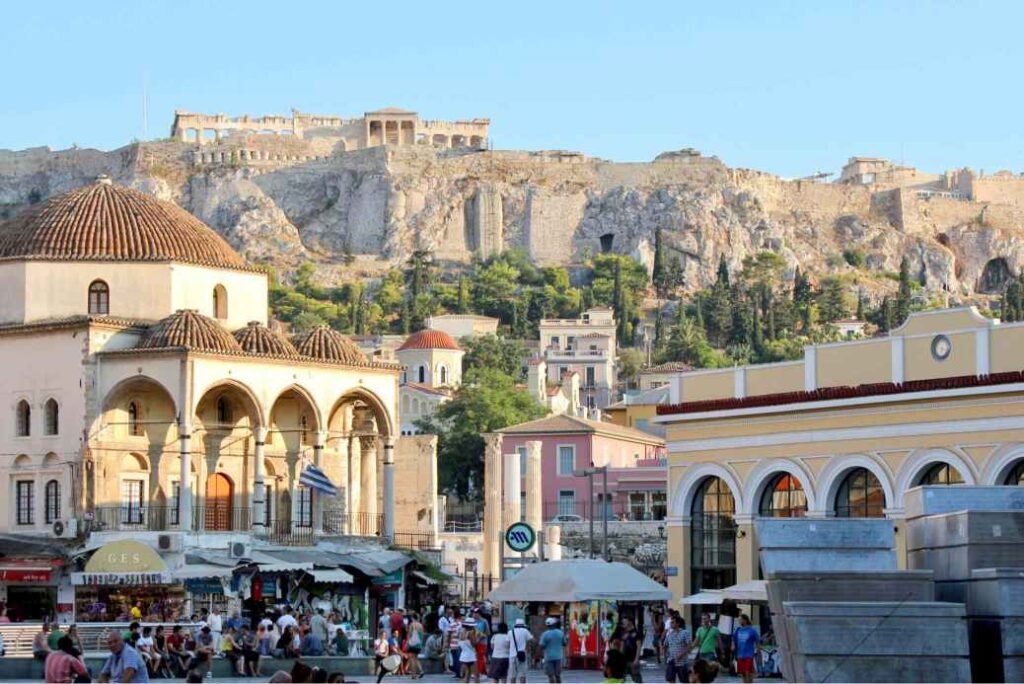
7. The Neighborhoods of Plaka, Monastiraki & Anafiotika
- Plaka: The “Neighborhood of the Gods” is the oldest district, with charming neoclassical homes.
- Monastiraki: The vibrant flea market square is perfect for souvenirs.
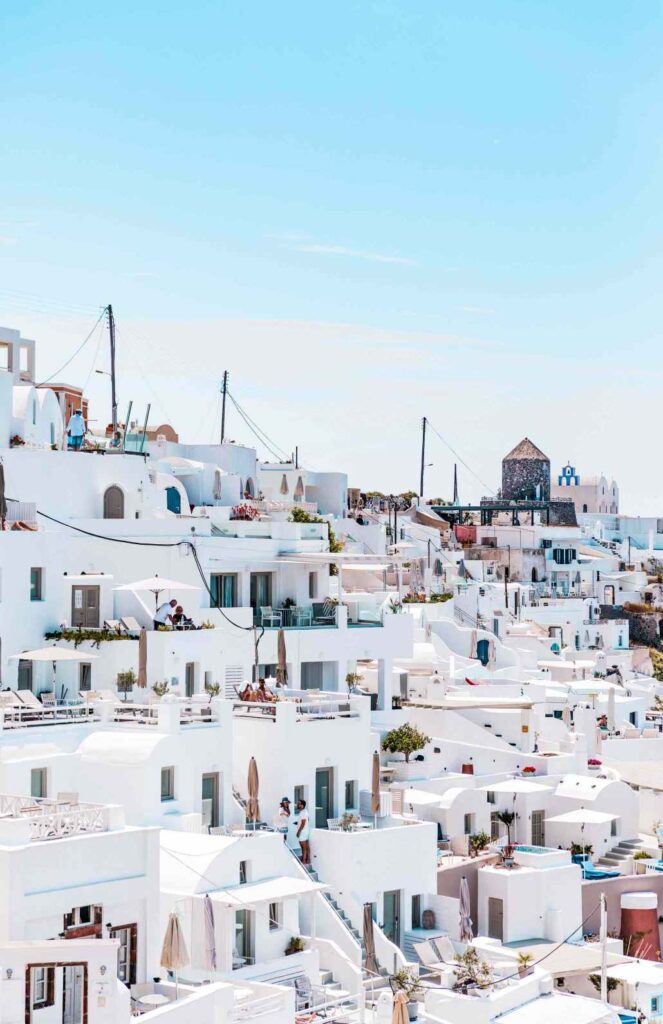
- Anafiotika: Hidden right under the Acropolis, these tiny, white-washed alleys make you feel like you‘ve stepped onto a Greek island.
8. The Athens Riviera
A 20-minute drive from the center, this coastal strip from Glyfada to Cape Sounion offers beautiful beaches and glitzy beach clubs, ending at the magnificent Temple of Poseidon.
🎎 Culture – Zorba’s Modern Athens
Athens is a city that lives life loudly.
- The City That Never Sleeps: The center is built on ‘plateias’ (squares). Watch the Changing of the Guard (Evzones) at Syntagma Square every hour.
- Open-Air Cinema: There is no better way to spend a summer night than at an outdoor cinema (like Cine Thisio), watching a movie with the Acropolis glowing next to you.
- Athenian Character: People here are famously openhearted. They show it by shouting cheerfully, gesturing wildly, and laughing out loud in the streets.
- Greek Orthodox Calendar: It defines the national rhythm. Greek Easter is the biggest holiday. Don’t forget to respect religious sites and cover your shoulders and knees when entering any church or monastery from the inside.
🚗 How to Reach – Your Arrival & Getting Around
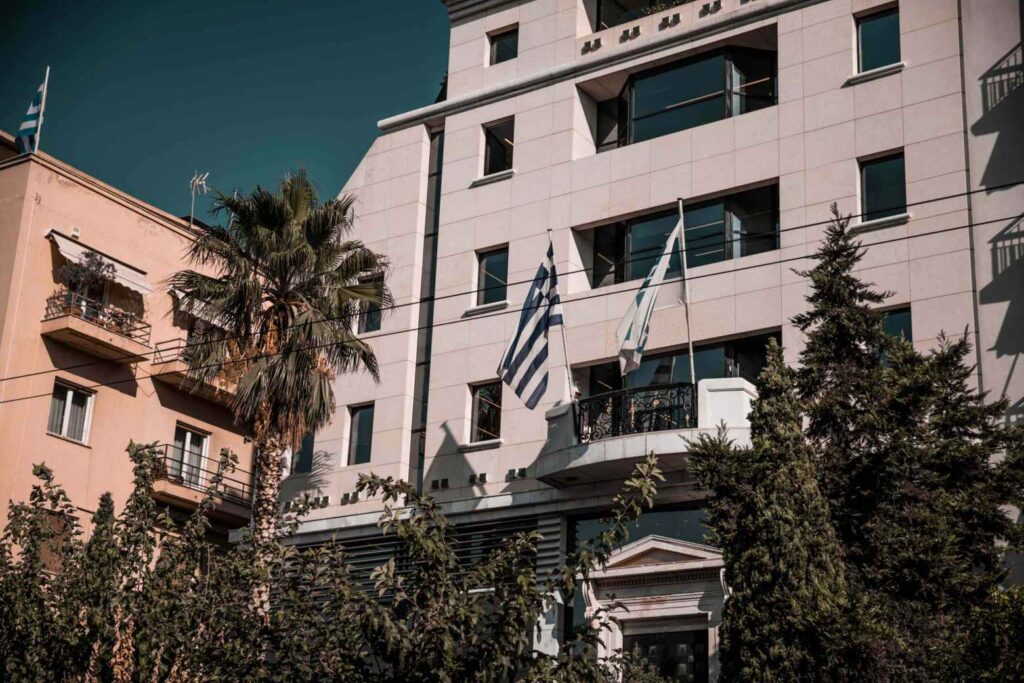
✈️ By Air (The Gateway): Athens International Airport “Eleftherios Venizelos” (ATH) is 23 miles from the center.
- Metro (Line 3): Most reliable (€9, ~40 mins).
- Express Bus (X95): Cheapest (€5.50, ~60 mins).
- Taxi: Expensive, but expect to pay around €40 once all the fees are added up.
🚌 Once You‘re There:
The Metro here is also a museum. Digging the tunnels unearthed thousands of artifacts, on display at stations like Syntagma. Tickets cost €1.20 for a 90-minute ticket, which includes all buses, trams, and the metro. Pro tip: Validate your ticket in the red machine before you board!
🏄 What to Do – Our Insider ‘To-Do’ List
- Become a Runway Model: Take a sunset stroll down Dionysiou Areopagitou Street, the marble pedestrian walkway connecting the Acropolis Museum to the Acropolis.
- Find the ‘Little Island’: Search for the hidden neighborhood of Anafiotika for incredibly peaceful, white-washed alleyways.
- Go Urban Hiking: If Lycabettus is too touristy, hike the ancient pine trails of Philopappos Hill for amazing Acropolis selfies with zero crowds.
- Day Trip to the Islands: Hop on a ferry from Piraeus to the stunning Saronic Gulf islands of Hydra, Poros, and Aegina.
- Watch the Sunset from Cape Sounion: Drive down the Athens Riviera at sunset to see the Temple of Poseidon glowing red.
- Learn to Cook: Take a Greek cooking class in the city center to learn the secrets of Spanakopita and Baklava from a local chef.
🍛 Local Foods – A Culinary Odyssey
Eating in Athens is a sport. Forget the bland feta you get at home; this is the real deal.
- Souvlaki: The ultimate Greek street food. Look for the big grills turning the pork.
- Moussaka: The famous baked casserole of eggplant, minced meat, béchamel, and cheese, flavored with cinnamon and herbs.
- Tzatziki: Refreshing dip made with thick Greek yogurt, cucumber, garlic, and dill.
- Spanakopita: Flaky phyllo pastry filled with spinach and feta cheese is the ultimate flaky, savory pastry.
- Horiatiki (Greek Salad): It doesn’t come with lettuce in Greece! Just thick chunks of tomato, cucumber, peppers, feta, olives, and a slick of olive oil.
- Bougatsa: A sweet or savory breakfast pastry filled with creamy semolina custard or cheese, dusted with powdered sugar and cinnamon.
- Loukoumades: The original Greek donut holes! Drizzled in honey and sprinkled with walnuts and cinnamon.
🛍️ Shopping – Get your ‘Mati’
- Monastiraki Flea Market: For second-hand gems, retro records, and quirky souvenirs. Bargain hard.
- Plaka: The ‘touristy’ strip but has great ceramics, evil eye pendants, and olive wood items.
- Ermou Street: The main pedestrianized high street for high-street fashion brands and department stores.
- Museum Shops: The Acropolis Museum and Benaki Museum shops are excellent for high-quality, high-end, curated gifts.
- Central Market (Athinas): For a cultural immersion and the freshest spices and olives in the city.
What to buy: Gold & silver Greek motif jewelry, natural Olive Oil soaps, worry beads (komboloi), a marble chess set, or some local Ouzo/Tsipouro liquor. Remember: Avoid buying religious icons made of endangered wildlife parts.
🎒 Things to Pack – The Greek Survival Kit
- The ‘Shiny Shoes’ Rule: The streets of Athens are very smooth marble. Slippery when wet. Pack sturdy, non-slip walking shoes—you will thank me when you don‘t faceplant on the Acropolis.
- Electronics: The same plugs as the rest of Europe (Type C/F, 230V).
- The ‘Cover Up’: For visiting monasteries, women should pack a scarf or wrap to cover shoulders (they usually provide wraps at the door). Men should wear pants in the evenings.
- Essential Meds: Digestive enzymes for all the olive oil and gyros you’ll be eating, and Antihistamines for June allergies.
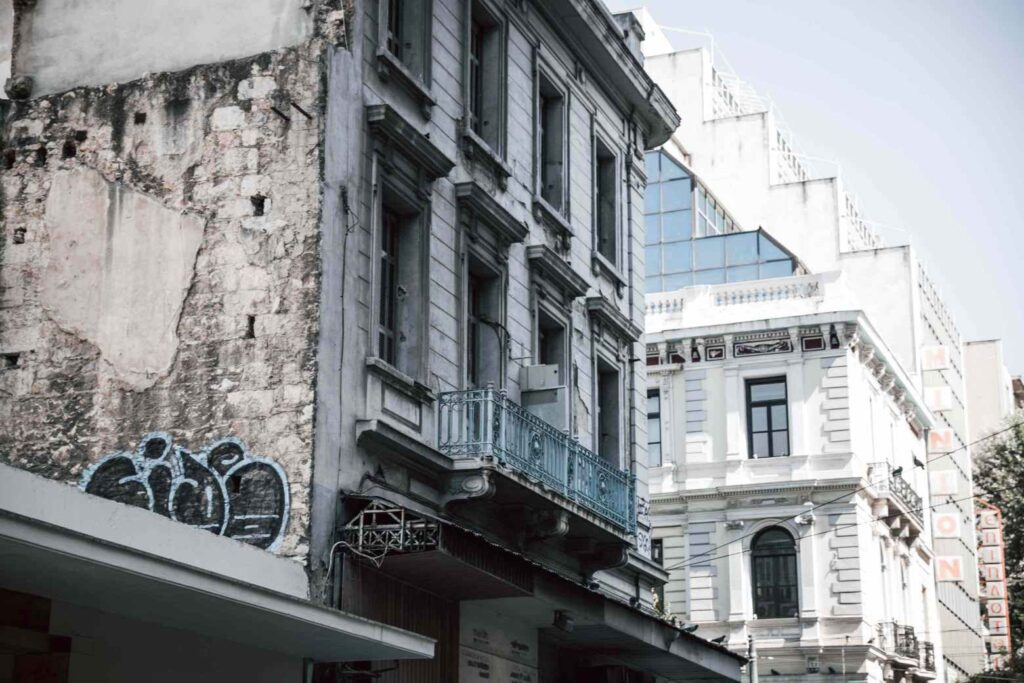
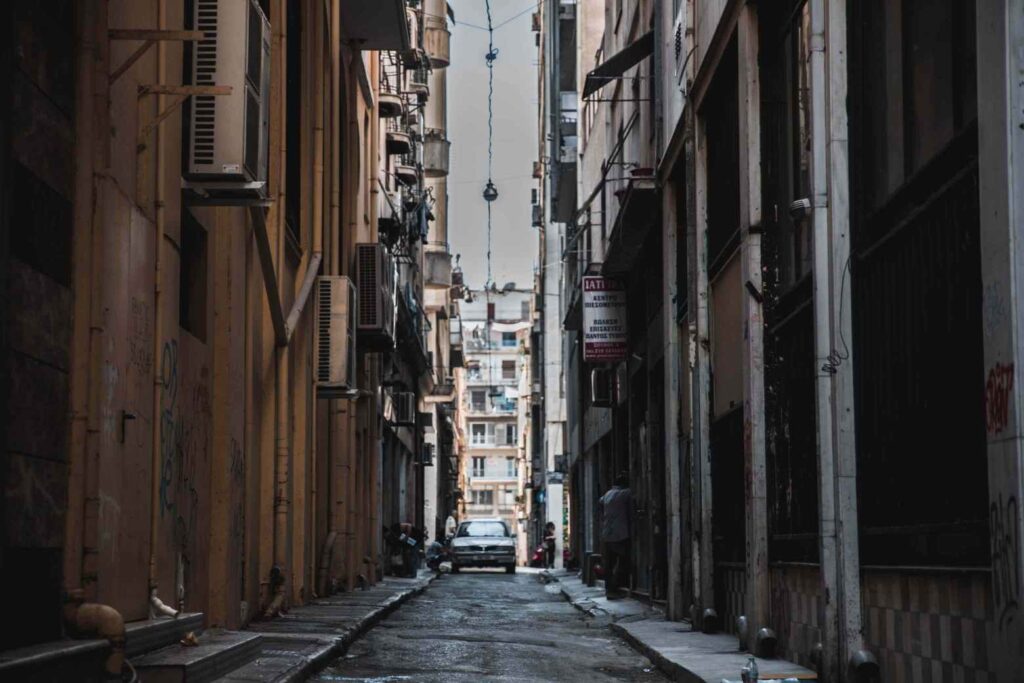
- Safety Concerns: Keep your bag in front in the metro and Monastiraki Square (pickpockets are real). Athens is very safe, but avoid the immediate area around Omonia Square late at night.
💰 Average Budget
Typical daily tourist budget: €75 – €180 per person.
| Budget Type | Daily Cost (per person) | Tips |
|---|---|---|
| Backpacker | €50 – €75 | Hostel dorms, gyros, free walking tours, public transport, discounted museum passes [22†L5-L8]. |
| Mid-Range | €120 – €220 | 3-star hotel, nice dinners with wine, private tours, acoustic welcome and concierge service. |
| Luxury | €300+ | 5-star hotels, exclusive access to VIP experiences, private drivers, Michelin-star dining. |
Specific Costs (Avg. 2025-26):
- 🥗 Gyros/Souvlaki: €3.50–€5
- 🍽️ Sit-Down Dinner: €18–€35
- 🚇 Metro Ticket: €1.20
- 🎟️ Acropolis Combo (5 sites): €30
- 🍻 Domestic Beer: €5
- 🛏️ Hostel Dorm: €20-€40
- 🛏️ Airbnb/Hotel: €75-€150
🏁 Conclusion – Why Athens Belongs on Your Bucket List
Athens has shed its gritty reputation and had a major glow-up. It’s no longer just a stopover to the islands; it’s a world-class destination in its own right. It‘s a city of contradictions where the ancient past sits harmoniously with a vibrant, modern pulse.
You walk through a city that crackles with energy, where every corner offers a view of a 2,500-year-old temple and where the food is so fresh it tastes like sunshine.
Tha ta poume (see you there)!
Have you explored the Hellenic capital? What’s the best myth you’ve uncovered in Athens? Drop a comment below! 👇
❓ FAQ – Your 5-Second Answers
1. Is Athens safe?
Totally. Good for solo female travelers. Just keep an eye on your bag in the metro and Monastiraki Square (pickpockets). Avoid Omonia Square at night.
2. Do I need a visa for Greece?
If you’re from the US, UK, Canada, or the EU? No. Just a valid passport. For other nationalities, check the Schengen Area rules.
3. What’s the best month for nice weather?
May or October. You get low crowds, sunny and manageable heat. July/August are very hot and packed with tourists.
4. Can I use my phone and the internet?
Yes. You can buy an eSIM (like Airalo) before you land, or pick up a local Cosmote/Vodafone SIM at the airport for cheap data.
5. What’s the currency?
The Euro (EUR). Card payments are taken almost everywhere, but keep some €10/€20 notes for street stalls and small tavernas.
6. Is English widely spoken?
Yes! In ALL tourist areas, restaurants, and hotels. Don‘t be afraid to speak English.
*7. What is the dress code?
Casual European. But for monasteries (like the ones in Meteora, on a day trip), you must cover knees and shoulders (they usually provide wraps at the entrance).