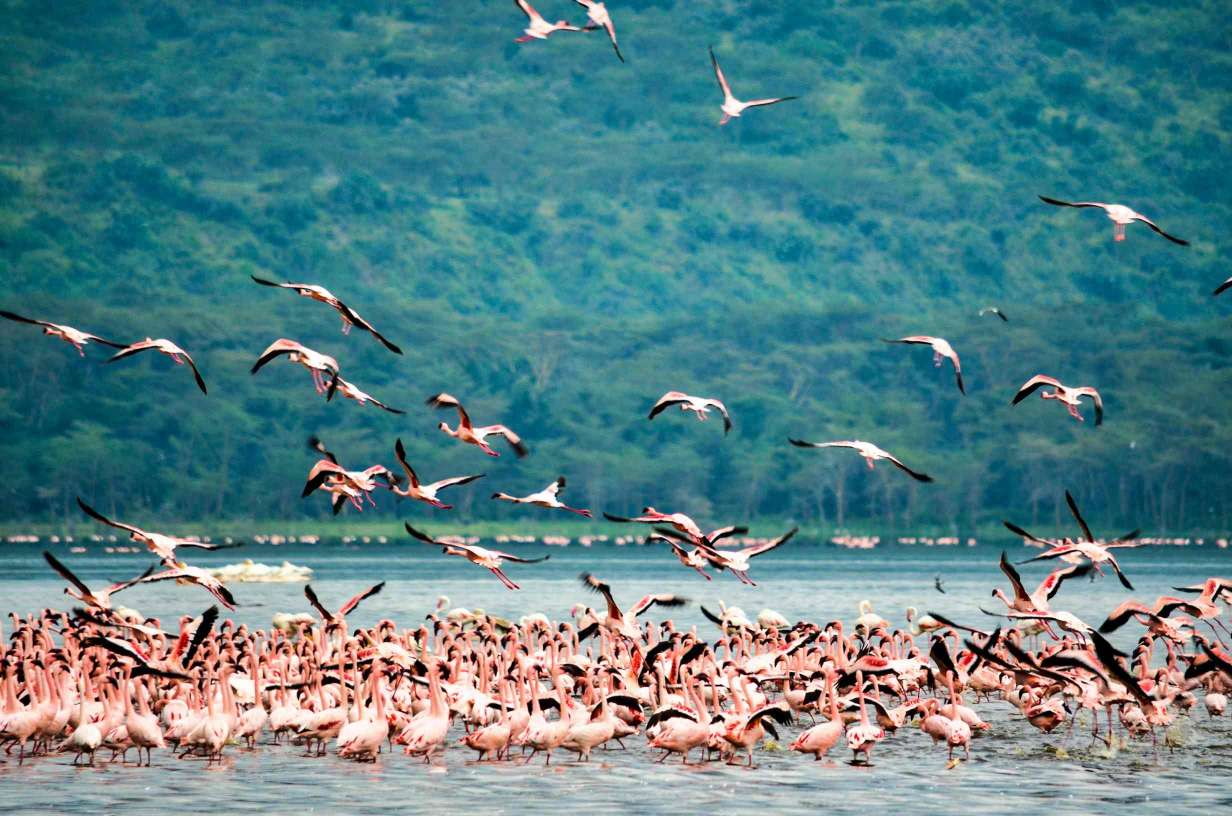
🦁 Introduction – Where Africa‘s Wild Heart Beats Loudest
Imagine the earth trembling beneath you. Not from an earthquake—but from the thunderous hooves of 1.5 million wildebeest, their low grunts filling the savannah air as far as the eye can see. Dust clouds rise like smoke signals on the horizon. A lioness crouches low in the golden grass, amber eyes locked on the herd. Somewhere nearby, a family of elephants marches in slow, regal silence toward a muddy waterhole.
This isn’t a nature documentary on your TV screen. This is Masai Mara, and it’s very, very real.
Welcome to Kenya’s crown jewel—a place often called the “Kingdom of Lions” and consistently ranked among the best safari destinations in Africa. The Masai Mara National Reserve isn’t just a park; it’s a living, breathing theater where the greatest wildlife dramas unfold daily.
What makes this place so special? While other African reserves offer incredible game viewing, the Mara offers something else entirely: the feeling that you’ve stepped into a world where humans are merely guests, and the animals are the true hosts.
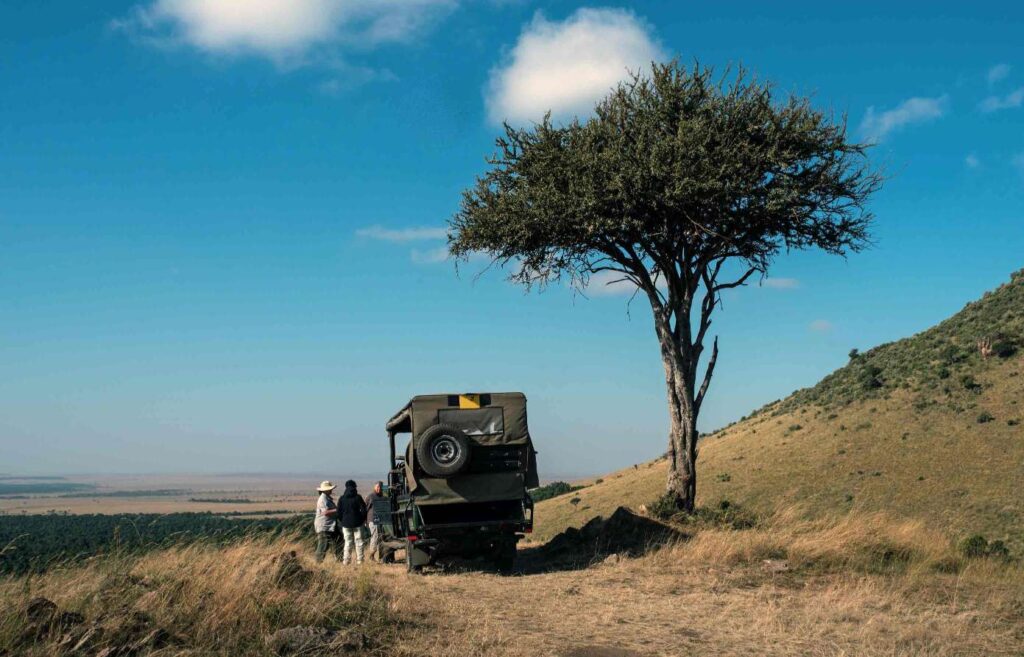
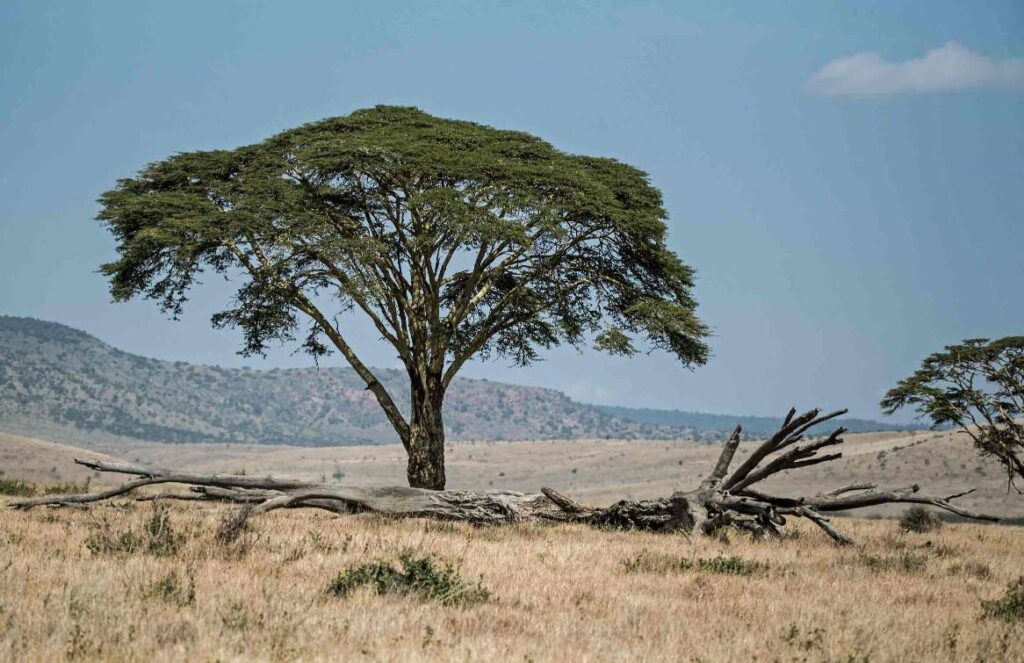
Picture this: open savannahs stretching toward an endless horizon, dotted with flat-topped acacia trees that look like they were painted there. The golden morning light sets the grasslands ablaze as you bounce along in a 4×4 safari vehicle, wind in your hair, the scent of wild sage and damp earth drifting through the open roof.
But Masai Mara isn’t just about the Great Migration—it’s the only place on Earth where you can spot the African Big Five (lion, leopard, elephant, rhino, and Cape buffalo) in a single morning drive. It’s home to the highest density of lions anywhere on the planet. And its bird list boasts over 570 species, a paradise for anyone with binoculars and patience.
In 2025, the reserve earned global recognition for hosting the largest and most spectacular annual land animal migration on Earth. This is where the Serengeti ecosystem spills over into Kenya, bringing with it the greatest concentration of wildlife on the African continent.
Whether you’re a seasoned safari-goer or planning your very first bush adventure, the Masai Mara delivers. This travel guide will walk you through everything you need to know—from its fascinating history and how to get there, to the top attractions, cultural experiences, local flavors, and a full breakdown of costs. By the end, you’ll be ready to pack your bags and answer the call of the wild.
Ready to rumble? Let‘s go!



📜 History & Geography – The Land of the Maasai
🌍 A Name Steeped in Heritage
The name “Mara” comes from the Maa language (spoken by the Maasai people) and famously means “spotted,” a poetic description of the acacia-dotted plains and shrublands that stretch across the landscape under the play of shadows and sunlight.
Before the first colonial explorer ever set foot here, this land was neither empty nor wild in the way Europeans imagined. It was a living, breathing pastoral landscape managed for generations by the Maasai people, whose adaptive system of seasonal grazing maintained the grasslands, protected water points, and allowed wildlife to thrive alongside their cattle. The word “Maasai” itself evokes images of tall, proud warriors with crimson shukas (traditional cloth), but their true strength lies in their profound knowledge of this land.
🏞️ Where Exactly Is the Masai Mara?
The Masai Mara National Reserve sits in southwestern Kenya, within the vast expanse of the Great Rift Valley—a geological scar stretching from the Mediterranean Sea down to Mozambique.
Here’s a quick geography breakdown:
- Size: The reserve covers approximately 1,510 km² (580 sq mi)
- The Greater Ecosystem: When including surrounding wildlife dispersal areas, the Greater Masai Mara ecosystem covers about 6,640 km² (2,560 sq mi)
- Altitude: The reserve sits at an average of 1,500 meters (4,921 feet) above sea level
- The Lifeline: Flowing through the western edge of the reserve is the legendary Mara River, which originates in Kenya‘s Mau Forest and snakes its way south into Tanzania. This 395-km river is the lifeblood of the ecosystem and the stage for the famous river crossings
📜 History – When Conservation Clashed with Tradition
The history of the Masai Mara is the story of land, power, and the struggle to balance human needs with wildlife protection.
Pre-Colonial Era: Living with the Land
For centuries, the Maasai used the Mara region as part of an open pastoral system where people, livestock, and wildlife moved freely in sync with nature. Seasonal grazing rotations prevented overuse of any area, and the Maasai used the Mara Triangle primarily as a drought refuge and for grazing their small stock.
Colonial Disruption: Loss of Land
Everything changed with the arrival of the British. The 1904 and 1911 Maasai Agreements pushed the Maasai off vast tracts of their ancestral lands, relocating them south toward what is now Narok and Kajiado. By 1913, the British government had moved most Maasai to southern Kenya and northern Tanzania. The land was never “empty”—it was deliberately emptied.
The Birth of the Reserve
In 1948, the colonial authorities began setting aside land for game reserves. The Masai Mara was officially established as a wildlife sanctuary in 1961, initially covering only about 520 km² (200 sq mi) including the Mara Triangle, before being expanded to its current size.
Governance Today
Today, the reserve is managed by local county councils (Narok and Trans-Mara), while independent conservancies help protect surrounding areas and ensure the Maasai community directly benefits from tourism revenue through scholarships and community projects.
🌿 Geography – A Patchwork of Habitats
What makes the Mara so biologically rich is its incredible variety of habitats in a relatively small area:
- Open rolling grasslands where zebras and wildebeest graze in massive herds
- Riverine forests lining the banks of the Mara and Talek Rivers, home to leopards and colobus monkeys
- Acacia woodlands providing shade for lions and elephants
- Swamps and marshes like the famous Musiara Swamp, offering permanent water sources even in drought
- Boulder-strewn escarpments perfect for leopards to lounge on warm rocks
- Non-deciduous thickets hiding shy bushbuck and duiker

📊 Number of Visitors Per Year – The Mara‘s Growing Fame
The Masai Mara is Kenya’s undisputed tourism heavyweight. Here’s the latest data as of 2025:
- Annual Visitors: The reserve welcomes more than 400,000 tourists annually
- Peak Season Surge: During the migration season (July to October), an estimated 350,000+ visitors flock to the reserve, with hotels and camps often at full capacity
- Domestic Growth: Kenyan domestic tourism is playing an increasingly critical role, with December 2025 alone seeing hundreds of thousands of Kenyans entering the country‘s protected areas
The Kenyan government has ambitious plans to reach 5 million international visitors annually by 2027, representing a 15 percent increase from pre-pandemic levels. While the Mara’s carrying capacity remains a concern, the park fees are designed to manage crowd pressure (more on that in the budget section).
🐘 Main Attractions – The Mara‘s Greatest Hits
🌟 The Great Wildebeest Migration – Nature’s Greatest Spectacle
This is the main event. The one you’ve seen on National Geographic. The reason millions of travelers book their flights years in advance.
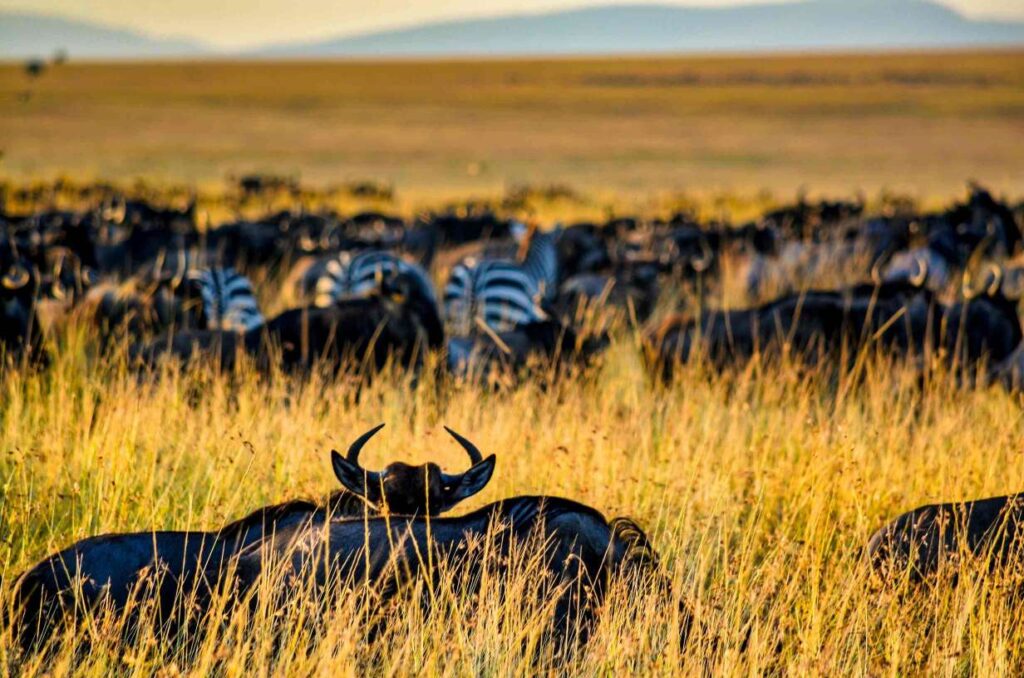
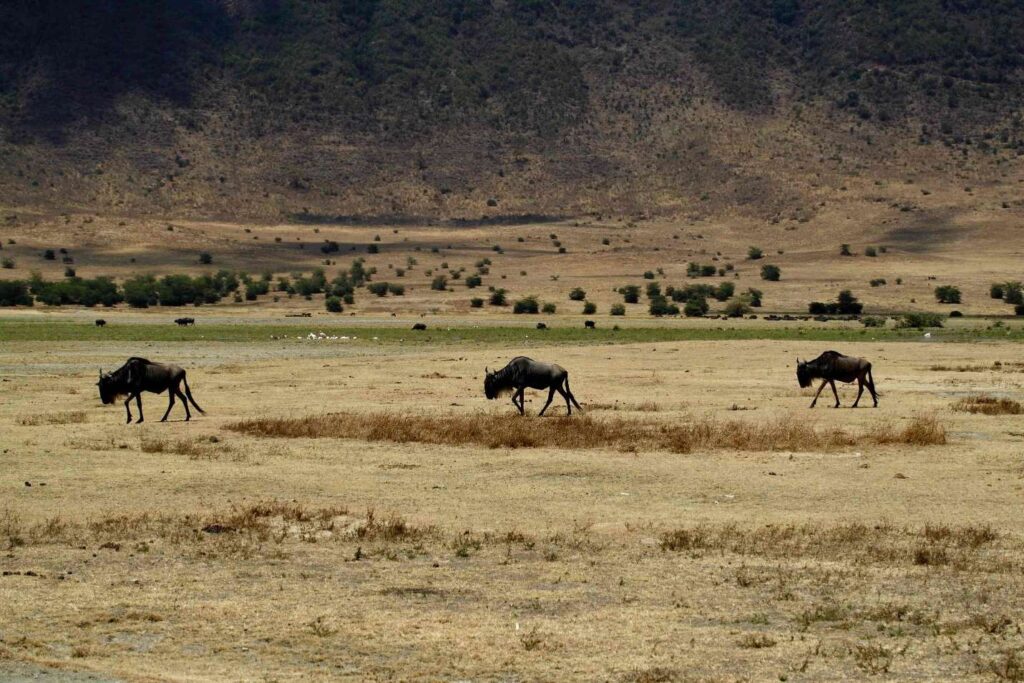
The Great Migration is the largest overland animal migration on Earth, involving an astounding 1.5 million wildebeest, along with hundreds of thousands of zebras and gazelles, traversing the Serengeti-Mara ecosystem in a perpetual search for fresh grass and water.
When does it arrive in the Mara?
- July to October is peak migration season in the Masai Mara, when the mega-herds cross from Tanzania‘s Serengeti into Kenya
- The herds don’t all cross at once—they move in massive, snaking columns that can stretch for kilometers
The Mara River Crossings – The Ultimate Thrill
The most dramatic (and famous) moment of the migration happens when the herds attempt to cross the crocodile-infested Mara River. These river crossings are pure chaos and courage: wildebeest hesitate on the banks, building up courage before plunging into the churning water as crocs lurk with jaws wide open. It’s life and death in real time.
Where to watch: The best river crossing points are along the Mara River in the western part of the reserve, particularly near the Mara Triangle.


🐆 Big Five Game Drives – Check Off Your List
The Mara isn‘t a one-trick pony. Even outside migration season, the game viewing is spectacular. You have an excellent chance of spotting all Big Five (lion, leopard, elephant, rhino, Cape buffalo) on a single game drive.
Lion: The Mara has the highest density of lions of any park in Africa, with prides often numbering 15 to 20 individuals. You’ll find them lounging under acacia trees or, if you‘re lucky, hunting at dawn or dusk.
Leopard: More elusive but famously visible in the Mara, especially along the riverine forests. Look up into the branches.
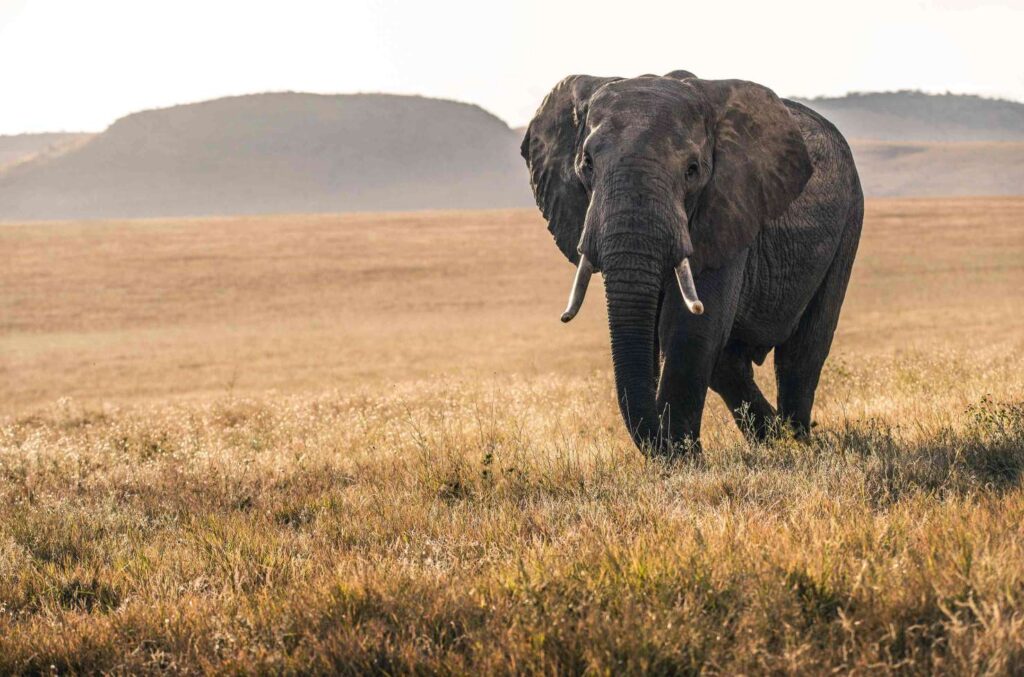
Elephant: Huge herds roam the reserve. Watching a matriarch lead her family to a watering hole is a moment you’ll never forget.
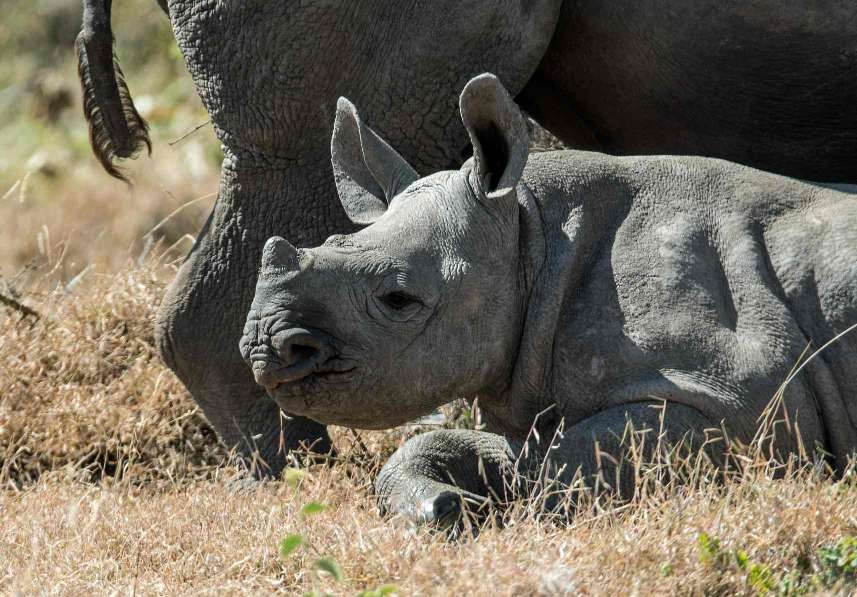
Rhino: Both black and white rhinos can be spotted, though they require patience and a bit of luck (your guide will know their favorite spots).
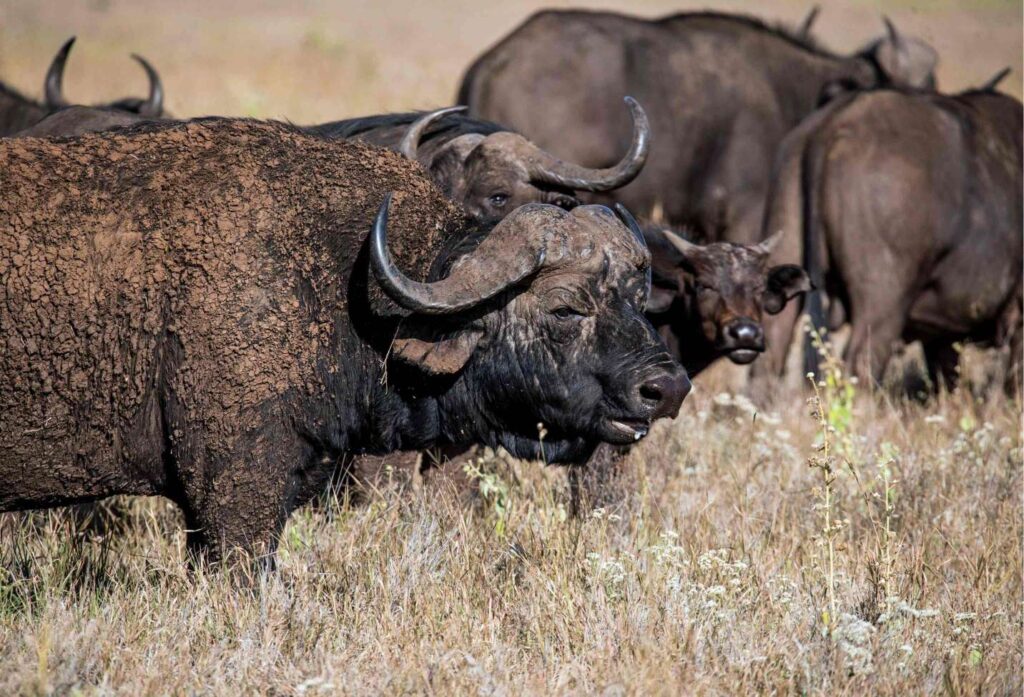
Cape Buffalo: Grumpy, unpredictable, and utterly magnificent. Large herds graze across the plains.
🎈 Hot Air Balloon Safari – Sunrise Over the Savannah
For many travelers, this is the absolute highlight of their trip. Waking up before dawn to float silently above the Mara as the sun paints the savannah in shades of gold and pink is pure magic.
What to expect:
- You‘ll be picked up from your camp around 4:30 AM
- The balloon lifts off just as the sun rises (usually between 6:00 and 6:30 AM)
- You’ll drift for about an hour, watching wildlife from above—herds of wildebeest look like ants marching across a golden carpet
- After landing, you‘ll enjoy a champagne breakfast in the bush, complete with tables and white linens set up in the middle of nowhere
Cost: Approximately $500 USD per person
Booking: Advance booking is essential, especially during peak season
🦒 Other Wildlife – Beyond the Big Five
The Mara is absolutely packed with other incredible animals:
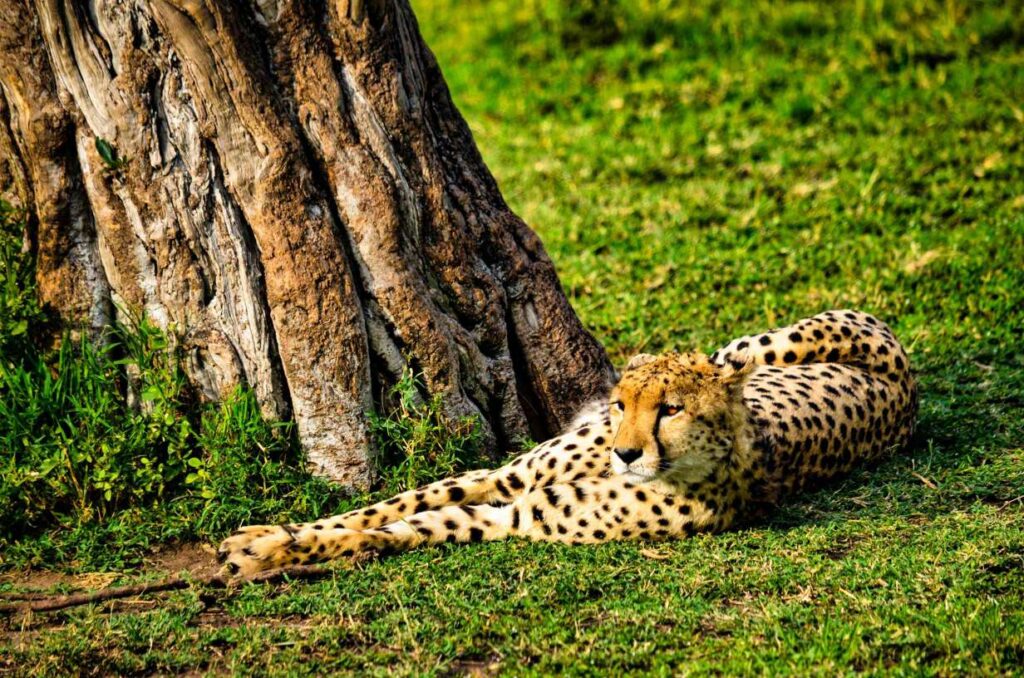
- Cheetahs: Often spotted on the open plains, sometimes hunting in the golden afternoon light
- Hyenas: Underrated and misunderstood, these intelligent predators are fascinating to watch
- Giraffes: Masai giraffes (with their distinctive jagged patterns) stride elegantly across the plains
- Zebras: In their thousands during migration; their stripes create mesmerizing optical illusions in the heat haze
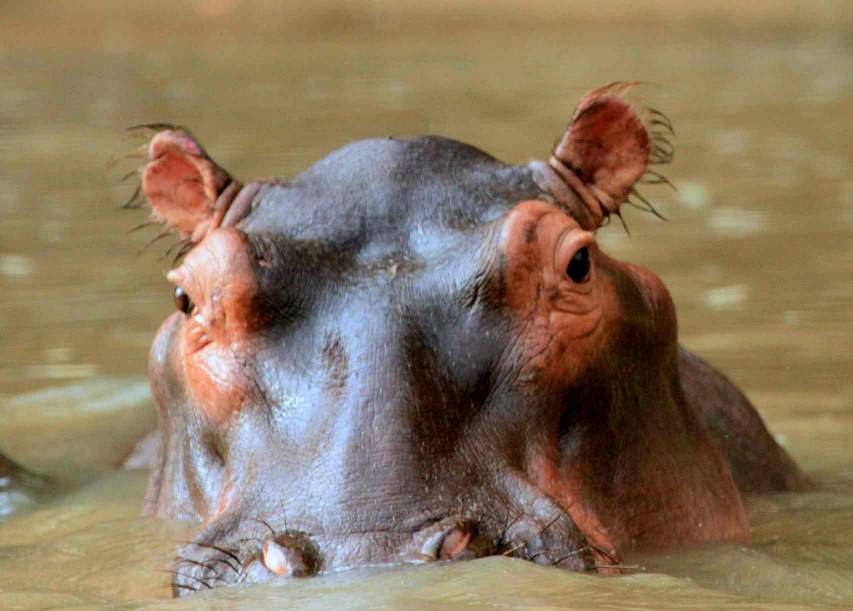
- Hippos: Huge pods lounge in the Mara River, occasionally bellowing and splashing
- Crocodiles: The river‘s silent assassins, waiting motionless for their moment
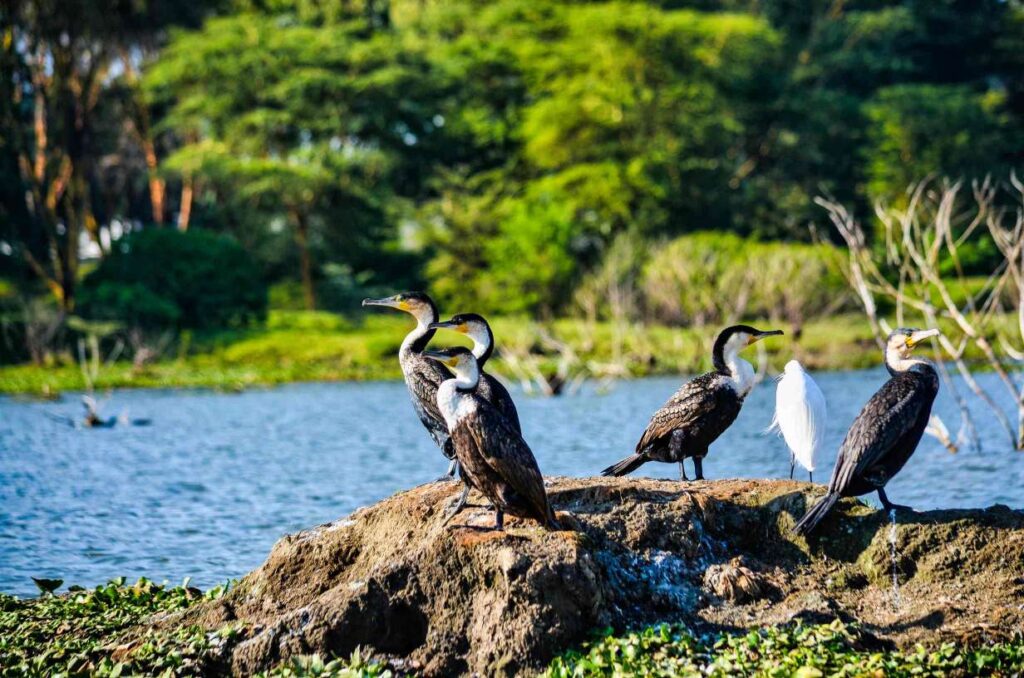
- Over 570 bird species: From the massive martial eagle to the tiny, jewel-like lilac-breasted roller (Kenya’s national bird)
🦏 Mara Triangle – The Less-Crowded Gem
The Mara Triangle is the southwestern section of the reserve, managed by the Mara Conservancy rather than the Narok County Council. It’s less crowded, better maintained, and offers exceptional game viewing.
Why go:
- Fewer vehicles: The Triangle gets about 30% of the reserve‘s visitors, so you’ll have the sightings to yourself more often
- Road maintenance: Roads are better graded and maintained
- Mara River access: Excellent locations for watching river crossings
- Anti-poaching: The Conservancy has a strong record of protecting wildlife
Access: Enter through the Oloololo Gate (also known as Siria Gate)
🏞️ Lookout Hill – Panoramic Views
Located within the Mara Triangle, Lookout Hill is one of the few places in the reserve where you can step out of your vehicle safely. The views across the plains toward Tanzania are breathtaking—a perfect spot for picnic lunches and photography.


🎎 Culture – Meeting the Maasai People
A safari in the Mara isn‘t complete without understanding the people who have called this land home for centuries. The Maasai are among Africa’s most recognizable and iconic ethnic groups—tall, proud, semi-nomadic pastoralists who have maintained their traditions despite modernization.
🛕 Traditional Maasai Village Visit (Manyatta)
Visiting a Maasai manyatta (village) is a cultural highlight that adds depth to your wildlife adventure. Here’s what to expect:
- Warm welcome: You‘ll be greeted with traditional jumping dances (the famous “adumu”), where young warriors leap straight into the air from a standing position
- Village tour: A Maasai elder will guide you through the village, explaining how houses are built from cow dung, mud, and sticks
- Daily life: Women demonstrate beadwork (their intricate jewelry tells stories and indicates status), and you can try your hand at fire-making or spear-throwing
- Boma (enclosure): See the circular enclosure where cattle, the heart of Maasai wealth, are kept safe from predators at night
Cost: Usually $20–30 USD per person (payable directly to the village)
Important: Photography is generally allowed, but ask first; some villages may charge a small extra fee for photos.
🏹 Maasai Beliefs and Traditions
The Maasai belief system centers on a single deity called Enkai (or Ngai), who manifests in two forms: Enkai Narok (Black God, benevolent and associated with rain and prosperity) and Enkai Nanyokie (Red God, associated with anger and lightning).
Cattle are central to Maasai life—measuring wealth, status, and even serving as a form of currency for bride price. The Maasai believe that Enkai entrusted them with all the cattle on Earth, which partly explains their historical reluctance to hunt wildlife (hunting was traditionally taboo).
🤝 Responsible Cultural Tourism
When visiting a Maasai village, choose visits arranged through reputable tour operators or lodges that ensure fair payment reaches the community directly. Be respectful—ask before taking photos, dress modestly, and recognize that this is not a performance but people‘s actual lives.
Pro tip: Some conservancies offer walking safaris led by Maasai guides, who can teach you about medicinal plants, animal tracks, and local ecology. This is a much more intimate cultural experience than a short village tour.


✈️ How to Reach Masai Mara – Your Gateway to the Wild
Getting to the Mara is part of the adventure. Here are your three main options:
🛩️ By Air – Fastest and Most Scenic
Flying is the easiest and most popular way to reach the Mara, especially if you‘re short on time or want to avoid Kenya’s sometimes challenging roads.
From Nairobi:
- Flight time: About 40–60 minutes
- Airlines: AirKenya, Safarilink, Jambojet, and other charter operators
- Airstrips: There are several airstrips within and around the reserve, including Keekorok, Musiara, Kichwa Tembo, and Mara Serena
- Cost: $200–350 USD round-trip (depending on season and booking time)
Pro tip: Book your flights as part of a package with your safari camp—they often get better rates.
🚗 By Road – Budget-Friendly Adventure
Driving from Nairobi to the Mara is an adventure in itself, traversing the Great Rift Valley and passing through Maasai towns.
- Distance from Nairobi: Approximately 250–280 km (155–175 miles)
- Driving time: 5.5 to 6 hours (depending on road conditions and the gate you‘re heading for)
- Route: A104 highway west toward Narok, then branch off onto a network of C-class roads
- Road conditions: The last 60–100 km can be rough and dusty. A 4×4 vehicle is absolutely essential
Pros: Cheaper, scenic views of the Rift Valley, passing through real Kenyan towns
Cons: Long and bumpy, especially the last stretch; potential for delays
🚁 Fly-in Safaris – The Ultimate Luxury
Some high-end lodges offer helicopter transfers from Nairobi, whisking you directly to their private helipad in about 90 minutes. Expect to pay upwards of $1,000+ per person one-way—but the aerial views of the Great Rift Valley and wildlife from above are priceless.




🏄 What to Do in Masai Mara – Beyond Game Drives
Game drives are the bread and butter, but the Mara offers so much more.
🚙 Morning and Afternoon Game Drives
Most camps and lodges offer two game drives per day:
- Morning drive: 6:30 AM to around 9:30 AM (early mornings are prime time for predators returning from the night‘s hunt)
- Late afternoon drive: 4:00 PM to 6:30 PM (the golden hour for photography, when animals are most active again)
Tip: Full-day game drives are also available (usually with a packed picnic lunch), allowing you to cover more ground and stake out river crossing points.
🚶 Guided Bush Walks
Walking safaris offer a completely different perspective. When you‘re on foot, you notice the small things—tracks in the dust, medicinal plants, the alarm calls of birds, the smell of wild sage. Experienced guides (often armed, for safety) will teach you the art of tracking.
🌙 Night Game Drives (In Conservancies Only)
Night game drives are not permitted inside the main reserve, but many adjacent conservancies (private land managed for wildlife) allow them. This is your chance to spot nocturnal animals like aardvarks, porcupines, genets, and leopards on the move.
📸 Photography – The Safari of a Lifetime
The Mara is a photographer‘s paradise. Whether you‘re using a smartphone or a professional DSLR with a 600mm lens, the opportunities are endless.
Tips:
- Golden hours (sunrise and sunset) produce the best warm light
- Use burst mode when animals are moving (river crossings happen fast)
- Bring extra batteries and memory cards (you WILL run out)
- A beanbag for resting your lens on the vehicle‘s roof is a game-changer
🥾 Horseback and Camel Safaris
For experienced riders, horseback safaris offer an unmatched thrill—galloping alongside zebras or watching wildlife from horse height. Book these through specialized lodges in the Mara‘s private conservancies.
Camel safaris are slower and more relaxing, perfect for families or those wanting a different pace.


🍛 Local Foods – Eating in the African Bush
Kenyan cuisine is hearty, flavorful, and built around simple, fresh ingredients. While most safari lodges serve excellent international meals, you should absolutely try the local specialties.
🍖 Nyama Choma – Kenya‘s Beloved BBQ
The undisputed king of Kenyan food. Nyama Choma (Swahili for “roasted meat“) is charcoal-grilled meat—usually goat, beef, or chicken—seasoned simply with salt.
How to eat it: The meat is chopped into bite-sized pieces and served with:
- Ugali: A stiff porridge made from maize flour, the staple carb of Kenya (think polenta‘s denser cousin)
- Kachumbari: A fresh tomato and onion salad with a squeeze of lime and chili
- Sukuma Wiki: Collard greens sautéed with onions and tomatoes (the name literally means “stretch the week,” reflecting its role as an affordable daily vegetable)
Where to find it: Many safari camps serve nyama choma on special barbecue nights, often around a bonfire. More adventurous travelers can find roadside nyama choma stalls on the drive from Nairobi to the Mara.
🥛 Maasai Traditional Foods (For the Adventurous)
The traditional Maasai diet is simple and built around their cattle:
- Sour milk (mursik): Fermented milk stored in a calabash gourd—tangy and creamy
- Meat and fat: Usually roasted or boiled
- Blood: On special occasions, fresh blood tapped from a live cow‘s jugular vein is consumed, often mixed with milk
Note: Most visitors won‘t encounter these traditional Maasai dishes unless specifically visiting a manyatta. Standard safari lodges serve more universally appealing Kenyan and international food.
🥘 What Safari Lodges Serve
Most camps and lodges offer three meals a day:
- Breakfast: Often a pre-game drive early spread (pastries, fruit, coffee) followed by a full hot breakfast back at camp mid-morning
- Lunch: Buffets or plated meals featuring salads, grilled meats, pasta, and local vegetable dishes
- Dinner: Three-course affairs with soup, main course (meat, fish, or vegetarian options), and dessert—often served under the stars
Special mention: Bush breakfasts and sundowner drinks—your guide may set up a table in the middle of the savannah with a full spread and a “bush bar.” Pure magic.
☕ Drinks to Try
- Dawa: A Kenyan cocktail made with vodka, lime, honey, and crushed ice (dawa means “medicine” in Swahili)
- Tusker Lager: Kenya‘s beloved beer, found everywhere
- Fresh Kenyan coffee and tea: Kenya produces some of the world’s finest coffee (arabica grown at high altitudes)
- Fresh passion fruit and mango juices: Bursting with flavor


🛍️ Shopping – Souvenirs From the Savannah
Shopping in the Masai Mara region is all about supporting local artisans while bringing home authentic African treasures.
🎨 Best Souvenirs to Buy
| Souvenir | What to Look For |
|---|---|
| Maasai beadwork | Intricate necklaces, bracelets, and earrings in bright reds, blues, and whites. Each color and pattern holds meaning. |
| Shukas | The traditional bright red (or checkered) Maasai cloth—wear it as a scarf, blanket, or wrap |
| Wood carvings | Hand-carved animals, masks, and figurines from local artisans in Nairobi or Maasai markets |
| Kiondos (woven bags) | Bags made from sisal, often brightly dyed, perfect as beach totes or grocery bags |
| Batiks and paintings | Colorful fabrics depicting wildlife, Maasai warriors, and African landscapes |
| Spears and shields (miniature) | Traditional Maasai tools—look for mini versions as decorative souvenirs |
| Kenyan coffee and tea | Buy directly from Nairobi shops; airport prices are higher |
| Soapstone carvings | Soapstone (from western Kenya) carved into animals, bow shaped ornaments, and chess sets |
🛒 Where to Shop
- Maasai Markets in Nairobi: The best place for souvenirs is the Maasai Market, a revolving open-air market that pops up in different Nairobi locations on different days. Come ready to bargain
- Lodge gift shops: Convenient but more expensive (and less bargaining)
- Village visits: Buying directly from Maasai village women’s cooperatives ensures your money goes straight to the community
Bargaining tips:
- Bargaining is expected, but be respectful—there‘s a fine line between fair negotiation and insulting a fair price
- Start at about 50% of the asking price and work upward
- If the price seems too low, question the authenticity
- Learn a few Swahili phrases: “Bei gani?” (How much?) and “Punguza kidogo” (Reduce a little)
Authenticity warning: Be wary of “mass-produced“ imports like Chinese-made carvings. Genuine Kenyan crafts have visible tool marks, slight irregularities, and a soul that mass production can’t replicate.
🎒 Things to Pack – Your Safari Essentials
Packing smartly for a safari makes all the difference. You‘re heading into the bush, not a five-star hotel in Paris (though some lodges are that luxurious!). Here’s your complete packing list.
👕 Clothing – Think Layers and Neutrals
| Essential | Why You Need It |
|---|---|
| Neutral-colored clothing (khaki, green, beige) | Bright colors and white can alarm animals; neutral tones help you blend in |
| Long-sleeved shirts and long pants | Sun protection AND mosquito protection for evening game drives |
| Lightweight, breathable fabrics | Days can be hot (25-28°C / 77-82°F) |
| Fleece jacket or sweater | Early morning game drives can be cold (10-15°C / 50-59°F), especially June–August |
| Rain jacket | Rain is possible, especially if visiting November–December or March–May |
| Swimsuit | Many lodges have pools |
| Comfortable closed-toe walking shoes | You won‘t hike much, but you will step in and out of safari vehicles |
What to leave at home: Camouflage clothing. It is illegal for civilians to wear camouflage in Kenya (reserved for the military). Also, skip jeans—they’re heavy, hot, and uncomfortable in a safari vehicle for hours.
🧴 Toiletries and Health Essentials
- High-SPF sunscreen (the African sun is intense)
- Lip balm with SPF
- Insect repellent with DEET (essential for preventing mosquito bites and malaria)
- Moisturizer (dust and dry air will wreck your skin)
- Hand sanitizer (not all bush bathrooms have soap)
- Personal prescriptions + anti-malaria prophylaxis (consult your doctor)
- Small first-aid kit (bandaids, antiseptic, pain relievers)
- Antihistamine (for allergic reactions—dust, pollen, insect bites)
- After-bite cream or anti-itch stick
📷 Safari Gear
- Binoculars (absolutely essential—do not skimp on quality)
- Camera with zoom lens (a 300mm lens is a minimum for wildlife; 400-600mm is ideal)
- Extra batteries and memory cards (you will drain both faster than you think)
- Beanbag for stabilizing your camera on the vehicle‘s roof
- Reusable water bottle (stay hydrated; many lodges provide refill stations)
🧳 Luggage Advice
- Soft-sided duffel bag or backpack only! Hard suitcases do not fit easily into safari vehicles or small aircraft. Target 40–45 liters
- Weight limit for charter flights: Approximately 15 kg (33 lbs) per person, including carry-on
- Small daypack for camera gear and essentials during game drives
- Pack light—most lodges offer laundry services (sometimes included in the rate)
🪪 Documents and Money
- Passport (valid for 6+ months beyond your travel dates) with at least two blank pages
- Visa/eTA (apply online at least 72 hours before travel)
- Yellow Fever vaccination certificate (mandatory if arriving from a Yellow Fever-risk country, including Tanzania and Uganda)
- Travel insurance details (absolutely mandatory—medical evacuation alone can cost over $50,000)
- Cash (USD or Kenyan Shillings) – smaller denominations ($1, $5, $10) are essential for tipping

💰 Average Budget – What a Masai Mara Safari Costs in 2025
Here‘s the honest truth: a Masai Mara safari is an investment. But with the right planning, it’s an investment in memories that will last a lifetime.
🎟️ Park Entry Fees (The Biggest Variable)
The Masai Mara charges daily entry fees per person. In 2025, rates changed significantly from earlier years to better fund conservation and reduce over-tourism.
Ticket validity: Park tickets are valid for a single calendar day and expire at 10:00 AM the following day if you entered by road.
Important: These fees are per day, so a 4-day safari means 4 days of park fees. Most tour packages include these fees in their quoted price.
🏕️ Sample Safari Package Costs (Estimate Per Person)
| Safari Type | Duration | Estimated Cost (Includes park fees, accommodation, meals, game drives, transport) | Notes |
|---|---|---|---|
| Budget Camping Safari | 3–4 days | $600–$1,000 USD | Tented camps, shared facilities, basic but authentic |
| Mid-Range Lodge Safari | 4–5 days | $1,500–$2,500 USD | Private bandas or tented camps with en-suite bathrooms |
| Luxury Fly-in Safari | 3–4 days | $2,500–$6,000+ USD | High-end lodges, champagne breakfasts, private guides |
| Fly-in Migration Special | 4 days | $1,820+ per person | Includes flights from Nairobi and all park fees |
✈️ Getting to Kenya Costs (International Flights)
- Round-trip flights from North America/Europe to Nairobi: $800–1,500 USD
- Round-trip flights from Asia/Middle East: $500–1,000 USD
- Regional flights from Nairobi to the Mara: $200–350 USD round-trip
💵 Daily Tipping Guidelines
Tipping is customary in Kenya‘s tourism industry and forms a significant part of staff income:
- Safari guide: $10–20 USD per day (more if exceptional)
- Camp/lodge staff (shared tip box): $10–20 USD per day total (per room)
- Driver (if separate from guide): $5–10 USD per day
- Hotel porters: $1–2 USD per bag
- Restaurant servers: 10-15% of bill (unless service charge included)
Budget an extra $30–50 USD per day for tipping your guide and lodge staff. Travel with smaller bills ($1, $5, $10 USD) for this purpose.
💳 Sample 5-Day Mid-Range Safari Budget (Per Person)
| Expense | Estimated Cost |
|---|---|
| International flight to Nairobi | $1,000 |
| Park fees (5 days × $200 peak season) | $1,000 (included in most packages) |
| Safari package (4 nights, mid-range lodge) | $1,800–$2,200 |
| Flights: Nairobi → Mara → Nairobi | $300 |
| Tipping ( guide + staff) | $150 |
| Souvenirs | $100 |
| ESTIMATED TOTAL | $3,350–$3,750 USD |
Budget option: If you visit during low season (Jan–June), road-trip from Nairobi, stay in budget camps, and enjoy lower park fees ($100 vs $200/day), you could spend $2,000–$2,500 for 4-5 days.
Money-saver: Travel in a group—safari packages are typically priced per person sharing a vehicle and room; solo travelers pay a higher single supplement.


🏁 Why the Masai Mara Belongs on Your Bucket List
You’ve now read tens of thousands of words about this legendary corner of Kenya. But here‘s the thing: no article can truly prepare you for the moment when you see your first lion in the wild, close enough to hear its breath.
The Masai Mara isn’t a zoo. It isn‘t a theme park. It’s a raw, untamed, unapologetic wilderness where the rules of nature play out every single day without a script. The migration is chaos and courage condensed into a single river crossing. The sunrise over the savannah is the best alarm clock you‘ll never want to snooze. The laughter around a campfire after a long day of game drives is the kind of joy that travel promises but rarely delivers.
Yes, it’s expensive. Yes, the roads are bumpy. Yes, the early mornings are cold, and the dust gets absolutely everywhere. But when a leopard yawns from a tree branch above you, or when a newborn wildebeest takes its first wobbling steps, or when a Maasai elder smiles and shows you how to start a fire with two sticks… you will understand.
This isn‘t just a vacation. It’s a pilgrimage to the heart of the wild.
Pack your neutral clothes and your sense of wonder. The Mara is waiting.
Seen the Great Migration yourself? Have a Masai Mara memory that still gives you goosebumps? Drop a comment below! 👇
❓ Frequently Asked Questions About Masai Mara
1. Is the Masai Mara safe for tourists?
Yes. The Masai Mara is considered one of Africa’s safest safari destinations, with extremely low incident rates for visitors. Stay inside your vehicle during game drives, follow your guide‘s instructions, and use common sense.
**2. What’s the best time to see the Great Migration in the Masai Mara?
The herds typically arrive in the Masai Mara from late June through October, with peak viewing (including river crossings) from July to September.
3. Do I need a visa for Kenya?
Yes. Most nationalities need an eTA (Electronic Travel Authorization), which you apply for online at least 72 hours before travel to Kenya. Check the official Kenyan eTA website for specific requirements.
4. Can I visit the Masai Mara without joining a tour?
Technically yes, but it is not recommended. You are required to use an authorized safari vehicle (private vehicles are generally not permitted for driving within the reserve). Most visitors book through a tour operator or lodge that arranges guides and vehicles.
5. Is the Masai Mara wheelchair accessible?
Accessibility varies by lodge. Some luxury camps offer vehicles adapted for wheelchairs. Contact lodges directly or work with a specialist tour operator to arrange your specific needs.
6. What should I wear on a safari?
Stick to neutral colors (khaki, olive, beige) to blend into the environment. Layering is essential—mornings are cold, afternoons are hot. Avoid camouflage (illegal for civilians in Kenya).
7. What‘s the food like in safari camps?
Most lodges serve excellent international and Kenyan cuisine with three meals a day, plus snacks. Dietary requirements (vegetarian, vegan, gluten-free, allergies) can usually be accommodated—just inform your camp in advance.
8. Do I need malaria medication for the Masai Mara?
Yes. The Masai Mara is in a malaria zone. Consult your doctor about anti-malaria prophylaxis (such as Malarone or doxycycline). Use insect repellent, wear long sleeves in the evening, and sleep under a mosquito net if provided.
9. Can I use my phone and internet in the Masai Mara?
Limited. Most lodges offer Wi-fi in common areas, but coverage is inconsistent. Cell phone reception is generally available near the Talek River area but unreliable deeper in the reserve. Consider this a digital detox opportunity.
10. What currency should I bring?
The Kenyan Shilling (KES) is the official currency, but USD is widely accepted in tourism contexts (tours, lodges, park fees, tipping). Bring smaller bills ($1, $5, $10) for tipping and smaller purchases.
11. Do I need a Yellow Fever vaccination?
Yes. The certificate is mandatory if you are arriving from a Yellow Fever-risk country (including neighboring Tanzania and Uganda). Even if not required, the vaccination is strongly recommended. Complete it at least 10 days before travel.
12. Are there ATMs in the Masai Mara?
No. There are no ATMs inside the reserve. Get cash in Nairobi before departing—a mix of USD and Kenyan Shillings for smaller purchases and park fees. Most safari packages include park fees, but tips and souvenirs require cash.
13. How far is the Masai Mara from Nairobi?
About 250 km (155 miles)—a 5.5-to-6-hour drive, or 40–60 minutes by air. The last stretch of road can be long and bumpy, which is why so many travelers choose to fly.
14. Can children visit the Masai Mara?
Absolutely. Many lodges welcome families, and children often fall in love with wildlife in a way adults can‘t fully replicate. Minimum age policies vary by lodge (some luxury camps have age restrictions of 6+ or 12+). The migration season involves long days in vehicles, which can be tough on young children. For families, consider shorter game drives and lodges with pools and kid-friendly activities.
15. Can I see the Big Five in one day?
Possibly, but not guaranteed. Lions, elephants, and buffalo are common. Leopards require patience and a good guide. Rhinos are the hardest to spot, but your guide will know their known habitats. A 3- to 4-day safari gives you the best odds.