🌮 A Country of Layers
Mexico is a country that refuses to be simplified. It’s not just beaches and resorts (though it has some of the best). It’s not just ancient ruins (though the Maya and Aztec legacies are staggering). And it’s certainly not just tacos (though the tacos alone are worth the trip).
Mexico is a place where a single country contains dozens of distinct culinary regions, each with its own signature dishes, its own chiles, and its own way of doing things . It’s where you can swim in a sacred cenote in the morning, climb a pyramid in the afternoon, and eat cochinita pibil cooked underground in a traditional pib by evening .
And here’s the thing: Mexico is having a record-breaking moment. In 2025, the country welcomed 47.8 million international tourists—a 6% increase from 2024 and a historic high . Total international visitors (including cruise passengers and day-trippers) reached 98.2 million, a 13.6% jump . Tourism revenue hit $34.99 billion USD, up 6.2% .
Yet despite these numbers, Mexico remains remarkably affordable, incredibly diverse, and—if you venture beyond the all-inclusive resorts—surprisingly undiscovered.
This guide will walk you through the essentials: the geography and history that shaped this mosaic of a nation, the visitor numbers that define its popularity, the places you shouldn’t miss, the food that will change your life, and the practical details that will make your trip smoother.
Bienvenido a México. Let’s dive in.
📜 History & Geography: A Mosaic of Civilizations
Geography: From Deserts to Jungles to Reefs
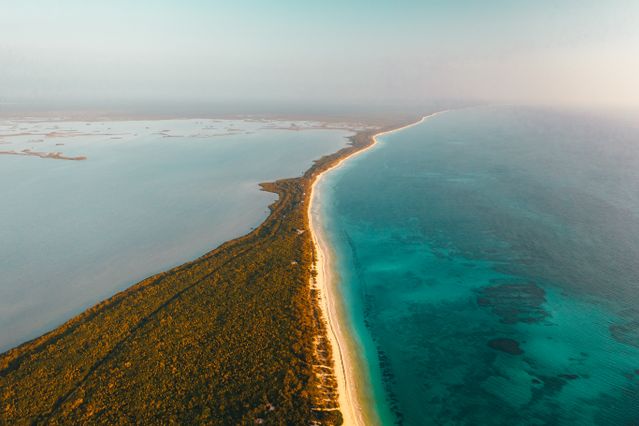
Mexico is the third-largest country in Latin America, covering nearly 2 million square kilometers. It’s a land of extraordinary contrasts: the Sonoran Desert in the north, the Sierra Madre mountain ranges running like spines down both coasts, the Yucatán Peninsula’s flat limestone shelf jutting into the Caribbean, and the Baja California peninsula stretching 1,200 kilometers into the Pacific.
This geography creates a staggering variety of ecosystems—and a staggering variety of cultures. Mexico is home to 68 indigenous languages, and its seven major regional cuisines are a direct reflection of this diversity, from the beef-heavy cooking of the north to the deep, complex moles of Oaxaca and the Maya-influenced flavors of the Yucatán .
History: Layers Upon Layers
Mexico’s history is one of the world’s great epics. The Maya built astronomical observatories and cities like Chichén Itzá and Palenque centuries before the Aztecs rose to power . The Aztecs (Mexica) built Tenochtitlán on an island in Lake Texcoco—a city so grand that the Spanish conquistadors were stunned by its scale when they arrived in 1519.
The colonial period brought 300 years of Spanish rule, blending Indigenous, European, and African influences into something entirely new. The Mexican Revolution (1910–1920) reshaped the nation’s identity, and today Mexico is a vibrant democracy, a cultural powerhouse, and a country that celebrates its Indigenous roots with pride—especially during Día de Muertos, when families gather to honor their ancestors with altars, marigolds, and music .
📊 Number of Visitors Per Year: A Record-Breaking Destination
Mexico’s tourism numbers tell a story of resilience and growth.
2025 By the Numbers:
- 47.8 million international tourists (overnight visitors), up 6% from 2024 .
- 98.2 million total international visitors (including cruise passengers and day-trippers), up 13.6% .
- Tourism revenue: $34.99 billion USD, up 6.2% .
- 11.4 million cruise passengers arrived at Mexican ports, a 12.6% increase .
- Mexico is the world’s fifth most-visited country and is on track to climb higher .
Where Do Visitors Come From?
- United States remains the top source market.
- Canada grew by 11%, and Argentina by 10.8% .
- Asian markets are expanding: Chinese visitors grew by 8% and South Korean visitors by 6.8% .
What This Means for You:
Mexico is popular, but it’s also enormous. The crowds concentrate in a few hotspots—Cancún, Tulum, Mexico City’s historic center, and Los Cabos. Venture beyond these, and you’ll find a country that feels refreshingly uncrowded. The key is to travel in shoulder season (May–June or September–October), book key attractions in advance, and explore the regions that don’t make the Instagram feed.
🏛️ Main Attractions: The Essential Mexico
Mexico City: The Cultural Capital
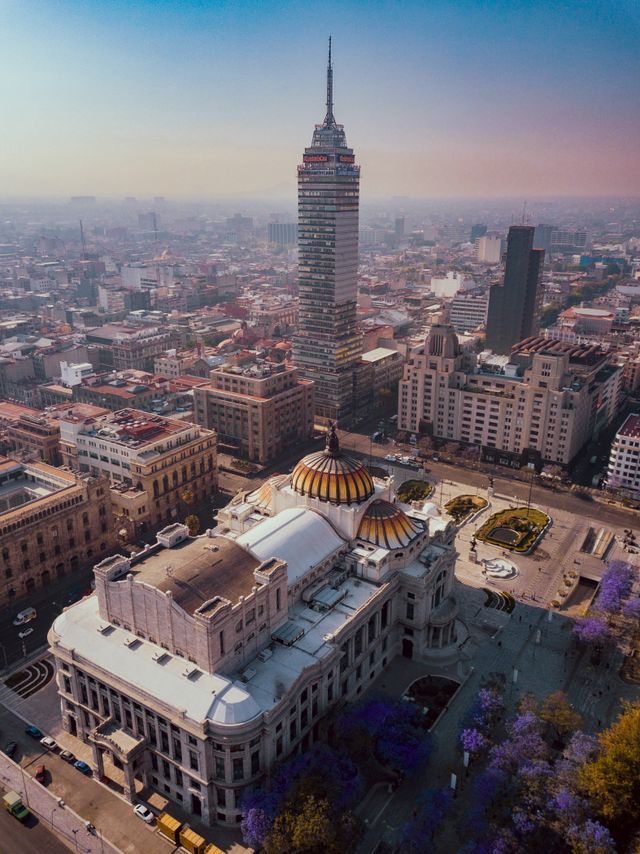
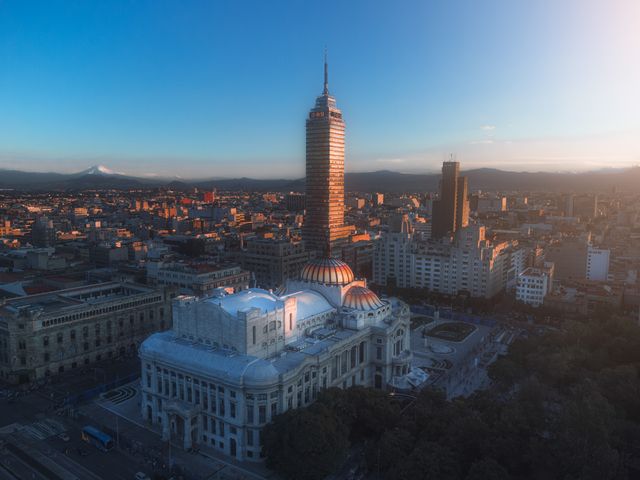
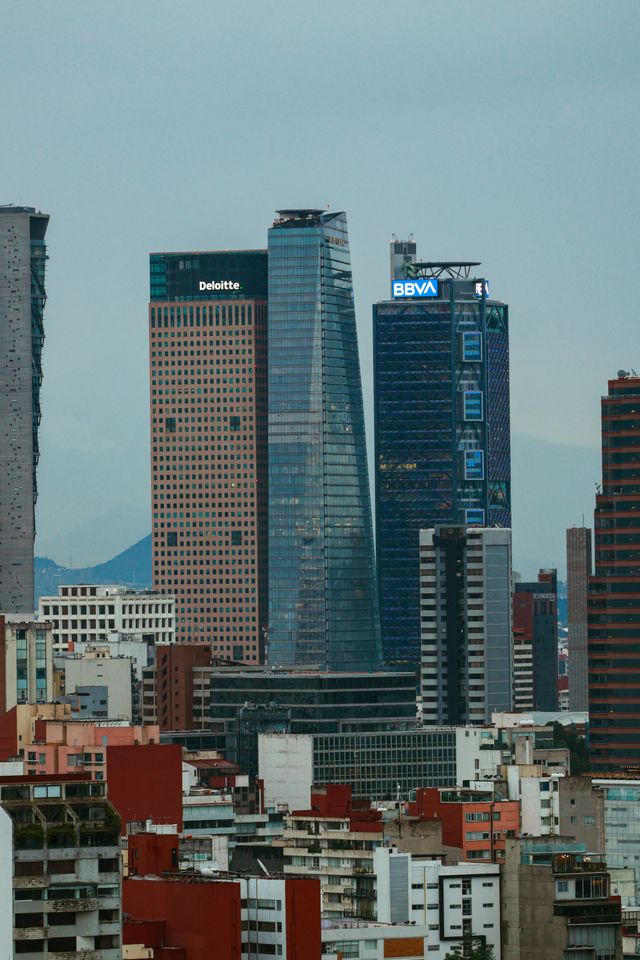
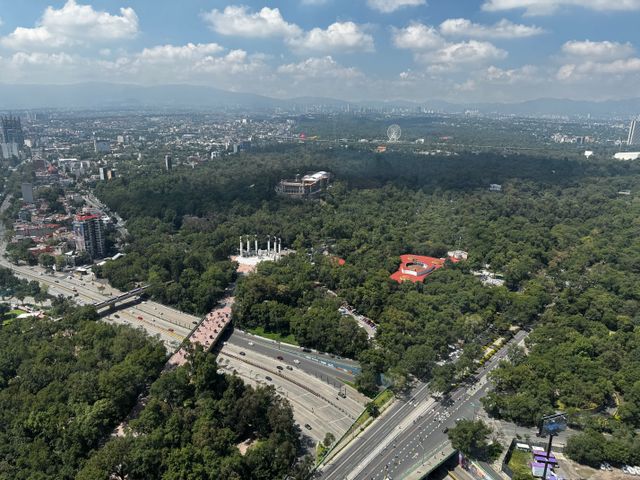
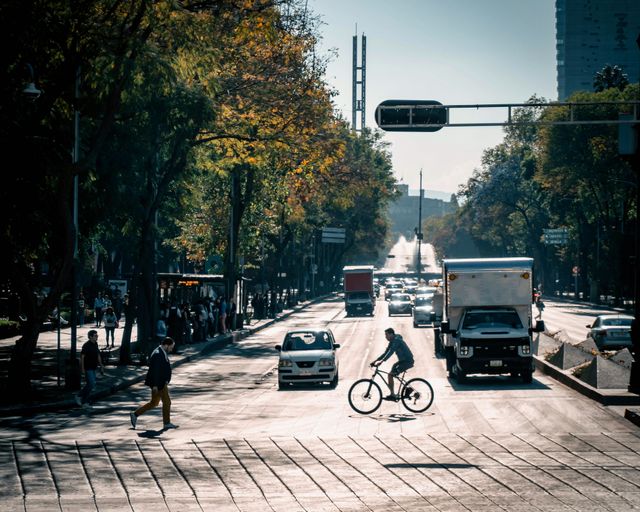
Mexico City is one of the largest and most exciting cities on Earth—a sprawling metropolis built on the ruins of Tenochtitlán.
Must-See:
- National Museum of Anthropology: The most important museum in the country for pre-Hispanic cultures, home to the Sun Stone (Aztec Calendar) and treasures from the Aztec, Maya, Olmec, and Teotihuacan civilizations .
- Frida Kahlo Museum (Casa Azul): The blue house in Coyoacán where Frida was born, lived, and created. It’s one of the most visited cultural spaces in Mexico .
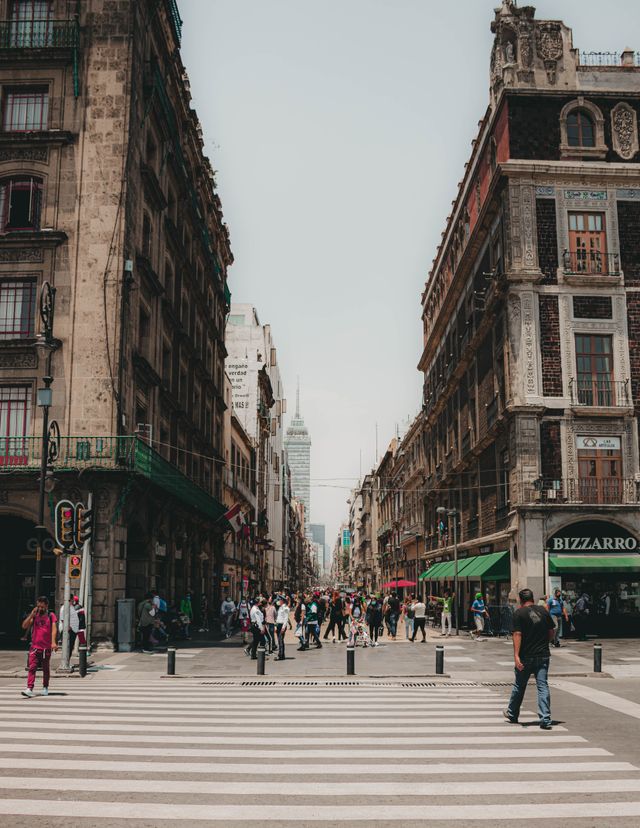
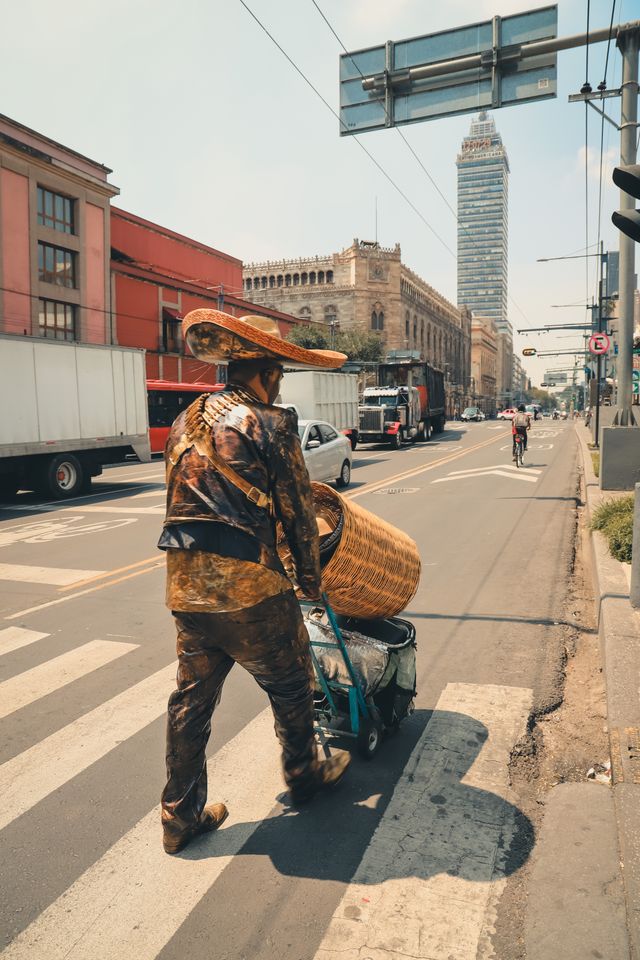
- Zócalo: One of the largest plazas in the world, the heart of the Aztec and colonial city .
- Teotihuacán: The massive pre-Hispanic city just outside Mexico City, with the Pyramid of the Sun and Pyramid of the Moon. A balloon tour at sunrise is unforgettable .
Oaxaca: The Culinary and Cultural Heart
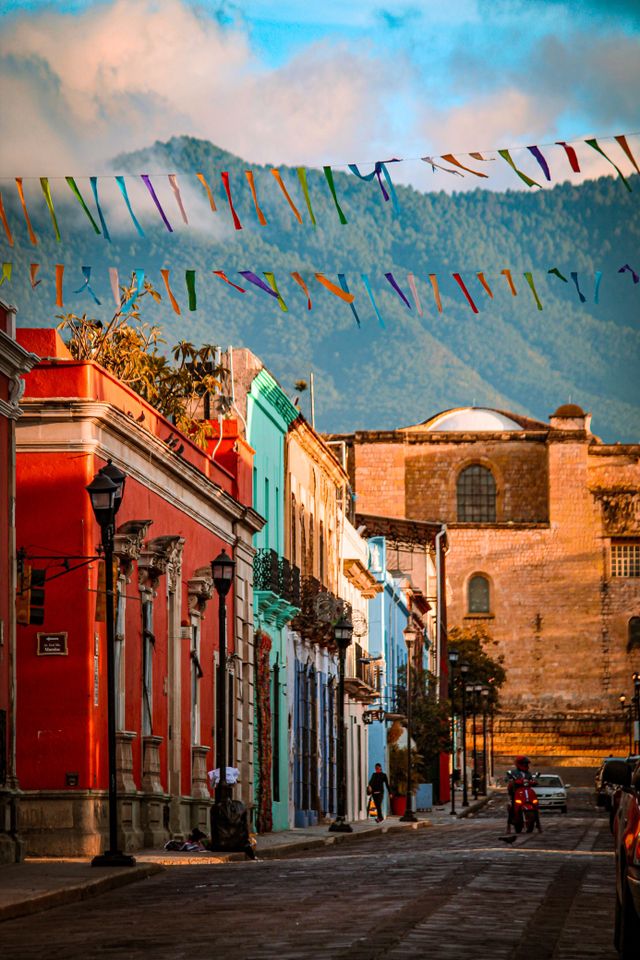
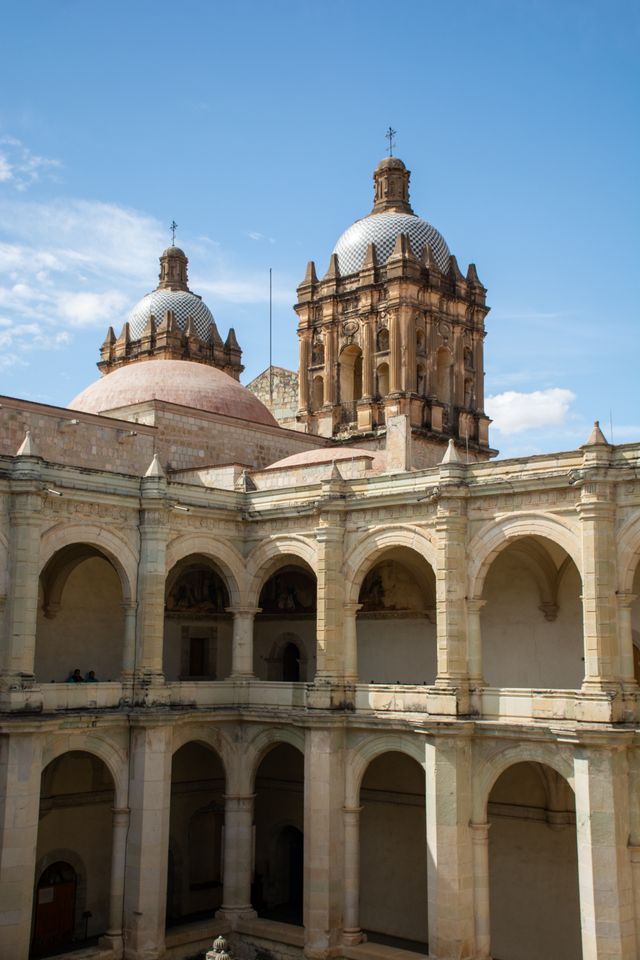
Oaxaca is often called Mexico’s culinary capital, and for good reason. The city’s cobblestone streets, brightly painted buildings, and buzzing Zócalo make it one of the most captivating places in the country .
What to Do:
- Eat mole. Oaxaca is famous for its seven moles, including the complex mole negro .
- Drink mezcal. Oaxaca is the birthplace of mezcal, and the bars along García Vigil Street are perfect for a tasting adventure .
- Visit during Día de Muertos. The city transforms with marigold altars and skeleton face paint .
- Explore the markets. The Benito Juárez Market is the place for alebrijes (colorful spirit figurines) and handwoven rugs .
The Yucatán Peninsula: Maya Ruins and Cenotes
The Yucatán is where Mexico’s Maya heritage is most visible—and where some of its most spectacular natural wonders lie.
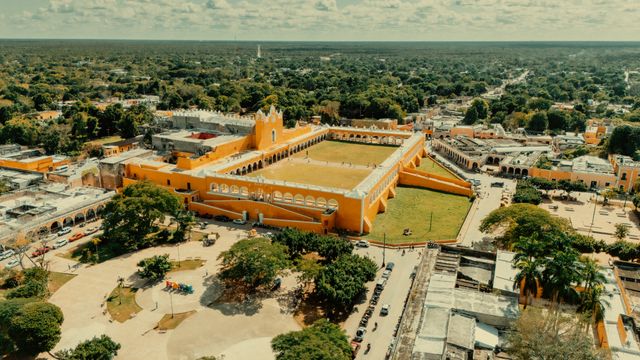
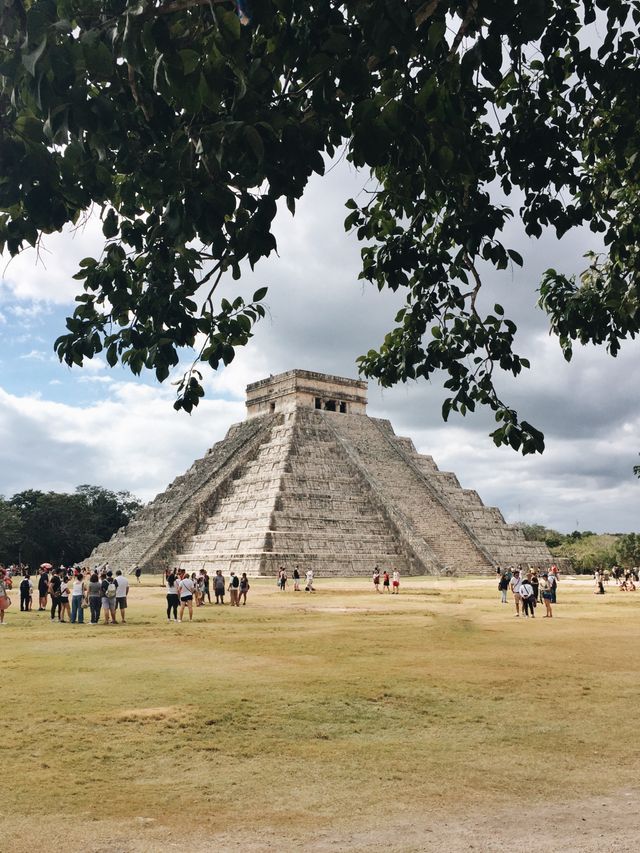
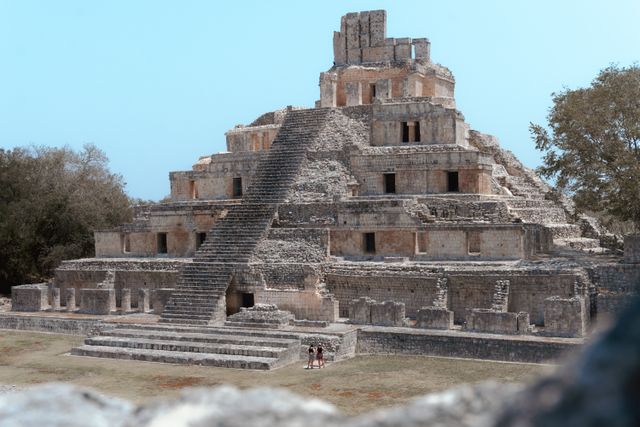
Chichén Itzá: The most famous Maya city, named a New Seven Wonder of the World in 2007. The Pyramid of Kukulkan has 365 steps matching the solar year, and on the equinox, a shadow creates the illusion of a serpent descending the stairs .
Cenotes: These natural freshwater sinkholes were sacred to the Maya. Ik Kil is a stunning circular cenote near Chichén Itzá, with walls covered in vegetation and a depth of about 40 meters . Dos Ojos is famous for its exceptional visibility and underwater cave systems . Suytun is famous for the light beam that illuminates its central platform .
Tulum: Maya ruins perched on cliffs above the Caribbean—one of the most photogenic archaeological sites in Mexico.
San Cristóbal de las Casas: Highland Chiapas
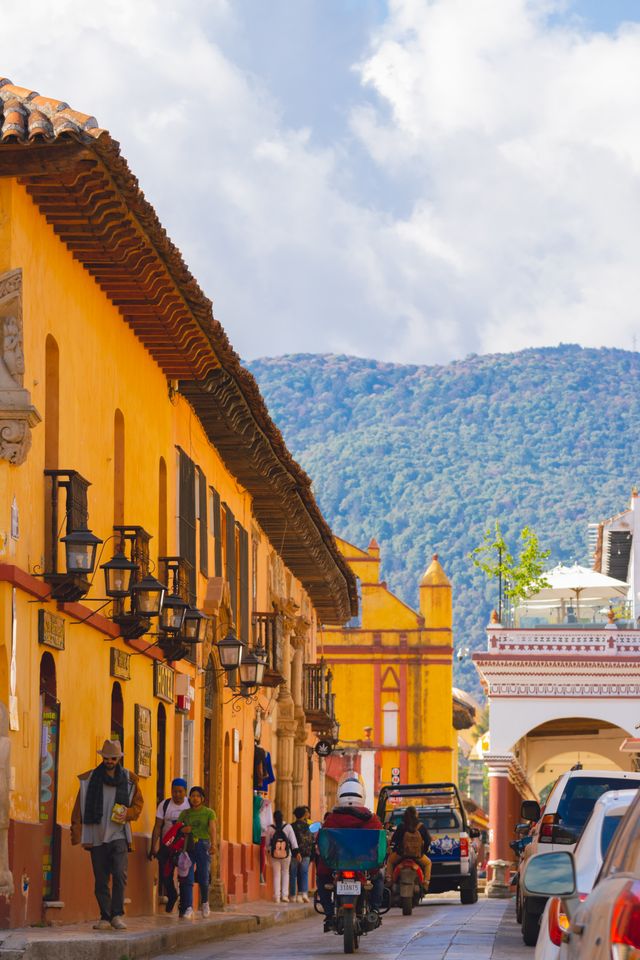
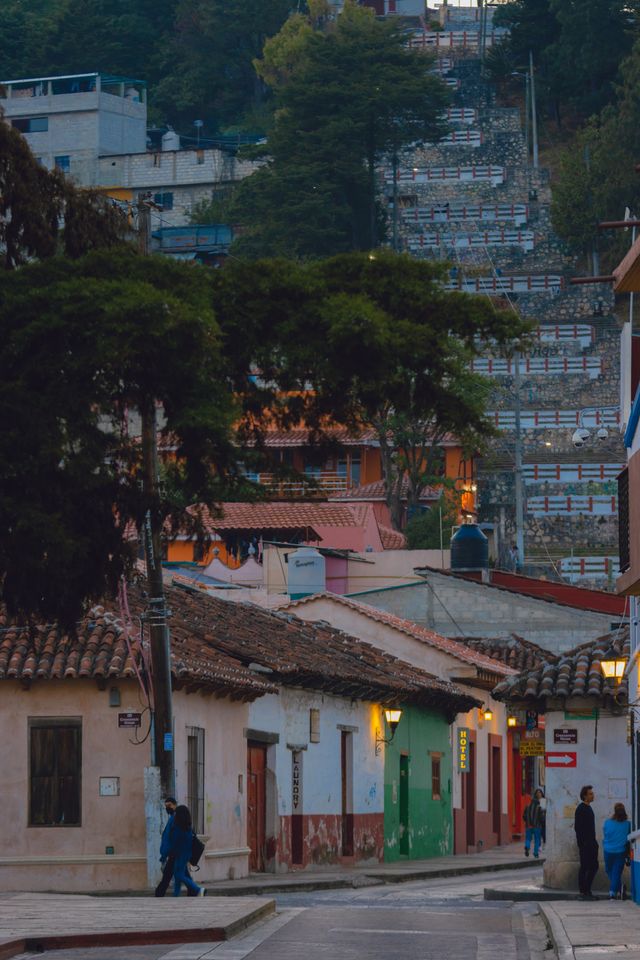
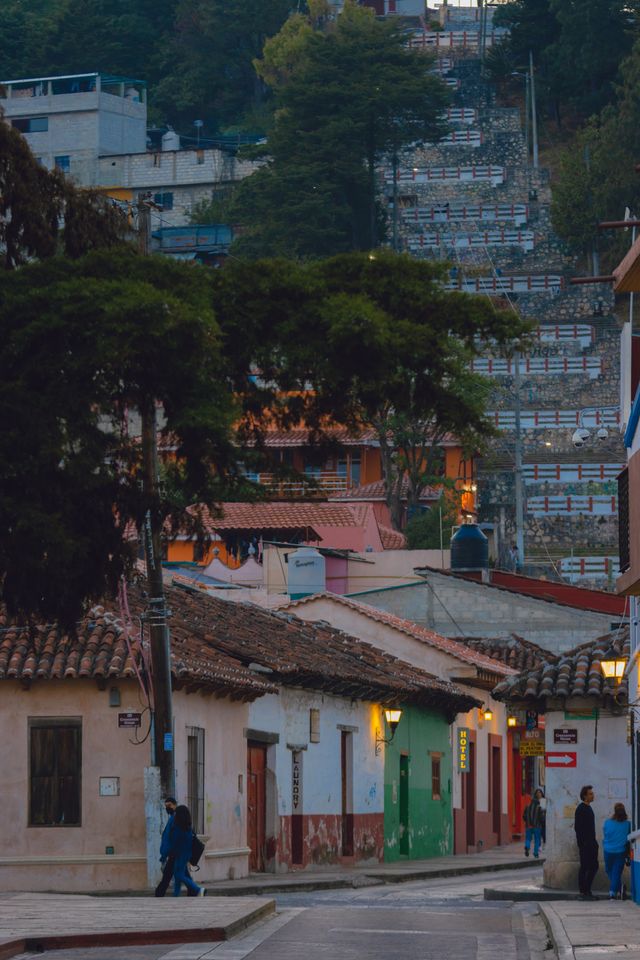
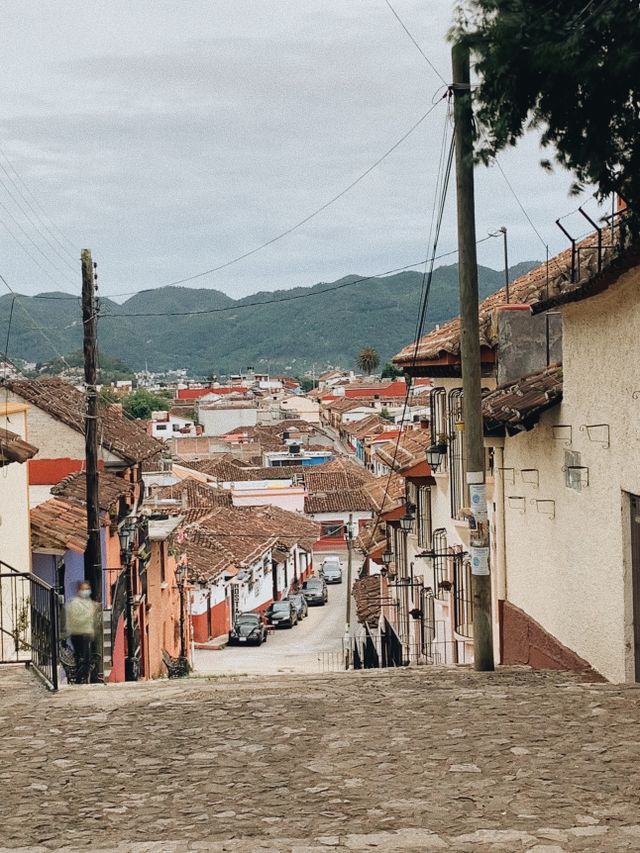
Set in the highlands of Chiapas, this colonial city is surrounded by pine forests and indigenous Tzotzil communities. Cobblestone streets, colorful churches, and excellent coffee make it a favorite for travelers seeking a slower pace .
Day Trips:
- El Chiflón: A series of turquoise waterfalls perfect for swimming .
- Lagunas de Montebello: A national park with a labyrinth of lakes and caves .
The Pueblos Mágicos (Magic Towns)
Mexico’s Pueblos Mágicos program recognizes 177 towns for their cultural heritage and natural beauty . Some standouts:
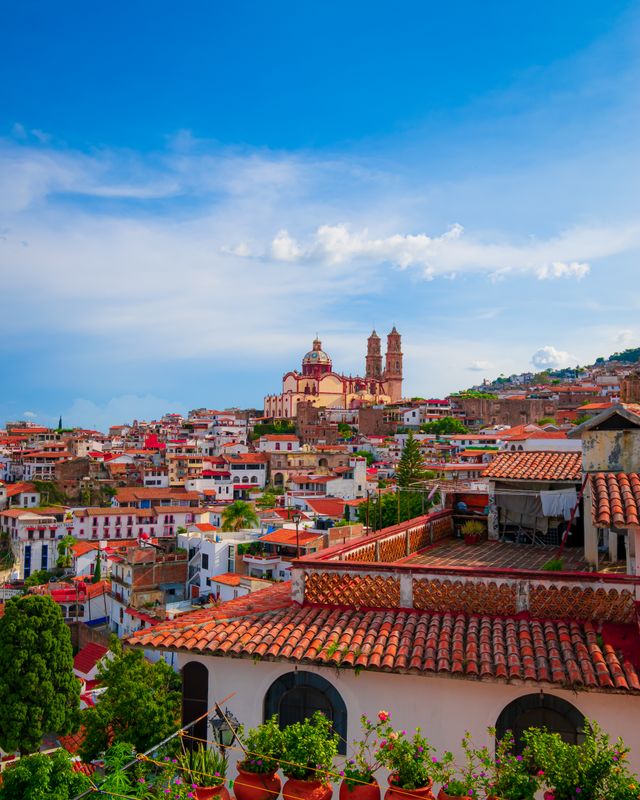
- Taxco: The “silver capital of Mexico,” with whitewashed buildings and cobblestone streets .
- Bacalar: The “Lagoon of Seven Colors,” perfect for kayaking and swimming .
- Bernal: Home to Peña de Bernal, the third-largest natural rock formation in the world .
- Coatepec: The coffee capital of Veracruz .
🎎 Culture: The Art of Celebration
Mexican culture is built on family, food, faith, and festivity. It’s a culture that embraces death as part of life—Día de Muertos is not a somber occasion but a joyful celebration of ancestors, with altars, marigolds, and music .
Cultural Do’s and Don’ts:
- Do greet people when you enter a shop or restaurant. A simple “Buenos días” or “Buenas tardes” goes a long way.
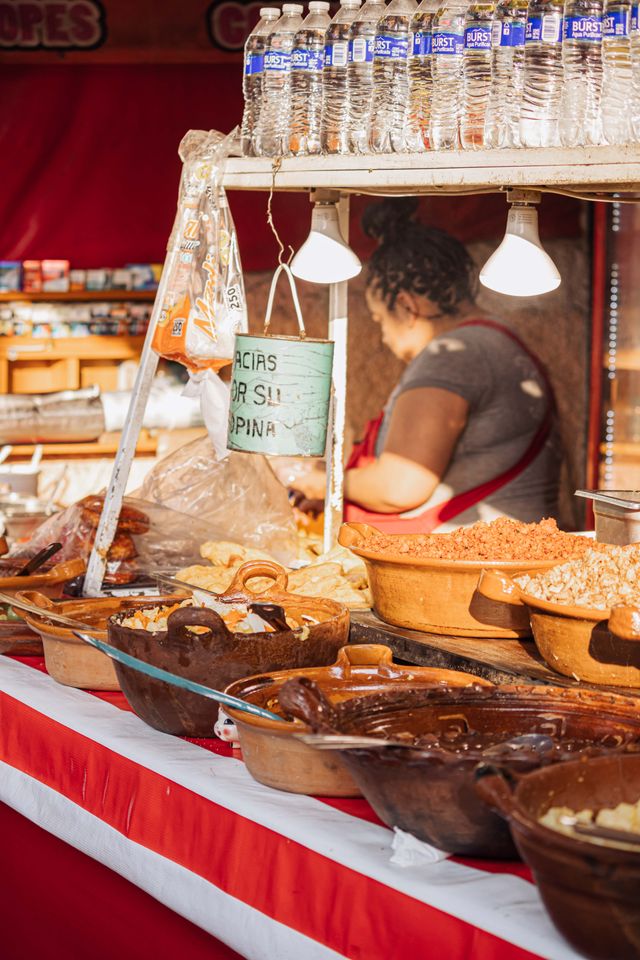
- Do try street food. The best tacos are often from a stand with a line of locals.
- Don’t drink tap water unless it’s been filtered or boiled. Stick to bottled water.
- Do learn a few words of Spanish. Even “Gracias” and “Por favor” are appreciated.
- Don’t assume all of Mexico is like the resort zones. The interior is more traditional and conservative.
🚗 How to Reach Mexico
By Air:
Mexico has many international gateways. Mexico City (MEX) is the main hub, with connections worldwide. Cancún (CUN) is the busiest for beach travelers. Los Cabos (SJD), Puerto Vallarta (PVR), and Oaxaca (OAX) also receive international flights.
Getting Around:
- Domestic flights are the fastest way to cover long distances. Airlines like Volaris and VivaAerobus offer affordable fares.
- Buses are comfortable, extensive, and affordable for shorter routes. ADO is the premium option for long-distance travel.
- Car rental is useful for exploring the Yucatán and rural areas, but driving in Mexico City is not recommended.
🏄 What to Do: Beyond the Checklist
- Swim in a cenote. It’s a quintessential Yucatán experience—and a sacred one .
- Take a cooking class. Learn to make mole, tamales, or fresh tortillas from a local chef.
- Visit a tequila distillery. The town of Tequila in Jalisco is the only place to tour the distilleries that turn blue agave into the spirit .
- Celebrate Día de Muertos. If you’re in Mexico in early November, this is unforgettable .
- Explore the Copper Canyon. The Ferrocarril Chihuahua Pacifico train ride offers astonishing canyon views .
🍛 Local Foods: A Regional Journey
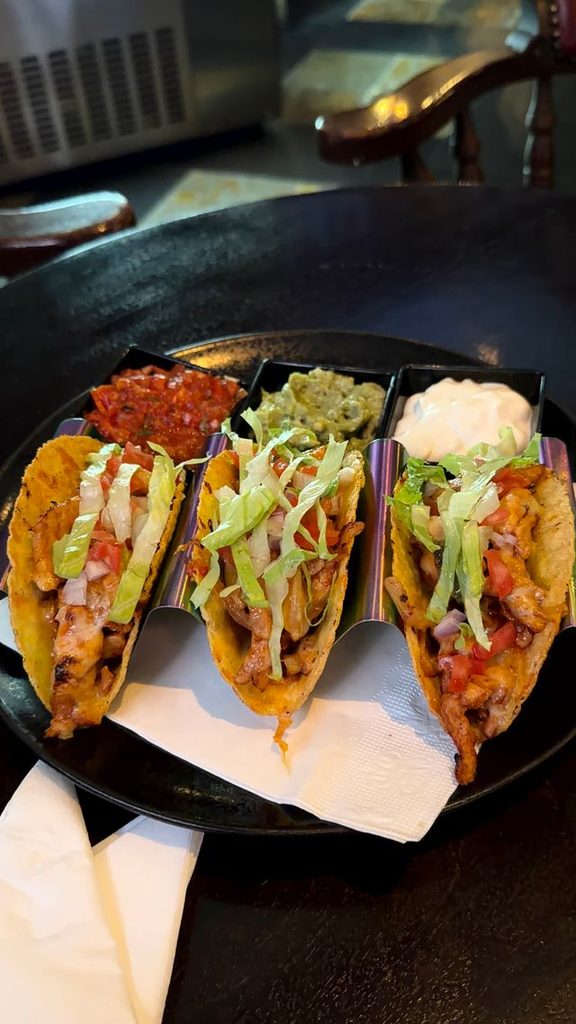
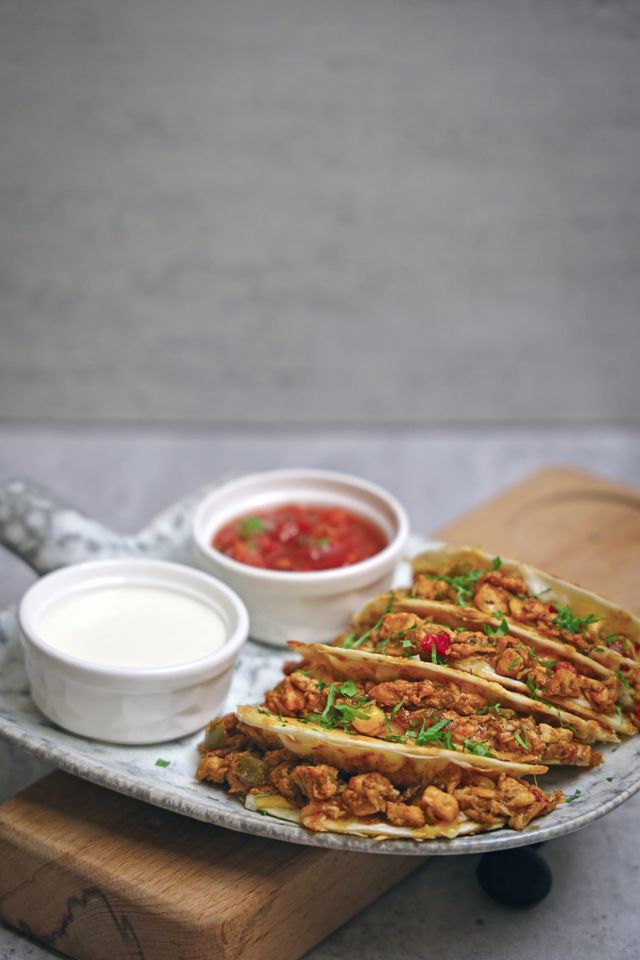
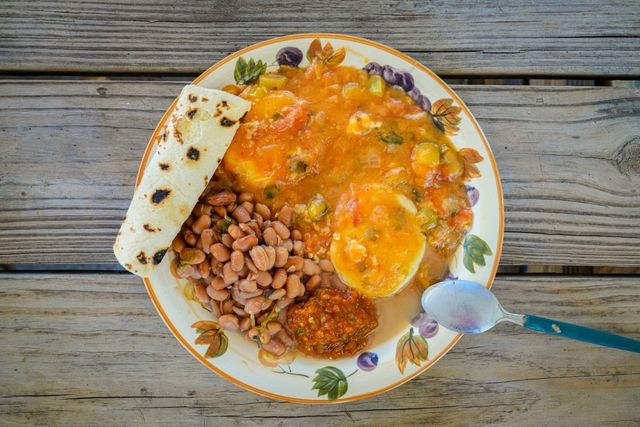
Mexican cuisine is not one thing—it’s a patchwork of regional traditions, each shaped by geography and history. In 2010, UNESCO recognized traditional Mexican cuisine as Intangible Cultural Heritage of Humanity.
- The North: Beef-heavy, with burritos, fajitas, and arracheras.
- The North Pacific Coast: Seafood from Jalisco, Nayarit, and Sonora—shrimp, marlin, and oyster chimichangas.
- Bajío and Huasteca: Central Mexico’s barbacoa, tlacoyos, and rice-based dishes.
- The South Pacific Coast: Oaxaca, Guerrero, and Chiapas—deep moles, plátanos, and Oaxaca cheese.
- The Gulf Coast: Veracruz and Tabasco—spicy seafood with African and Caribbean influences.
- Puebla: Mole poblano and chiles en nogada—the most famous fusion cuisine in Mexico .
- The Yucatán: Maya-influenced, with cochinita pibil (pork marinated in achiote and sour orange, wrapped in banana leaves and cooked underground) and panuchos .
Must-Try Dishes:
- Tacos al pastor: Mexico City’s iconic street food—spit-roasted pork with pineapple.
- Mole poblano: Puebla’s legendary sauce with chiles, chocolate, nuts, and spices .
- Cochinita pibil: Yucatán’s slow-cooked pork, smoky and aromatic .
- Birria: Jalisco’s rich meat stew, often served as tacos with consommé for dipping .
- Chiles en nogada: Poblano peppers stuffed with picadillo, covered in walnut sauce, and garnished with pomegranate .
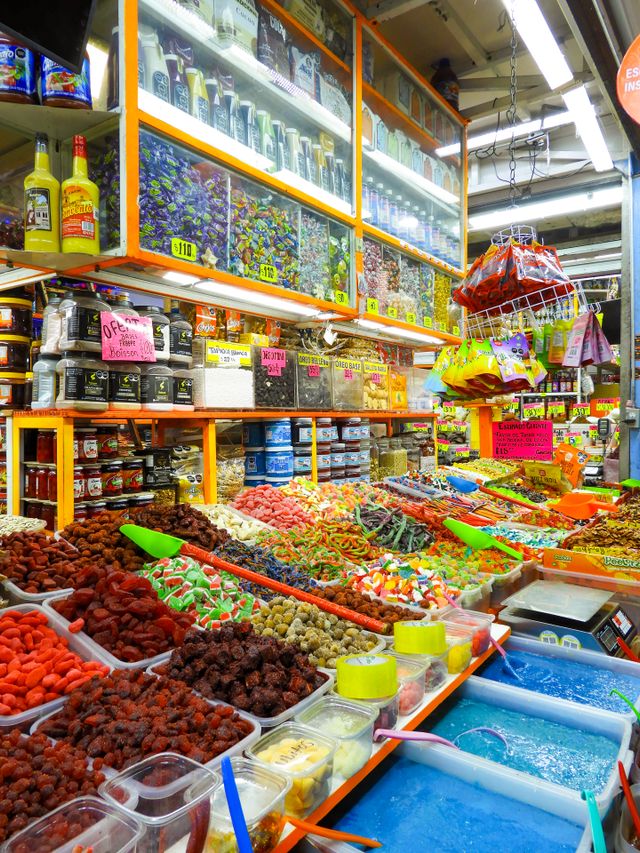
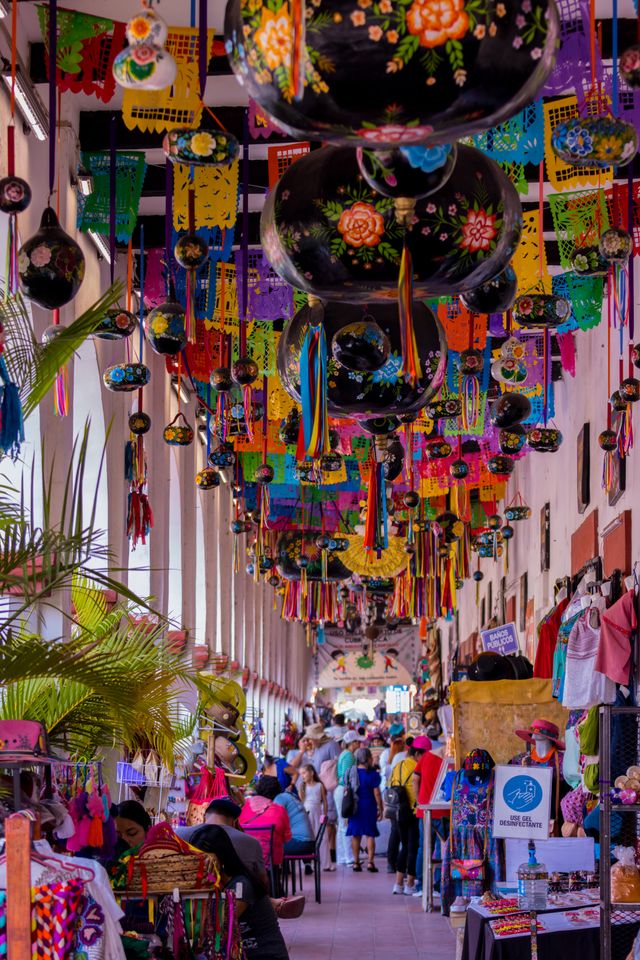
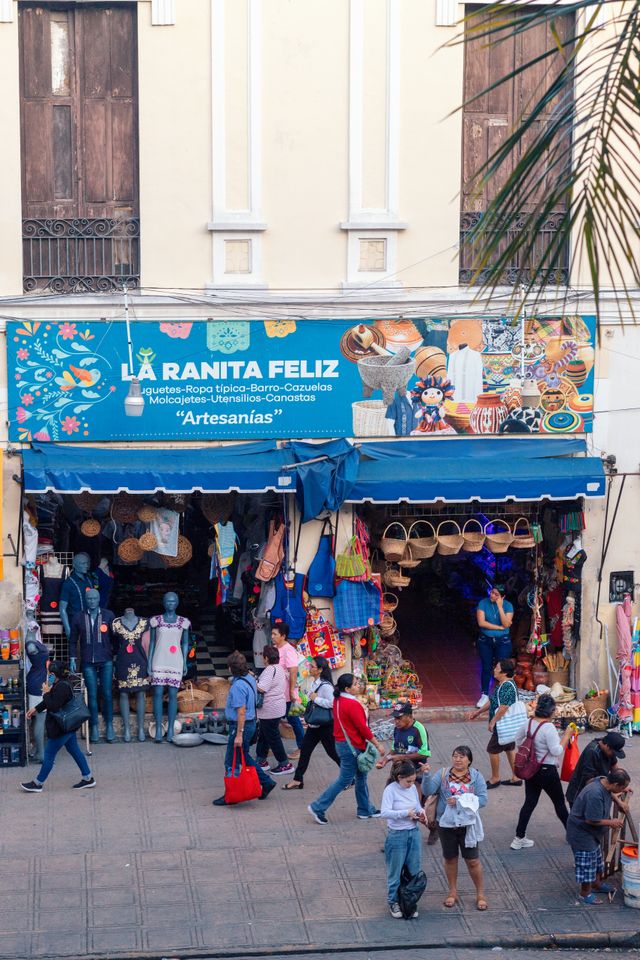
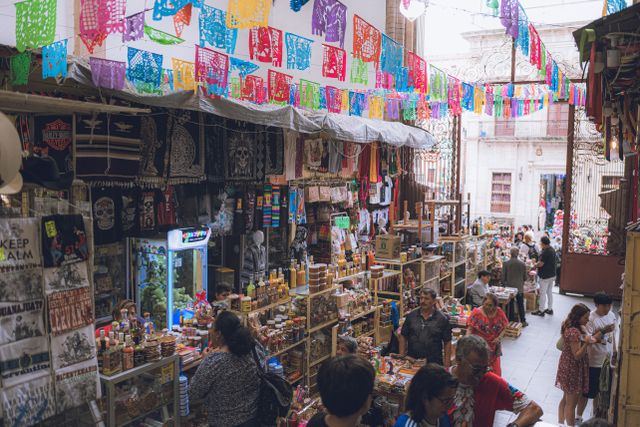
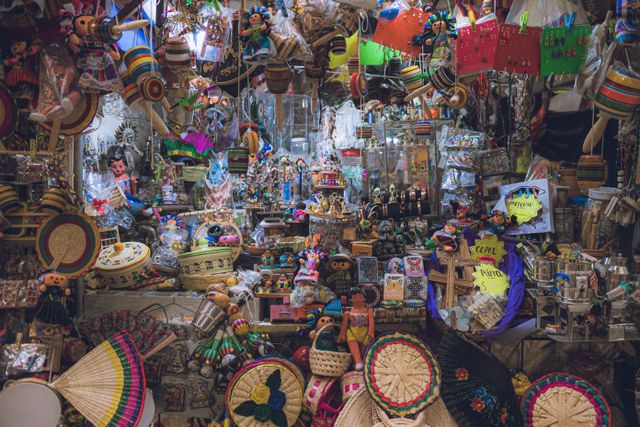
🛍️ Shopping: What to Bring Home
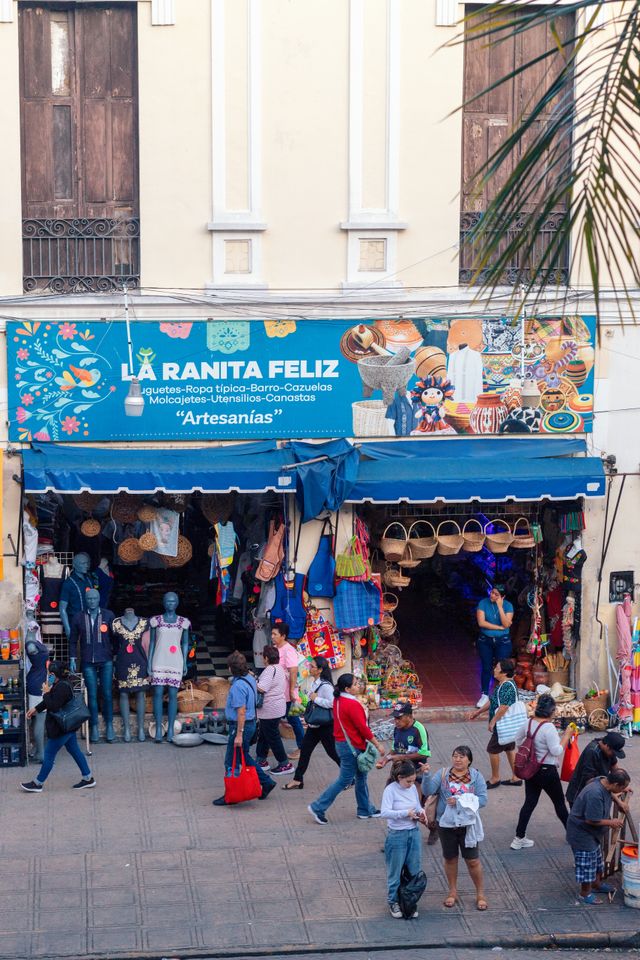
- Textiles: Handwoven rugs from Oaxaca, embroidered blouses from Chiapas.
- Alebrijes: The colorful carved wooden spirit animals from Oaxaca .
- Silver: Taxco is the silver capital—buy from reputable shops .
- Mezcal and tequila: Buy from distilleries or reputable shops, not tourist markets.
- Coffee: Chiapas and Veracruz produce excellent coffee .
🎒 Things to Pack: Your Mexico Survival Kit
- Comfortable walking shoes: Cobblestones, ruins, and city streets demand good footwear.
- Layers: Weather varies dramatically by region and altitude. Mexico City is cool at night; the coast is hot.
- Sunscreen and hat: The Mexican sun is strong, especially in the Yucatán.
- Insect repellent: Essential for jungle and cenote areas.
- Reusable water bottle: Stick to bottled or filtered water.
- Cash (Mexican Pesos): Many small vendors, markets, and street food stalls are cash-only.
💰 Average Budget: What Mexico Costs (2026)
Mexico is affordable compared to the US and Western Europe, especially outside resort zones.
Daily Budget by Travel Style:
| Style | Daily Cost (per person) | What It Covers |
|---|---|---|
| Budget | $40–70 | Hostel dorm, street food/local eateries, public transport, free attractions |
| Mid-Range | $80–150 | 3-star hotel, restaurant meals, some paid attractions, domestic flights |
| Luxury | $200+ | 4–5 star hotel, fine dining, private tours, cenote experiences |
Specific Costs (Average 2026):
- Hostel dorm: $10–20
- Mid-range hotel: $50–100
- Street tacos: $1–2 each
- Restaurant meal: $10–25
- Museum entry: $5–10
- Cenote entry: $5–15
Money-Saving Tips:
- Eat street food. It’s cheap, delicious, and often the best food in town.
- Travel in shoulder season (May–June or September–October).
- Use buses for intercity travel—they’re comfortable and affordable.
- Stay in Pueblos Mágicos instead of resort towns for lower prices and authentic experiences.
🏁 Conclusion: Mexico Rewards the Curious
Mexico is a country that can be many things: a beach escape, a culinary pilgrimage, a journey through ancient civilizations, or a deep dive into living indigenous cultures. The key is to choose your Mexico—the one that speaks to you—and give it time.
Don’t try to “do” Mexico in a week. Pick a region, or two, and go deep. Eat at the market. Take the local bus. Talk to the vendors. Let the country surprise you.
¡Buen viaje!
Have you traveled through Mexico? What’s your favorite region or unforgettable meal? Drop a comment below! 👇
❓ FAQ: Mexico Quick Answers
1. Is Mexico safe?
Mexico is generally safe for tourists, but crime rates vary by region. Stick to well-traveled areas, avoid traveling at night on rural roads, and use common sense. The Yucatán Peninsula, Oaxaca, and Mexico City’s tourist zones are considered safe.
2. Do I need a visa for Mexico?
Citizens of the US, Canada, UK, Australia, and most EU nations don’t need a visa for stays up to 180 days. You’ll receive a FMM (Forma Migratoria Múltiple) on arrival. Check your specific requirements.
3. What’s the best time to visit?
November–April is the dry season and the most popular time. May–June and September–October offer fewer crowds and lower prices, though rain is possible.
4. Is English widely spoken?
In tourist areas, yes. But learning a few Spanish phrases is appreciated and will improve your experience.
5. Do I need to book Chichén Itzá in advance?
Not necessarily, but booking a tour or arriving early helps avoid the worst crowds and heat.
6. Can I drink tap water?
No. Stick to bottled or filtered water, even in cities.
7. What should I wear?
Comfortable, casual clothing. For churches and traditional communities, dress modestly (cover shoulders and knees).
8. How many days do I need for Mexico?
For a first trip, 10–14 days allows you to see Mexico City, Oaxaca, and the Yucatán without rushing. A focused trip (Mexico City + Oaxaca) can be done in 7–8 days.
9. Is Mexico good for families?
Yes. The beaches, cenotes, and ruins are family-friendly, and Mexicans are famously welcoming to children.
10. What’s the must-try food?
Tacos al pastor, mole poblano, cochinita pibil, and mezcal. And eat street food—it’s the heart of Mexican cuisine.