🗽 A Country That Defies Definition
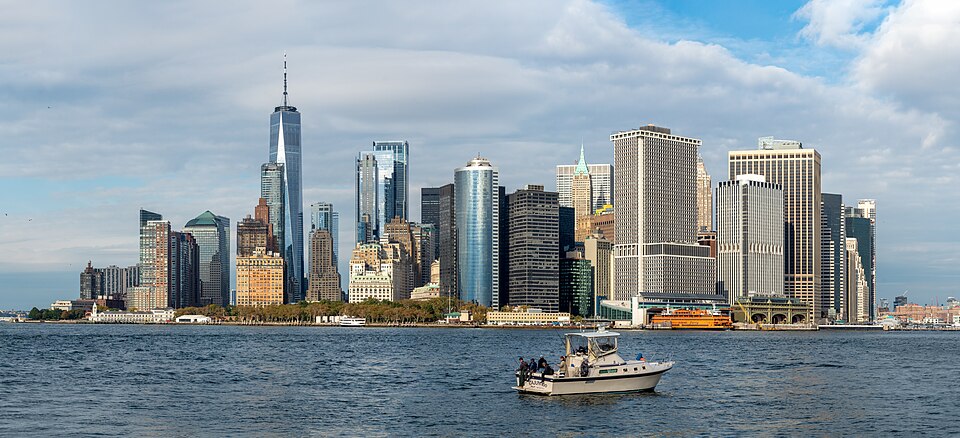
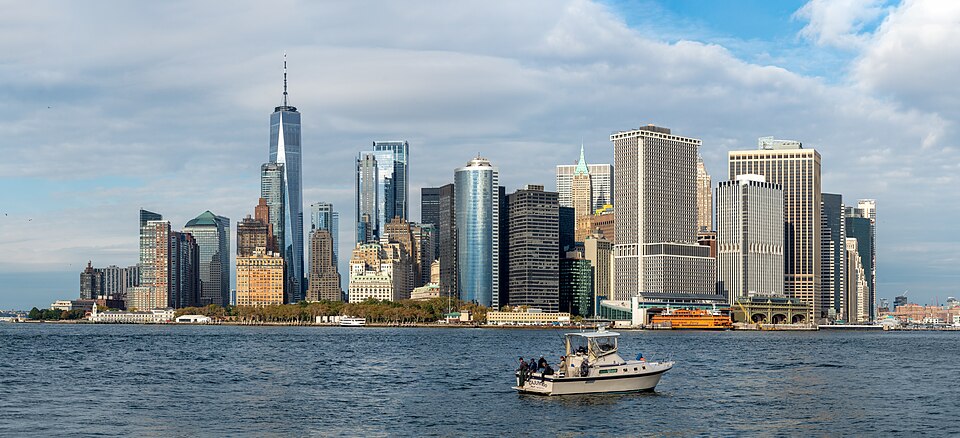
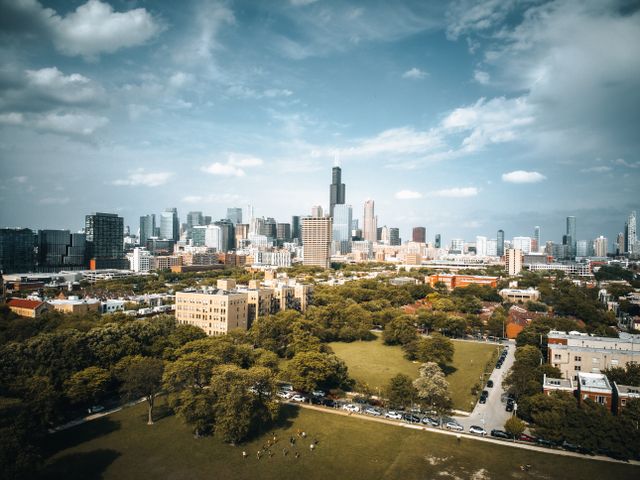
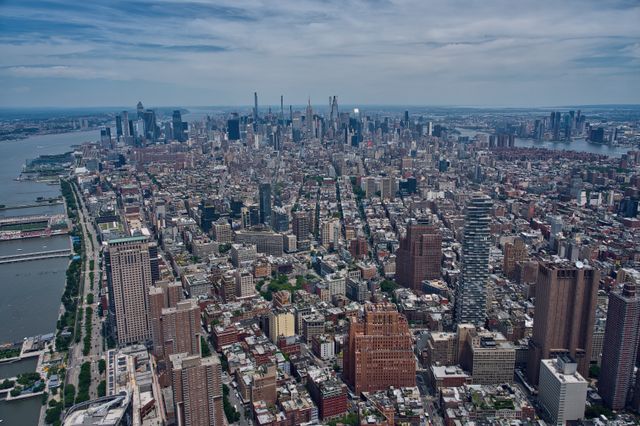
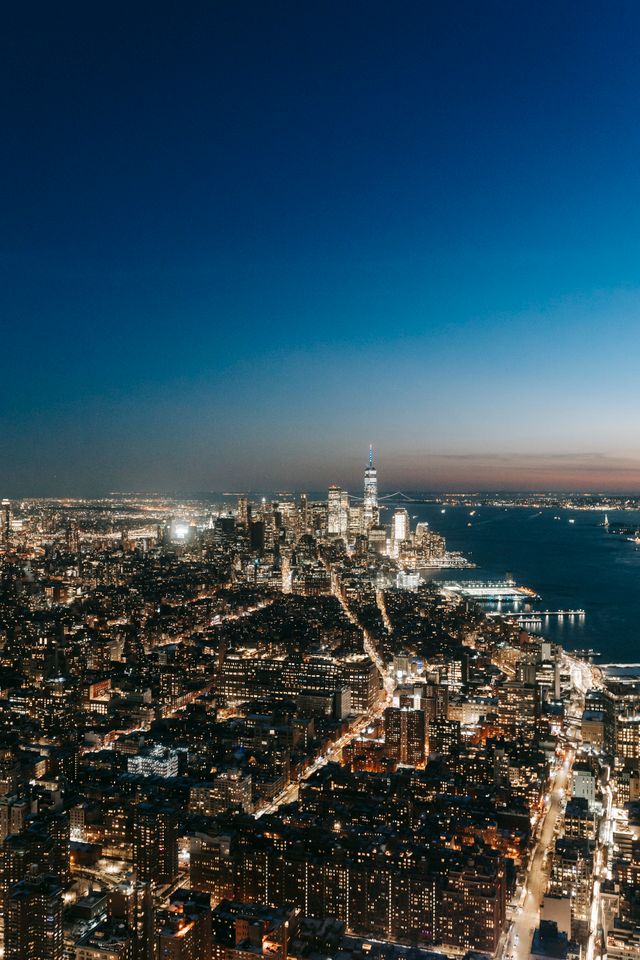
The United States is a travel destination that almost defies definition. It’s a place where you can surf in California in the morning, ski in Colorado by afternoon, and eat barbecue in Texas by night—all within a single, sprawling country. It’s home to the world’s most famous skyline (New York), its most iconic canyon (the Grand Canyon), and its first national park (Yellowstone) .
But the USA is also a country of contradictions. It’s incredibly welcoming to visitors, yet its tourism numbers are currently declining. It’s a place of immense natural beauty, but its most famous parks are also its most crowded. And it’s expensive—more so than many travelers anticipate.
This guide will help you navigate the vastness. We’ll cover the top destinations travelers are actually loving right now, the natural wonders that define the country, the practical realities of cost and timing, and the trends shaping how people are visiting the USA in 2026.
Let’s dive into the States.


📜 History & Geography: A Land of Extremes
Geography: From Sea to Shining Sea
The United States is the third-largest country in the world by land area, spanning nearly 3.8 million square miles across North America. It’s bordered by Canada to the north, Mexico to the south, and oceans on both coasts—the Atlantic to the east and the Pacific to the west. Alaska sits to the northwest, and Hawaii lies far out in the Pacific .
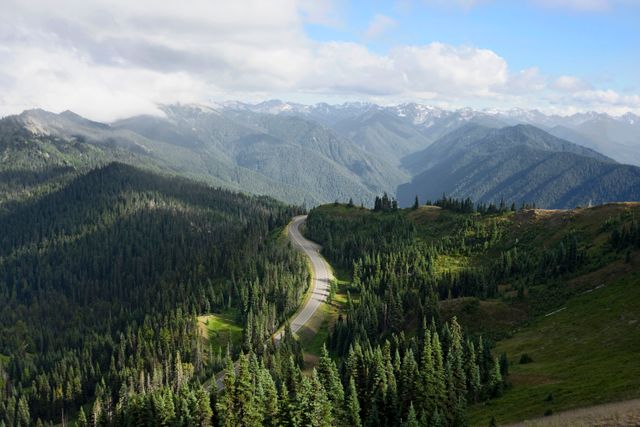
This vastness creates extraordinary diversity. The Rocky Mountains run from Alaska down through the western states. The Appalachians roll through the east. The Great Plains stretch across the center. Deserts dominate the southwest, while temperate rainforests cover the Pacific Northwest. And that’s before you get to the over 400 national parks that preserve the country’s most spectacular landscapes .
History: A Nation of Immigrants
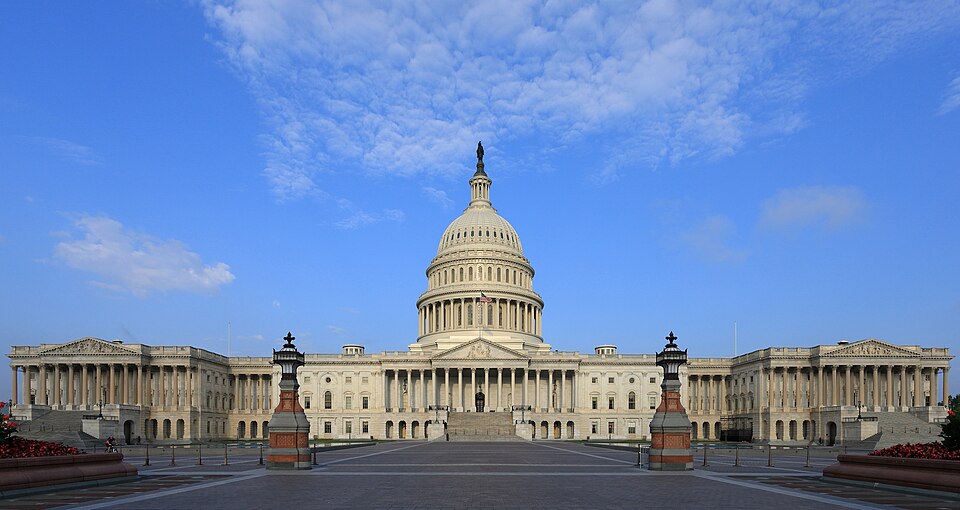
The USA’s history is complex and layered. Indigenous peoples inhabited the land for thousands of years before European colonization began in the 16th century. The Declaration of Independence in 1776 and the subsequent Constitution created a new nation built on ideals of liberty and self-governance, even as the country grappled with slavery and systemic inequality.
The 19th and 20th centuries saw massive immigration from Europe, Asia, and Latin America, shaping the country’s cultural fabric. The USA emerged as a global superpower after World War II, and today it’s a country where one in five international visitors is making their first trip .



📊 Number of Visitors Per Year: A Decline, But Still Massive
Here’s something important to know: international tourism to the USA is currently declining.
2025 By the Numbers:
- 68.3 million international visitors arrived in the USA in 2025, down 5.5% from 72.3 million in 2024 .
- This was the first decrease in international visitors since 2020 .
- The 2018 record was 79.4 million visitors .
Where the Decline Comes From:
- Canada saw the biggest drop, down 20.9% from 2024 .
- Germany also declined, down 11.3% .
- However, arrivals from Mexico actually increased by 6.4%, and Israel (+15.6%) and Argentina (+14.9%) showed strong growth .
What Visitors Are Doing:
- National parks remain a huge draw. The UK is the largest overseas market for park visits, with 1.7 million British visitors in 2025, followed by France, Germany, Brazil, and India .
- About 45% of overseas travelers visit only one US state, a trend that’s growing as costs rise and travelers opt for deeper exploration of fewer destinations .
What This Means for You: The decline in international visitors is mostly due to economic factors and travel costs, not safety concerns. The USA remains one of the most visited countries on Earth. If you’re planning a trip, you’ll still encounter crowds at major attractions—but you might find slightly better availability than in peak years.

🏛️ Main Attractions: What Travelers Are Loving
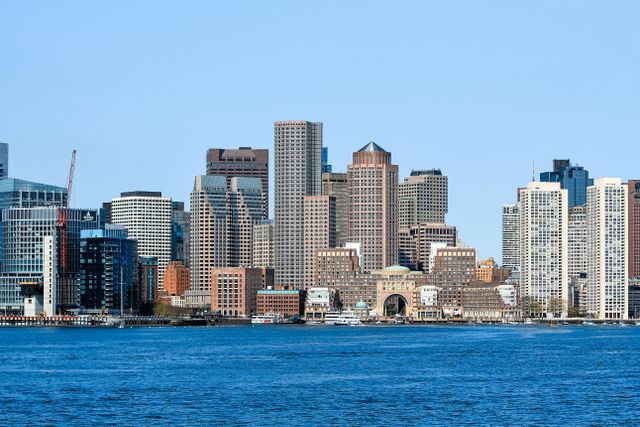
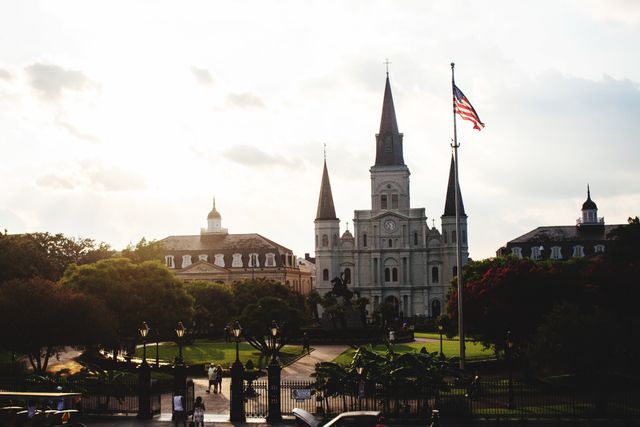
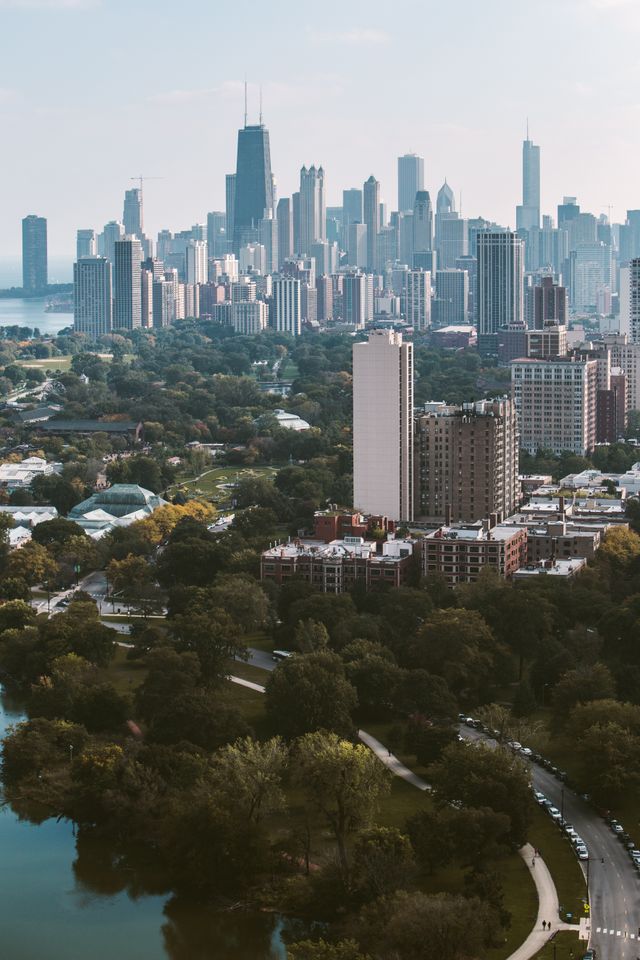
According to Tripadvisor’s Travelers’ Choice Awards, based on millions of reviews, these are the top-rated destinations in the USA :
The Top 10 US Destinations
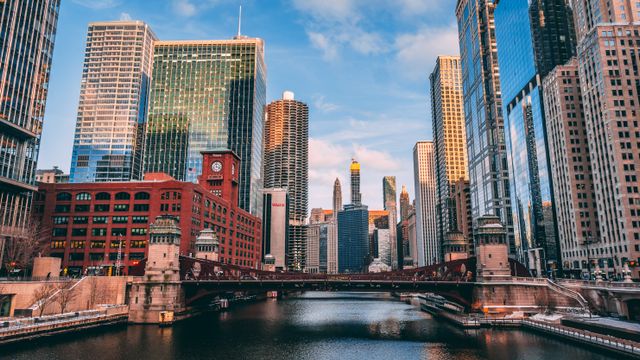

Beyond the Top 10: The list continues with Maui, San Francisco, Miami, Sedona, San Diego, and Moab—a reminder that the USA’s appeal is spread across every corner of the country .
The Natural Wonders: National Parks
For many international visitors, the national parks are the main event. The USA has over 400 of them, but these are the ones that define the American landscape :
Yellowstone National Park (Wyoming/Montana/Idaho): The world’s first national park (established 1872). Famous for Old Faithful geyser, colorful hot springs like Grand Prismatic Spring, and abundant wildlife including bison, elk, and wolves .
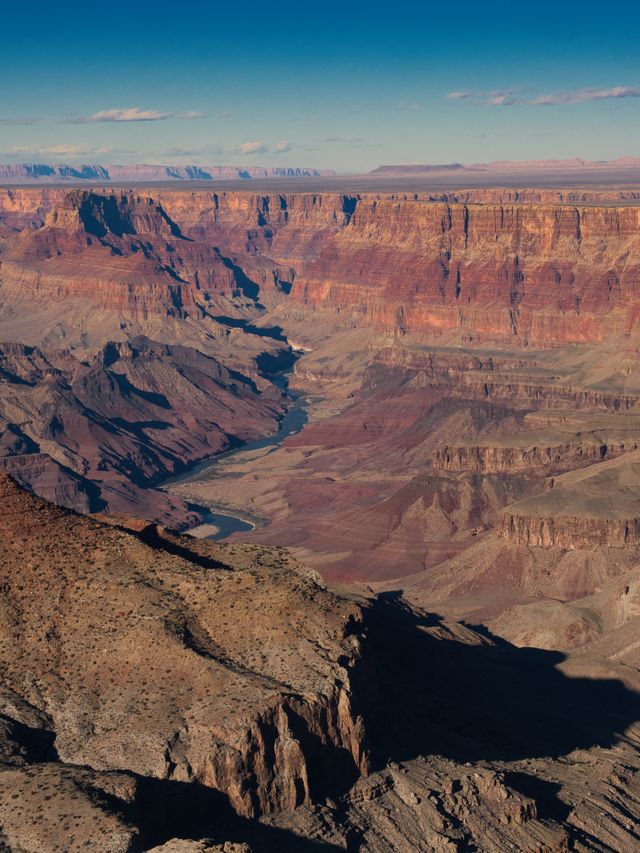
Grand Canyon National Park (Arizona): One of the most famous natural wonders on Earth. The canyon stretches 277 miles and is a mile deep. You can peer from the rim, hike down, or raft the Colorado River .
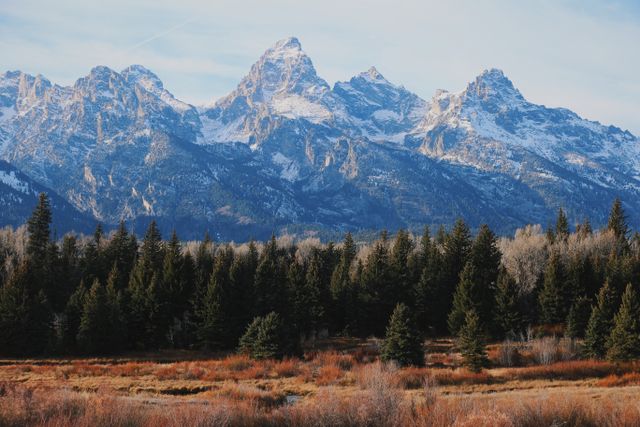
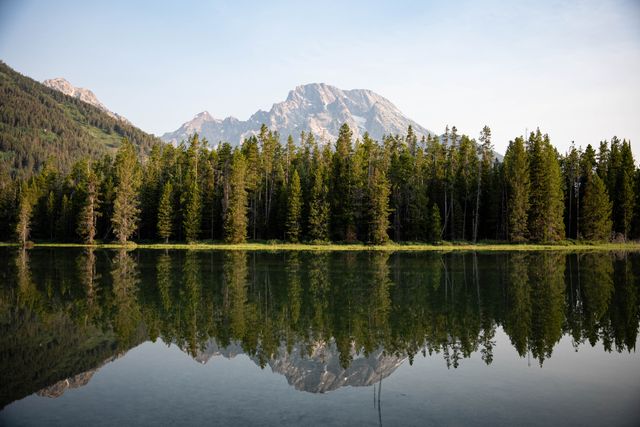
Grand Teton National Park (Wyoming): The Teton Range rises sharply from a lake-filled valley, creating one of America’s most photogenic landscapes. Sunrise here is unforgettable .
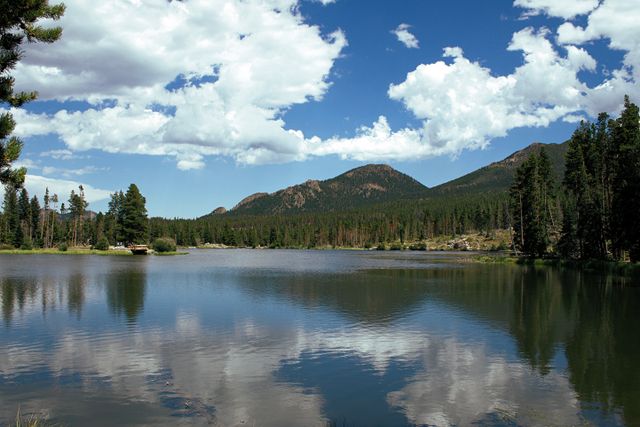
Rocky Mountain National Park (Colorado): Home to dozens of peaks over 12,000 feet, including Longs Peak. The Trail Ridge Road crosses the Continental Divide above 12,000 feet with panoramic views .
Olympic National Park (Washington): An ecologically diverse wonderland with temperate rainforests, moss-draped trees, and rugged coastline. The Hoh Rainforest is a highlight .

🎎 Culture: A Mosaic, Not a Monolith
American culture is often exported as a single product—Hollywood, fast food, pop music—but the reality is a patchwork of regional identities that can feel like different countries.
Regional Differences:
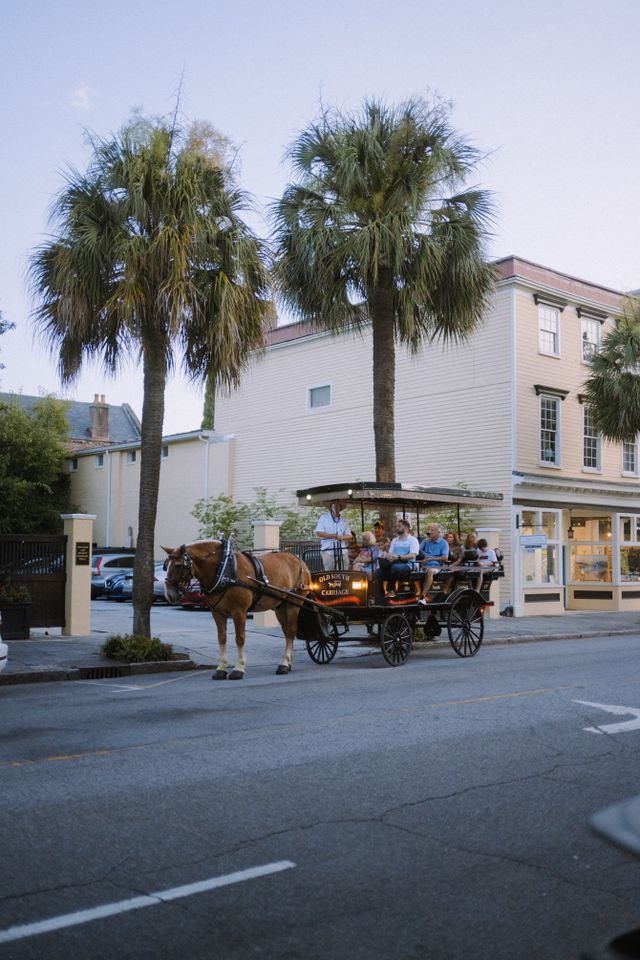
- The South: Slower pace, warmer greetings, and food that’s deeply tied to tradition—barbecue, fried chicken, grits, and sweet tea.
- The Northeast: Fast-paced, direct, and walkable cities with deep historical roots.
- The West: Outdoor-oriented, more laid-back, with a mythology of frontier and freedom.
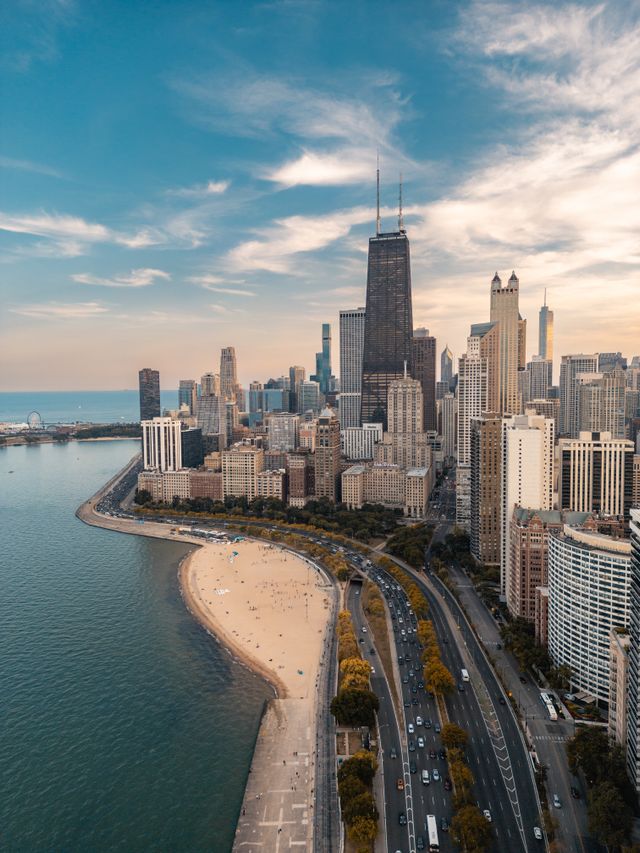
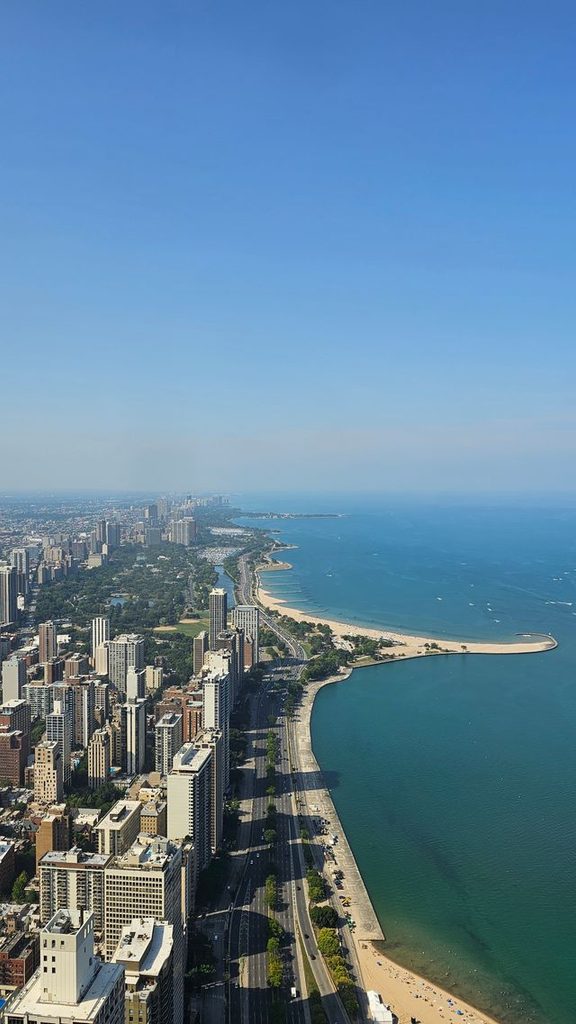
- The Midwest: Friendly, unpretentious, and home to some of the country’s most underrated cities (Chicago, Minneapolis, Detroit).
Tipping Culture: This is the biggest culture shock for many international visitors. Tipping is expected at restaurants (15-20%), bars ($1-2 per drink), hotels ($2-5 per night for housekeeping), and for taxis/rideshare. Service workers often rely on tips for their income.
Cultural Do’s and Don’ts:
- Do engage in small talk. Americans are generally open and friendly, and “How are you?” is a greeting, not a real question.
- Don’t assume you can walk everywhere. Outside of a few major cities, the USA is car-dependent. Public transport is limited in most places.
- Do respect personal space and queue etiquette. Lines are sacred.
- Don’t underestimate distances. A “short drive” in the USA can be two hours.

🚗 How to Reach the USA
By Air:
The USA has many international gateways, and the best entry point depends on your itinerary.
- East Coast: New York (JFK/Newark), Boston, Washington Dulles, Miami, Atlanta
- West Coast: Los Angeles (LAX), San Francisco (SFO), Seattle
- Central: Chicago O’Hare, Dallas/Fort Worth
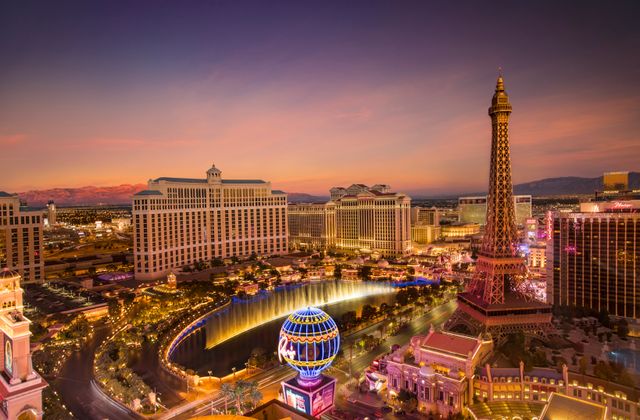
Flying into a city that aligns with your first destination saves you a domestic connection. For national parks in the West, Denver, Salt Lake City, or Las Vegas are common entry points.
Visa Requirements:
Most international visitors need either a B1/B2 tourist visa or an ESTA (for Visa Waiver Program countries like the UK, Australia, most EU nations, and Japan). Apply well in advance—visa interview wait times can be long.
Getting Around:
- Domestic flights are often the most practical way to cover long distances. Budget airlines (Southwest, JetBlue, Spirit) can be affordable if booked early.
- Renting a car is essential for exploring national parks and rural areas. Book in advance for the best rates.
- Amtrak trains are scenic but slow and limited outside the Northeast Corridor.


🏄 What to Do: Beyond the Checklist
- Chase fall colors in New England. September and October turn the Northeast into a blaze of red, orange, and gold .
- See a baseball game. From April to September, catching a game in Chicago, Boston, or New York is a quintessential American experience .
- Drive a scenic byway. The Pacific Coast Highway in California, Blue Ridge Parkway in the Appalachians, or Trail Ridge Road in Colorado.
- Visit a local festival. Mardi Gras in New Orleans, the Albuquerque International Balloon Fiesta, or a county fair in the Midwest.
- Explore a smaller city. Santa Fe was recently ranked the #1 city in the USA by Travel + Leisure readers for its arts scene and food . Savannah, Asheville, and Galena are also traveler favorites .
🍛 Local Foods: A Regional Journey
American food is not one cuisine—it’s many.
Regional Classics:
- New England: Clam chowder, lobster rolls, maple syrup
- The South: Barbecue (varies by state—Texas brisket, Carolina pulled pork, Memphis ribs), fried chicken, biscuits and gravy, gumbo in Louisiana
- The Southwest: Tex-Mex, green chile in New Mexico, tacos in California
- The Midwest: Deep-dish pizza in Chicago, cheese curds in Wisconsin, hotdish in Minnesota
- The West Coast: Fresh seafood, farm-to-table cuisine, and excellent Asian and Mexican food
What to Know: Food portions are large. Restaurant meals often provide enough for two people. Dining out is expensive, especially in cities—expect $20-30 for a casual lunch and $40-70+ for dinner .



🛍️ Shopping: What to Bring Home
- Native American crafts: Jewelry, pottery, and textiles from the Southwest
- Local food products: Maple syrup from Vermont, barbecue sauce from Texas, wine from California
- American brands: Clothing, electronics, and outdoor gear are often cheaper in the USA than abroad
- National park merchandise: Official park stores have high-quality souvenirs and gifts
🎒 Things to Pack: Your USA Survival Kit
- Comfortable walking shoes: Cities are walkable, and parks require hiking.
- Layers: Weather varies dramatically by region and season.
- A reusable water bottle: Public water fountains are common.
- A power adapter: The USA uses Type A/B plugs (120V).
- Cash for tips: Small bills ($1, $5) are useful for tipping.
- A car charger: If you’re road-tripping, you’ll spend hours in the car.
💰 Average Budget: What the USA Costs (2026)
The USA is expensive compared to many destinations.
Average Vacation Cost: The average US vacation in 2025 costs about **$7,249**, up nearly $1,400 from the previous year .
Daily Budget by Travel Style:
| Style | Daily Cost (per person) | What It Covers |
|---|---|---|
| Budget | $100–150 | Hostel dorm, fast food/groceries, public transport, free attractions |
| Mid-Range | $200–350 | 3-star hotel, restaurant meals, rental car, paid attractions |
| Luxury | $500+ | 4–5 star hotel, fine dining, private tours, domestic flights |
Specific Costs (Average 2026):
- Hotel (average): $131–263 per night
- Food (per day): ~$97 per person
- Local transport: ~$46 per day
- National park entry: $35 per vehicle (most parks)
Money-Saving Tips:
- Visit in shoulder season (spring or fall) for lower prices and fewer crowds.
- Camp or stay in park lodges for national park trips.
- Buy an America the Beautiful pass ($80) if visiting multiple parks.
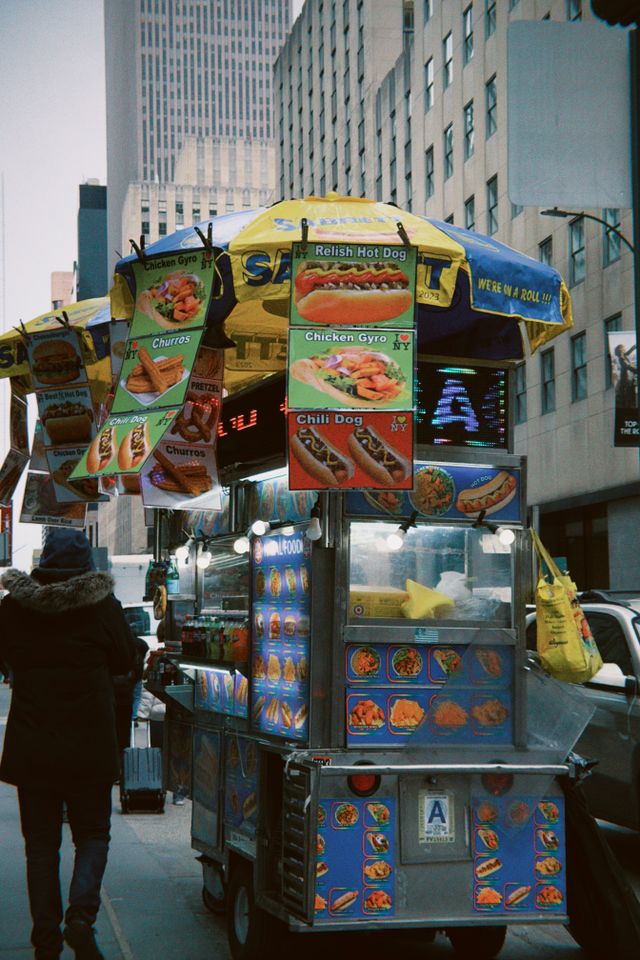
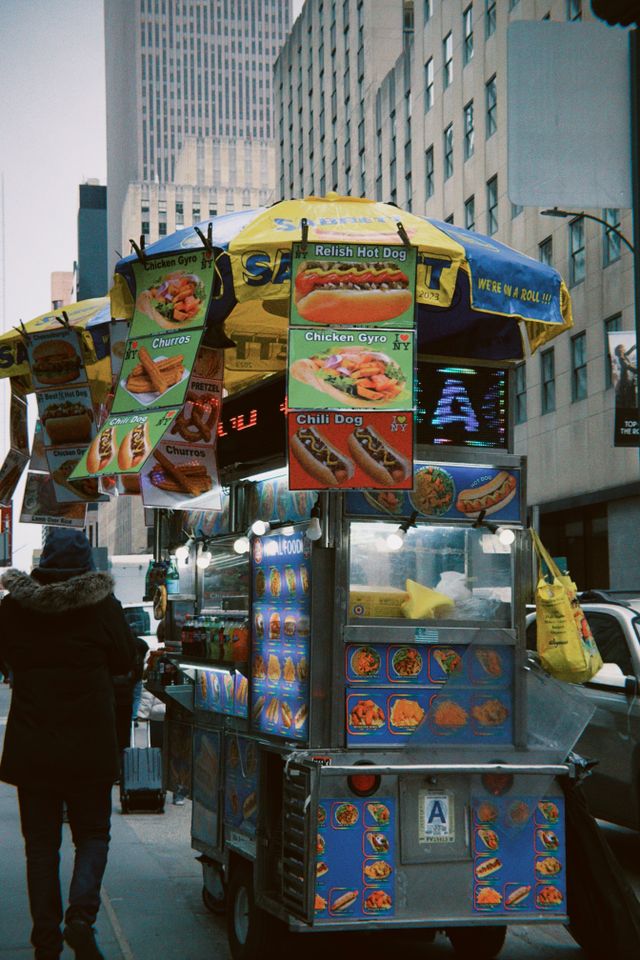
- Eat at grocery stores and food trucks instead of restaurants.
🏁 Conclusion: The USA Rewards the Prepared
The United States is not a country you can “do” in a week. It’s a country you choose from. Pick a region, or a theme—national parks, music history, food, beaches—and go deep. The rewards are immense: landscapes that will leave you speechless, cities that pulse with energy, and a diversity of experiences that no single trip can capture.
Have you traveled through the USA? What’s your favorite region or unforgettable road trip? Drop a comment below! 👇
❓ FAQ: USA Quick Answers
1. Do I need a visa for the USA?
Most visitors need either a B1/B2 visa or an ESTA (Visa Waiver Program). Apply well in advance.
2. What’s the best time to visit?
Spring (April–June) and fall (September–October) offer good weather and fewer crowds. Summer is peak season (crowded, hot). Winter is great for skiing and southern escapes.
3. Is the USA safe?
Generally yes, but crime rates vary by city and neighborhood. Use common sense, research your destinations, and avoid isolated areas at night.
4. How much should I budget per day?
$100–150/day** for budget travel, **$200–350/day for mid-range.
5. Do I need to tip?
Yes. 15–20% at restaurants, $1–2 per drink** at bars, **$2–5/night for housekeeping.
6. Can I drink tap water?
Yes, tap water is safe to drink throughout the USA.
7. What’s the best way to get around?
Domestic flights for long distances, rental car for parks and rural areas, public transport in major cities.
8. How many days do I need?
7–10 days for a first trip (one region). Two weeks+ for a multi-region trip.
9. Is the USA good for families?
Very. Theme parks, national parks, and cities all have family-friendly attractions.
10. What’s the most underrated destination?
Santa Fe, New Mexico was recently ranked the #1 US city by Travel + Leisure readers for its food, arts, and four-season appeal .